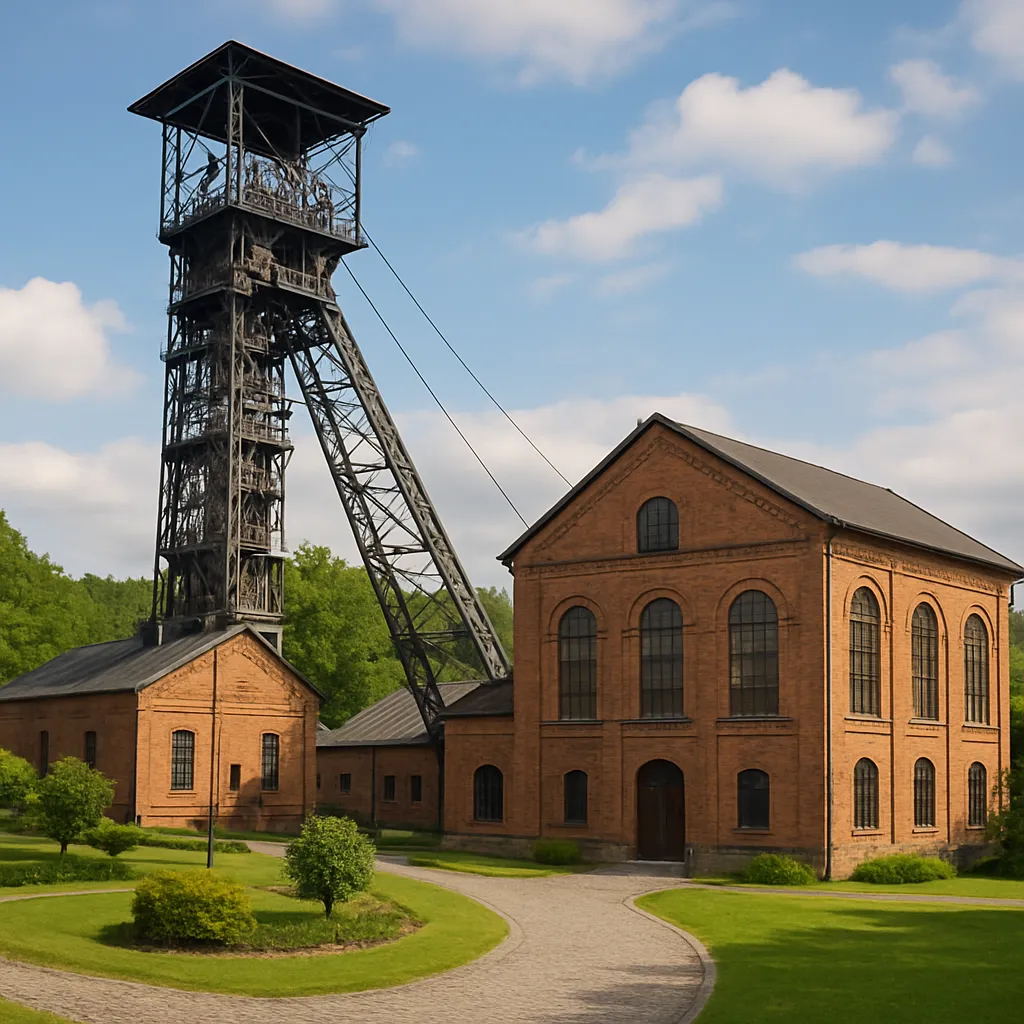
Coal has long served as a cornerstone of global energy production, shaping the contours of industry, commerce, and community livelihoods. When a coal-fired power facility ceases operations, ripple effects extend far beyond the physical structure. Investors, local residents, and policy makers must navigate a complex interplay of environmental, economic, and social factors. This article delves into the multifaceted repercussions of a plant shutdown, with a focused lens on coal stocks and the broader strategic landscape.
Environmental and Economic Dynamics of Coal
The Role of Coal in Power Generation
For decades, coal has been prized for its reliability and relative affordability. It underpins nearly 35% of global electricity generation, offering baseload capacity that many renewables cannot yet match without advanced storage solutions. However, the legacy of coal extends beyond kilowatt-hours. The combustion process releases significant emissions, notably carbon dioxide (CO₂), sulfur dioxide (SO₂), and nitrogen oxides (NOₓ). Over time, mounting concerns about air quality and climate change have spurred regulatory reforms, tipping the balance toward cleaner alternatives.
Economic Implications for Local Communities
- Job Losses: Coal plant employees—including engineers, technicians, and support staff—often face abrupt unemployment. The socioeconomic fabric of mining towns can fray under such pressure.
- Tax Revenue Decline: Municipalities relying on plant-associated taxes must contend with shrinking budgets, affecting public services like schools and infrastructure maintenance.
- Supply Chain Disruption: Local suppliers of transportation, maintenance, and auxiliary services experience sharp revenue drops. This can trigger secondary layoffs and business closures.
Market Reactions and Coal Stock Fluctuations
Investor Sentiment and Share Price Volatility
Announcements of impending shutdowns often lead to swift repricing of coal company equities. Traders factor in potential liabilities for environmental cleanup, decommissioning costs, and compensation packages. In many cases, stocks plummet as pessimism mounts regarding future cashflows. Conversely, speculative buyers may target undervalued shares, anticipating a rebound if firms pivot successfully toward diversification.
Regulatory Landscape and Compliance Costs
The regulatory landscape plays a pivotal role in shaping investor expectations. Stricter emissions standards compel utilities to invest in retrofits or face closure, driving up operational expenses. Companies that navigate these hurdles proactively by installing scrubbers or carbon capture technology can stabilize their market position, whereas laggards endure share downgrades and heightened borrowing costs.
Financial Instruments and Hedging Strategies
- Derivatives: Futures and options on coal indices allow stakeholders to hedge against price swings, mitigating exposure when a plant’s fate is uncertain.
- Green Bonds: Some utilities issue green bonds to fund clean energy transitions, attracting environmentally conscious investors and lowering capital costs.
- Insurance Products: Specialized policies cover decommissioning costs, land reclamation, and environmental liabilities, providing a financial safety net.
Impact on Grid Stability and Energy Security
Balancing Supply and Demand
When a significant generating asset goes offline, grid operators must scramble to maintain equilibrium. This may involve ramping up output from alternative sources or importing power from neighboring regions. In areas heavily dependent on coal, sudden closures can stress the system, leading to rolling blackouts or voltage instability. Ensuring grid reliability requires thorough contingency planning and robust transmission infrastructure.
Renewable Integration Challenges
While solar and wind capacity is expanding rapidly, their intermittent nature poses integration challenges. Storage solutions like advanced batteries or pumped hydro can help, but large-scale deployment remains costly. The decommissioning of coal plants thus intensifies the urgency for flexible generation assets and demand-response programs, which allow utilities to modulate consumption during peak stress periods.
Transition Strategies and Future Prospects
Corporate Diversification and New Ventures
Forward-looking utilities are exploring ways to pivot away from coal dependency. Investments in renewable energy assets—such as wind farms, solar parks, and green hydrogen projects—provide alternative revenue streams. Some companies are experimenting with carbon capture and utilization technologies, aiming to retrofit existing plants rather than shutter them entirely. Others form joint ventures with technology firms to develop next-generation grid services.
Community Redevelopment and Workforce Retraining
- Retraining Programs: Coal plant shutdowns often trigger partnerships between local governments, vocational schools, and private firms to equip workers with skills in renewable installation, data analytics, and industrial automation.
- Economic Diversification Funds: Special funds can support small businesses, tourism, and light manufacturing, reducing dependence on a single employer.
- Stakeholder Engagement: Early consultation with affected communities helps tailor redevelopment plans to local needs, enhancing social cohesion.
Investment Outlook and Risk Management
From an investor’s perspective, the journey from coal to clean energy involves assessing both risks and opportunities. The volatility of coal stocks underscores the importance of diversification across sectors and geographies. Bonds tied to sustainable projects may offer lower yields but come with credit enhancements and reputational benefits. Meanwhile, equities in companies leading the energy transition can deliver long-term growth as global demand shifts toward decarbonization.
Key Takeaways for Stakeholders
- Strategic Planning: Utilities and regulators must coordinate to avoid abrupt capacity shortfalls.
- Financial Innovation: New instruments such as transition bonds can bridge funding gaps for projects that retire coal capacity responsibly.
- Social Responsibility: Prioritizing workforce retraining and community investment enhances economic resilience and public support.