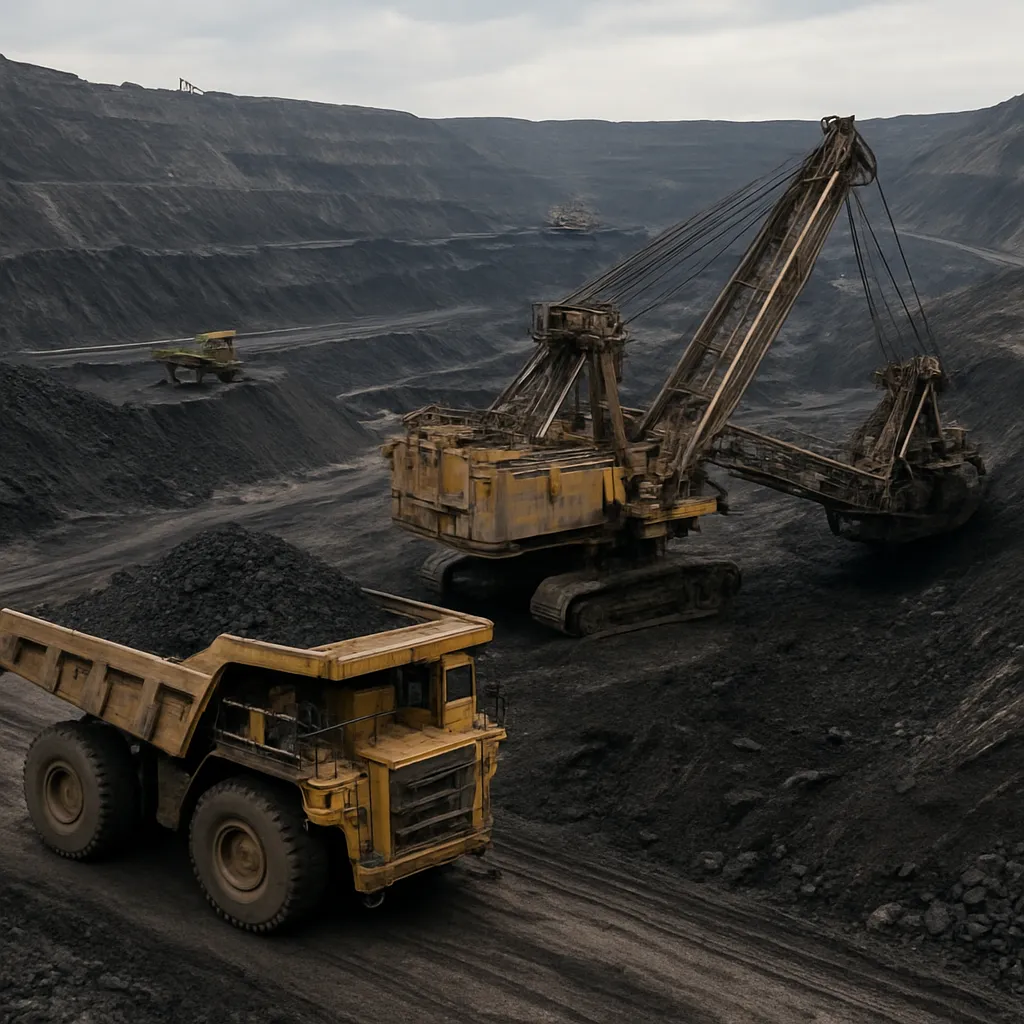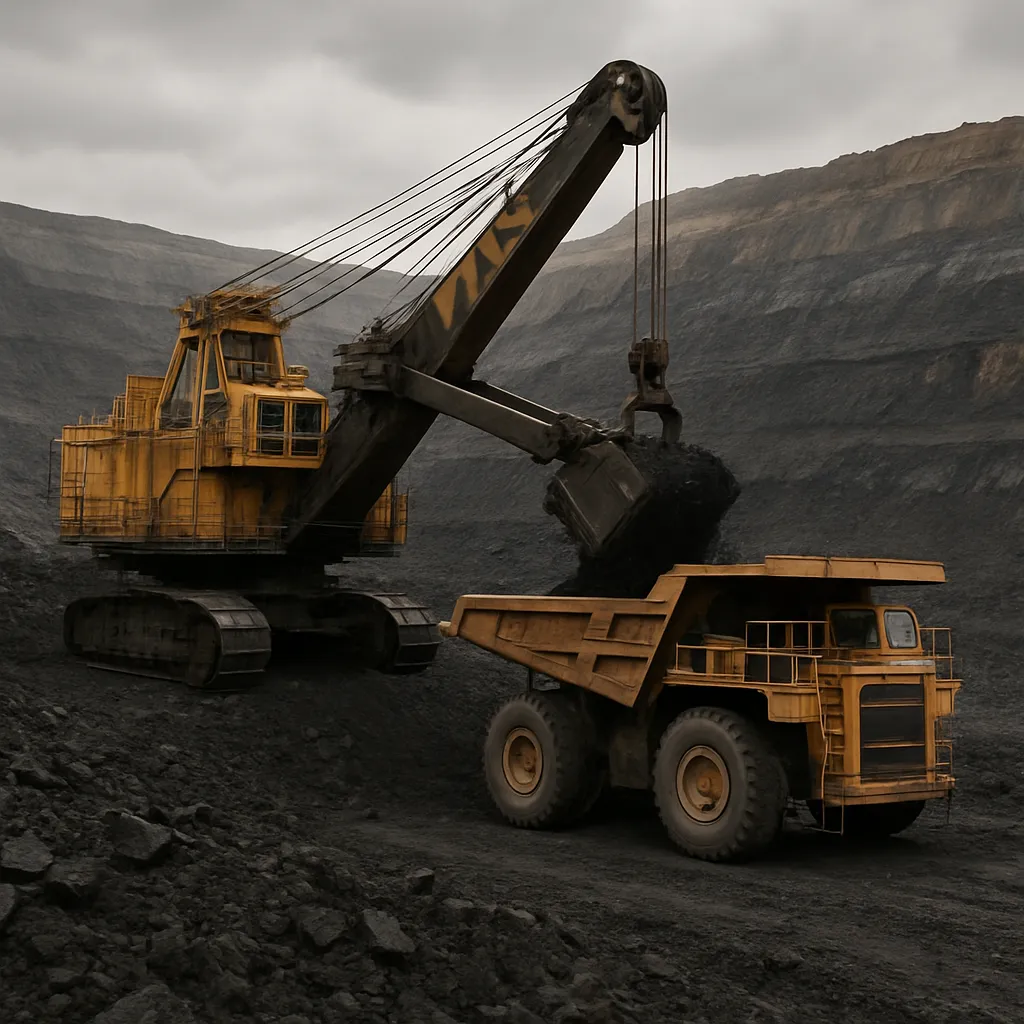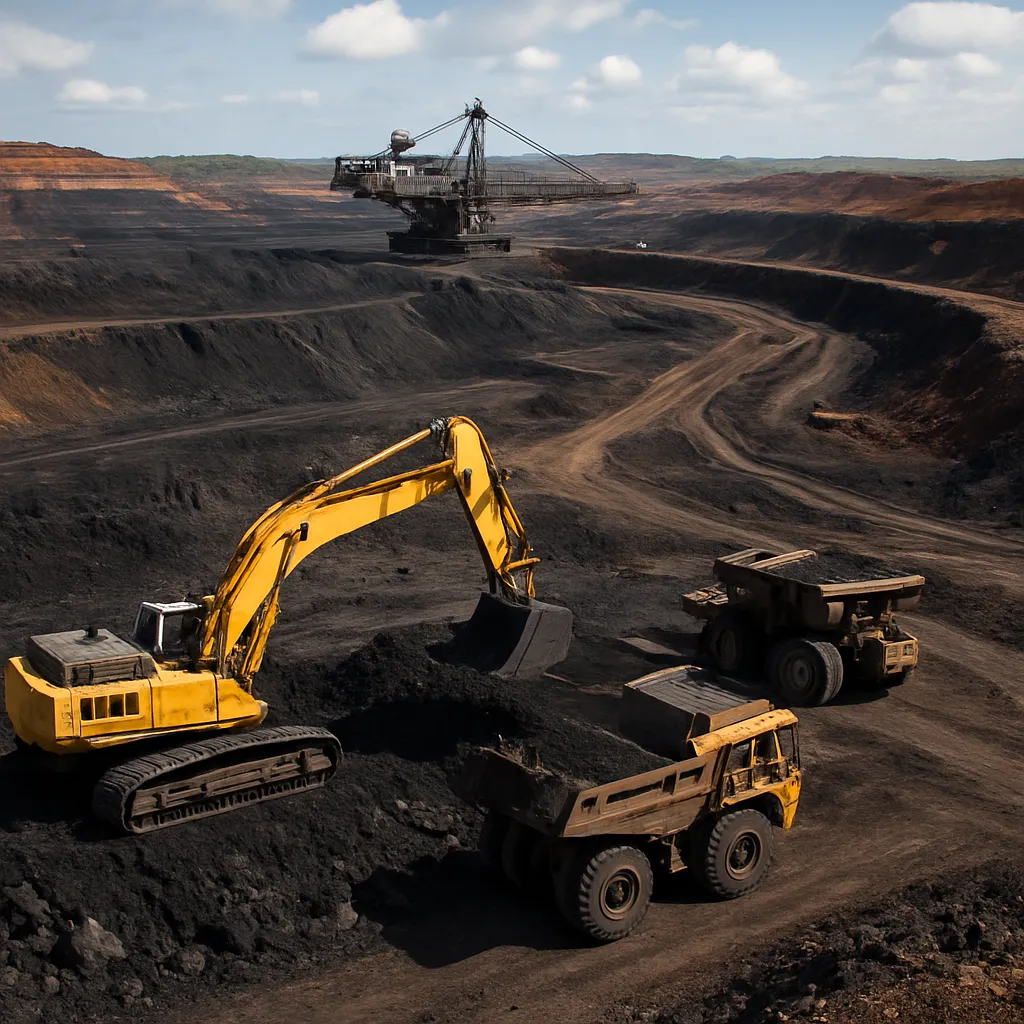
The Zambeze Coal Mine in Mozambique represents one of several significant coal developments in the central part of the country. Located in a region that has attracted international attention for its mineral potential, the mine is connected to the broader geological and economic story of the Tete basin and the emerging coal industry in southern Africa. This article provides a comprehensive overview of the mine’s location, geological setting, the type and quality of coal produced, operational and economic aspects, infrastructure and logistics, environmental and social considerations, and the future outlook for the project and the wider region.
Location and Geological Setting
The Zambeze Coal Mine is situated within central Mozambique, in proximity to the well-known mineral-rich area of the Zambezi River basin. The broader mining activities in the region are often concentrated in and around the province of Tete, which hosts several major coal deposits. The geology of the basin includes sedimentary formations that were deposited during the Karoo and related periods, creating thick seams of organic-rich material that have since transformed into economically exploitable coal.
Coal-bearing strata in the area are typically interbedded with shales, sandstones and occasional carbonates. These sequences are favorable for both near-surface open-pit mining and deeper underground operations, depending on seam depth and continuity. The presence of multiple seams, some of which are laterally extensive, makes the region attractive for both short-term production and longer-term development plans.
Mining Operations and Coal Characteristics
Mining techniques at Zambeze and neighboring operations range from open-pit extraction to smaller-scale underground workings where seam geometry and overburden thickness require it. The primary product is coal, with quality and specifications varying by seam and locality. Generally, coal from the central Mozambican deposits can be classified into two broad types:
- Thermal coal: used mainly for power generation, characterized by moderate to high calorific value, varying ash content and sulfur levels that depend on the specific seam.
- Coking or metallurgical coal: some seams in the region yield higher-rank coal suitable for metallurgical processes, though the predominant commercial product across many operations is thermal coal intended for electricity generation and industrial heating.
Typical quality parameters that buyers and analysts monitor include calorific value (kcal/kg or MJ/kg), ash content (percentage), volatile matter, fixed carbon, total moisture, and sulfur content. These factors influence market value, processing requirements and environmental emissions. At Zambeze, as at other operations in the basin, coal quality variability demands careful resource evaluation and blending strategies to meet client specifications.
Economic Impact and Statistical Overview
The development of the Zambeze Coal Mine contributes to the local and national economic landscape through direct production, tax revenues, royalties, and indirect benefits such as employment and demand for local goods and services. Coal projects in Mozambique historically attracted significant foreign investment and have been central to strategic plans aimed at increasing export earnings and stimulating regional development.
Some relevant economic and sectoral points include:
- Employment: Coal operations typically create hundreds to thousands of direct jobs during construction and operation phases, with a larger multiplier effect in services, transport and supply chains. Employment at a typical large-scale regional mine can range from several hundred to a few thousand people depending on mechanisation and scope.
- Exports and foreign exchange: Coal from the Tete basin has been a major export commodity for Mozambique, delivering important foreign currency inflows. Before global shifts in demand and pricing, the country’s coal exports were measured in millions of tonnes per year from combined operations in the province.
- Government revenues: Taxation, royalties and surface rentals contribute to provincial and national budgets. Contracts and fiscal terms vary by license and investor, but resource extraction typically represents a significant revenue stream for host governments.
- Investment scale: Capital expenditure for establishing a medium-to-large coal mine (including pit development, processing plant, and initial logistics infrastructure) often runs into hundreds of millions of dollars. Infrastructure investments—rail, ports, power—frequently raise this figure to the scale of billions when undertaken to enable export-led operations across the region.
It is important to note that production figures and revenues are influenced by global coal prices, shipping costs, and demand from major consumers (notably in Asia). The Mozambican coal sector experienced rapid growth in the late 2000s and early 2010s, followed by periods of adjustment due to market cycles, logistic bottlenecks and competition from other exporting countries.
Infrastructure and Logistics
Efficient transport and handling are central to the commercial viability of coal mines like Zambeze. Coal must be moved from pit to processing facilities and then to export terminals or domestic consumers. Critical aspects include:
- Rail and road links: Many producers rely on heavy-duty rail corridors to reach coastal ports. Where rail capacity is limited, long-haul road transport or conveyor systems are used for shorter distances.
- Ports and terminals: Access to deep-water terminals capable of handling large bulk carriers is a decisive factor for export-oriented projects. Upgrades or construction of new port facilities often accompany major mining developments in Mozambique.
- Power and water supply: Mining and coal processing demand reliable energy and water resources. Projects include arrangements for grid connections, diesel or gas-fired backup, and water sourcing strategies that consider local availability and environmental constraints.
- Storage and washing plants: To meet market specs and reduce impurity levels, coal washing and quality management infrastructure are commonly installed. Stockpiles and covered storage reduce moisture uptake and safeguard against quality deterioration during wet seasons.
Improvements in infrastructure often have spillover effects that benefit other sectors of the economy, such as agriculture, commerce and general transport, though concentration of investment in corridors serving mines can raise equity and maintenance concerns for local communities.
Environmental and Social Considerations
Coal mining carries significant environmental and social responsibilities. At Zambeze and nearby operations, stakeholders—companies, government agencies and civil society—must manage impacts across several domains:
- Land disturbance and biodiversity: Open-pit mining alters landscapes and can threaten local habitats. Rehabilitation plans, progressive closure strategies and careful siting reduce long-term ecological damage.
- Water resources: Mining competes with agriculture and domestic users for water. Proper water management minimizes contamination risks (acid mine drainage, particulates) and preserves supplies for communities.
- Air quality and emissions: Dust from haulage and coal handling, as well as greenhouse gas emissions from combustion, are focal points for mitigation measures including dust suppression, covered conveyors, and emissions management.
- Community impacts and benefits: Social investment programs address health, education, and local economic development. Resettlement, if required, should follow international best practices to ensure livelihoods are restored or improved.
There is growing attention to sustainability within coal projects: companies increasingly report on environmental performance, community engagement and rehabilitation commitments. Investors and financiers often require environmental and social impact assessments (ESIAs) and monitoring as a condition for funding.
Significance in Industry and Regional Development
The Zambeze Coal Mine forms part of a broader coal ecosystem in central Mozambique that has influenced industrial strategy in the country. The sector’s significance includes:
- Resource security and energy: Domestic coal supplies can support national power generation plans, providing fuel for thermal power plants and helping to diversify the energy mix.
- Export earnings and trade balance: Coal exports have historically been a key component of Mozambique’s commodity export portfolio, supporting foreign exchange reserves.
- Industrial linkages: Coal mining stimulates ancillary industries—equipment maintenance, construction, logistics and services—fostering skills transfer and entrepreneurship in the region.
- Regional geopolitics: Export routes and infrastructure investments involve coordination with neighboring countries and international partners, with implications for regional connectivity and economic cooperation.
Challenges and Risks
Despite its potential, the Zambeze mine and similar projects face multiple challenges:
- Market volatility: International exports are subject to fluctuations in global demand for coal, competition from alternative energy sources, and regulatory shifts aimed at decarbonisation.
- Logistical constraints: Insufficient or aging rail and port infrastructure can limit throughput and raise unit costs, jeopardizing profitability.
- Environmental regulations and community opposition: Tightening standards and local resistance to environmental impacts can delay projects and increase compliance costs.
- Financing and investor sentiment: As global capital markets increasingly weigh environmental factors, raising financing for coal-related projects can be more expensive or constrained.
Future Prospects
Outlook for Zambeze and the region hinges on several variables. Continued demand for thermal coal in certain markets, investments in clean coal technologies, and diversification into value-added processes could sustain production. On the other hand, a sustained global shift towards renewables and lower-carbon industrial inputs could reduce long-term demand.
Opportunities for the future include:
- Value chain integration: Investments in coal processing, blended products, and local power generation can capture greater value domestically.
- Infrastructure sharing: Coordinated development of rail and port facilities for multi-user access reduces unit costs and improves resilience.
- Environmental mitigation technologies: Adoption of efficient washing, emissions controls and land rehabilitation practices can reduce negative impacts and improve social license to operate.
- Economic diversification: Using mining revenues to fund education, health and alternative industries helps communities transition once mines wind down.
Interesting Facts and Contextual Notes
Several broader observations help contextualize the Zambeze Coal Mine within Mozambique and the global coal industry:
- The central Mozambican coalfields are among the most important in Africa, attracting multinational miners and varied investment profiles.
- Transport corridors established for coal have the potential to unlock agricultural and mineral wealth in landlocked neighboring countries by improving access to seaports.
- Coal quality across the basin is heterogeneous, which makes geological evaluation, mine planning and product blending key to commercial success.
- Local employment and procurement policies are critical levers for ensuring mining benefits flow into surrounding communities and for improving long-term social outcomes.
Conclusion
The Zambeze Coal Mine forms part of a significant chapter in Mozambique’s resource-driven development story. With its location in a coal-rich sedimentary basin, the mine produces coal that supports both domestic needs and international markets. The project’s economic implications—jobs, revenue and infrastructure—are substantial, while environmental and social responsibilities remain central to its operational legitimacy. Future trajectories will depend on market dynamics, investment in supporting infrastructure, and the ability of stakeholders to balance exploitation of natural resources with sustainable development objectives. As the country and investors navigate these complexities, coal projects such as Zambeze will continue to play an influential role in shaping regional industrial and economic outcomes, even as the global energy transition introduces new constraints and opportunities.