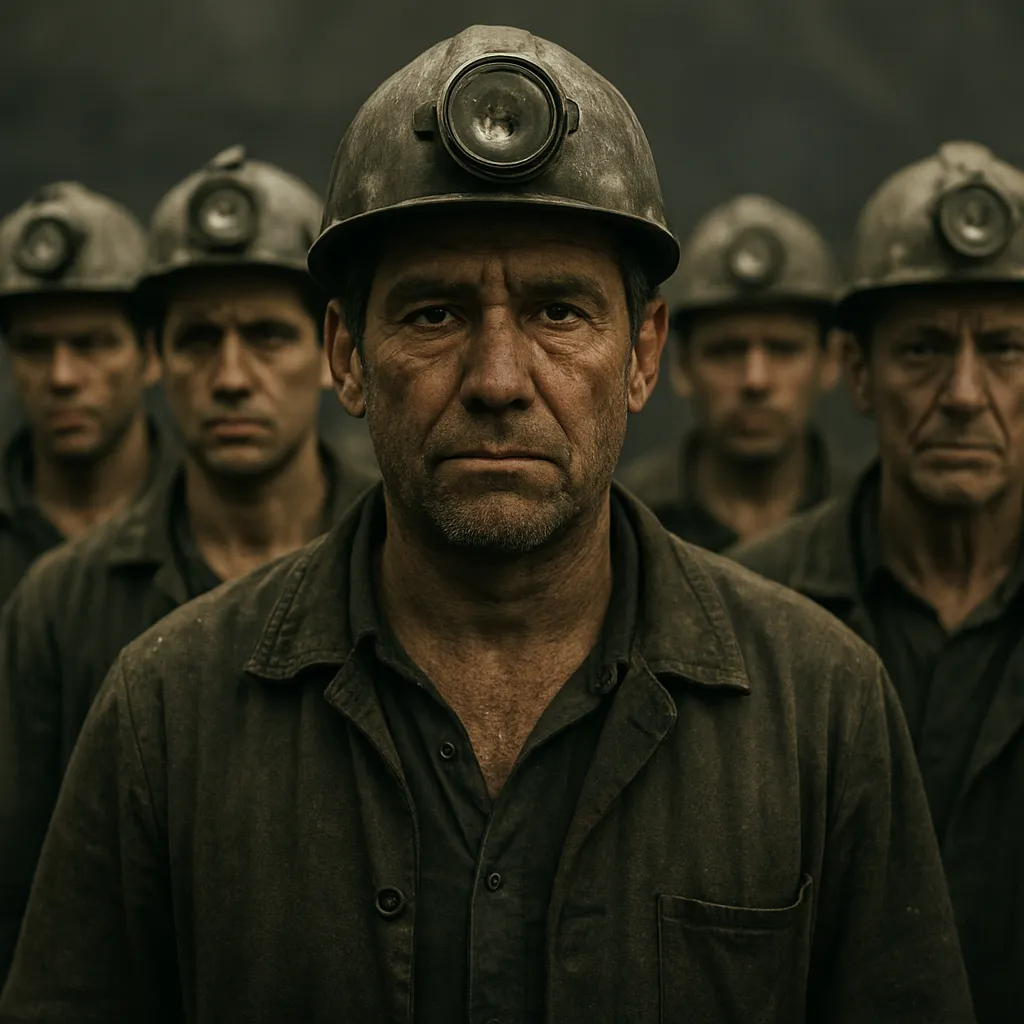
Japan’s enduring dependence on coal power reflects a complex interplay of economic imperatives, energy security concerns, and evolving market dynamics. While the nation has publicly committed to aggressive emissions reductions and ambitious climate targets, coal remains a cornerstone of its electricity generation portfolio. This article examines the multifaceted reasons behind this reliance, exploring economic foundations, environmental impacts, coal stock management, technological innovations, and the geopolitical factors that shape Japan’s energy strategy.
Economic Foundations of Coal Power
Despite global momentum toward low-carbon energy, coal-fired plants continue to play a critical role in Japan’s power mix. A primary driver is the affordability of coal relative to alternatives. Imported coal contracts often lock in predictable prices, shielding utilities from volatile international gas markets. Coal plants provide reliability by delivering stable baseload output, helping meet peak demand without resorting to costly peak-only facilities. The capital investments in existing coal infrastructure represent sunk costs, making the premature retirement of these assets economically challenging.
Financial markets also reflect coal’s entrenched position. Several major Japanese utilities are publicly traded, and their stock valuations hinge on consistent earnings. Abrupt shifts away from coal could lead to asset write-downs, share-price declines, and reduced dividends. As a result, management teams often prioritize gradual transitions that preserve shareholder value. Institutional investors, including pension funds and insurance companies, hold significant stakes in these utilities. Their risk assessments are influenced by energy security considerations as well as short- to medium-term financial returns, reinforcing coal’s status quo.
Environmental and Climate Implications
Burning coal remains one of the highest sources of carbon emissions, challenging Japan’s ability to fulfill its Paris Agreement commitments. Modern coal plants incorporate ultra-supercritical boilers and flue-gas desulfurization units to reduce air pollutants, but CO2 output per megawatt-hour stays substantially above that of natural gas or renewables. Environmental activists and local communities around plant sites have voiced concerns over air quality, water usage, and impacts on public health.
On the policy front, Tokyo has implemented a mix of carbon pricing, emissions trading schemes, and renewable portfolio standards. Yet these measures, while gradually tightening, still allow coal to operate under transitional allowances. Policymakers justify this approach by pointing to the need for a reliable grid as variable renewable energy (wind and solar) scales up. Japan’s aging population and industrial base rely on stable electricity, and unexpected blackouts could carry severe economic and social costs.
Coal Stock Management and Market Dynamics
Maintaining strategic coal inventories is vital for Japan’s energy security. Since the 2011 Fukushima crisis, the nation has diversified import sources beyond traditional suppliers such as Australia and Indonesia. Recent supply-chain disruptions—from geopolitical tensions to shipping bottlenecks—underscore the importance of managing adequate onshore stocks. Utilities must balance between holding large inventories and the carrying costs associated with storage, insurance, and potential quality degradation over time.
- Spot purchases versus long-term contracts: Utilities weigh the benefits of price certainty against the flexibility to capitalize on market dips.
- Quality grading: High-grade thermal coal commands a premium, but blending lower-grade shipments can optimize furnace performance.
- Logistics optimization: Coordination between ports, rail networks, and power stations ensures uninterrupted supply flows.
Market analysts track these movements closely, treating coal stocks as an indicator of potential price pressures. When inventories drop below safety thresholds, spot prices can spike, prompting utilities to accelerate imports or adjust generation mixes.
Technological Innovations and Alternatives
To reconcile coal dependence with climate ambitions, Japan’s research institutions and industry players are advancing clean-coal technologies. Carbon capture, utilization, and storage (CCUS) pilot projects aim to sequester CO2 emissions from existing plants, converting captured gas into chemicals or injecting it underground. Meanwhile, biomass co-firing blends wood pellets with coal, reducing net CO2 output and opening new markets for forestry byproducts.
On the renewable side, government subsidies and feed-in tariffs have spurred growth in solar and offshore wind farms. However, intermittent generation necessitates backup capacity. Energy storage solutions—such as lithium-ion battery installations and pumped hydro facilities—are under construction, though they currently lack the scale to meet total grid demand. Research into advanced nuclear reactors and hydrogen-fired gas turbines offers additional pathways toward low-carbon baseload power.
By integrating innovation across sectors, Japan hopes to gradually phase down coal without jeopardizing grid efficiency or stability. The transition strategy emphasizes hybrid power plants, digital monitoring systems, and smart-grid technologies to optimize supply and reduce overall emissions footprints.
Geopolitical and Policy Dimensions
Japan’s energy strategy is inseparable from its regional and global alliances. Dependence on Middle Eastern oil and Australian coal has prompted diversification efforts, including agreements with U.S. gas exporters and development of Arctic shipping routes. Domestic policy debates center on balancing economic growth with environmental stewardship. Conservative voices argue for maintaining coal capacity as an insurance policy, while progressive factions push for accelerated closures aligned with renewable targets.
Internationally, Japan faces pressure from climate-focused countries and financial institutions to limit coal financing abroad. Yet coal remains a key export for several Asian neighbors, and Japanese trading houses continue to invest in overseas coal projects. At the United Nations climate conferences, Tokyo negotiates delivery of green technology while securing transitional funding for cleaner coal initiatives. This diplomatic tightrope reflects a broader tension: achieving short-term energy security without compromising long-term climate objectives.
Ultimately, Japan’s reliance on coal power underscores the challenges faced by industrialized nations in decarbonizing complex energy systems. Economic realities, market structures, technological readiness, and geopolitical dynamics all shape the pace and scope of change. As global momentum shifts toward a net-zero future, Japan’s coal legacy provides valuable lessons on how to manage transition risks, align stakeholder interests, and innovate at scale.