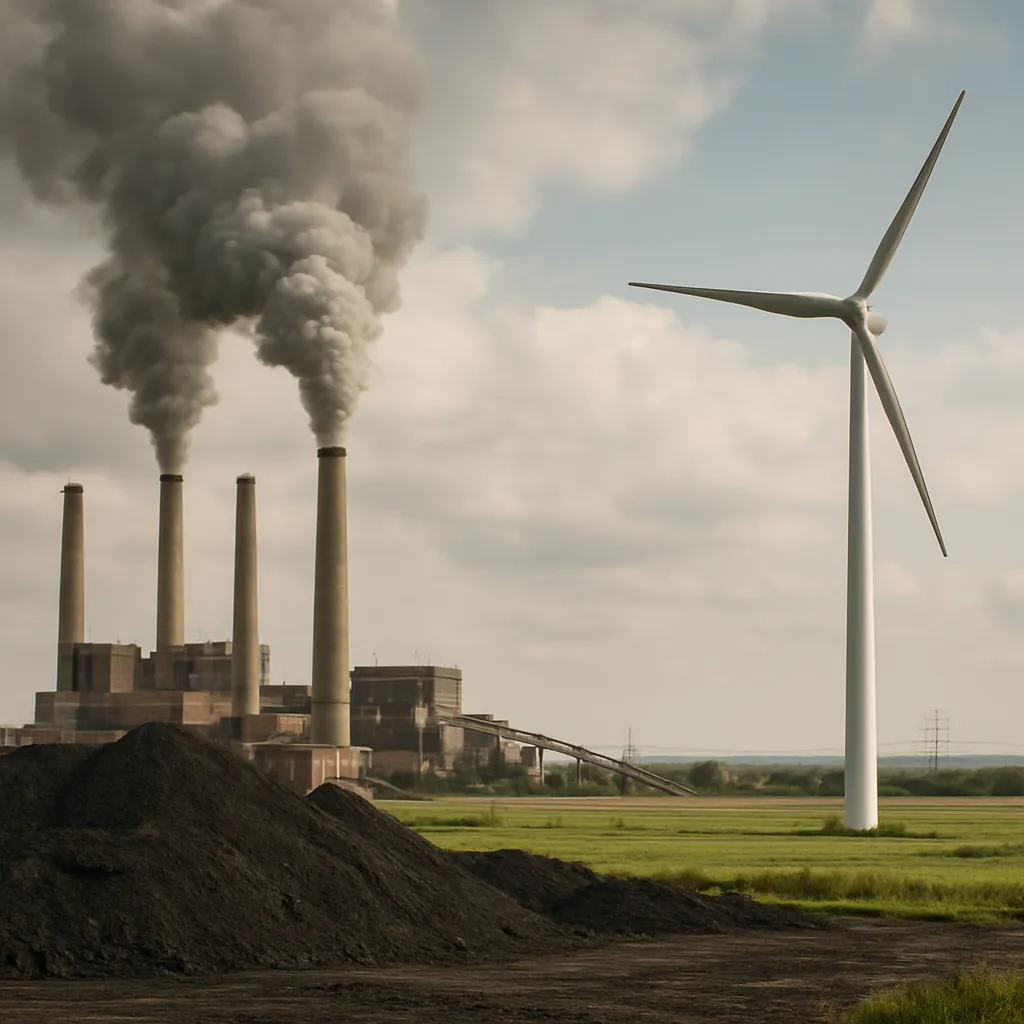
Coal remains at the heart of many debates on the future of energy. Its abundant reserves and established infrastructure have shaped industrial growth for centuries, even as concerns over carbon footprints intensify. Understanding the multifaceted role of coal—from power generation to steel making—is essential to grasp the complexities of the ongoing global energy transition.
Historical Context and Evolution of Coal Use
Origins of Industrial Growth
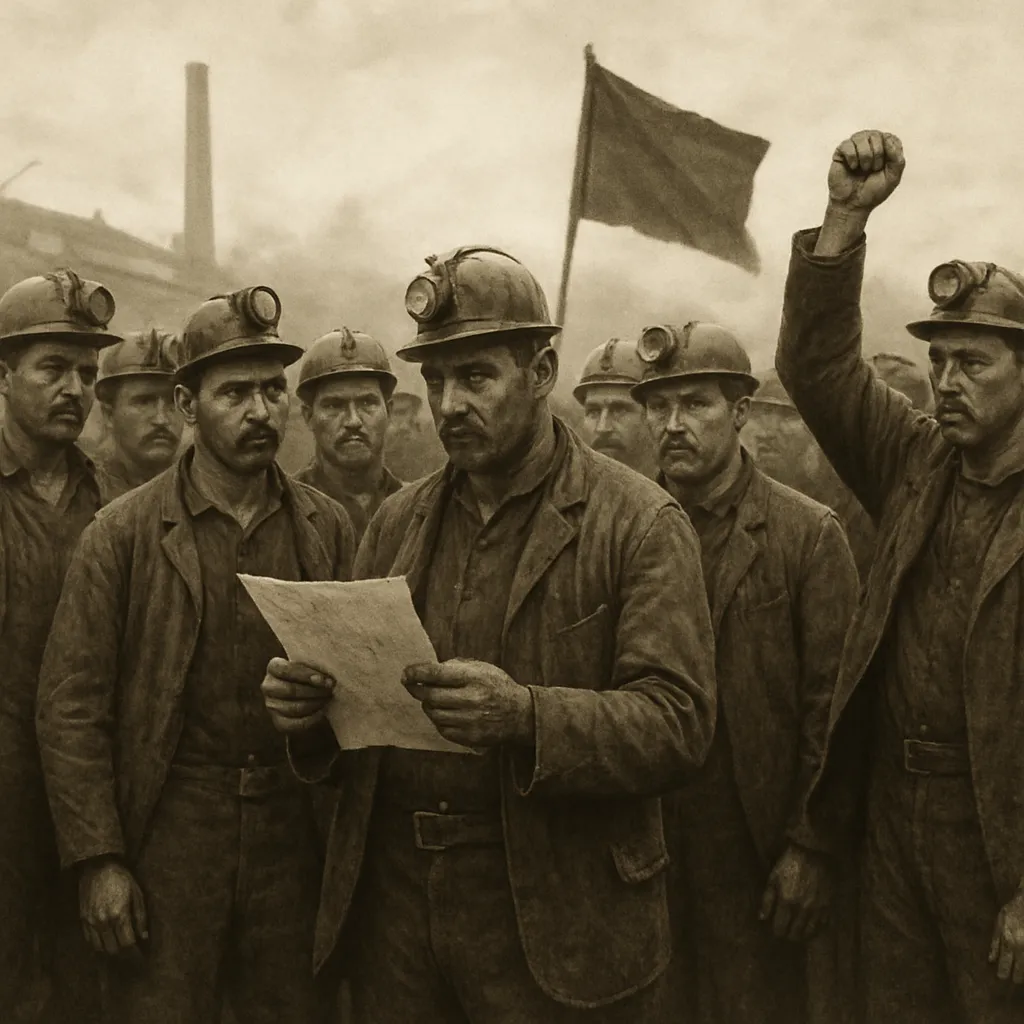
During the 18th and 19th centuries, coal powered the furnace of the Industrial Revolution. Black-ductile deposits of thermal coal fueled steam engines, transformed transportation, and provided heat for urban populations. Regions rich in coal—like the Ruhr Valley, Appalachia, and Shanxi province—grew into economic hubs. The reliance on this resource shaped not only factories and railroads, but also demographics and labor markets. Even today, many power plants, steel mills, and chemical complexes reflect this heritage.
Shifts in Market Dynamics
Over the decades, shifts in policy, geopolitics, and technological breakthroughs influenced how coal is traded and consumed. Key turning points include:
- Post-World War II reconstruction driving demand in Europe and Japan.
- Oil crises of the 1970s elevating interest in indigenous coal reserves.
- Rise of natural gas and renewables challenging coal’s market share.
- Regulatory measures targeting emissions incentivizing cleaner energy.
Even as newer fuels gained traction, coal mining techniques evolved—from deep shaft methods to surface mining and longwall extraction—ensuring supply stayed competitive in many regions.
Coal’s Current Role in Energy Systems
Balancing Supply and Demand
Today, coal accounts for roughly 30% of global electricity generation. Major consumers include China, India, the United States, and Australia, each with unique market drivers:
- China invests heavily in both metallurgical coal for steel and thermal coal for power.
- India balances rapid economic growth with domestic coal production limits.
- The United States sees regional variation: coal remains strong in the Midwest but recedes in regions rich in shale gas.
- Australia exports high-quality coal to Asia, shaping global price dynamics.
Price volatility can be significant, influenced by freight rates, currency fluctuations, and shifting investments towards cleaner alternatives. However, existing plants and long-term supply contracts tend to stabilize regional markets.
Environmental and Policy Challenges
Coal’s carbon intensity poses a major hurdle to global sustainability goals. Key challenges include:
- High CO₂ emissions compared to gas and renewables.
- Air pollutants such as SO₂, NOₓ, and particulates affecting public health.
- Water usage and mining impacts on ecosystems and local communities.
- Regulatory uncertainty: carbon pricing, emissions trading systems, and national targets vary widely.
Despite mounting pressure, some governments view coal as essential to energy security and social stability. In regions with limited grid flexibility, existing coal plants offer reliable baseload power that complements variable renewables.
Innovation and Future Prospects
Advances in Clean Coal Technology
Efforts to decarbonize coal focus on carbon capture, utilization, and storage (CCUS) and high-efficiency low-emission (HELE) plants:
- Ultrasupercritical and advanced ultra-supercritical boilers improve thermal efficiency, cutting per-kilowatt emissions.
- Integrated gasification combined cycle (IGCC) converts coal to synthetic gas, facilitating CO₂ removal.
- Post-combustion carbon capture retrofits enable existing stations to trap up to 90% of CO₂ output.
- Emerging research on mineralization and geological sequestration promises permanent CO₂ storage.
While costs remain higher than conventional plants, increasing carbon prices and policy incentives are closing the gap. Demonstration projects in Canada, Europe, and Asia aim to prove commercial viability by the late 2020s.
Geopolitical and Economic Considerations
Coal is not only an energy source—it’s a strategic commodity. Nations with abundant reserves enjoy:
- Leverage in international energy markets, affecting global supply chains.
- Job creation and regional development benefits from mining and transport sectors.
- Opportunities to invest in downstream processing, such as coal-to-liquids and chemicals.
At the same time, reliance on coal can expose economies to stranded-asset risks as the world shifts toward low-carbon frameworks. Balancing investments in new mines versus diversifying into renewables and storage technologies is a critical strategic decision.
The path ahead for coal is neither linear nor uniform. While some regions accelerate phase-outs, others reinforce coal’s role with cleaner technologies. As stakeholders debate security, affordability, and environmental responsibility, coal will continue to feature prominently in energy discussions.