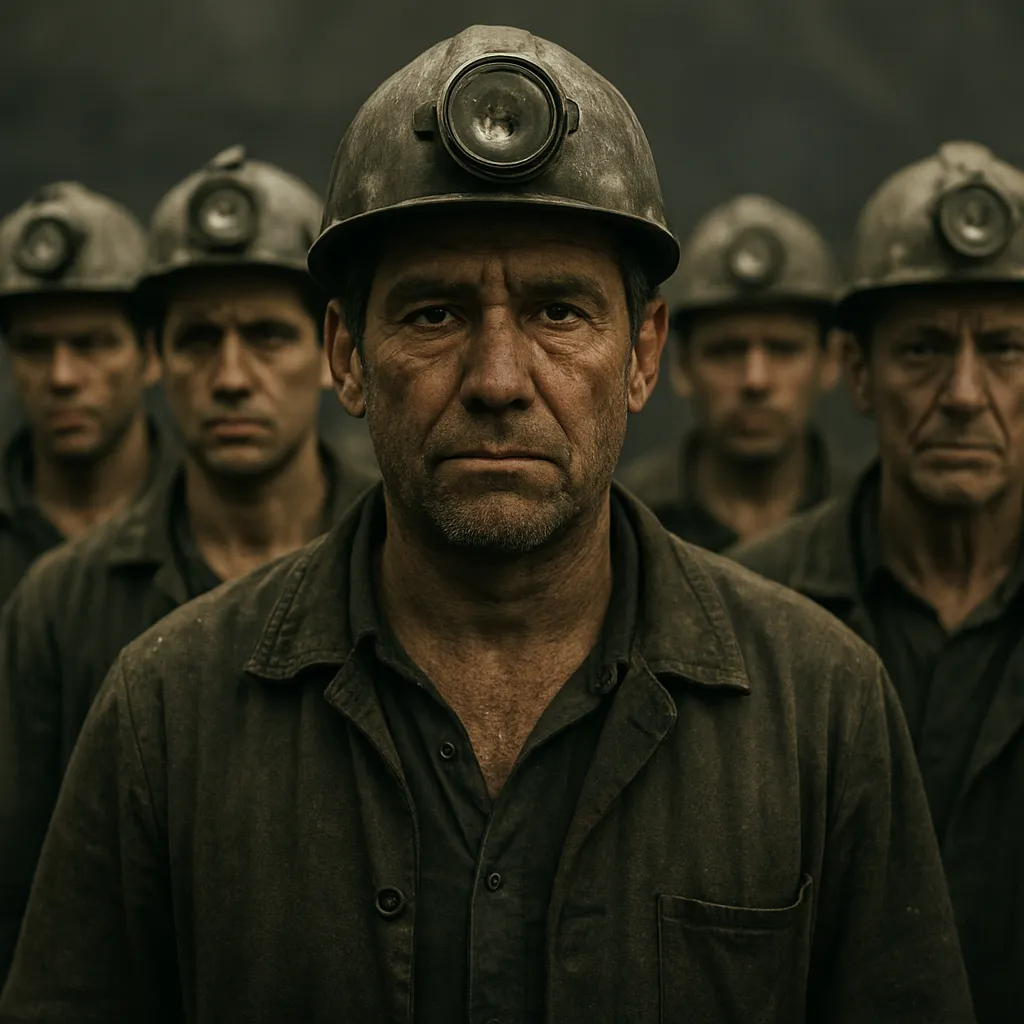
The global energy landscape has long been shaped by the enduring presence of coal. While many nations pursue rapid decarbonization, China continues to rely heavily on this abundant resource. This article explores key factors that sustain coal’s prominence in China, examines the dynamics of its stockpile management, and delves into the complex interplay of economic, environmental, and geopolitical forces. By unpacking these themes, we aim to shed light on why this traditional fuel remains a cornerstone of Chinese power generation.
Resilience of Coal in China’s Energy Mix
Historical Foundations and Capacity Expansion
China’s coal-fired power infrastructure has been built over decades of rapid industrialization. Early investments in large-scale plants established a robust backbone for electricity generation. Despite global trends toward renewables, existing coal facilities benefit from decades of depreciation schedules, regulatory approvals, and grid integration studies. Retrofitting and upgrading these plants often costs less than decommissioning them outright, thereby reinforcing coal’s ongoing role in meeting peak demand.
Ensuring Energy Security
One of the driving imperatives behind continued coal use is energy security. Domestic coal reserves provide a buffering effect against volatile international markets. Compared to imports of oil and natural gas, domestic coal production carries fewer risks related to geopolitical tensions or supply chain disruptions. In an environment where stable power supply is crucial for economic growth, coal offers a reliable, dispatchable source of baseload energy.
Grid Flexibility and Reliability
- Coal-fired plants deliver high capacity factors, often exceeding 60–70% operational uptime.
- Fast-ramping coal technologies improve response to demand fluctuations.
- Integration with smart grid initiatives allows for more efficient load balancing.
These technical advantages underpin coal’s resilience as renewable penetration increases but intermittent output remains a challenge.
Coal Reserves, Stockpiles, and Trade Dynamics
Abundant Domestic Reserves
China ranks among the top countries globally for proven coal reserves. Key mining regions such as Shanxi, Inner Mongolia, and Shaanxi account for a majority of output. While high-quality anthracite is less abundant, substantial sub-bituminous and bituminous deposits ensure sustained supply. Mining companies leverage advanced mechanization and seam recognition technologies to optimize resource extraction.
Strategic Stockpiling
Government policy mandates central and provincial authorities to maintain strategic stockpile thresholds. These reserves act as a safeguard against short-term production shortfalls or transport bottlenecks. Stockpiling policies reflect lessons learned from past winter supply crises. By maintaining several weeks of consumption within coal yards and port facilities, provinces reduce the risk of power cuts during extreme weather or logistical disruptions.
International Trade Balances
Despite self-sufficiency goals, China imports both thermal and metallurgical coal to meet quality demands for certain industrial processes. Trade flows from Australia, Indonesia, and Russia bolster regional supply chain diversity. However, import tariffs, environmental criteria, and shipping constraints influence annual trade volumes. China’s dual approach—mixing domestic output with targeted imports—allows for cost optimization and quality control.
Economic and Environmental Considerations
Cost Competitiveness
From a levelized cost of electricity perspective, coal often remains cheaper than many alternatives when full life-cycle expenses are accounted for. Capital expenditures for new greenfield coal plants may be high, but amortized over 30–40 years, the per-megawatt cost remains attractive. Meanwhile, ongoing operational expenses benefit from mature supply networks and economies of scale in coal logistics.
Emissions Control and Clean Coal Technologies
Environmental pressures have spurred investments in advanced emissions reduction. Emissions of sulfur oxides (SOx), nitrogen oxides (NOx), and particulate matter are addressed through flue gas desulfurization, selective catalytic reduction, and electrostatic precipitators. Pilot projects in carbon capture and storage (CCS) aim to mitigate carbon dioxide output, although widespread deployment remains costly. These clean-coal technologies illustrate how policymakers and utilities balance air quality targets with continued reliance on coal.
Social Impacts and Regional Development
Coal mining and power generation underpin economic activity in remote provinces. Millions of jobs are tied to extraction, rail transport, and plant operations. Transitioning too rapidly away from coal risks social and economic dislocation. Governments thus pursue phased approaches that include workforce retraining programs and local investments in alternative industries to preserve livelihoods and maintain social stability.
Future Outlook and Market Dynamics
Gradual Transition Strategies
China’s long-term climate goals envision peaking carbon emissions before 2030 and achieving carbon neutrality by 2060. In the interim, coal remains integral to bridging the gap between current baseload needs and the aspirational capacity of renewables. Hybrid power parks combining coal, solar, and wind assets are under evaluation to smooth variable output and leverage existing grid links.
Innovation in Infrastructure
Upgrades to transmission corridors—particularly ultra-high-voltage (UHV) lines—enhance the reach of remote renewable resources. Nevertheless, new coal plants continue to secure approvals when paired with commitments to higher efficiency standards and lower pollutant output. Strategic modernization of aging units through supercritical and ultra-supercritical boilers delivers incremental performance gains and reduces emissions intensity.
Global Investment and Financial Trends
International financiers are increasingly cautious about backing coal projects. Yet domestic banks and state-owned enterprises remain willing to extend capital given the national priority on energy resilience. Meanwhile, China’s Belt and Road Initiative funds coal power developments abroad, exporting both technology and project-finance models to nations with growing electricity needs.
Balancing Act Ahead
As China stands at the intersection of growth, environmental stewardship, and geopolitical strategy, coal’s future hinges on the ability to reconcile these sometimes competing objectives. The interplay of policy incentives, market forces, and technological breakthroughs will determine whether coal’s dominant chapter extends or eventually gives way to cleaner alternatives.