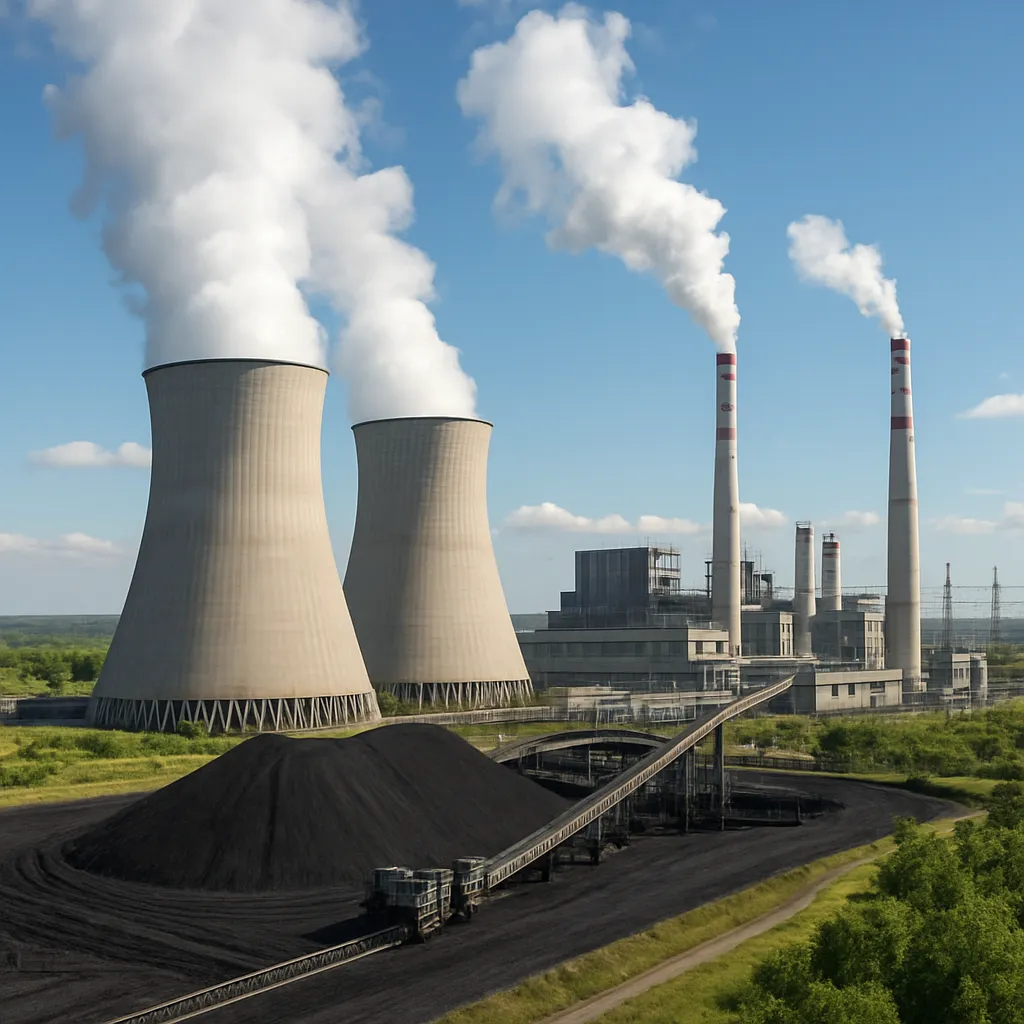
The Future of Coal Power Plants in a Net-Zero World
The energy landscape is undergoing a profound transformation as nations strive for a net-zero future. Rising concerns about emissions from fossil fuels have sparked debates on the role of coal…


How Space Technology Is Being Used to Monitor Coal Emissions
The global energy landscape remains intricately linked to the centuries-old resource of coal, even as markets evolve and environmental pressures mount. From geological formation to its influence on modern financial…


Super-low-volatile coal
Super-low-volatile coal is a specialized, high-rank form of coal valued primarily for its high fixed carbon content, low volatile matter, and strong performance in metallurgical and high-temperature industrial applications. This…


De-watered coal
De-watered coal is not a distinct geological variety but a processed form of coal with significantly reduced water content. It plays a growing role wherever low-rank coals (high moisture, low…


Why Japan Still Relies on Coal Power Despite Climate Goals
Japan’s enduring dependence on coal power reflects a complex interplay of economic imperatives, energy security concerns, and evolving market dynamics. While the nation has publicly committed to aggressive emissions reductions…

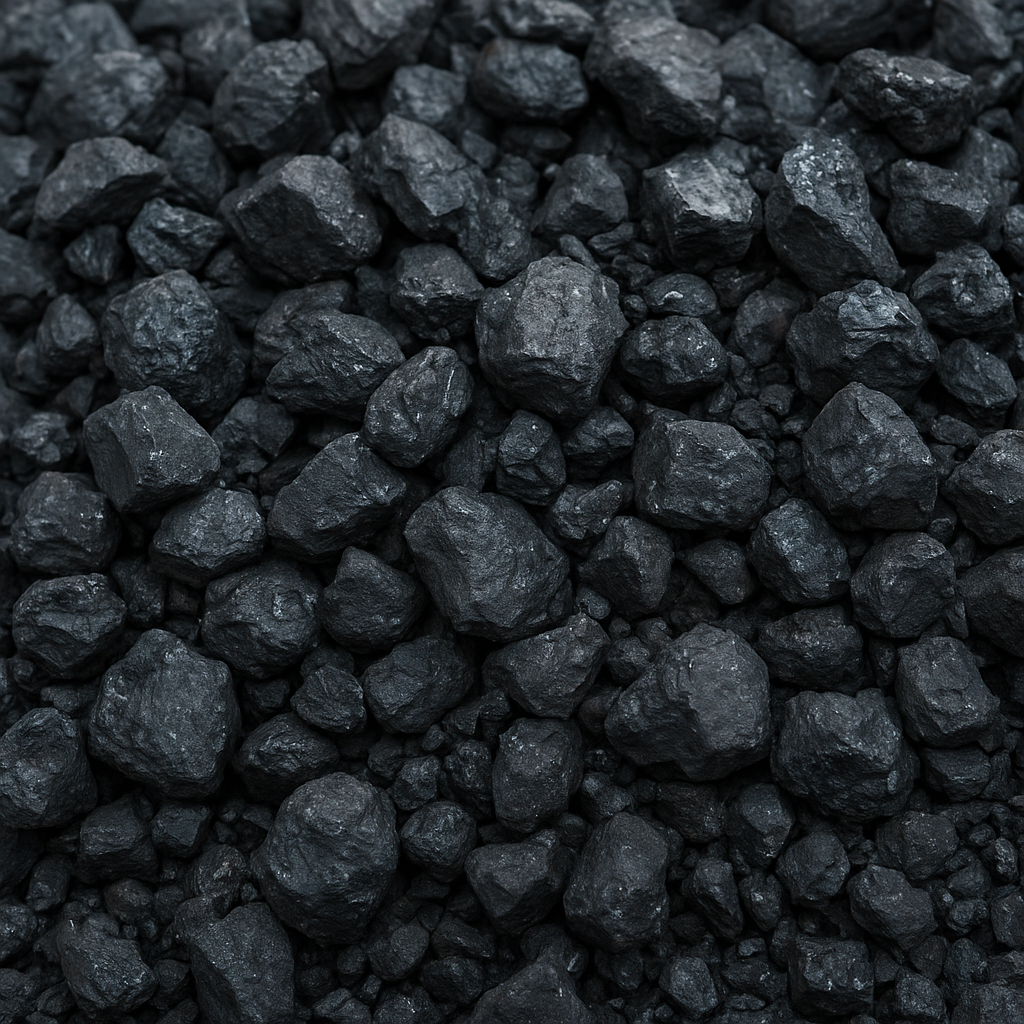
Low-BTU coal
This article examines the characteristics, occurrences, extraction, economic roles and industrial importance of low-calorific-value coal—commonly referred to as low-BTU coal. It presents geological and geographical contexts, outlines the technological and…


The Future of Coal in the Global Hydrogen Economy
The enduring role of coal in global energy systems is at a crossroads as the world accelerates towards a low-carbon future. While renewable sources like wind and solar expand rapidly,…

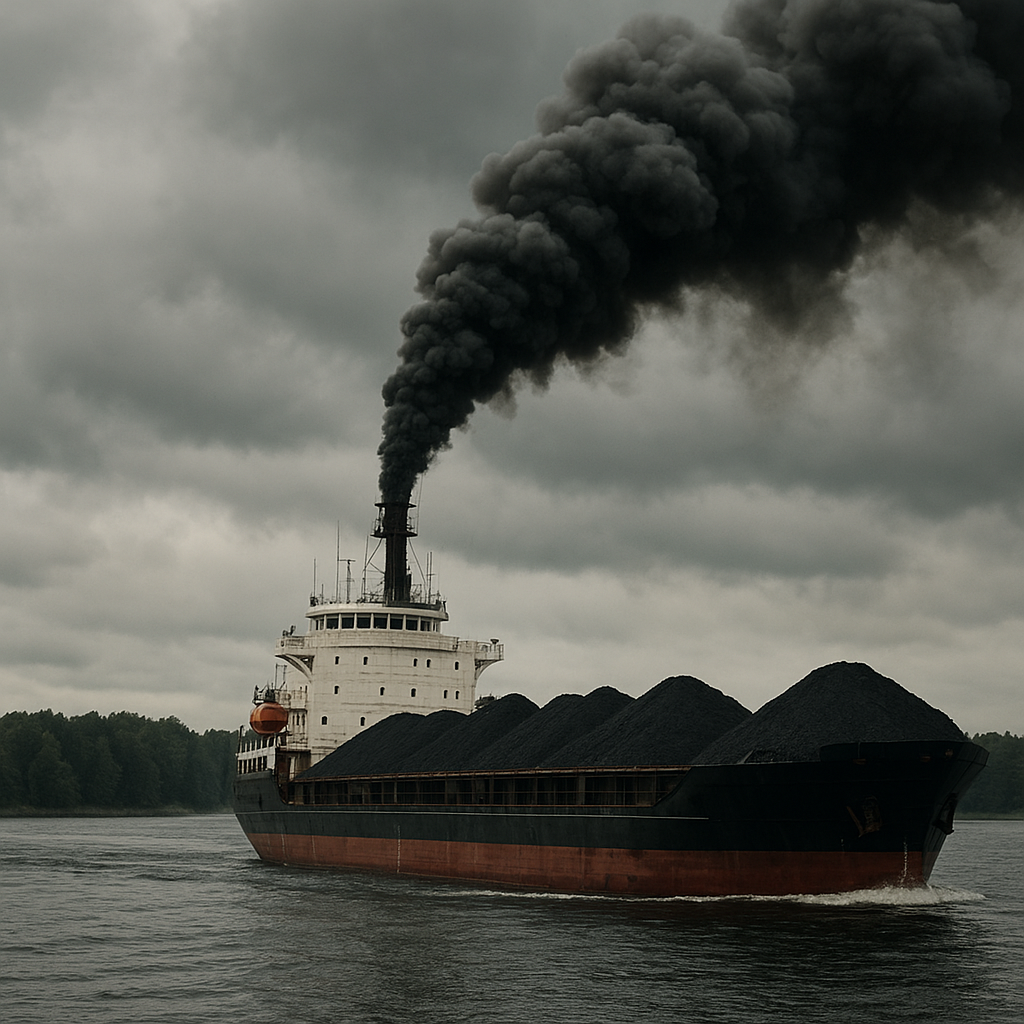
The Environmental Footprint of Coal Shipping
The extraction and distribution of coal have shaped industrial progress for centuries, but the consequences of this reliance extend far beyond power generation. From the formation of colossal stockpiles at…

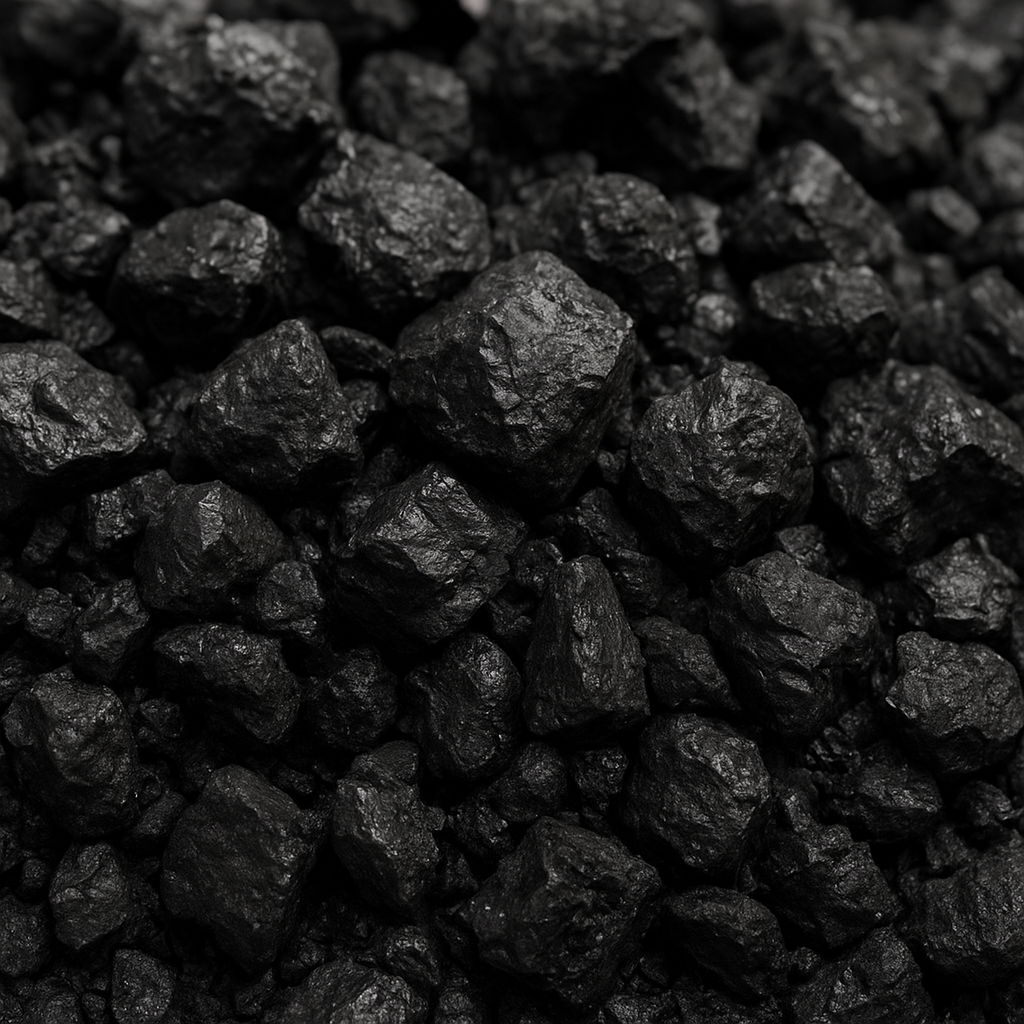
Hydrothermal carbonized coal
Hydrothermal carbonized coal (often referred to as hydrochar when produced from biomass, or as hydrothermally upgraded coal when applied to low-rank coals) is a product of a wet, moderate-temperature thermochemical…

Super-clean coal
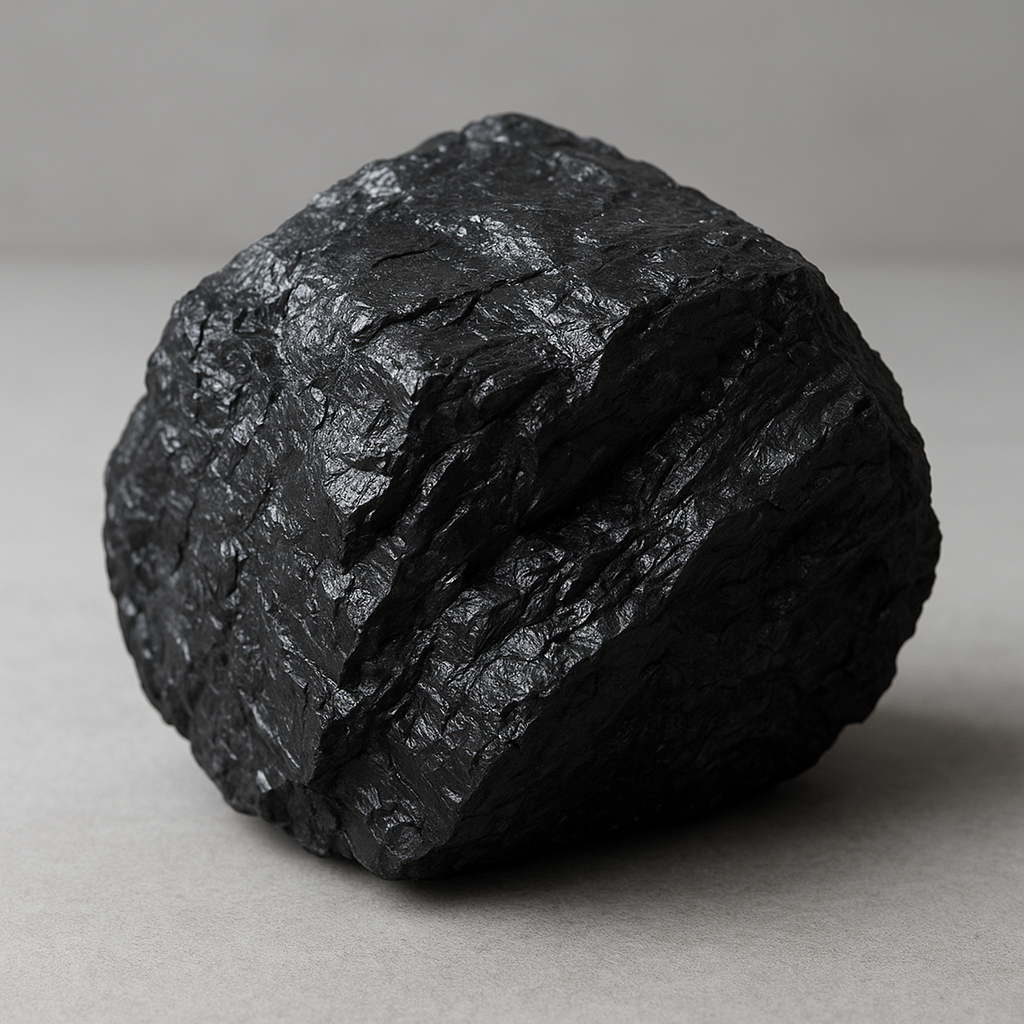
Super-clean coal refers to coal that has been processed and treated to have very low levels of impurities and emissions-related constituents, or to naturally occurring high-grade coal that inherently contains…
