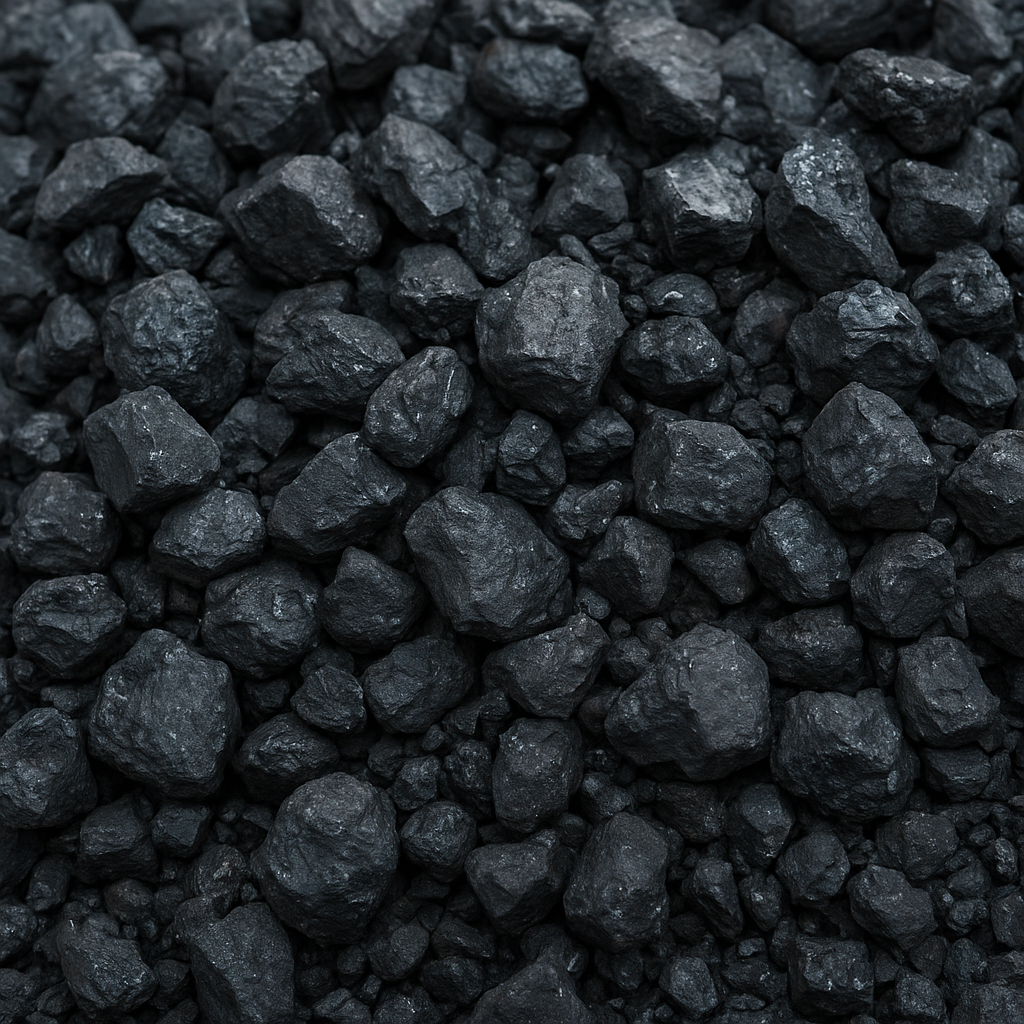
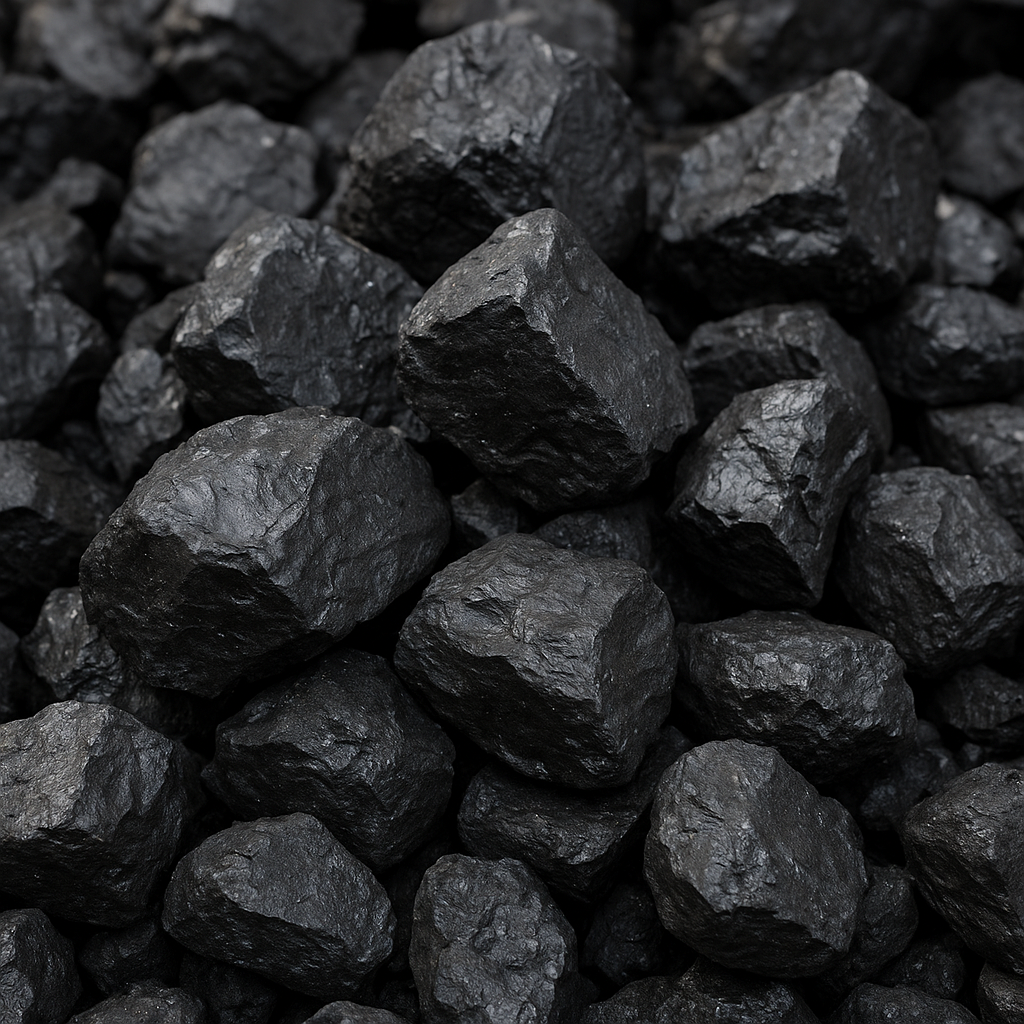
This article examines the use of coal as a feedstock for producing syngas — a mixture of primarily carbon monoxide and hydrogen — addressing its geological occurrence, extraction regions, industrial applications, economic significance, environmental challenges and technological considerations. The discussion covers the types of coal best suited for gasification, the global distribution of coal resources and mining activity, statistical context for production and trade, and the evolving role of coal-derived syngas in a changing energy and chemical landscape.
Coal as a Feedstock: Properties, Types and Gasification Chemistry
Coal is a complex, heterogeneous organic rock composed largely of carbon, hydrogen, oxygen, nitrogen and mineral matter (ash). As a feedstock for gasification and hence syngas production, coal’s suitability depends on rank and composition. Important coal ranks include anthracite, bituminous, sub-bituminous and lignite. Each rank has different calorific value, moisture content, volatile matter and ash characteristics, which affect gasifier design and operational performance.
Key coal properties that influence gasification
- Fixed carbon — higher fixed carbon generally increases energy density and syngas yield per tonne.
- Volatile matter — influences devolatilization behavior and tar formation; coals with higher volatile content can produce more tars and condensable organics.
- Ash content and composition — determines slagging, fouling and the need for ash handling; high silica or alumina contents influence ash fusion temperatures.
- Sulfur and chlorine — important for downstream gas cleaning because they lead to corrosive compounds and catalyst poisoning.
- Moisture — low-rank coals (lignite, sub-bituminous) have high inherent moisture which reduces thermal efficiency unless pre-dried.
- Reactivity — how readily the coal reacts with oxygen, steam and carbon dioxide under gasification conditions; this affects temperature and residence time requirements.
Basic chemistry of coal gasification
Gasification converts carbonaceous material into syngas via partial oxidation and steam reactions at elevated temperatures. Simplified core reactions include the combustion reactions (C + O2 → CO2), partial oxidation (C + 1/2 O2 → CO), the water–gas reaction (C + H2O → CO + H2) and the water–gas shift (CO + H2O ↔ CO2 + H2). Reaction conditions (temperature, pressure, oxidant type — air, oxygen or steam) and coal composition determine syngas composition (CO:H2:CO2:N2). Using pure oxygen yields a higher-calorific syngas and avoids large nitrogen dilutions typical of air-blown gasifiers.
Global Occurrence and Major Coal-Producing Regions
Coal is one of the most widely distributed fossil fuels, with economically recoverable deposits found on every continent except perhaps some polar extremes. The largest producers and exporters of coal are concentrated in a relatively small number of countries and mining regions, which also shape the supply of coal available as feedstock for gasification and coal-to-chemicals plants.
Major coal-producing countries and basins
- China — the world’s largest producer and consumer; major basins include Shanxi, Shaanxi, Inner Mongolia and Heilongjiang. China supplies a broad range of coal ranks and has extensive coal-to-chemicals and coal-to-liquids programs.
- India — large reserves concentrated in Jharkhand, Chhattisgarh, Odisha and West Bengal; India uses coal extensively in power and in coal gasification for fertilizers and chemicals.
- United States — significant production from the Powder River Basin (Wyoming, Montana) with low-rank sub-bituminous coal, as well as Appalachian and Illinois Basin bituminous coals.
- Australia — major exporter of high-quality thermal and coking coals from Bowen Basin, Hunter Valley and other basins; Australian coal is important for global metallurgical and thermal markets.
- Indonesia — large production of sub-bituminous coal from Kalimantan and Sumatra; a major exporter to Asia.
- Russia — sizable reserves in Kuzbass (Kemerovo), eastern Siberia and other regions; range of ranks from lignite to bituminous.
- South Africa — important bituminous coal reserves used domestically for power and by industrial gasification-to-liquids operations (e.g., Secunda).
- Poland and other European coal-producing regions — historically significant for domestic industry and power generation, though production has declined in some countries.
Proved and economically recoverable reserves are large — on the order of hundreds of billions to over a trillion tonnes globally — providing many decades of supply if current consumption patterns were maintained. However, distribution is uneven and factors such as logistics, rail and port capacities, local policy and environmental regulation shape the real availability of specific coals for gasification projects.
Industrial Uses of Syngas from Coal and Economic Significance
Coal-derived syngas is a flexible intermediate that can be converted into a variety of valuable products. The classic industrial uses span chemical synthesis, fuels and power generation:
- Methanol production — syngas can be catalytically converted to methanol, a base chemical for plastics, solvents and chemical intermediates.
- Hydrogen production — gasification yields hydrogen-rich streams that can supply refineries, ammonia synthesis for fertilizers or hydrogen markets.
- Fischer-Tropsch synthesis — coal-to-liquids (CTL) pathways convert syngas into synthetic hydrocarbons, including diesel and naphtha. This route has been historically important where crude oil is scarce but coal abundant (e.g., South Africa).
- Synthetic natural gas (SNG) — methanation of syngas creates pipeline-quality gas for heating and power.
- Integrated gasification combined cycle (IGCC) — using syngas to drive gas turbines for power generation with higher thermal efficiency than conventional coal-fired plants and potential for carbon capture integration.
Economic drivers and market dynamics
The economics of coal-to-syngas pathways depend on several interacting factors: feedstock cost and proximity, capital expenditure (gasifiers and downstream synthesis plants are capital-intensive), access to markets for products (chemicals, fuels, hydrogen), and regulatory or fiscal treatment (taxes, carbon pricing, subsidies). Regions with cheap, abundant coal and constrained oil or gas supplies have historically favored CTL and coal-to-chemicals investments. Examples include South Africa (Sasol) and China’s large coal-to-chemicals industry. Many projects have high upfront investment and long payback horizons, making them sensitive to commodity price swings and policy risk.
Statistical Context: Production, Trade and Consumption
Coal remains a major global commodity. In recent years, annual global primary coal production and consumption have been measured in the order of several billion tonnes. While absolute figures vary year-to-year depending on energy demand and policy, the following general patterns have been persistent:
- Global coal production has been on the order of roughly 7–8 billion tonnes per year in the late 2010s and early 2020s, with variation by year due to economic cycles and policy interventions. China accounts for a very large share — often estimated at around half of global production.
- Coal continues to be a dominant fuel for electricity generation in many countries and provides a substantial share of primary energy in emerging economies.
- International trade flows are concentrated: major exporters include Australia, Indonesia, Russia and the United States; major importers include China, India, Japan, South Korea and some European countries.
- Within coal use, a substantial share is for power generation; a distinct but smaller share is metallurgical (coking) coal for steelmaking, and an even smaller but strategically significant portion is used as feedstock for coal-to-chemicals and synfuels.
Exact numbers change annually and are reported by agencies such as the International Energy Agency (IEA), national statistical offices and trade bodies. The key takeaway for syngas feedstock context is that there is a large, geographically concentrated supply of coal globally, providing a robust resource base for gasification projects where economic and policy conditions are favorable.
Technical and Operational Considerations for Coal Gasification
Designing and operating a coal gasification plant requires careful attention to coal characteristics and gasifier technology. The principal gasifier technologies include fixed-bed, fluidized-bed and entrained-flow gasifiers, each with trade-offs:
- Fixed-bed (moving bed) gasifiers — robust for certain coals, typically produce lower tar levels but have lower throughput and may be limited in scale.
- Fluidized-bed gasifiers — suitable for a range of coal ranks and offer good mixing and heat transfer; they can handle feedstocks with higher ash and moisture to some extent.
- Entrained-flow gasifiers — operate at high temperatures and produce a tar-free syngas with high carbon conversion; they typically require finely pulverized, low-ash feed and may use oxygen rather than air.
Key operational challenges:
- Ash management — slagging and removal are critical for entrained-flow systems; ash chemistry must be compatible with the gasifier’s operating temperatures.
- Feedstock preparation — drying, grinding and sometimes briquetting or pelletizing are required to achieve consistent feed characteristics.
- Gas cleaning — particulates, sulfur species, mercury, nitrogen compounds and tars must be removed for catalytic synthesis processes and to protect turbines or catalysts.
- Integration with downstream synthesis (e.g., methanol, FT) often necessitates precise syngas composition control (H2/CO ratio) and robust shift/water–gas shift and CO2 removal systems.
Environmental and Regulatory Considerations
Coal gasification offers some environmental advantages relative to conventional coal combustion, such as easier capture of concentrated CO2 streams (since syngas processing and shift reactors produce relatively concentrated CO2) and the potential for lower pollutant emissions if gas cleaning is effective. However, significant environmental challenges remain:
- CO2 emissions — without carbon capture and storage (CCS), coal gasification pathways still have high life-cycle greenhouse gas emissions compared to low-carbon alternatives.
- Local pollutants — sulfur, nitrogen oxides and particulates can be controlled but require investment in gas cleanup.
- Water use — some gasification processes and downstream synthesis require significant water, an important constraint in water-stressed regions.
- Land and mine impacts — mining and waste streams from ash and slag must be managed responsibly.
The economics of integrating CCS with coal gasification are challenging: CCS can substantially reduce lifecycle CO2 but increases capital and operating costs. Policy mechanisms such as carbon pricing, credits for low-carbon hydrogen or direct subsidies may be decisive in determining future investment. Co-gasification with biomass or waste feedstocks is also proposed to reduce net carbon intensity.
Notable Industrial Examples and Historical Projects
There are several notable historical and contemporary projects that illustrate the range of coal-to-syngas uses:
- Sasol (South Africa) — long-standing operations converting coal to liquid fuels and chemicals via gasification and Fischer-Tropsch synthesis; a benchmark example of large-scale CTL integration.
- Great Plains Synfuels Plant (North Dakota, USA) — gasification of lignite for synthetic natural gas (SNG) and fertilizer feedstock, with experience in CO2 capture and enhanced oil recovery (EOR) use.
- China’s coal-to-chemicals industry — multiple large plants producing methanol and other chemicals from coal-derived syngas; China has pursued CTL and coal-to-chemicals to diversify energy and chemical supplies.
- Commercial IGCC plants — several integrated gasification combined cycle facilities have operated around the world, demonstrating higher efficiency and lower local emissions than comparable coal plants, though economic performance has been mixed in some cases.
- Not all projects have succeeded — high-profile difficulties (e.g., cost overruns, technology challenges, market conditions) have led to cancellation or restructuring of some large-scale coal gasification initiatives, illustrating commercial risk.
Market Trends, Policy Drivers and Future Prospects
The future role of coal as a syngas feedstock will be shaped by a complex set of drivers:
- Climate policy and carbon pricing — stringent CO2 constraints favor low-carbon alternatives; coal gasification must adopt CCS or co-feed biomass to remain viable under strong climate policies.
- Demand for hydrogen and low-carbon chemicals — growing interest in hydrogen for industry and transport can create markets for hydrogen produced from gasified coal if paired with CCS (“blue hydrogen”), but low-carbon hydrogen from electrolysis (green hydrogen) competes increasingly as renewables costs fall.
- Energy security and diversification — resource-rich countries may persist with coal-to-syngas strategies to reduce dependence on oil and gas imports.
- Technological innovation — advances in gasifier design, catalytic routes, sorbents for sulfur and CO2 removal, and modularization could improve economics and flexibility.
In markets where cheap coal, insufficient gas supply, and limited crude oil resources coincide, coal gasification remains an attractive route to fuels and chemicals. However, in markets with strong decarbonization policies and cheap renewable electricity, alternative pathways are eroding the competitive advantage of coal-derived syngas.
Practical Considerations for Project Developers
For investors and developers considering coal gasification projects, practical issues often determine success:
- Feedstock security — long-term contracts and proximity to mines reduce price volatility and logistic costs.
- Feedstock quality flexibility — the ability to handle a range of coal qualities increases resilience.
- Access to markets and offtake agreements — binding offtake for methanol, hydrogen, SNG or liquids is critical to secure revenue streams.
- Regulatory and permitting environment — environmental permits, water rights and community relations profoundly affect timelines and costs.
- Integration with carbon management strategies — early planning for CCS or co-feed biomass can be a strategic differentiator under tightening climate policy.
Interesting Technical and Economic Facts
- Gasification converts solid fuel into a versatile synthesis gas, enabling chemical routes that are impossible from simple combustion — a reason why coal remains relevant beyond mere power generation.
- Some gasifiers operate at pressures of tens of bar, enabling efficient downstream chemical synthesis and separation steps, but raising mechanical and capital demands.
- In regions where oil or gas prices spike, historical CTL projects have shown rapid increases in profitability; conversely, when crude oil is cheap, CTL economics weaken markedly.
- Co-gasification of coal with biomass can generate a negative or low net carbon footprint for some products if biomass is sustainably sourced and CO2 is sequestered.
Summary
Coal remains a significant and geographically concentrated resource for producing syngas, offering routes to hydrogen, methanol, synthetic fuels via Fischer-Tropsch, and other industrial chemicals. The choice of coal as feedstock depends on rank, ash and sulfur content, and logistical considerations. While the global supply base is large and well-established, the economics of coal gasification projects are capital-intensive and increasingly contingent on climate policy. Integration with emission mitigation strategies such as CCS, co-gasification with biomass and technological advances will determine whether coal-derived syngas remains a competitive industrial pathway in the coming decades.