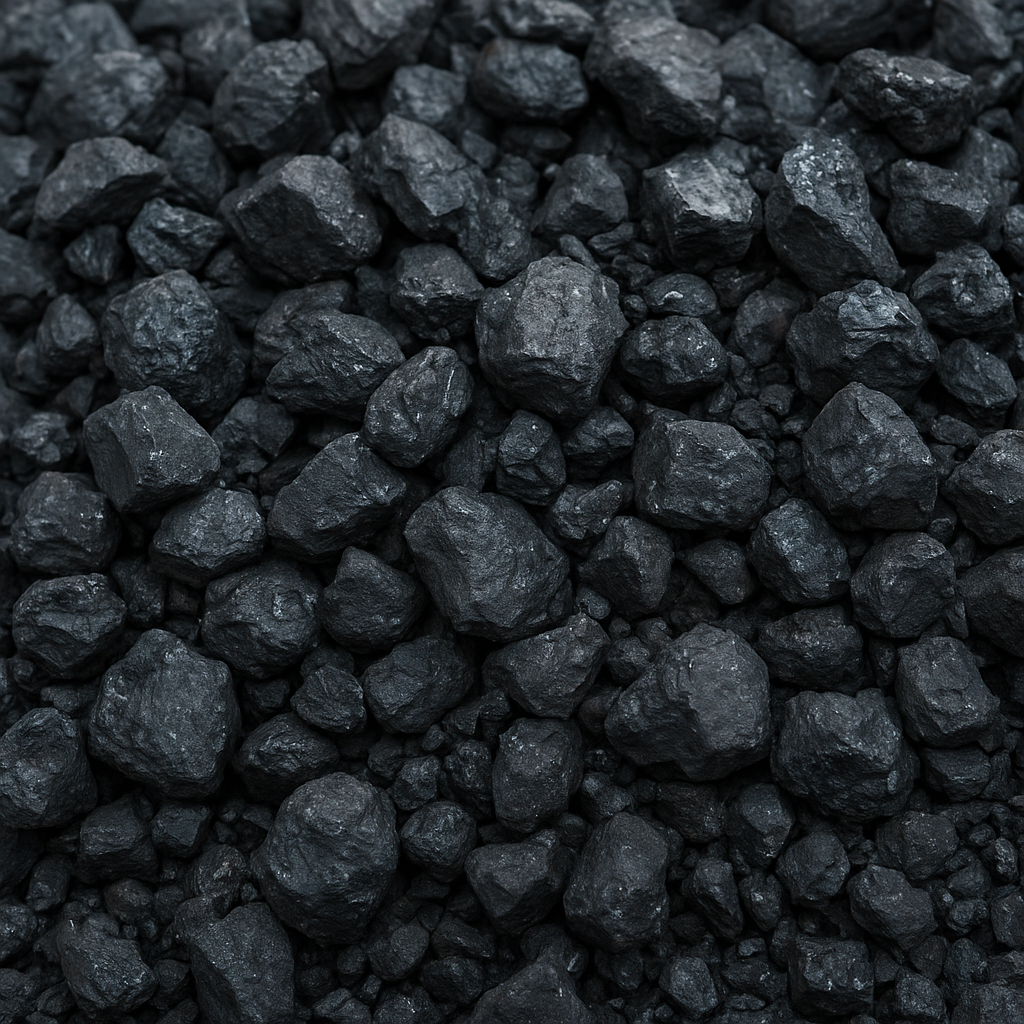
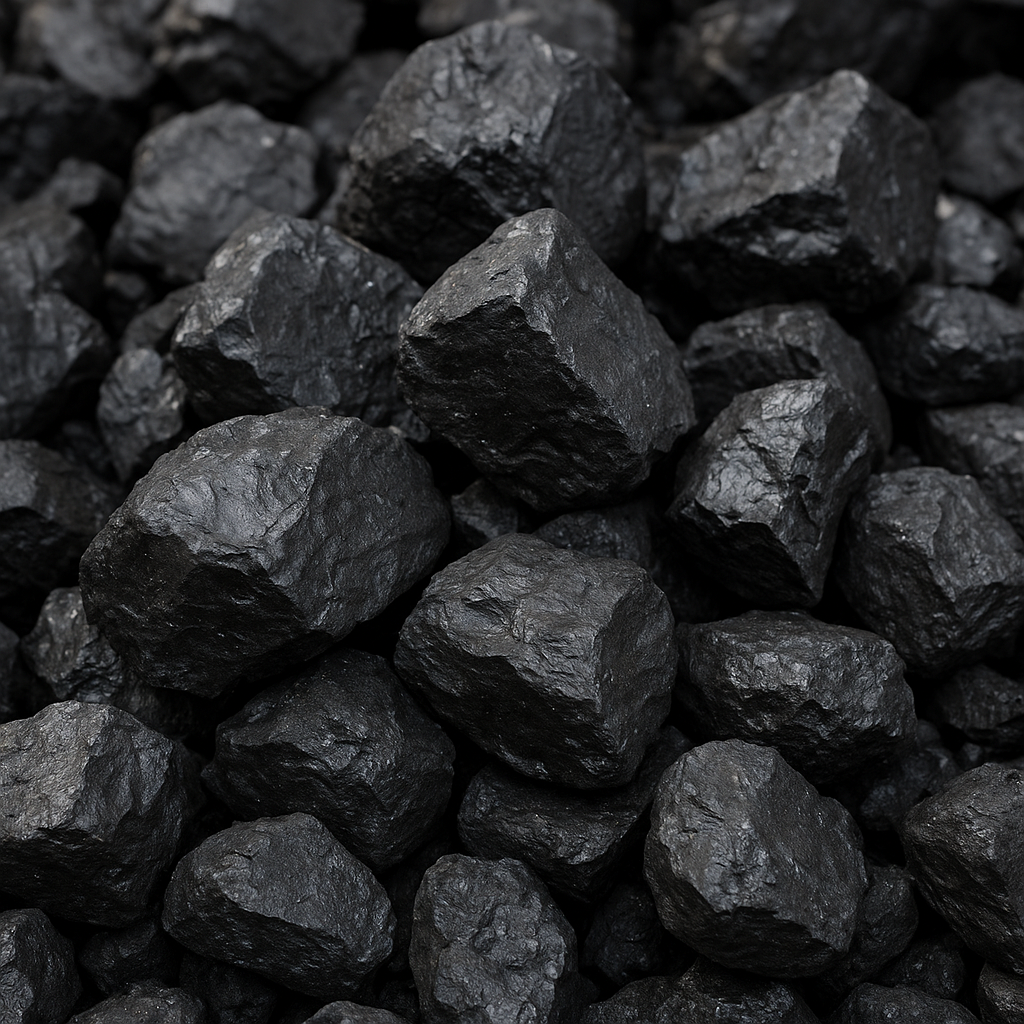
This article examines the concept commonly referred to as supercritical coal grade and, more broadly, the relationship between coal quality and the technologies known as supercritical and ultra-supercritical power plants. It explores what kinds of coal are used in advanced steam cycles, where these coals occur and are mined, economic and statistical dimensions of their markets, their role in heavy industry and power generation, and the environmental and technological factors shaping their present use and future prospects. The aim is to provide a comprehensive, technically grounded, and policy-relevant overview for professionals, students and interested readers.
Overview: What is meant by supercritical coal grade and how does it relate to power technology
The term “supercritical coal grade” is not a formal classification of coal rank in geology. Instead, it usually appears in industry contexts to describe coals that are suitable for combustion in boilers operating at supercritical or ultra-supercritical steam conditions. These boiler technologies operate above the thermodynamic critical point of water (approximately 22.06 MPa and 374°C) or at still-higher pressures and temperatures, achieving greater thermal efficiency than conventional subcritical units.
Coal rank (from lignite through sub-bituminous, bituminous to anthracite) and coal properties such as calorific value, volatile matter, ash content, sulfur, and moisture determine how well a fuel will perform in high-pressure boilers. In practice, many supercritical units are designed to burn a range of coals; however, higher-rank coals with higher calorific value and lower moisture and ash content—typically higher-quality bituminous coals—are often preferred because they yield higher combustion efficiencies and lower operational issues such as slagging and corrosion.
Coal properties important for supercritical and ultra-supercritical units
- Calorific value (gross or net calorific value): higher values translate to better thermal output per tonne.
- Ash content and composition: low ash reduces fouling and slagging and reduces ash handling costs.
- Sulfur and chlorine: lower concentrations reduce flue gas emissions of SO2 and corrosive compounds.
- Moisture and volatile matter: low moisture and appropriate volatiles improve combustion stability at high temperatures.
- Grindability and particle size distribution: influence pulverizer performance and flame stability in pulverized-coal furnaces.
Manufacturers and plant designers therefore specify fuel quality ranges for particular boiler designs; “supercritical-grade” coal in an engineering specification means the coal meets those operational windows for safe, efficient, low-maintenance operation at elevated pressures and temperatures.
Where these coals occur and where they are mined
High-quality coals suitable for supercritical operation are distributed across major coal basins worldwide. The most commercially relevant ranks for high-efficiency power and industrial uses are medium- to high-rank bituminous coals and anthracite where available; meanwhile, lower-rank coals are still used but often require drying, blending or special boiler designs.
Key producing regions
- China: The world’s largest coal producer and consumer. Chinese basins (Shanxi, Inner Mongolia, Ningxia, Shaanxi) produce a range of coals from low- to high-rank, with many domestic power plants designed to use locally available fuels. China’s extensive use of high-efficiency supercritical and ultra-supercritical units has been a major driver of demand for better-quality coals domestically.
- United States: Major basins include the Powder River Basin (PRB), Appalachian, and Illinois Basin. The PRB supplies large volumes of relatively low-sulfur sub-bituminous thermal coal used in many U.S. power plants; higher-rank bituminous coals come from Appalachia and Illinois and serve both power and metallurgical markets.
- Australia: An important source of high-quality thermal and metallurgical coals (New South Wales, Queensland). Australian coals are widely exported to Asia and are commonly used in advanced power plants and in steelmaking.
- Indonesia: Major exporter of thermal coal (mainly sub-bituminous) used extensively in power generation across Asia; Indonesian coals are often blended to meet plant fuel specifications.
- Russia and the Commonwealth of Independent States: Large reserves of various ranks; metallurgical grades are an important export commodity.
- South Africa: Diverse coal quality; important for both domestic power (Eskom fleet) and metallurgical exports.
- Other important producers include India (large domestic consumption with varied grades), Colombia (metallurgical and thermal coal exports), and Canada (metallurgical coal).
Geologically, higher-rank coals are typically found in older, deeply buried basins where increased heat and pressure during burial metamorphosed the organic matter into harder coal. Younger, shallower basins yield lower-rank, higher-moisture coals.
Mining and preparation
Coals destined for supercritical boilers may undergo additional preparation: washing to reduce ash and sulfur, blending to achieve target calorific values and volatile characteristics, and sometimes drying or beneficiation for high-moisture sub-bituminous coals. These beneficiation processes add cost but improve combustion performance and reduce emissions footprints at the power plant.
Economic and statistical landscape
Coal remains a major global commodity with complex regional markets for thermal (power) coal and metallurgical (coking) coal. While long-term demand in many OECD countries has declined due to environmental policies and fuel switching, coal still supplies a substantial share of global energy and industrial needs, particularly in Asia.
Production and consumption figures (estimates and recent trends)
- Global coal production and consumption in the early 2020s hovered around 7.5–8.5 billion tonnes per year (metric), with year-to-year fluctuations driven by economic activity, weather, and policy interventions.
- China accounted for roughly 45–55% of global coal production in that period, producing several billion tonnes per year domestically to meet its large generation and industrial demand.
- Top producers after China include India, the United States, Indonesia, and Australia, each contributing materially to global supply though with different export orientations.
- Coal’s share of global electricity generation in the early 2020s remained significant—on the order of approximately one-third to two-fifths (roughly 30–40%) of global electricity depending on the year—making coal the single largest or second-largest source of electricity generation in many markets.
Prices for thermal and metallurgical coal have been volatile: global thermal coal prices spiked in 2021–2022 due to supply/demand imbalances, then moved downwards as markets adjusted. Metallurgical coal (used for steelmaking) experienced strong prices at times due to tight coking coal markets. Export-oriented producers such as Australia and Indonesia influence regional prices in the Asia-Pacific market, while U.S. and Russian markets affect Atlantic basin pricing.
Employment and regional economies
Coal mining supports hundreds of thousands of direct jobs globally and many more indirectly. In major producing regions, coal revenue is a substantial fiscal source (royalties, taxes) and underpins local economies: towns, rail infrastructure, ports and supply chains. Transition pressures and automation have reduced mining employment per tonne in many jurisdictions, but mining remains economically critical in certain regions.
Significance in industry and power generation
Coal’s industrial importance divides largely into two streams:
- Power generation: Thermal coal fuels steam turbine plants. When burned in supercritical and ultra-supercritical units, the same fuel can generate more electricity per tonne of coal thanks to superior thermal efficiency—often 3–5 percentage points better than older subcritical plants—reducing fuel demand and CO2 emissions per MWh.
- Metallurgical industry: Coking coals are essential for steelmaking via the blast furnace route. Metallurgical coal markets are distinct and often less price-correlated with thermal coal markets.
For utilities investing in new coal capacity (a pattern that continues in parts of Asia), choosing the appropriate coal and boiler technology is a balance between capital cost, fuel availability and quality, operating flexibility, and environmental control investments. High-efficiency supercritical plants are capital-intensive but provide fuel savings and emissions-intensity reductions over their lifetimes.
Environmental challenges and technological responses
Coal is the most carbon-intensive major fossil fuel, and its use is central to debates about climate change. Key environmental issues associated with coal include CO2 emissions, SOx and NOx emissions, particulate matter, mercury and heavy metals, and land and water impacts from mining.
How supercritical technology affects environmental performance
Operating at higher pressure and temperature, supercritical and ultra-supercritical plants achieve higher thermal efficiencies, which translates into lower CO2 emissions per unit of electricity. Typical improvements might reduce CO2 intensity by a measurable percentage relative to an older subcritical plant, making retrofit or replacement with high-efficiency units one of the short-to-medium-term options to reduce carbon intensity in coal-dependent systems.
Emissions control
- Flue-gas desulfurization (FGD) systems remove SO2.
- Selective catalytic reduction (SCR) systems lower NOx.
- Particulate control (electrostatic precipitators, fabric filters) reduces PM emissions.
- Mercury control technologies (activated carbon injection) and other trace metal controls are increasingly common.
To achieve deep decarbonization consistent with ambitious climate targets, the coal industry and power sector are exploring carbon capture (pre-combustion, post-combustion, and oxy-fuel) and carbon dioxide transport and storage networks. Carbon capture integrated with supercritical plants can theoretically lower lifecycle emissions, but high capital and operating costs and the energy penalty of capture remain significant challenges.
Operational and engineering considerations
Operating supercritical boilers with variable or lower-quality coals introduces engineering complexities:
- Fouling, slagging and corrosion risks increase with certain ash chemistries and high chlorine or alkali content.
- Solid fuel variability requires flexible fuel handling, blending and control strategies to maintain flame stability and heat absorption.
- Materials selection in high-temperature, high-pressure environments demands advanced alloys and careful metallurgy to avoid creep and failure.
Consequently, designers often recommend pre-blending coals, on-line fuel quality monitoring, and complementary plant systems to maintain reliability while maximizing efficiency.
Trends, policy drivers and future outlook
The global trajectory for coal is shaped by several intersecting trends:
- Decarbonization policies and renewable energy growth are reducing coal’s share in many markets, especially in high-income countries.
- In regions with rapidly growing electricity demand—especially parts of Asia—coal remains an important transitional fuel, and demand for higher-efficiency plants and better-quality coals persists.
- Stricter air-quality regulations are driving investment in emissions-control equipment and in fuel upgrading (washing, blending) to reduce sulfur and particulates.
- Technological advances in ultra-supercritical materials and designs increase achievable efficiencies but require premium fuel specifications and higher upfront investment.
- Economic forces—coal prices, gas prices, carbon pricing mechanisms—determine competitiveness. When natural gas prices are high or natural gas supply is constrained, coal-fired generation can regain market share temporarily.
Scenario analyses by energy agencies typically show a gradual decline in coal share under deep-decarbonization pathways, with residual coal use confined to industrial processes (e.g., steelmaking), regions with constrained alternatives, or plants equipped with carbon capture and storage. Investment in supercritical and ultra-supercritical plants may continue in jurisdictions prioritizing energy security and affordability, provided financing and coal supply logistics are assured.
Interesting technical and market facts
- Supercritical boilers operate at pressures above the thermodynamic critical point of water; the transition to steam occurs without a distinct boiling phase, enabling higher cycle efficiencies.
- Ultra-supercritical plants that push temperatures above roughly 600°C and pressures above industry-standard supercritical points can achieve gross efficiencies in the low 40s (percent) in simple steam cycles—several percentage points higher than older subcritical designs.
- Blending is a practical market response: lower-grade coals are commonly blended with higher-grade coals to meet plant specifications, smoothing supply constraints and price volatility.
- While many new coal plants in advanced economies have been canceled or postponed, investments in efficiency improvements, pollution control retrofits, and mine reclamation are ongoing.
Concluding perspective
Coal that meets the operational specifications of supercritical and ultra-supercritical boilers plays a key role in current power systems where coal remains an affordable and reliable energy source. Such coals—typically higher-rank bituminous or appropriately treated lower-rank coals—enable plants to achieve better efficiency and reduced emissions intensity compared with older technologies. At the same time, climate commitments and air-quality regulations tighten the operating environment for coal; the industry’s future depends on a combination of higher efficiencies, emissions control, possible adoption of carbon capture technologies, and regional energy policy decisions.
From a supply perspective, the largest producing basins (notably in China, India, the United States, Australia and Indonesia) will continue to shape availability and prices of coals suitable for high-efficiency plants. Economically, coals for supercritical operations tend to command premiums when they reduce plant operating costs and environmental compliance costs, but market volatility and policy risk remain central uncertainties.
For stakeholders—policy makers, utility planners, miners and investors—the trade-offs are clear: investing in high-efficiency coal-fired technology and cleaner fuel supplies delivers near-term emissions and fuel-cost benefits, but long-term decarbonization objectives require complementary strategies (fuel switching, renewables, storage, grid flexibility and, where feasible, carbon capture and storage) to reduce or eliminate coal’s carbon footprint. Understanding coal quality, its geographical distribution, and the engineering requirements of supercritical systems is therefore essential to making informed decisions about energy investments and industrial strategy in the coming decades.