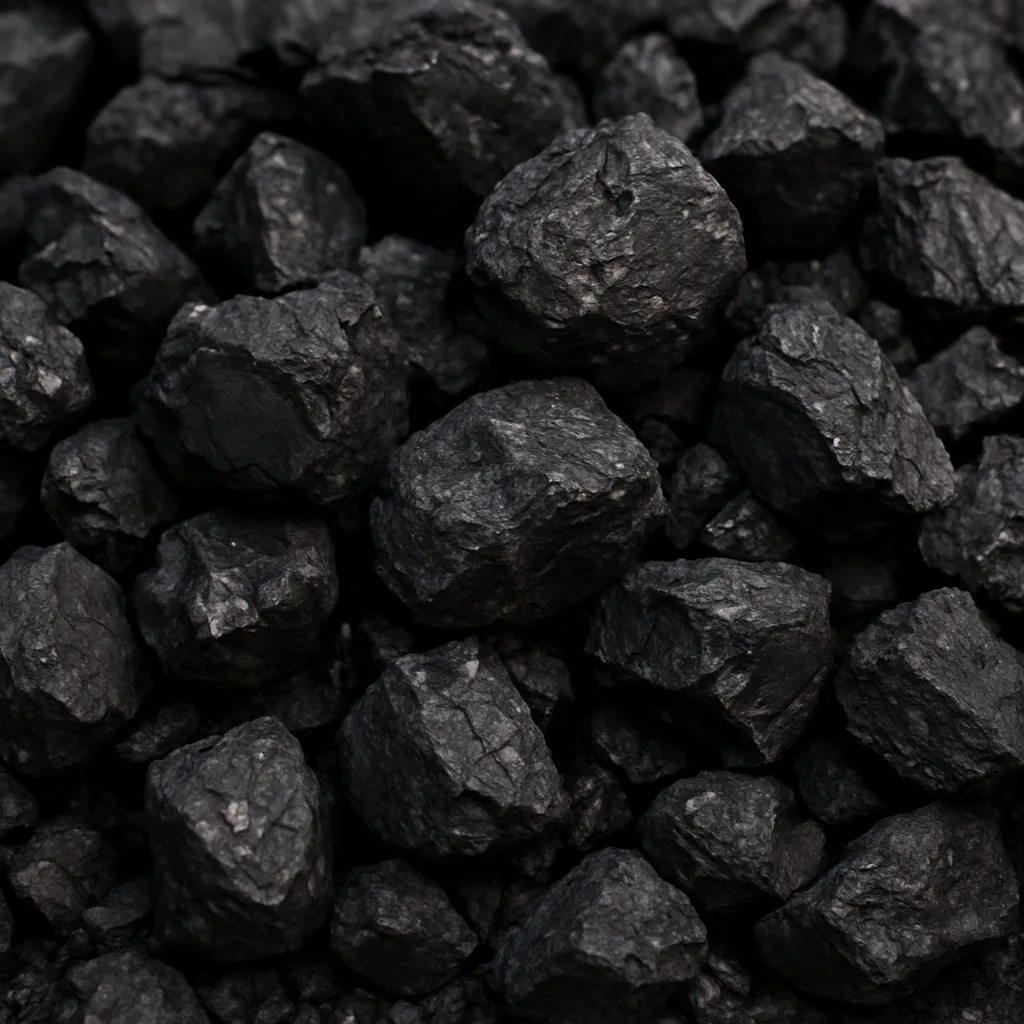
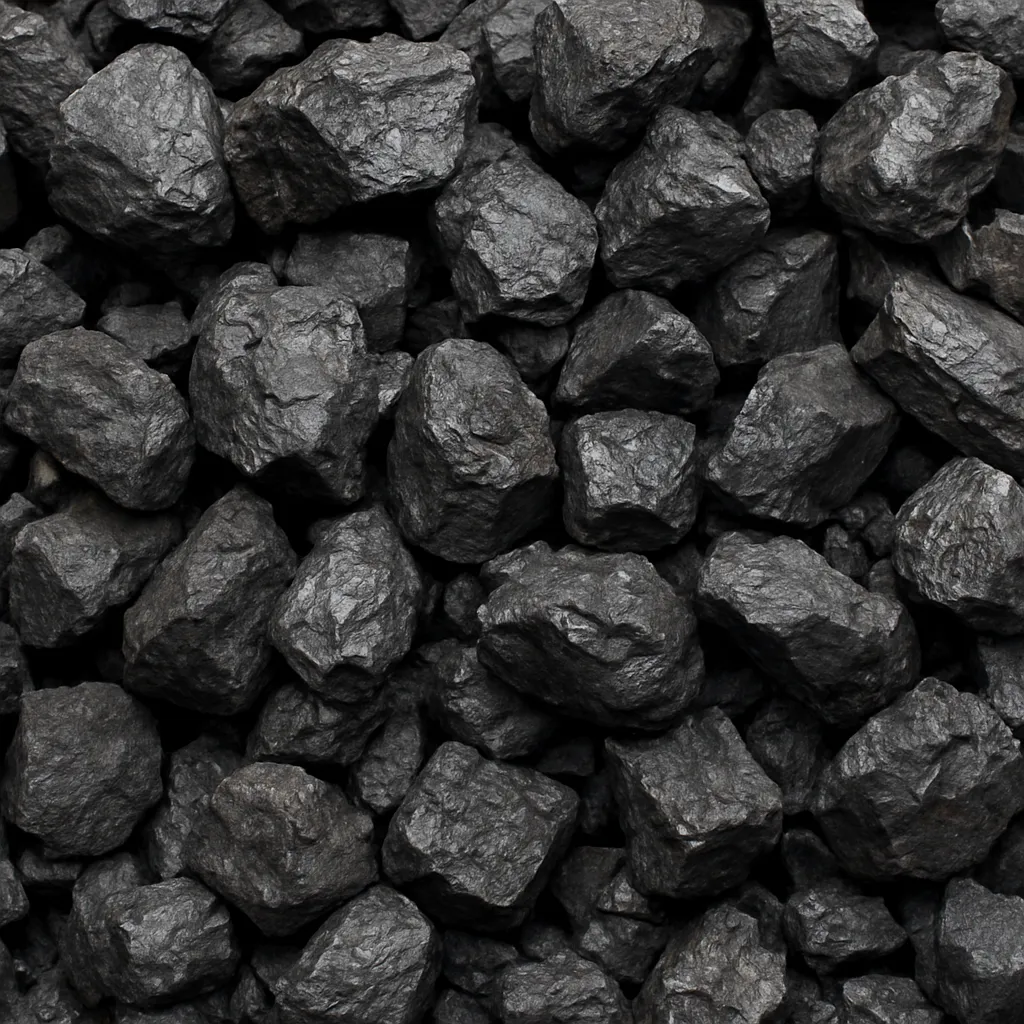
Smithing coal occupies a special place within the broad family of coals: it is the grade of coal historically and presently prized for metalworking, forge heat, and for producing coke used in modern steelmaking. This article examines what smithing coal is, how it differs from other types of coal and charcoal, where it occurs and is mined worldwide, its economic and industrial significance, statistical trends that shape supply and demand, environmental impacts, and interesting historical and practical notes relevant to blacksmiths, metallurgists, and policy makers.
Nature and types of smithing coal
Smithing coal is often a practical or trade classification rather than a rigid geological category. In everyday use it refers to coals suitable for producing a steady, high-heat, controllable fire for forging and heat treatment, or to coals that can be processed into coking coal and subsequently into coke for iron and steelmaking. Several types and substitutes are closely associated with smithing coal:
- Bituminous coal — A mid-rank coal with a favorable balance of volatile matter and fixed carbon; many traditional smithing coals are bituminous because they ignite readily and create a workable fire.
- Metallurgical (or metallurgical/coking coal) — A higher-quality coal that produces dense, strong coke after carbonization; essential feedstock for blast furnaces and many steelmaking routes.
- Anthracite — A high-rank, low-volatile coal with high carbon content and a hot, clean burn; anthracite can be used in forges but is harder to light and less suitable where a reducing atmosphere is needed.
- Charcoal — Produced by pyrolyzing wood; historically the preferred fuel for smithing prior to large-scale coal use. It burns hot and relatively clean, and is still used for specialty forging and in areas where biomass is more available than coal.
- Coke — The solid carbon-rich residue left after heating coking coal in the absence of air; coke is indispensable in traditional blast-furnace ironmaking and in certain foundry applications.
The most important technical properties that define whether a coal is suitable for smithing or metallurgical use include volatile matter, fixed carbon, calorific value, ash content, sulfur content, and caking/coking properties. For metallurgical purposes, coals that display strong caking behavior and produce a coherent, porous, mechanically robust coke are prized because of the physical and chemical role coke plays inside a blast furnace.
Where smithing coal occurs and where it is mined
Coal, including grades used for smithing and metallurgical purposes, is a sedimentary rock formed by the burial and transformation of plant material over geological time. Deposits are concentrated in ancient sedimentary basins across all inhabited continents. Coal-bearing regions that supply smithing and coking coals include:
- Australia — Major metallurgical coal basins include the Bowen Basin in Queensland and the Hunter Region in New South Wales. Australia is one of the world’s leading exporters of high-quality metallurgical coal.
- Russia — Large coking and thermal coal resources are found in the Kuznetsk Basin (Kuzbass), the Kansk-Achinsk Basin, and in eastern regions. Russian coal plays a significant role in both domestic steelmaking and exports.
- United States — The Appalachian Basin historically supplied metallurgical and smithing coals; the U.S. is also an important producer of metallurgical coal from the Illinois Basin and Powder River Basin (though Powder River is predominantly thermal coal).
- Canada — British Columbia’s Elk Valley is a key source of high-quality metallurgical coal.
- China — Major coal provinces such as Shanxi and Inner Mongolia provide both metallurgical and thermal coals, with China also a large consumer and processor of coking coal.
- India — Coalfields in Jharkhand, Odisha, Chhattisgarh, and West Bengal include significant reserves used in domestic steelmaking.
- Kazakhstan, South Africa, Colombia, and Mongolia — Each of these countries produces coals that are integrated into regional and international metallurgical coal markets.
Mining methods vary by deposit depth and local geology, ranging from underground longwall and room-and-pillar mining to large-scale open-pit operations. Metallurgical coal often comes from deeper seams that require underground techniques, though surface mines in certain basins also produce coking coals.
Major producing and exporting countries (contextual figures)
Global coal production and trade figures fluctuate with market demand, energy policy, and economic cycles. To provide context (figures approximate and rounded):
- Global coal production across all types has been on the order of several billion tonnes per year; for example, production in the early 2020s was roughly in the range of 7–8 billion tonnes annually (all coal types combined).
- Metallurgical coal (coking and semi-soft coking coal) represents a smaller but highly valuable fraction — on the order of several hundred million to around one billion tonnes per year depending on classification and measurement.
- Australia, China, India, the United States, and Indonesia rank among the largest producers of coal; for metallurgical coal specifically, Australia and Russia are prominent exporters, while China consumes a significant share domestically.
Because smithing coal may be either a local artisan-grade coal or an industrial metallurgical coal, local markets (regional blacksmithing communities) and international commodity markets (metallurgical coal for steelmaking) overlap but are not identical.
Economic and industrial significance
The economic importance of smithing and metallurgical coal comes from two interlinked roles: the artisanal and small-scale use in forging and metalworking, and the large-scale industrial role of supplying the steel industry.
- Steel production dependence — The traditional blast furnace/basic oxygen furnace (BF/BOF) steelmaking route relies heavily on coke made from coking coal. Around half of global steel production historically used BF/BOF routes that depend on coke, making metallurgical coal a strategic commodity for construction, transportation, machinery, and many other sectors.
- Value per tonne — Metallurgical coal typically commands a higher price than thermal coal because of its specialized properties and tighter global supply-demand balance. Prices are cyclically volatile: periods of tight supply or strong steel demand can send metallurgical coal prices sharply upward.
- Trade flows — Major exporters (notably Australia and Russia) supply metallurgical coal to key steelmaking regions. Export volumes and trade routes are sensitive to logistics, port capacity, geopolitical factors, and trade policy.
- Local economies — In mining regions, jobs, services, and local government revenues are tied to coal extraction. The presence of high-quality metallurgical coal can be a major economic driver for regional development while also creating dependence on commodity cycles.
Statistical patterns in recent years show: rising demand for steel in developing economies, periodic supply shocks (weather, labor disputes, and geopolitical tensions), and growing attention to costs associated with environmental compliance and carbon pricing. These dynamics affect investment in new mines, expansion of existing operations, and market allocation of higher-quality coal seams.
Industrial processes and technical roles
Understanding the role of smithing coal requires distinguishing between forge-level uses and industrial metallurgy.
- Blacksmithing and forging — For small-scale smiths, the ideal coal produces a hot, controllable fire with a reducing atmosphere (low free oxygen) to avoid excessive oxidation of steel. Coals with moderate volatile content and manageable smoke are preferred. Traditionally, certain local coals were famed for their forging properties.
- Coking and coke production — In steelworks, metallurgical coals are charged into coke ovens and heated in the absence of air; volatile compounds are driven off and the remaining coke provides both fuel and structural support inside a blast furnace. The physical strength, porosity, and reactivity of coke are critical process parameters.
- Direct Reduced Iron (DRI) and emerging routes — Alternatives to coke-based BF/BOF include DRI from natural gas or hydrogen and electric arc furnaces (EAFs) using scrap steel. These routes reduce direct reliance on metallurgical coal but do not eliminate it entirely, since some DRI processes still use coal, and the global scrap supply is limited for many regions.
Environmental, social and regulatory considerations
Coal mining and use raise pronounced environmental and social concerns that influence how smithing and metallurgical coal are perceived and regulated:
- Greenhouse gases — Coal combustion and coke production emit significant CO2. Metallurgical coal contributes to industrial emissions through coke-making and the blast-furnace process. Efforts to decarbonize steelmaking target reductions in coal-derived emissions.
- Local pollution and health — Mining operations and coking plants can generate particulate matter, sulfur oxides, and other pollutants that affect local air and water quality. Mine reclamation and community health are topics of regulation and public concern.
- Land use and biodiversity — Open-pit mining alters landscapes; proper rehabilitation and biodiversity offsets are increasingly required by regulators and financiers.
- Policy and carbon pricing — Carbon regulations, emissions trading systems, and potential carbon border adjustments affect the competitiveness of coal-intensive steel and may accelerate investment into low-carbon alternatives.
Technological and policy responses include improving coke oven efficiency, adopting carbon capture and storage (CCS) on industrial sites, and supporting transition pathways such as hydrogen-based iron reduction. Each option has cost, scalability, and timing considerations that affect global metallurgical coal demand forecasts.
Market dynamics and recent trends
Several forces shape the smithing/metallurgical coal market:
- Demand from steel — Urbanization and infrastructure growth in developing regions sustain long-term steel demand, while cyclical downturns in construction or manufacturing cause contractions.
- Supply-side concentration — High-quality metallurgical coal deposits are geographically concentrated; any logistics disruption in major exporting regions can create tightness in global markets and price spikes.
- Geopolitical events — Sanctions, trade disputes, and export controls can rapidly reroute flows of metallurgical coal and influence prices. For example, shifts in trade patterns due to geopolitical tensions have periodically tightened markets and prompted buyers to seek alternative suppliers.
- Decarbonization efforts — Long-term demand for metallurgical coal may moderate as low-carbon steelmaking technologies scale up, but transition timelines are uncertain and infrastructure costs are high, making coals a persistent factor for several decades in many regions.
Smithing coal in practice: blacksmiths, artisans and small industry
For artisans, the choice of fuel remains partly cultural and partly technical. Key considerations include:
- Workability — Coals that allow for a stable hearth, easy temperature control, and a clean working environment are preferred. Some blacksmiths favor a blend of coal and charcoal to combine heat output and atmosphere control.
- Availability and cost — Local availability dictates what fuels artisans use. In regions where wood is abundant and charcoal is traditional, charcoal remains common. In industrialized regions, lump coal or briquetted anthracite may be used.
- Skill and technique — The smith’s skill in managing airflow, fuel feed, and fire maintenance is as important as fuel choice; different fuels demand different forge designs and practices.
Interestingly, small-scale smithing communities also drive niche markets for specialty coals and charcoals — for instance, hardwood charcoal used for bladesmithing and historical reenactment forges command premium prices in hobbyist markets.
Historical perspective and cultural notes
Coal’s role in metalworking is tightly woven into the history of technology. The supply of accessible coal and the invention of coke-based ironmaking were catalysts of the Industrial Revolution. Medieval and early modern blacksmiths relied on charcoal; the transition to coal and coke allowed iron and steel production to scale dramatically. This shift shaped cities, transport systems, and the global economy over two centuries.
Today, the legacy of historic coalfields is visible in place names, local industries, and cultural memory. Many former mining communities preserve heritage sites and museums that highlight the interdependence of coal and metallurgy.
Future outlook and innovations
The medium- to long-term outlook for smithing and metallurgical coal is shaped by competing trends:
- Technological substitution — Hydrogen-based iron reduction, electric arc furnaces using recycled steel, and the potential for biomass-derived carbon in reduced-emissions processes can reduce metallurgical coal dependence where economics and infrastructure permit.
- Market inertia and infrastructure legacy — Existing steel plants, coke ovens, and supply chains represent large capital investments that will not be replaced overnight; thus metallurgical coal will continue to be necessary in many regions for decades.
- Policy drivers — Aggressive climate policies, carbon pricing, and trade instruments that favor low-carbon goods can accelerate the shift away from coal-intensive processes, but transitions require coordinated policy, finance, and industrial planning.
- Innovation in coke efficiency and CCS — Incremental gains in coke-making efficiency and the deployment of CCS in steel plants could allow continued use of coal with reduced net emissions in some scenarios.
Key statistics and summary figures (approximate)
To summarize approximate scale and economic context (rounded figures meant to convey relative magnitudes rather than exact counts):
- Global annual coal production (all types): roughly 7–8 billion tonnes in the early 2020s.
- Metallurgical coal production: several hundred million tonnes per year, with numbers varying by classification and reporting methodology; the metallurgical fraction is substantially smaller than thermal coal but carries higher unit value.
- Major producers: China, India, the United States, Indonesia, and Australia are among the top producers overall; for metallurgical coal exports, Australia and Russia are leading suppliers to international markets.
- Price volatility: metallurgical coal prices have experienced sharp cycles driven by supply disruptions, demand shifts in steelmaking, and macroeconomic factors; these can lead to rapid swings in regional steel costs.
Conclusion
Smithing coal spans a range from locally prized artisan fuels to globally traded metallurgical coals essential for steelmaking. Its geological distribution, economic value, and industrial role make it both a regional livelihood driver and a strategic commodity for heavy industry. Environmental pressures and technological innovation are reshaping demand, but because steel is foundational to modern infrastructure and manufacturing, transitional pathways are complex and extended. For blacksmiths, miners, steelmakers, and policy makers alike, understanding the properties, supply chains, and future trajectories of smithing and metallurgical coal is crucial for planning resilient and sustainable practices.