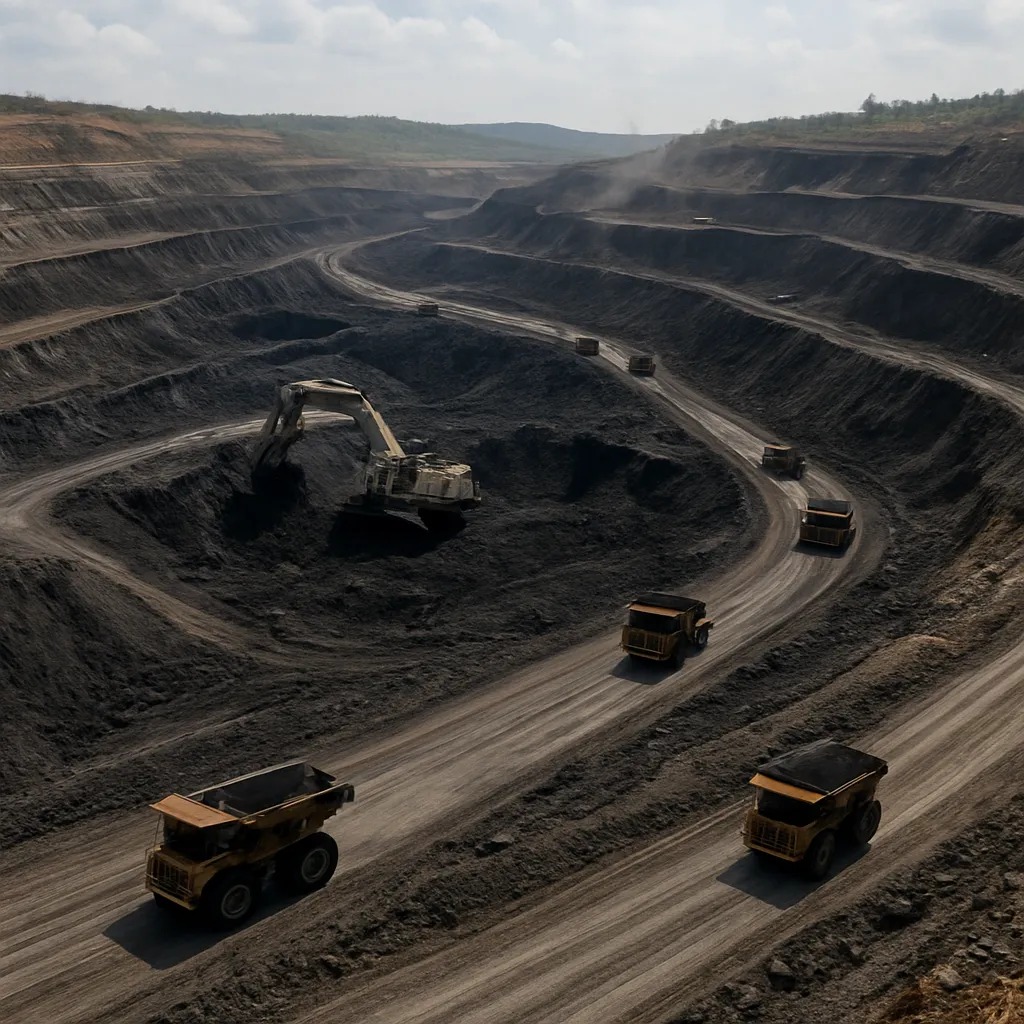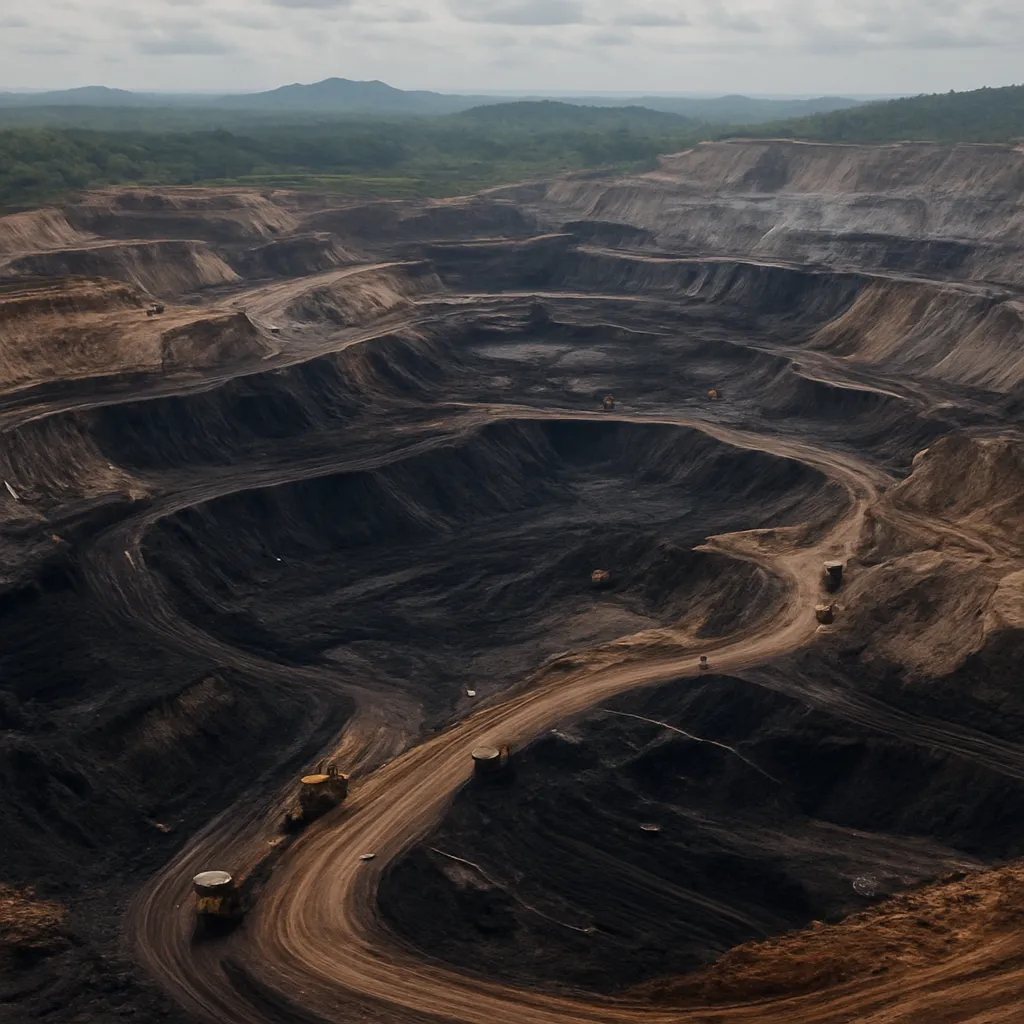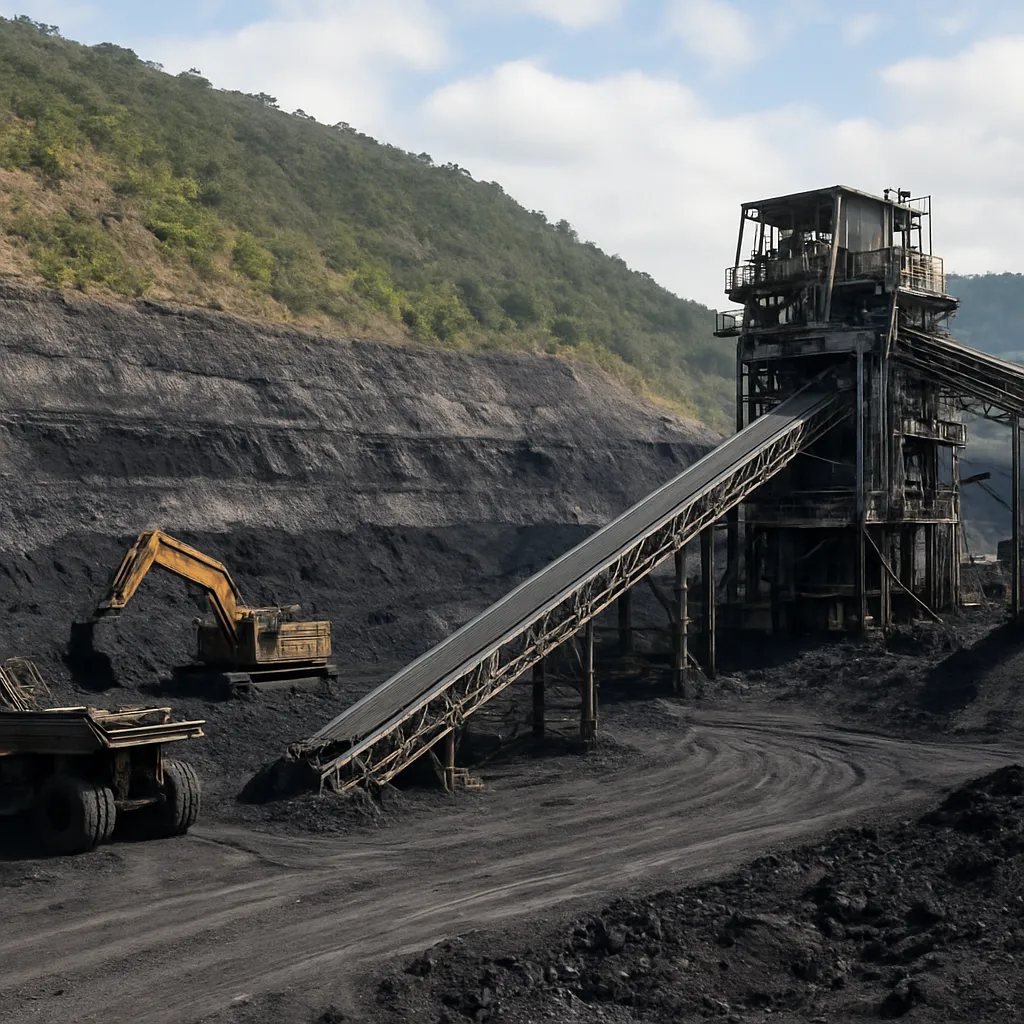
The Coalcliff Colliery, set within the scenic coastal slopes of the Illawarra region, is a historically significant coal mining site in southeastern Australia. Over its lifespan the mine has played a role in local industry, transport and community life, extracting valuable coal seams that contributed to both domestic energy supply and metallurgical markets. This article examines the mine’s location and geology, the types of coal produced, operational and economic aspects, environmental and social impacts, and its place in the broader Australian coal industry. Throughout the text several key concepts are emphasized to highlight the mine’s technical and economic importance.
Location, Setting and Historical Background
Coalcliff Colliery is located on the coastal escarpment north of Wollongong in the Illawarra district of New South Wales, Australia. The mine sits close to the township of Coalcliff and adjacent to major transport corridors that link the Illawarra coalfields to Sydney and export ports. The area is part of the greater Sydney Basin, a geological province known for its economically important coal measures.
Geographical context
- The colliery lies on a narrow coastal strip where the Coal Measures outcrop, making access to shallow and steeply dipping seams possible.
- Proximity to the Princes Highway and the coastal railway corridor historically facilitated movement of personnel and product, while seaport access in Port Kembla and Sydney allowed for domestic distribution and export.
- The surrounding terrain includes steep escarpments, coastal cliffs and a mix of urban and natural reserves, creating unique operational constraints and heritage considerations.
Historical development
Mining activity in the Coalcliff area dates back to the late 19th and early 20th centuries as the Illawarra region became an established center for coal extraction. Over time, various operators managed the site under different names and corporate structures. The colliery’s development mirrored broader Australian trends: small-scale early workings gave way to more mechanized underground methods as demand for high-quality coal—both for energy and for steelmaking—grew.
Geology and Types of Coal
The geological setting of Coalcliff Colliery is characterized by several horizons within the Permian Coal Measures. The Illawarra field is renowned for producing high-quality, relatively low-ash coal; the specific attributes of the Coalcliff seams determine the mine’s product suite and market positioning.
Coal seam characteristics
- Seams in the Coalcliff area are typically of variable thickness, with dips controlled by local folding and faulting associated with the coastal escarpment.
- Coal quality tends to be medium- to high-volatile bituminous, with some seams showing properties desirable for metallurgical applications.
- Mineralogical composition, ash yield and sulfur content vary seam-to-seam, influencing washability and market end-use.
Product types: metallurgical and thermal coal
Coalcliff produced coal that could serve both as a source of energy and as feedstock for steelmaking. In industry terms, the two principal categories are:
- Metallurgical coal (or coking coal): Some Illawarra seams, including those accessed from the Coalcliff area, have historically yielded coal suitable for coking and pulverized coal injection (PCI) in blast furnaces. These products command premium prices due to their role in steel production.
- Thermal coal: Lower-rank or smaller-size fractions have been appropriate for electricity generation and industrial boilers, primarily serving domestic power utilities and industrial customers.
Mining Methods, Infrastructure and Logistics
Coalcliff Colliery operated primarily as an underground mine. The topography and seam geometry dictated the choice of extraction techniques, access methods and surface infrastructure required to move coal from the seam to market.
Underground extraction and workings
- Traditional underground techniques including tunneling and roadway development were used to access the seams; in some periods the mine employed bord-and-pillar layouts tailored to seam thickness and ground conditions.
- Where seam continuity and thickness allowed, more mechanized extraction and local longwall panels might have been used or trialed, consistent with technological evolution across the Illawarra coalfields.
Surface facilities and transport links
- Surface infrastructure included portals, ventilation shafts, conveyors and coal handling and preparation facilities designed to wash and size product to market specifications.
- Logistics relied on road and rail connections; proximity to Port Kembla and Sydney’s export infrastructure provided routes to both domestic consumers and overseas steelmakers and power generators.
Economic Role and Market Position
The Coalcliff Colliery contributed to the local and regional economy in several ways. While it was smaller than major operations in the Hunter Valley or even larger neighboring Illawarra mines, its production and employment impacts were meaningful for nearby communities.
Employment and community impact
- Employment at the mine provided direct jobs in mining, engineering and surface operations as well as indirect employment through contracting, transport and supply services.
- The mine’s presence supported local businesses and contributed to municipal revenues through rates and royalties, reinforcing the socio-economic fabric of the Illawarra coastal towns.
Market orientation and revenue
Products from the colliery found markets both domestically and internationally. High-quality metallurgical coal from the Illawarra has historically attracted export demand from Asian steelmakers; thermal coal could serve local power generation and industrial boilers. Revenues depended on global commodity prices, quality premiums for coke-making coals and the mine’s ability to consistently meet contractual specifications.
Statistical Overview and Production History
Precise year-by-year production statistics for smaller, historically operated collieries can be fragmented across company reports and government databases. Nevertheless, some general patterns and known data points can be described to provide a statistical lens on Coalcliff’s contribution.
Production trends
- Historically, production volumes from Coalcliff were modest in comparison to major Australian mines, typically measured in the hundreds of thousands of tonnes per year at peak times rather than multiple millions.
- Production fluctuated with market demand, geological access to workable reserves and regulatory or environmental constraints that occasionally limited output or required additional mitigation measures.
Reserves and resource classification
Reported reserves for small collieries are often classified as proven, probable and inferred under Australian reporting standards. Coalcliff’s remaining economical reserves have been relatively limited relative to larger regional operations, and this influenced decisions about investment, reopening and rehabilitation planning.
Employment and economic multipliers
- At times of active operation the mine directly employed dozens to a few hundred workers depending on mechanization levels; the broader employment multiplier effect supported additional service and supply jobs in the region.
- Royalties, local procurement and wages contributed to municipal and regional economic activity, although the scale was modest compared with larger export-focused complexes.
Environmental, Safety and Regulatory Issues
Operating a colliery on a coastal escarpment presents specific environmental and safety challenges. Coalcliff Colliery faced issues common to underground coal mines: water management, subsidence risk, ventilation and dust control, as well as protection of nearby natural assets.
Environmental management
- Water: Groundwater inflows and surface runoff required careful management to prevent salinity, sedimentation and contamination of coastal systems.
- Rehabilitation: When workings were decommissioned, rehabilitation programs focused on stabilizing portals, restoring vegetation, controlling erosion and ensuring long-term site stability.
- Heritage and biodiversity: Proximity to natural reserves and Aboriginal cultural sites necessitated surveys and mitigation measures as part of approval processes.
Safety record and community health
Mine safety regimes followed state regulations covering ventilation, gas monitoring, roof control and emergency response. Community concerns over dust, noise and visual impact shaped operational hours and mitigation commitments.
Significance in the Industry and Regional Economy
Although not the largest producer in Australia, Coalcliff Colliery embodies the character of many regional mines: niche producers that complement larger suppliers, provide local employment and maintain a link between mining heritage and modern industrial practice.
Contributions to supply chains
- By supplying both metallurgical and thermal coal grades, the mine added flexibility to regional supply chains, particularly during periods of strong export demand for coking coal.
- Smaller collieries like Coalcliff also support testing and adaptation of new mining technologies that can later be applied at scale in larger operations.
Legacy and regional identity
The Colliery forms part of the Illawarra’s mining heritage. Local museums, historical societies and community narratives often reference such collieries as part of the town’s industrial past, connecting current generations to a legacy of engineering and local resilience.
Interesting Facts and Lesser-Known Details
- Coalcliff Colliery is situated in a dramatic coastal setting where industrial history meets significant natural beauty—an unusual juxtaposition that shaped public interest and regulatory scrutiny.
- The mine has at times been the subject of community campaigns both supporting jobs and advocating for stricter environmental controls, reflecting the tension between economic and ecological priorities.
- Over its life the colliery produced coal that fed local industries and contributed to export pools, highlighting the way small operations integrate with national commodity flows.
- Ongoing discussions about mine rehabilitation and potential reutilization of disused underground spaces echo broader debates on post-mining land use across Australia.
Future Prospects and Challenges
The future of small coastal collieries depends on multiple interacting factors: commodity prices, technical feasibility of extracting remaining reserves, regulatory constraints, and community acceptance. For sites like Coalcliff, options include partial or full rehabilitation, redevelopment for alternative uses, or limited-period reactivation if market and geological conditions permit.
Key factors determining prospects
- Market dynamics: Global demand for metallurgical coal remains a critical determinant of viability for premium-quality seams.
- Regulatory environment: Environmental approvals and community sentiment strongly influence the ease of restarting or expanding operations.
- Technical and safety economics: The costs of accessing remaining reserves (including required infrastructure and compliance) must be weighed against expected revenues.
Summary
The Coalcliff Colliery illustrates the role of a regional underground mine within the broader Australian coal industry. Located in the Illawarra of New South Wales, it extracted valuable coal types with characteristics suitable for both metallurgical (coking) and thermal applications, relied on underground mining methods and local infrastructure for product movement, and contributed to local employment and economic activity. While production volumes and remaining reserves have been modest relative to Australia’s largest producers, the site’s history, environmental context and socio-economic role make it a noteworthy example of coastal coal mining. The colliery’s future will depend on a combination of market conditions, technical feasibility and community and regulatory frameworks that govern mining in environmentally sensitive coastal regions.