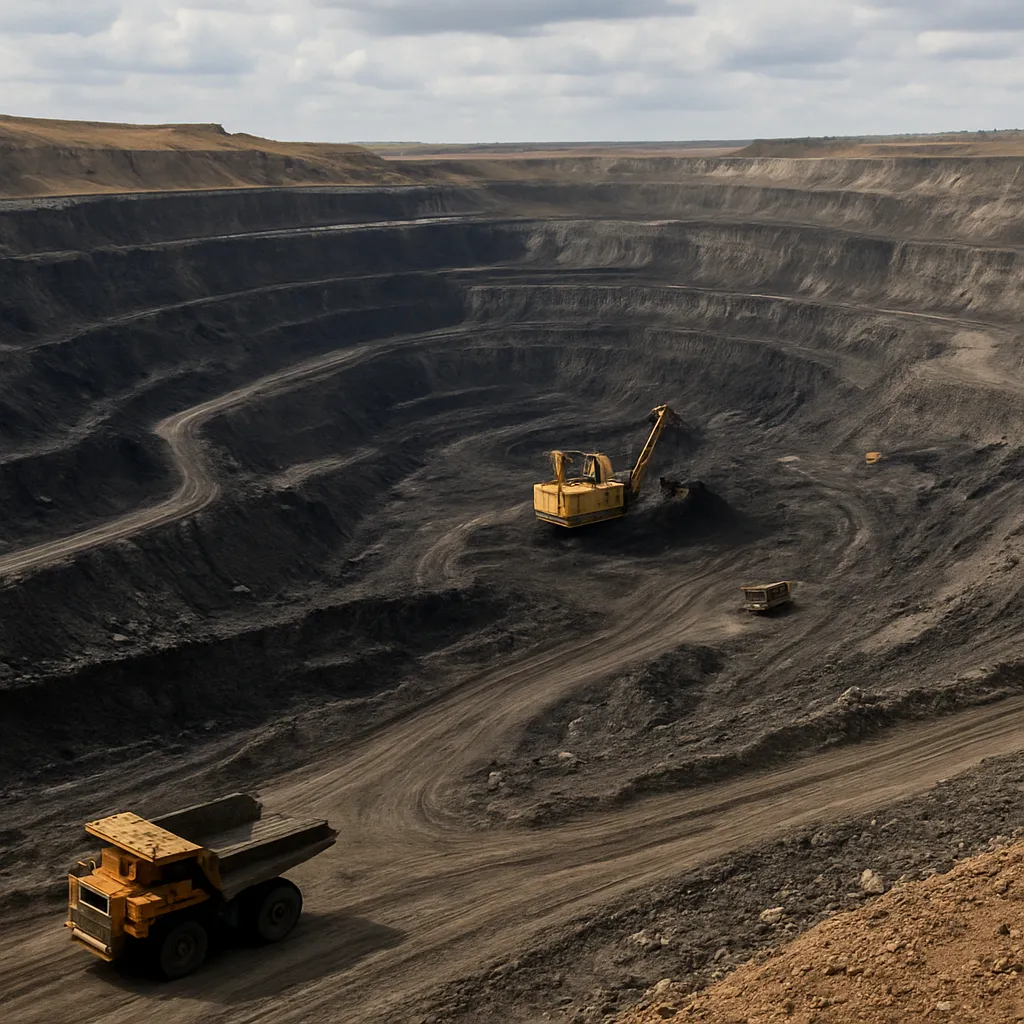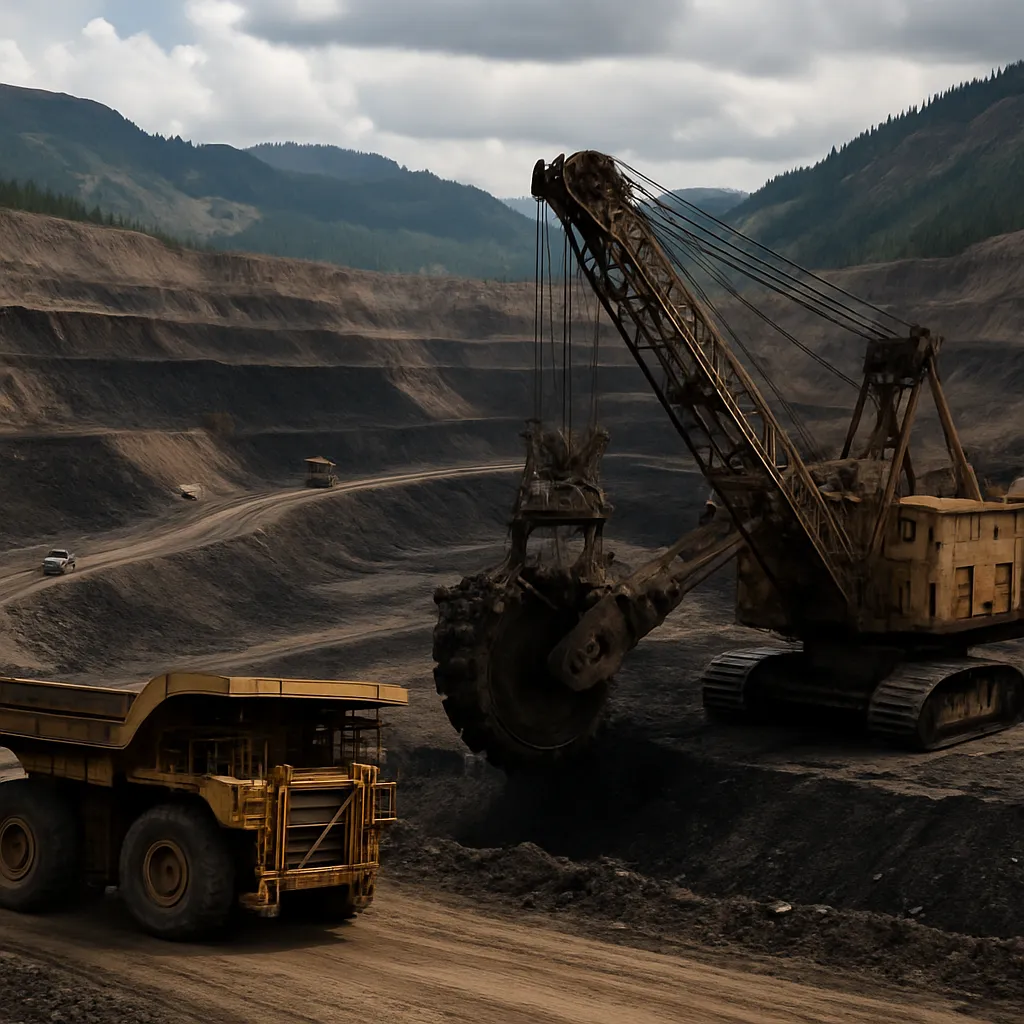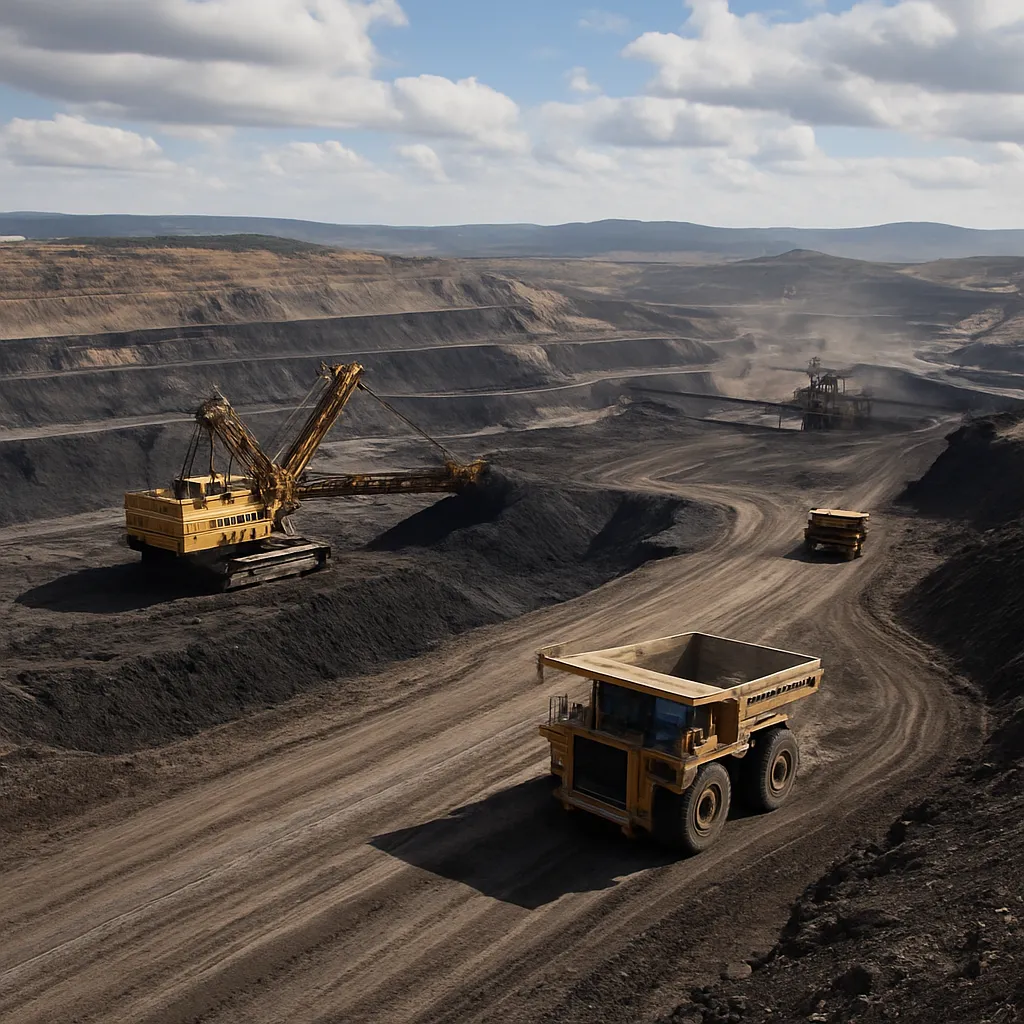
The Narrabri Coal Mine, located in the north-western part of New South Wales, Australia, is a significant asset within the country’s coal-producing landscape. Situated in the productive Gunnedah Basin, the mine plays a role in supplying both domestic and international markets with coal used primarily for power generation and industrial processes. This article explores the mine’s location and geology, the types of coal produced, production and economic figures where available, its role in the energy and mining sectors, infrastructure and logistics, environmental and social issues, and prospects for the future.
Location, Geology and History
The Narrabri Coal Mine is situated near the town of Narrabri in north-west New South Wales, a region underlain by the Permian coal measures of the Gunnedah Basin. The Gunnedah Basin is one of Australia’s major onshore coal provinces and extends across a large area of north-central NSW. Coal seams in this basin typically formed in fluvial and deltaic environments during the Permian period and have been the focus of mining and exploration for decades.
Geologically, the area contains multiple coal seams of varying thickness and quality. The coals in the Gunnedah Basin are predominantly medium- to low-rank bituminous and thermal coal varieties, often with relatively low ash and sulfur compared with some other basins. The stratigraphy supports both open-cut and, in some areas, underground mining methods, depending on depth and seam geometry.
Mining activity in the Narrabri area developed alongside regional agricultural growth and expansion of rail and road infrastructure. Over recent decades, investment in the basin has expanded, including both established operations and exploration projects. The region’s coal has become important for export markets in Asia as well as for domestic electricity generation.
Type of Coal and Processing
Narrabri produces mainly thermal coal, intended for power generation, though coal characteristics can vary across seams and sections of the mine. Key quality attributes that affect marketability include calorific value (energy content), moisture, ash, volatile matter, and sulfur content. In broad terms, coal from the Gunnedah Basin—including Narrabri—tends to be suitable for thermal applications and can meet specifications for many export markets after standard processing and quality control.
Coal Characteristics
- Rank: Medium to low rank bituminous — generally in the thermal coal category.
- Calorific value: Varies by seam and wash processing; typical exported thermal coal from the region commonly ranges from moderate to high calorific values suitable for Asian power plants.
- Ash and sulfur: Many seams in the Gunnedah Basin are competitive on ash and sulfur metrics, helping maintain export demand.
- Processing: Run-of-mine coal is commonly washed and screened to meet contractual specifications and reduce impurities before transport.
Processing infrastructure at or near the mine typically includes crushing, screening, and preparation plant facilities. These installations aim to produce consistent product sizes and to reduce ash and other deleterious materials. Quality control and sampling regimes are standard practice to ensure contractual compliance for both domestic and export buyers.
Production, Reserves and Economic Significance
The Narrabri operation contributes to the broader output of the Gunnedah Basin and to Australia’s coal export portfolio. While precise annual production figures for the Narrabri mine can vary year to year, mines of this scale in the Gunnedah Basin commonly operate in the several million tonnes per annum range. Production volumes depend on market conditions, operational decisions, and regulatory approvals.
Reserves and Resources
Coal reserves and resources in the broader Gunnedah Basin are substantial, representing hundreds of millions to billions of tonnes across multiple leases and projects. The Narrabri lease contributes a portion of these totals; reserves will typically be reported in company disclosures by owners or operators. These reserves underpin multi-decade mining opportunities where permitted and economically viable.
Economic Contribution
- Employment: Mining operations in the Narrabri region provide direct employment to mine staff (operators, technical and managerial personnel) as well as indirect jobs in contracting, transport, maintenance, and local services. A single mine of medium scale can directly employ several hundred people and support many more indirectly.
- Local economy: Royalties, wages, procurement and contracting inject funds into local communities. Towns like Narrabri benefit from increased demand for accommodation, retail, health and education services.
- State and national revenues: Coal mining contributes to state royalties and national export earnings. Coal remains one of Australia’s significant export commodities by value, influencing trade balances and economic activity in regional NSW.
- Supply chain: Suppliers of equipment, parts, fuel, and services—often local or regional businesses—are part of the extended economic footprint.
At the national scale, Australia is one of the world’s largest coal exporters. Depending on the year, total Australian coal exports (thermal and metallurgical) are typically measured in the hundreds of millions of tonnes, and New South Wales is a major contributor. The Narrabri mine forms part of this export capacity, directly affecting trade flows to major importers in Asia.
Infrastructure and Logistics
Efficient transport and logistics are essential to the viability of any coal operation. The Narrabri area is serviced by regional road networks and rail connections that link to the broader New South Wales rail system. Coal is normally transported from mine to port by rail wagons, where it is stockpiled and loaded onto bulk carriers. The main export ports serving NSW coal producers include Port of Newcastle and other east coast terminals, depending on contract arrangements and logistics planning.
Key infrastructure components associated with the mine and region include:
- Access roads connecting the mine to local communities and regional highways;
- Rail loading facilities and spur connections to the main rail network;
- Water management systems including storage, sediment ponds and licensed take/discharge infrastructure;
- Power and communications to support mining operations and processing plants;
- Rehabilitation planning to restore landforms and ecosystems after mining.
Markets and Trade
The coal produced at Narrabri is typically targeted at both domestic and export markets. Export customers traditionally include thermal coal importers across East and South-East Asia—countries such as Japan, South Korea, China, Taiwan, Vietnam and India—though market shares change with demand dynamics, energy policy shifts and price movements.
Contracting in the coal trade can be long-term or spot-based. Mines often balance long-term offtake agreements—which provide revenue stability—with spot sales that capture favorable market conditions. Buyers evaluate coal products by calorific value, ash, moisture and other properties, and thus product consistency and reliable logistics are critical competitive factors.
Environmental and Social Considerations
Mines in the Narrabri region, like elsewhere, operate within a regulatory framework designed to manage environmental impacts, protect water resources, and ensure rehabilitation after mining activities cease. Environmental approvals commonly include conditions relating to groundwater management, surface water controls, air quality, noise, biodiversity offsetting, and progressive rehabilitation.
Water and Groundwater
Groundwater interactions are often the most scrutinized aspect of coal mining in the Gunnedah Basin. Operations must demonstrate that dewatering, changes to groundwater flow, or other impacts will be managed in accordance with license conditions and best practice. Monitoring programs, scientific studies and adaptive management plans are typical requirements.
Biodiversity and Land Use
Mine proponents are typically required to assess and mitigate impacts on flora and fauna, including threatened species and ecological communities. Offsets, conservation agreements, and rehabilitation plans are used to balance development with biodiversity protection. Mines also need to manage land use conflicts with agriculture and cultural heritage in regional communities.
Community and Social License
Mining operations rely on a degree of social acceptance from local communities. Companies engage with stakeholders on employment, local procurement, community development, and mitigation of environmental impacts. Ongoing engagement, transparent reporting and investment in local infrastructure often form part of a company’s approach to maintaining its social license to operate.
Safety, Technology and Operations
Safety is a core operational priority in coal mining. Modern mines implement comprehensive safety management systems encompassing training, hazard identification, emergency response planning, and continual improvement processes. Technologies such as fleet automation, real-time monitoring, digital mine planning tools, and predictive maintenance systems contribute to improved safety, productivity and cost control.
Mining methods at Narrabri are adapted to geology and economic factors. Where seams are shallow and continuous, open-cut mining is typically favoured for its lower cost per tonne and high productivity; where seams are deeper or need selective extraction, underground methods may be used. Mine planning balances ore extraction, waste removal, and progressive rehabilitation to meet regulatory and community expectations.
Statistics and Data (Estimates and Context)
Precise, up-to-date figures for production, reserves and employment at any specific mine should be confirmed from company reports and governmental datasets. Below are indicative figures and contextual statistics to help understand Narrabri’s scale and significance within the regional and national industry:
- Production scale: Medium-scale operations in the Gunnedah Basin commonly produce several million tonnes per annum; higher-production mines in the basin can reach double-digit millions of tonnes annually.
- Employment: A medium-sized open-cut coal mine in NSW typically provides direct employment to a few hundred workers and supports broader indirect employment across contractors and supply chains.
- Regional contribution: Coal accounted for a significant share of export earnings from NSW and Australia overall. Australia regularly ranks among the top global coal exporters.
- Reserves and resources: The Gunnedah Basin contains extensive coal resources, measured in hundreds of millions to billions of tonnes across various projects; Narrabri contributes a portion of these totals.
- Market orientation: A large share of coal from NSW goes to Asian thermal coal markets, though exact destination ports and buyer lists vary by contract and time period.
Readers seeking the most precise and recent numerical data (annual production, coal quality specifications, workforce numbers, royalties paid, and exact reserve estimates for Narrabri) should consult the latest company annual reports, technical reports (e.g., JORC or equivalent resource statements) and New South Wales government mining statistics.
Challenges and Future Outlook
The future of coal mining in regions such as Narrabri is shaped by multiple interacting forces:
- Global demand shifts: Changes in energy policy, the pace of renewables adoption, and climate commitments in importing countries influence thermal coal demand.
- Commodity prices: Coal prices fluctuate with global market balance, affecting mine economics and investment decisions.
- Regulatory environment: Environmental approvals, water licensing and rehabilitation requirements impact project timing and cost.
- Technological adaptation: Operational efficiency, emissions reduction technologies, and better land rehabilitation methods can improve a mine’s long-term viability.
- Community expectations: Increasing emphasis on environmental stewardship and community benefits shapes social license dynamics and corporate behaviour.
For Narrabri specifically, continued viability will depend on maintaining competitive product quality, efficient logistics to export markets, and robust environmental and community management programs. Some operators may diversify into lower-emission processes, explore carbon management strategies, or participate in regional economic diversification initiatives as global energy systems evolve.
Interesting and Lesser-Known Facts
- The Gunnedah Basin’s coal was formed in ancient river and swamp systems and has a complex stratigraphy that has fascinated geologists and guided modern exploration strategies.
- Coal mining in the Narrabri region coexists with an important agricultural economy—producing wheat, cotton and livestock—creating both collaboration and competition for land and water resources.
- Mining licenses often include progressive rehabilitation commitments that see companies return land to grazing or native vegetation profiles during and after operations.
- Local technical expertise and specialized contractors in the region support not only coal but broader mining and construction projects across Australia.
- While thermal coal faces long-term demand uncertainty due to decarbonization, short- to medium-term needs for reliable baseload power in some markets can sustain demand for high-quality thermal coal products.
Conclusion
The Narrabri Coal Mine occupies a meaningful place within New South Wales’ mining landscape and Australia’s broader coal export industry. Sitting in the productive Gunnedah Basin, it produces mainly thermal coal with characteristics that meet domestic and international demand. The mine contributes to local and regional economies through employment, procurement and royalties, while also confronting environmental and social responsibilities typical of modern mining operations. The mine’s future will be shaped by market dynamics, regulatory developments, technological changes and community relationships. For stakeholders—local communities, investors, policy makers and customers—the ongoing challenge is to balance economic benefits with environmental protection and long-term sustainability.