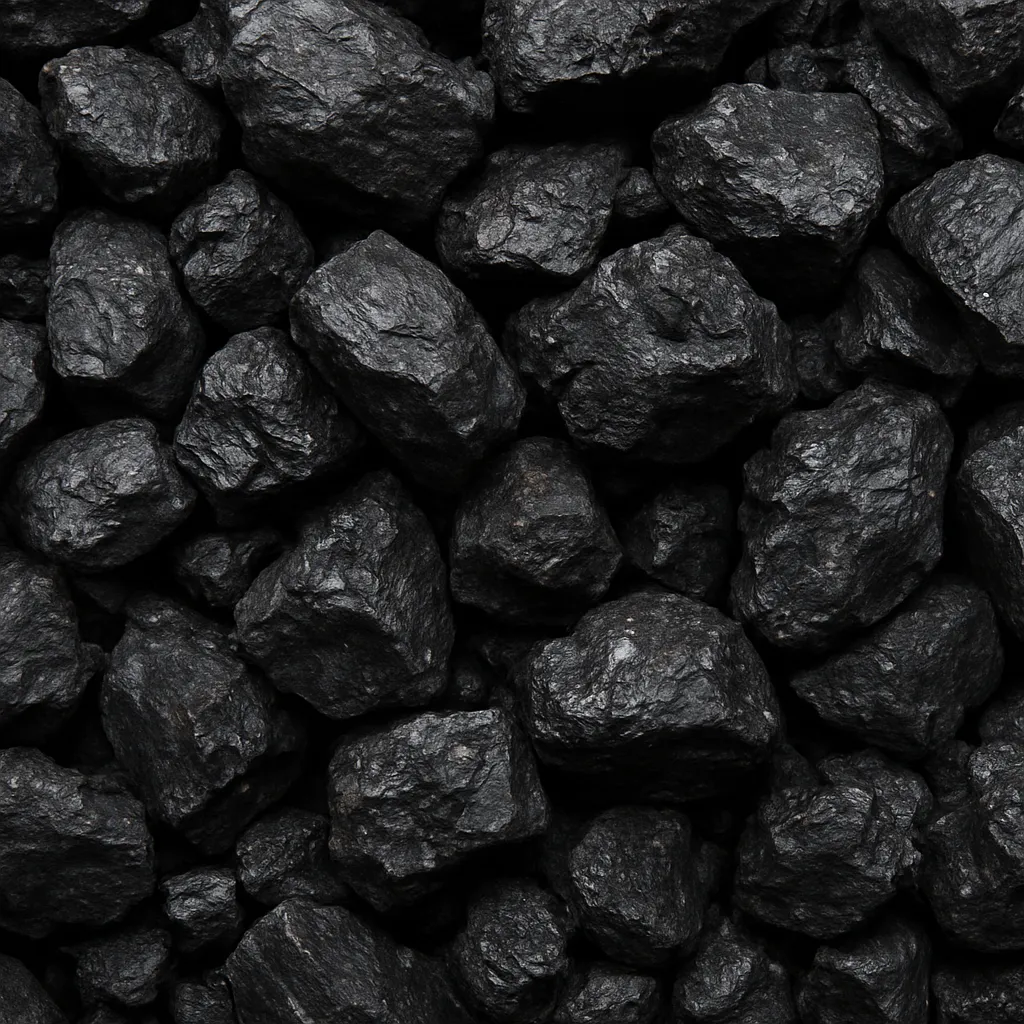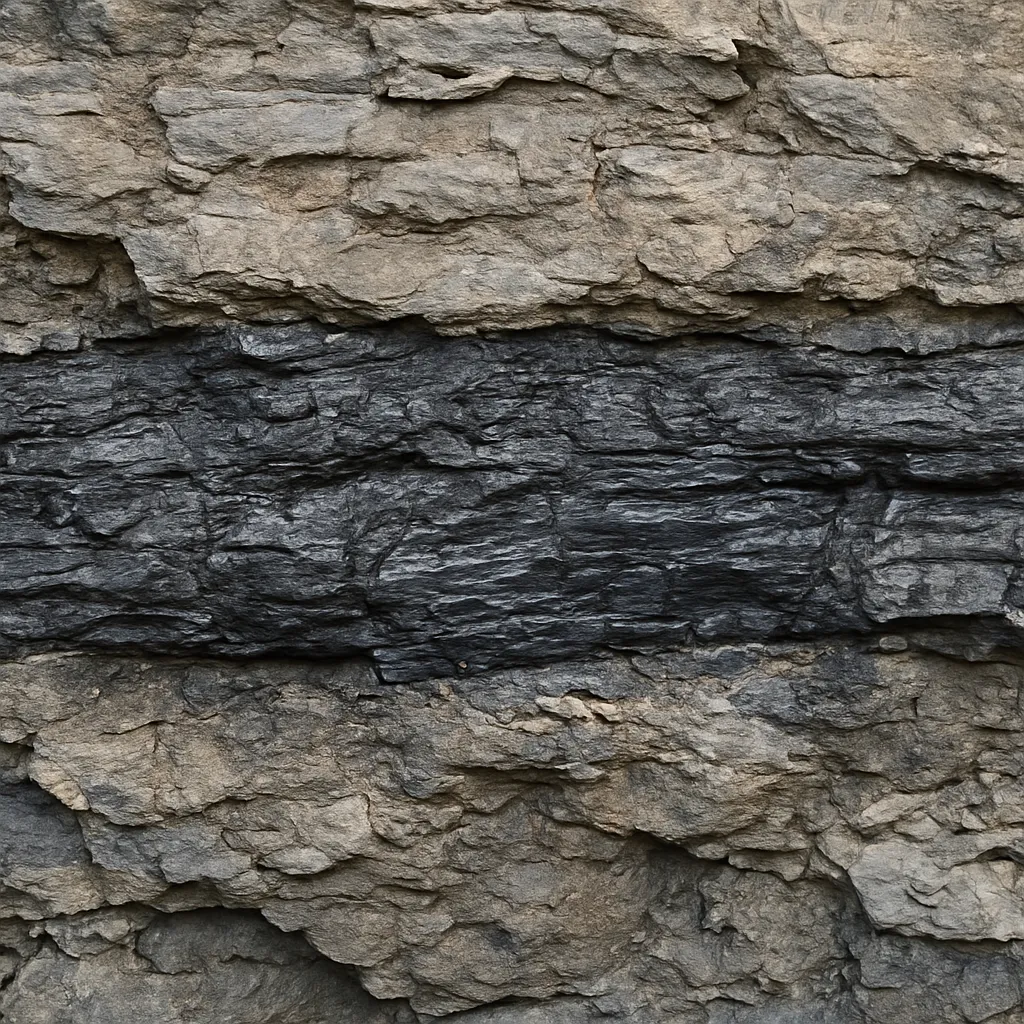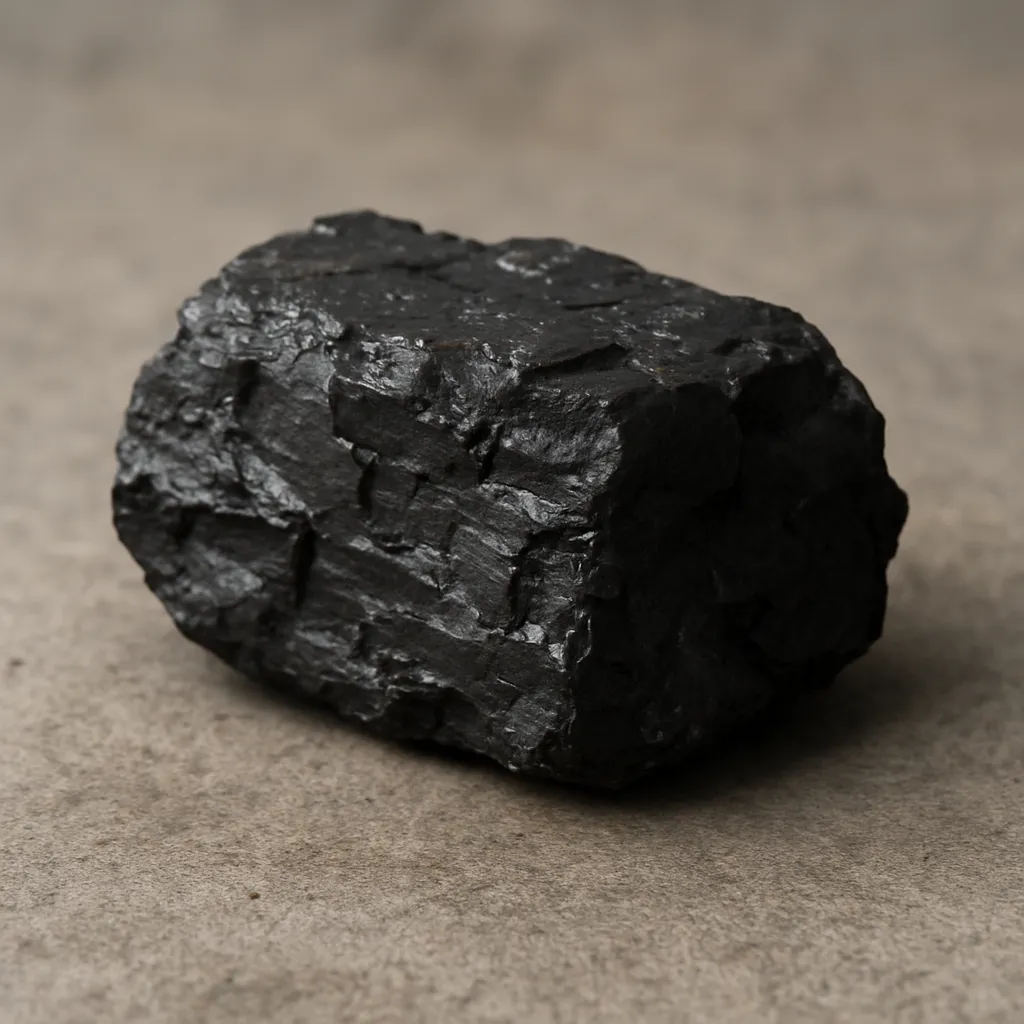
Moderate-reactivity coal occupies an important niche between highly reactive low-rank coals and dense, low-reactivity high-rank coals. This type of coal combines properties that make it versatile for power generation, certain industrial processes and emerging technologies such as gasification and carbon materials production. The following article examines the physical and chemical characteristics of moderate-reactivity coal, where it occurs and how it is mined, its economic and statistical context, industrial significance, environmental issues and future prospects for markets and research.
Characteristics and classification of moderate-reactivity coal
Coal reactivity is a practical measure of how readily a coal reacts with oxygen, steam or other reagents under specified conditions. Reactivity depends on a combination of intrinsic properties: rank, maceral composition, pore structure, mineral matter and the presence of reactive functional groups. Moderate-reactivity coal is not a single formal rank but rather a descriptor for coals whose behavior in combustion, gasification and coking-related processes is intermediate: neither very fast-burning like certain high-volatile lignites and sub-bituminous coals nor sluggish like dense anthracites.
Typical attributes of moderate-reactivity coal include:
- Rank usually in the range from medium-volatile bituminous to high-volatile bituminous, though some sub-bituminous seams with particular petrographic composition can also show moderate reactivity.
- Calorific value commonly in the approximate band of 18–30 MJ/kg (air-dried basis), with significant variation depending on moisture and ash content.
- Volatile matter often in the range of roughly 20–35%, providing sufficient volatiles to support ignition and flame stability but not so high as to cause excessive fouling or uncontrolled combustion.
- Fixed carbon and ash fractions that yield stable burn-out characteristics desirable for pulverized-coal combustion and certain gasification regimes.
- Moderate inherent moisture and sulfur contents compared with low-rank coals and certain high-sulfur bituminous coals.
From a petrographic perspective, the balance between vitrinite, inertinite and liptinite macerals influences reactivity strongly. Higher vitrinite content typically increases reactivity because vitrinite devolatilizes and chars more readily; inertinite-rich coals are more refractory. Pore structure and specific surface area determine how quickly gases and oxygen can diffuse, directly affecting measured reactivity in thermogravimetric tests and pilot-scale combustors.
Where moderate-reactivity coal is found and mined
Moderate-reactivity coals are geographically widespread because the rank and petrographic conditions that create them occur in many basins worldwide. They are commonly associated with large, commercially active deposits rather than small or isolated seams, which makes them significant for regional energy systems and industry.
- China: As the world’s largest coal producer, China contains extensive bituminous coal seams of varying reactivity. Many power plants in northern and eastern China burn bituminous coals exhibiting moderate reactivity to balance efficiency and operational stability.
- United States: Coalfields in the Appalachian Basin and parts of the Powder River and Illinois Basins include medium- to high-volatile bituminous coals often classified operationally as moderate in reactivity for pulverized coal boilers and some gasification trials.
- Australia: Several Australian basins produce bituminous coals that can be characterized as moderate-reactivity, especially those used domestically for power generation and metallurgical blends exported to Asia.
- Russia, Poland and Central Europe: Traditional hard coal basins in eastern and central Europe contain bituminous coals with intermediate properties frequently used in centralized heating and industrial boilers.
- Southeast Asia and Indonesia: While Indonesia is widely known for sub-bituminous and low-rank coals (often highly reactive), some Indonesian deposits and nearby basins produce medium-reactivity coals used both domestically and for export blends.
Mining methods vary by seam thickness, depth and geology. Moderate-reactivity coals are extracted via both underground methods (longwall, room-and-pillar) and open-pit mining. The chosen mining method, coal washing and beneficiation practices can significantly alter the final reactivity profile delivered to market by changing ash, sulfur and moisture contents and by reducing extraneous mineral matter.
Economic and statistical overview
Coal remains a major global commodity despite long-term structural shifts in energy systems. Global coal production in recent years has been on the order of approximately 7–8 billion tonnes per year, although yearly totals fluctuate with economic cycles, demand for electricity and industrial activity. China typically accounts for roughly half of global output, while other large producers include India, the United States, Australia, Indonesia and Russia.
Thermal and metallurgical markets differ in scale and price dynamics. Moderate-reactivity coal often feeds the thermal power sector as a stable fuel or forms part of blends engineered to meet boiler performance and emissions constraints. Some moderate-reactivity coals are also suitable for partial substitution in cokemaking blends, or as feedstock for entrained-flow gasification when appropriately pre-treated.
Seaborne coal trade—thermal and metallurgical combined—moves on the order of roughly one billion tonnes annually (ranges vary by year). Major exporters by volume include Australia, Indonesia, Russia, Colombia and South Africa. Major importers include China, India, Japan, South Korea and several European countries.
Employment and regional economic impacts from coal mining are locally significant. In major exporting countries, coal generates substantial export revenues that support national and regional budgets. Conversely, consuming countries rely on coal for grid stability, industrial heat and economic continuity in sectors where alternatives are still limited or expensive.
Prices for coal are sensitive to supply disruptions, shipping costs and policy changes. Although market prices fluctuate, moderate-reactivity coal—positioned between low-cost, high-reactivity low-rank coals and premium low-ash, low-sulfur high-rank coals—often trades at mid-range levels adjusted for calorific value, ash and sulfur penalties.
Industrial importance and applications
Moderate-reactivity coal is valued across a range of industrial applications because of its balance of combustion stability, calorific value and manageable ash behavior. Key uses include:
- Electricity generation: Many pulverized-coal-fired power plants operate most stably with coals that have moderate reactivity. Such coals provide predictable ignition, flame stability and burnout within standard boiler residence times.
- Co-firing and blending: Moderate-reactivity coal is commonly blended with higher- or lower-reactivity coals to optimize combustion characteristics, reduce emissions, and meet feedstock specifications for older boiler fleets.
- Gasification and syngas production: In entrained-flow and fluidized-bed gasifiers, coals with moderate reactivity are attractive because they balance devolatilization and char-reactivity, supporting steady syngas yield and quality when paired with suitable operating conditions.
- Carbon products and activated carbon: Certain coals with moderate reactivity make useful precursors for producing specialty carbons, where controlled devolatilization and predictable porous char structure are advantageous.
- Industrial heat and process steam: Moderate-reactivity coals are used in industrial boilers where consistent combustion behavior and moderate calorific content help control process temperatures and reduce downtime.
Technological interventions—beneficiation, milling, additive dosing, and advanced combustion controls—allow moderate-reactivity coals to be adapted for specific industrial uses. For example, coal washing reduces ash and sulfur; pulverizing and improved burners optimize flame shape and burnout; and staged combustion or flue gas treatment controls emissions.
Testing, standards and measures of reactivity
Quantifying coal reactivity requires laboratory techniques that reproduce or approximate the chemical and thermal environment of intended uses. Common testing approaches include:
- Proximate and ultimate analysis (moisture, volatile matter, fixed carbon, ash, elemental composition): fundamental indicators that correlate with reactivity.
- Thermogravimetric analysis (TGA): measures weight loss versus temperature/time to quantify combustion and gasification rates under controlled atmospheres.
- Reactivity indices developed for specific processes—e.g., char reactivity to CO2 or steam, ignition temperature, and burnout time—are used to rank coals for gasification and combustion.
- Petrographic analysis: microscopy to determine maceral composition and the distribution of mineral matter, crucial for interpreting why samples with similar proximate analyses may behave differently.
- Industry standards and test methods defined by organizations such as ASTM and ISO are applied to ensure comparability of results across laboratories.
Operationally, producers and utilities often rely on pilot-scale combustors and laboratory gasifiers to generate performance data before scaling up to full plant operation. Blending strategies are validated by test runs to minimize slagging, fouling and fly-ash related problems.
Environmental, regulatory and social considerations
While moderate-reactivity coal offers operational benefits, it still carries the environmental burdens associated with fossil carbon fuels. Major concerns include:
- Greenhouse gas emissions: Combustion of coal is a major source of CO2. Any continued use of coal—moderate-reactivity or otherwise—requires mitigation if climate targets are to be met, such as improved efficiency, carbon capture and storage (CCS) or displacement by low-carbon alternatives.
- Air pollutants: Sulfur oxides, nitrogen oxides, particulate matter and mercury emissions are process-dependent and influenced by coal composition. Moderately reactive coals with moderate sulfur can be managed with flue gas desulfurization, selective catalytic reduction and particulate controls, but these add cost.
- Mine impacts and reclamation: Both surface and underground mines affect land, water and communities. Responsible mining practices, regulatory oversight and reclamation plans are required to limit negative impacts.
- Health and safety: Dust control, gas monitoring and worker safety regimes are critical in mines and plants handling coal of any reactivity class. Spontaneous combustion risk is real for some stockpiles and coal seams; moderate-reactivity coals may require tailored handling protocols to avoid self-heating incidents.
Policy trends in many regions—carbon pricing, emissions limits, renewable mandates and plant retirement schedules—are reducing coal use in electricity generation. However, in regions with limited alternatives or heavy industrial demand (steel, cement, chemicals), coal remains a central feedstock. For moderate-reactivity coal, its adaptability makes it a candidate for near-term transitions such as co-firing with biomass, integration with CCS, or conversion to hydrogen via gasification with CO2 capture.
Statistics and market dynamics related to moderate-reactivity coal
Detailed statistics specific to “moderate-reactivity” coal are uncommon in public datasets because trade and production figures are typically reported by grade (thermal vs. metallurgical), calorific value ranges, ash and sulfur classes, rather than by laboratory reactivity indices. Nevertheless, available macro-level statistics offer useful context for the role such coals play:
- Global coal production is on the order of 7–8 billion tonnes annually, with China contributing a substantial share—often near 50% of production.
- Coal supplies roughly a third to 40% of global electricity generation on an annual basis, although the share varies regionally and year to year.
- Seaborne trade of coal (thermal + metallurgical) is measured in the hundreds of millions to about a billion tonnes annually—major destinations are energy-hungry Asian economies.
- Prices and trade flows respond quickly to geopolitical events, shipping rates and policy signals: premium grades for steelmaking command higher prices; thermal coal prices are more volatile but remain central to energy affordability in many markets.
For stakeholders—utilities, steelmakers, miners and policy makers—understanding the proportion of delivered coal that falls into moderate-reactivity categories requires combining laboratory data from suppliers with operational experience and blending strategies at plant sites.
Research, innovation and future prospects
Research into coal utilization focuses on keeping existing systems cleaner and enabling transitions to low-carbon pathways. For moderate-reactivity coals, research themes include:
- Optimized gasification: Designing gasifiers and operating regimes tailored to coals with moderate devolatilization and char-reactivity to maximize syngas quality and conversion efficiency.
- Advanced combustion controls: Burner and boiler designs that exploit moderate reactivity for improved efficiency, reduced unburnt carbon and lower emissions.
- Carbon capture integration: Pilot projects testing solvent, sorbent and membrane capture technologies on plants firing moderate-reactivity coals to assess retrofit potential and cost.
- Material valorization: Converting coal into higher-value carbon products, such as specialty carbons, humic substances, and carbon fibers, where controlled devolatilization tied to moderate reactivity can be advantageous.
- Blending strategies: Algorithms and real-time analytics to create fuel blends that meet combustion and emissions targets while optimizing cost.
The economic viability of these pathways depends on policy frameworks, carbon costs and the pace of energy transition. In countries where coal remains a pillar of the energy mix, moderate-reactivity coal’s versatility may ensure it has an operational role for years to come—even as markets evolve toward lower-emission solutions.
Concluding perspective
Moderate-reactivity coal is a pragmatic and widely encountered category in the global coal landscape. Its balanced properties—adequate calorific value, manageable volatile content and predictable char behavior—make it useful for a range of thermal and conversion applications. While the world’s long-term energy direction points toward decarbonization, there remains a significant role for improved, cleaner utilization of existing coal resources. For moderate-reactivity coals, this means strategic blending, advanced conversion technologies, and careful environmental management to align operational benefits with sustainability goals.