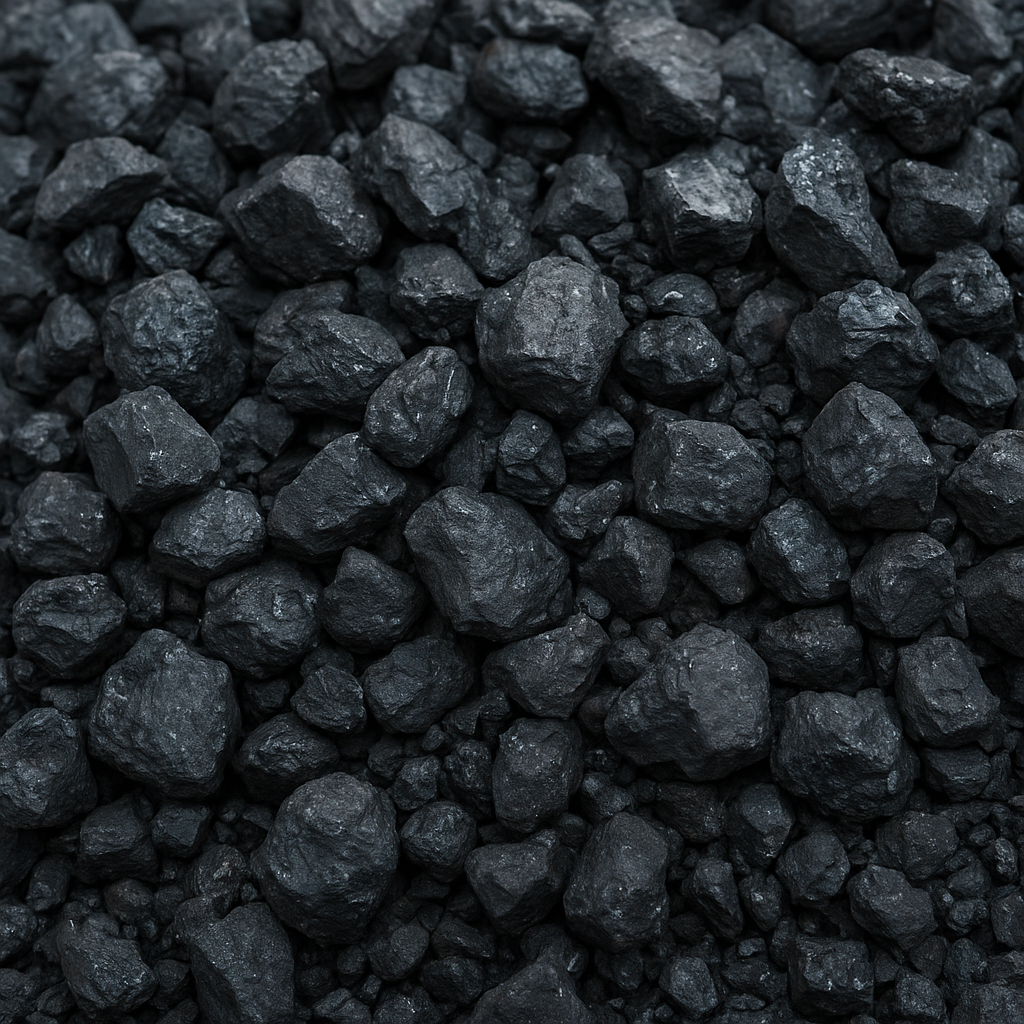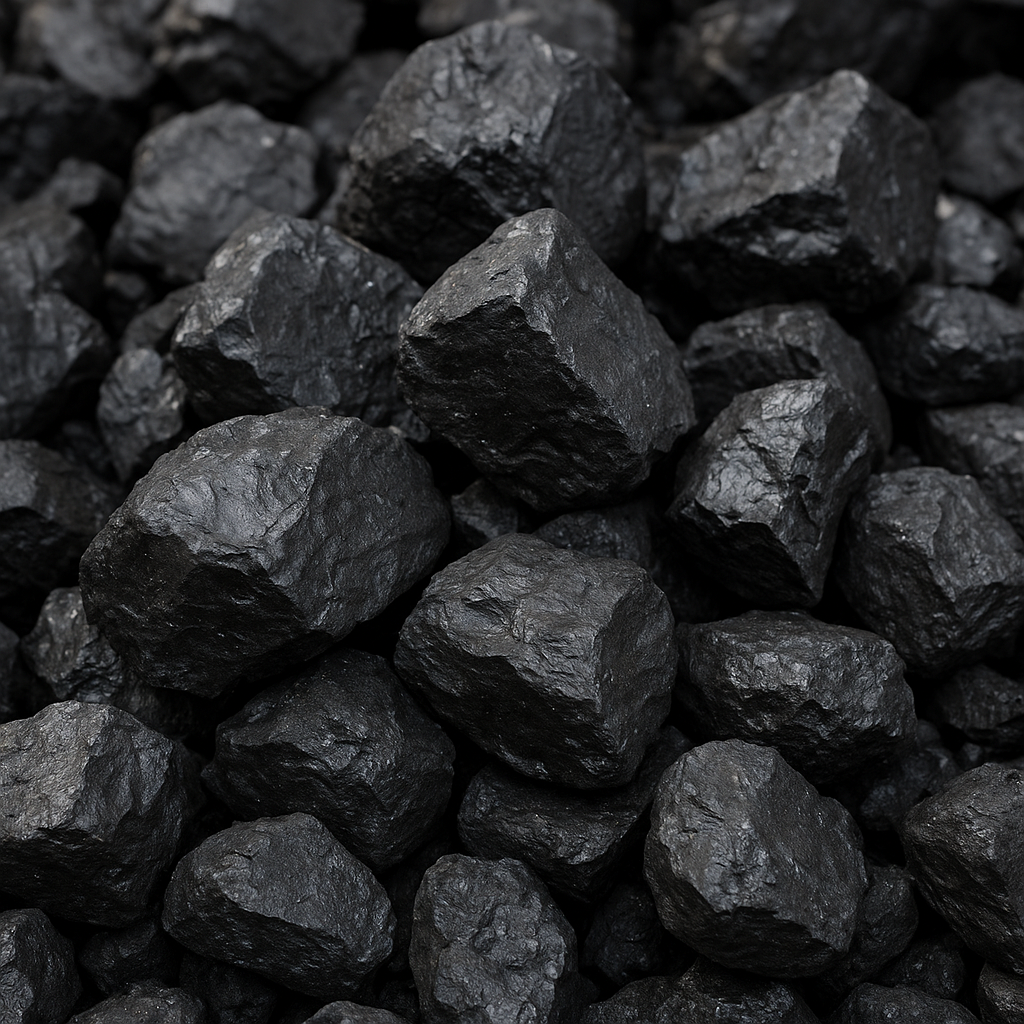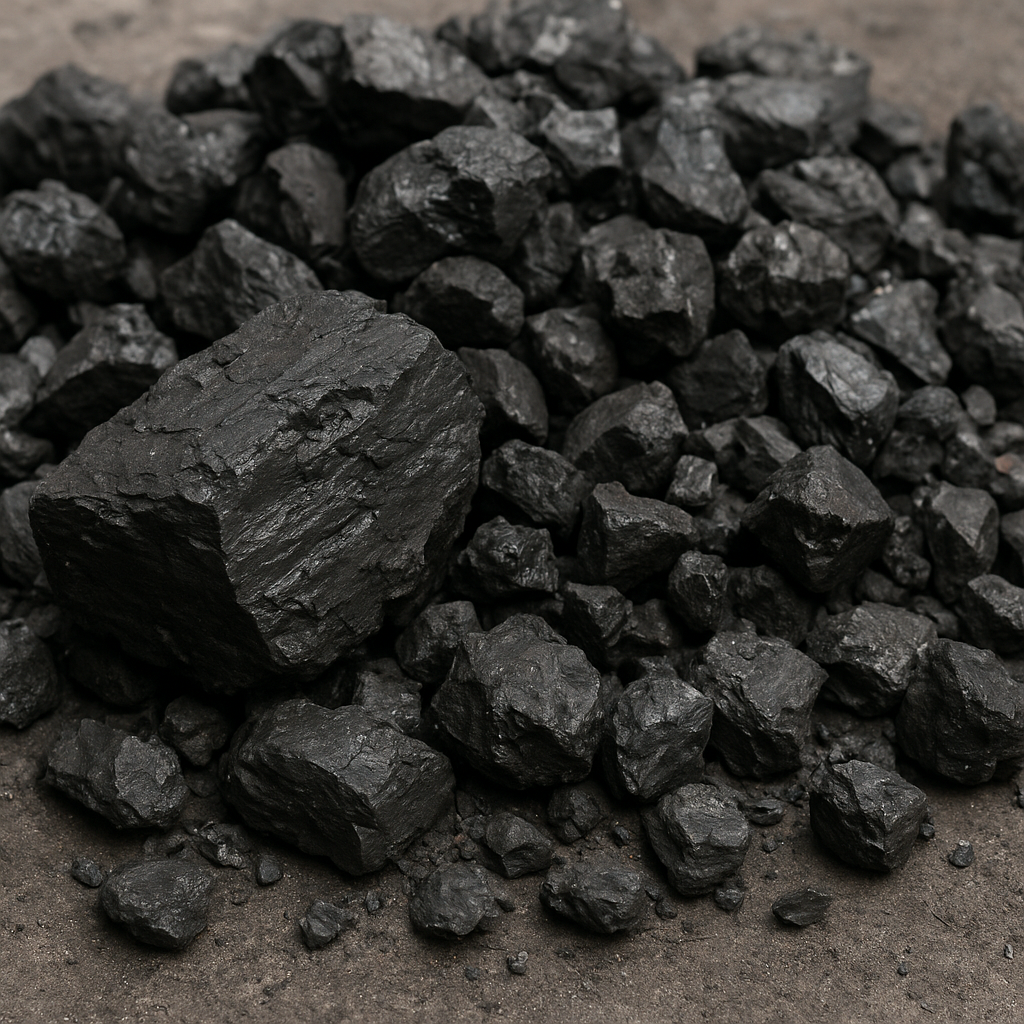
Low-rank coals — commonly referred to as lignite and sub-bituminous coals — occupy an important but often misunderstood position in the global energy mix. Characterized by high moisture content, relatively low calorific value, and abundant deposits close to the surface, these coals have shaped energy systems, regional economies, and industrial technologies for more than a century. This article examines their geological character, global distribution and major mining regions, economic role and statistics, industrial uses and technologies, and the environmental and social issues that surround them. The goal is to provide a comprehensive, balanced picture of what low-rank coals are, where they occur, how they are used, and what their future may hold.
Geology and physical-chemical characteristics
Low-rank coals form at an early stage of coalification, when plant material buried in sediments transforms into peat and then into coal under increasing pressure and temperature. Compared with higher-rank coals (bituminous and anthracite), low-rank coals retain a larger fraction of volatile matter and water, and they have lower fixed carbon and heating value. Typical technical characteristics include:
- Moisture: Often 20–60% by weight in lignite, lower but still significant in sub-bituminous coal.
- Calorific value: Lignite roughly 8–20 MJ/kg (about 2,000–4,800 kcal/kg); sub-bituminous roughly 18–25 MJ/kg (about 4,300–6,000 kcal/kg), depending on rank and dryness.
- High volatile matter and low fixed carbon compared with bituminous coal, which influences combustion behavior and emissions.
- High ash content in some deposits, affecting handling and disposal.
- Prone to spontaneous combustion in exposed faces and stockpiles because of oxidation and self-heating.
Because of their physical properties, low-rank coals are often used in mine-mouth power plants or after pre-drying and upgrading. Their handling requires specialized techniques for drying, transport and firing (e.g., fluidized-bed combustion), and they are less practical for long-distance international shipping unless upgraded.
Global distribution and major mining regions
Low-rank coals are widespread where shallow, relatively young continental sediments preserved abundant plant material. Major regions and notable deposits include:
- Europe: Large lignite basins in Germany (Rhenish and Lusatian basins), Poland (Bełchatów, Turów), the Czech Republic, Greece (Ptolemais), and Spain (Teruel). Germany and Poland historically have been among the largest lignite producers in Europe.
- North America: The United States hosts the Powder River Basin (Wyoming and Montana), the world’s largest single coal-producing region. The PRB’s coal is predominantly sub-bituminous and supplies a large fraction of U.S. electricity. Smaller lignite basins exist in North Dakota, Texas and Mississippi.
- Australia: Victoria’s Latrobe Valley (brown coal/lignite) and other deposits supply mine-mouth power stations; Australian coal ranges from high-quality black coal to low-rank brown coal.
- Asia: China has abundant low-rank coals in Inner Mongolia and other northern provinces. India’s Neyveli lignite district in Tamil Nadu is a significant domestic resource used for power generation and industry.
- Russia and Central Asia: Large deposits of low-rank coals occur across Siberia and Kazakhstan, often mined for local power and heating and increasingly for domestic electricity generation.
- Other notable areas: Bulgaria, Romania, Turkey, Greece and parts of Southeast Asia have important lignite resources used locally.
Representative mines and power plants
- Bełchatów (Poland) — one of Europe’s largest lignite-fired power stations and a classic mine-mouth operation; historically supplied a substantial portion of Poland’s electricity from nearby open-cast mines.
- Powder River Basin (U.S.) — including the North Antelope Rochelle mine, which has been among the world’s largest single coal mines by annual tonnage (over 100 million short tons in peak years); PRB coal is sub-bituminous and widely used by U.S. utilities.
- Latrobe Valley (Australia) — Loy Yang and other brown-coal-fired plants powered by large open-cut mines; the industry has been a focal point of Victorian energy policy and debates over coal closures.
- Neyveli (India) — state-owned lignite mines and integrated power plants meeting regional power and industrial needs.
Mining methods, logistics and market features
Low-rank coals are typically mined by large-scale surface (open-pit) methods because deposits are usually shallow and widespread. Open-cast mining enables the economical extraction of the bulky, high-moisture material but creates large landscapes of benches and spoil heaps. Key logistical and market factors:
- Mine-mouth plants: Due to low energy density and transport costs, many lignite and some sub-bituminous operations are collocated with power stations to minimize transport and drying costs.
- Bulk transport costs: Even where shipping is possible, the low heating value makes long-distance transport uneconomic unless upgrading (drying, briquetting) occurs.
- Handling challenges: Stockpile self-heating, oxidation losses, and the need for weather protection or drying systems increase operational costs.
- Market pricing: Low-rank coals typically trade at lower per-ton prices than higher-rank coals, reflecting their lower energy content and higher handling costs; price competitiveness depends on proximity to demand and ability to use efficiently.
Economic and statistical overview
Low-rank coals remain economically important in many countries because they are abundant, cheap on a delivered energy basis when used near deposits, and support local employment and industrial activity. While global coal production fluctuates, several broad statistical features are notable:
- Production concentration: Certain regions dominate low-rank coal production — for example, the Powder River Basin in the U.S. and lignite basins in Germany and Poland for Europe. These regions can account for large shares of national coal output.
- Contribution to electricity: In countries with large lignite resources, these coals can supply a large share of electricity generation. For example, single large lignite-fired plants or complexes often provide double-digit percentages of national power in countries with significant deposits.
- Employment and regional economies: Mining and associated power generation often form the backbone of regional economies in mining basins, providing direct mining jobs as well as supply chain and service employment.
- Price trends: Coal prices vary regionally and over time. Low-rank coal typically commands lower per-ton prices but its delivered cost per unit of energy depends heavily on transport, drying or upgrading requirements.
Exact global figures for lignite and sub-bituminous production change yearly and vary by source. As an orientation: global coal production in recent years has been in the order of several billion tonnes annually, with low-rank coals representing a significant minority share. Specific mines and basins can produce tens to over a hundred million tonnes per year, making them regional economic pillars.
Industrial uses and technological adaptations
The principal use for low-rank coals is electricity generation, but several industrial and technological pathways exist to improve performance or diversify applications:
- Direct combustion in pulverized coal and fluidized bed boilers — fluidized-bed systems are particularly suited to low-rank coals because they can tolerate higher moisture and ash while maintaining efficient combustion at lower temperatures.
- Pre-drying and coal upgrading — mechanical, thermal or chemical drying reduces moisture and increases heating value, improving transportability and boiler performance.
- Gasification and integrated gasification combined cycle (IGCC) — converting low-rank coal into syngas enables higher combined-cycle efficiencies, potential for chemical feedstocks, and easier CO2 capture in some cases; however, higher moisture content makes gasification more complex and energy intensive.
- Briquetting and pelletizing — compressed lignite briquettes serve local heating markets where small-scale use persists, often in regions with limited alternatives.
- Industrial uses — low-rank coals are used for district heating where mines are close to cities, and in some cases in cement, brick and lime industries where fuel cost and proximity matter more than energy density.
Technological innovations and efficiency measures
- Drying technologies — e.g., low-temperature dryers, fluidized bed dryers, and thermal drying circuits integrated into power plants to raise fuel quality before combustion.
- Advanced boiler designs — supercritical and ultra-supercritical technologies are less common for lignite because of ash and moisture challenges, but research into optimized designs continues.
- Emissions control — flue gas desulfurization, selective catalytic reduction (SCR) and particulate controls reduce SOx, NOx and particulate emissions even when burning low-rank coals.
- Pilot CCS (carbon capture and storage) projects — some lignite plants have hosted CCS pilots; however, economics and higher energy penalties complicate commercial-scale deployment.
Environmental impacts and regulatory context
Burning low-rank coals has significant environmental consequences. The main issues include greenhouse gas emissions, air pollution, land disturbance, water use and local health impacts. Key points:
- Greenhouse gases: Because of low heating value and high moisture, more mass must be burned to deliver the same energy, typically leading to higher CO2 emissions per unit of useful energy than higher-rank coals. This fact has made lignite and sub-bituminous plants central targets of decarbonization policies.
- Air pollutants: Combustion produces SO2, NOx, particulate matter and mercury; modern pollution controls reduce emissions but add to capital and operating costs.
- Land and water impacts: Open-pit mining creates large excavations and spoil heaps; groundwater can be affected and large volumes of overburden must be managed. Reclamation and post-mining land use planning are essential but costly.
- Spontaneous combustion risks: Exposed lignite in waste heaps and spoil can self-ignite, posing risks and requiring management.
Regulatory and market pressures — carbon pricing, renewable energy policies, air quality standards and public opposition — have accelerated closures and mothballing of many lignite-fired plants in Europe and elsewhere. At the same time, energy security concerns and the presence of large local deposits continue to make lignite politically attractive in some nations that prioritize domestic fuel supply over rapid decarbonization.
Socioeconomic implications and the just transition
Communities dependent on low-rank coal face significant transition challenges as policy and markets push away from coal. Important aspects include:
- Employment impacts: Direct mining and power plant jobs are often well-paid relative to regional averages, and closures can trigger local economic hardship.
- Regional dependence: Infrastructure, services and local supply chains are tailored to coal activity, making diversification difficult without targeted investment.
- Policy measures: Programs for reskilling, investment in alternative industries, site remediation and repurposing (e.g., industrial parks, pumped-storage reservoirs, or ecological restoration) are central to a socially acceptable transition.
Examples of planned transitions include phased plant closures, funds for community redevelopment, and pilot projects to repurpose mine sites for renewable energy generation, tourism, or other industrial uses.
Future outlook: markets, technology and policy
The future of low-rank coals depends on a complex interaction of technological advances, market forces and policy choices:
- If carbon pricing and stringent emissions limits strengthen, many lignite-fired operations will become economically uncompetitive unless paired with large-scale CO2 mitigation (which is costly and technically challenging for moist fuels).
- Technological improvements — more efficient combustion, improved drying and cost-effective gasification — could extend the life of some assets, particularly where domestic energy security is a priority.
- In countries with abundant low-rank coal and limited alternatives, these coals are likely to remain part of the energy mix in the near term, albeit under increasing environmental scrutiny.
- Just-transition policies and investment in regional economic diversification will determine how swiftly and smoothly communities move away from coal dependence.
Emerging trends and research directions
- Advanced drying and pre-treatment to reduce transport and combustion penalties, making more flexible uses feasible.
- Modular or small-scale gasification for local chemical feedstocks or hydrogen production, combined with emission controls.
- Hybrid systems that co-fire biomass or use waste heat to increase efficiency and reduce CO2 intensity.
- Investments in reclamation and conversion of former mine lands to support renewable energy (e.g., solar parks) and biodiversity projects.
Interesting facts and lesser-known aspects
- Peat-to-lignite continuum: Lignite represents a geological stage between peat and higher-rank coal; in some basins, exceptionally well-preserved plant fossils are found in lignite seams, providing paleobotanical insights.
- Spontaneous fires: Some lignite seams and spoil heaps can burn for years underground, making mine rehabilitation challenging and occasionally creating local folklore and hazards.
- Briquettes and household use: In several countries historically, compressed lignite briquettes were an important domestic fuel for heating and cooking before widespread electrification and natural gas distribution.
- Mine-mouth economics: Lignite’s economic logic often favors building power stations next to mines — a model that historically supported massive local infrastructure and towns but now complicates decarbonization because of stranded asset risk.
Conclusions
Low-rank coals — lignite and sub-bituminous coal — are geologically widespread and economically important in many regions because they are abundant, inexpensive on a delivered basis when used near the mine, and technically adaptable to a range of combustion and conversion processes. However, their low calorific value, high moisture and emission characteristics create real environmental and logistical challenges. As climate policy tightens and renewable alternatives become more economical, the role of these coals is under pressure. The pace and equity of transition will be shaped by technological innovation (drying, gasification, emissions control), market prices, and deliberate policy choices to support affected communities and to remediate and repurpose former mining landscapes. Regions such as the Powder River Basin, the Rhenish and Lusatian basins, Poland’s Bełchatów area, Australia’s Latrobe Valley and India’s Neyveli remain focal points where decisions about energy, economy and environment will determine the future of low-rank coal for decades to come.