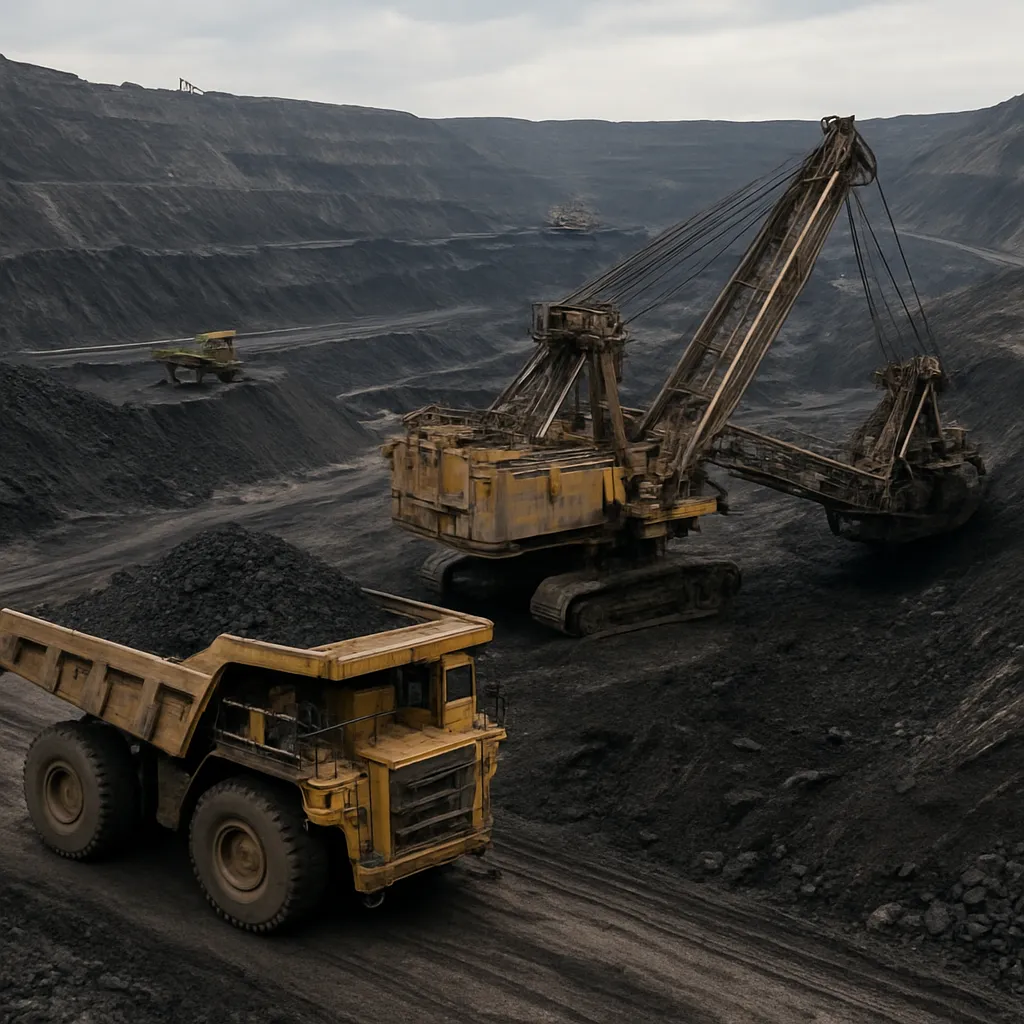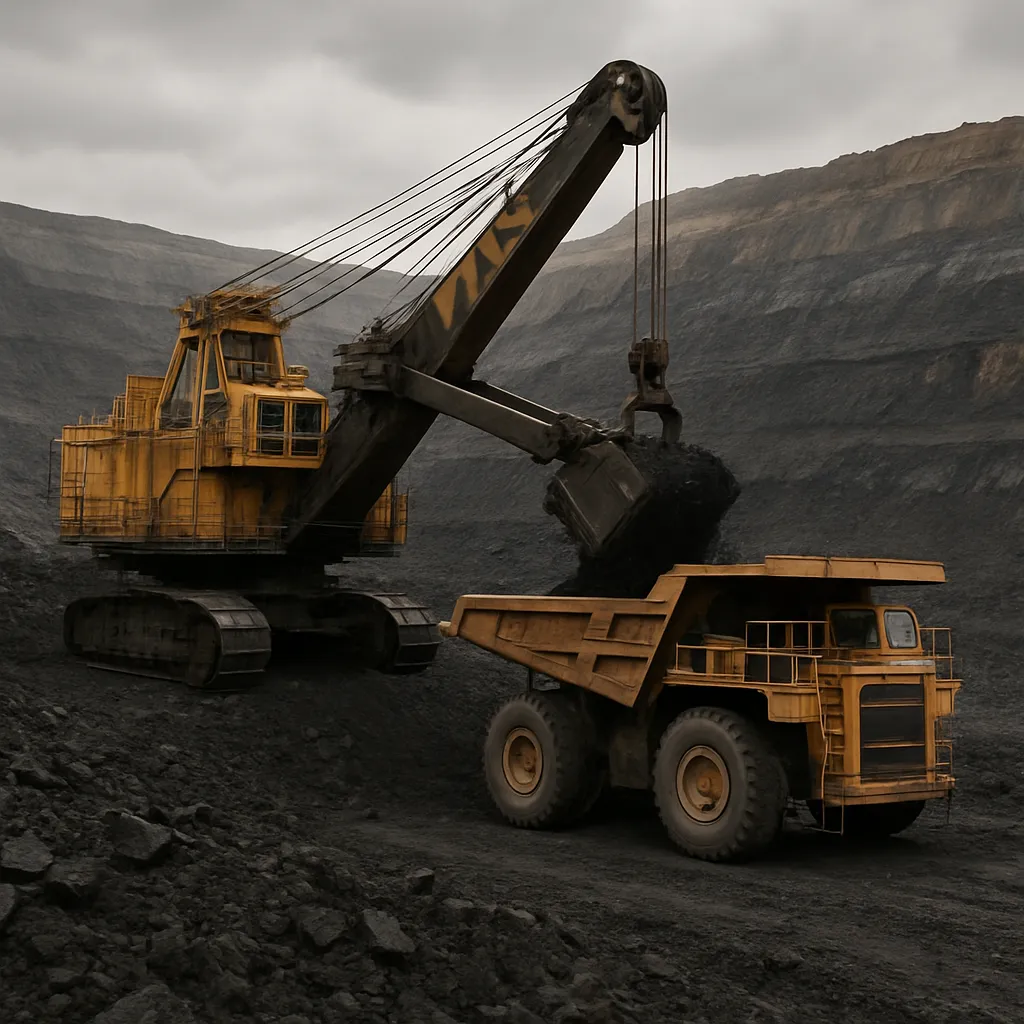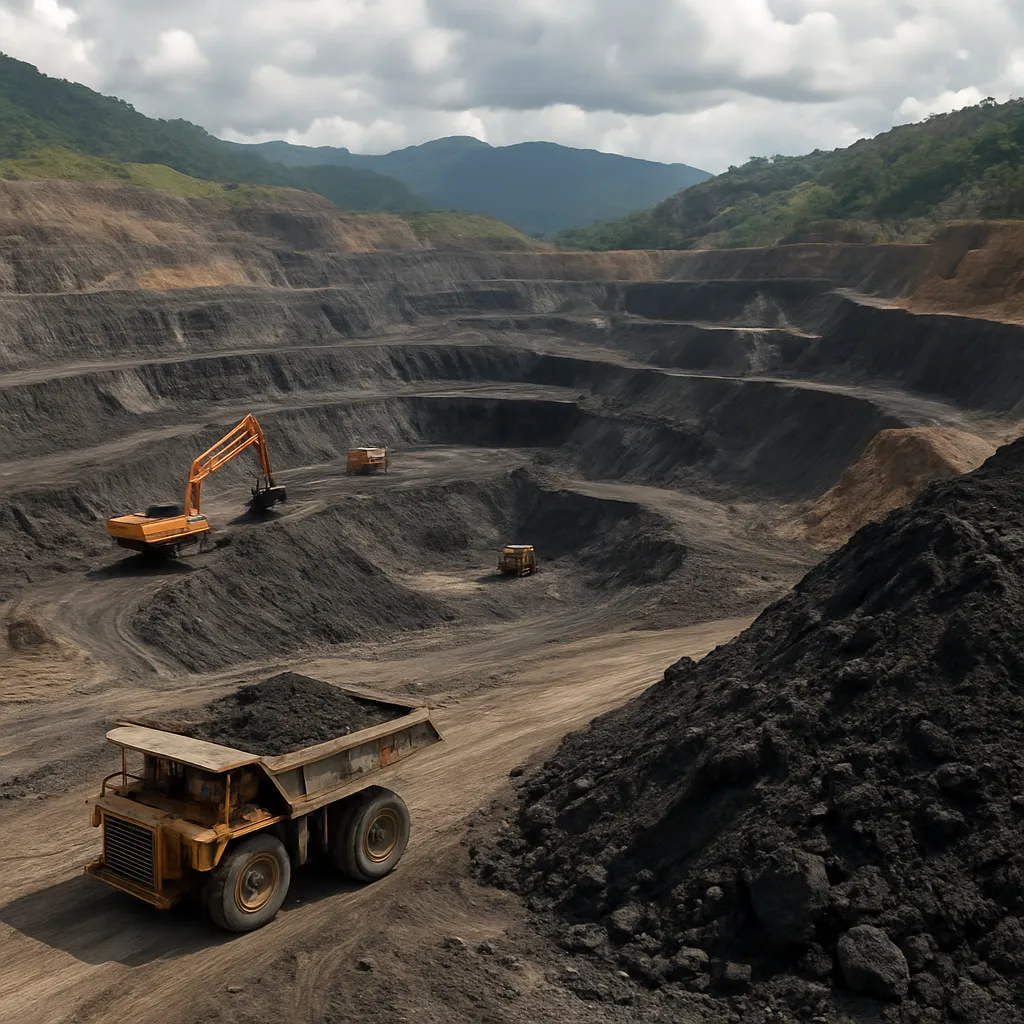
La Francia Coal Mine, located in Colombia, is an example of the country’s medium- and large-scale **coal** operations that connect local geology, national economy and global energy markets. This article examines the mine’s location, geology, the type and quality of coal produced, its economic and industrial role, available production and employment data, and environmental and social issues associated with its operation. Where precise public figures are lacking, the text indicates the nature of estimates and commonly reported ranges. The aim is to provide a comprehensive, balanced portrait of La Francia’s place within Colombian mining.
Location and geological setting
Geographical position
La Francia is situated within one of Colombia’s coal-bearing basins. Colombia’s main coal basins include the Cerrejón basin (La Guajira), the Cesar-Ranchería Basin (Cesar and surrounding departments), and the Middle Magdalena Valley. La Francia lies in a region characterized by open landscapes, agricultural activity and mining infrastructure. Its proximity to regional transport corridors and to ports on the Caribbean coast makes it suitable for both domestic use and international export.
Geology and coal formation
The coal seams exploited at La Francia belong to the stratigraphic sequences typical of Colombian coalfields. The coal is generally formed from ancient plant material deposited in fluvial and deltaic environments and later transformed under pressure and heat. The dominant rank for coals in the region is within the low- to medium-volatile **bituminous** range, often marketed as **thermal** coal for power generation and industrial boilers. Local stratigraphy includes multiple seams of variable thickness and lateral continuity; mining plans depend on seam geometry, overburden thickness and structural features such as faults and folds.
Mining method and geology-driven design
Mining at La Francia is tailored to the seam geometry and depth. Where seams are near surface and continuous, open-pit methods are economical; where depth or local constraints increase, selective underground methods may be applied. Typical geotechnical considerations include slope stability for open pits, groundwater control, and management of overburden and waste rock. Geological mapping, core logging and geophysical surveys underpin resource estimation and mine planning.
Coal characteristics and products
Type of coal
La Francia primarily produces **thermal coal**, intended for electricity generation and industrial heat applications. Thermal coals from the Colombian basins generally have:
- Calorific values competitive in international markets (commonly in a mid-range making them attractive for power plants)
- Moderate to low **sulfur** content relative to some global deposits, which improves marketability
- Variable ash content depending on seam and washing/beneficiation processes
These attributes make such coal suitable for both domestic consumption and export to regional and global buyers.
Quality control and beneficiation
Modern coal operations, including La Francia, typically incorporate testing and beneficiation to meet buyer specifications. Processes include washing to lower ash and impurity levels, sizing, and sometimes blending of coal from different seams or production phases to achieve consistent calorific value and combustion characteristics. Quality assurance laboratories run proximate and ultimate analyses, calorific determinations and assessments of moisture, sulfur and ash.
Product lines and end uses
Coal from La Francia is mainly destined for:
- Domestic power generation in Colombian thermal plants
- Industrial consumers that require stable, medium-energy fuel
- Export markets where Colombian thermal coal is blended into international mixes
The balance between domestic and export sales depends on market prices, transport costs and bilateral contracts with utilities or trading houses.
Economic and industrial significance
Contribution to local and regional economies
Mines like La Francia are economically significant for their host regions. They provide direct employment opportunities, stimulate local procurement of goods and services, and contribute to municipal and departmental budgets through taxes, royalties and municipal agreements. Typical economic impacts include:
- Direct employment (skilled miners, engineers, technicians and administrative staff)
- Indirect employment in logistics, maintenance, local suppliers and service companies
- Investment in roads, power and water infrastructure that may have spillover benefits to communities
In many Colombian coal mining regions, revenues from coal have supported social programs, local contracting and infrastructure improvements.
Role in national exports and foreign exchange
Colombian coal is one of the country’s leading commodity exports. While the largest single operations (such as those in La Guajira) attract greatest attention, medium-sized mines like La Francia contribute to the national export portfolio. Coal exports generate foreign exchange and are an important source of trade diversification for Colombia. The share exported from any one mine varies with contractual terms and transport capacity.
Linkages to industry and energy supply
Coal from La Francia supports both power generation and industrial processes. In countries where thermal coal remains a significant portion of the electricity mix, mines provide a reliable source of baseload fuel. Furthermore, the industry supports equipment suppliers, maintenance firms and engineering services, creating technological and skills linkages across sectors.
Production statistics and employment (estimates and context)
Available data and the nature of estimates
Precise, mine-level production and reserve data are sometimes reported by operator companies in annual reports or to national mining agencies, but access and harmonization of these figures vary. For La Francia, publicly released numbers can be intermittent. Below are contextual statistics and cautious estimates that illustrate scale and importance without claiming precise up-to-the-minute accuracy.
Typical production ranges
Medium-sized coal mines in Colombia commonly produce anywhere from a few hundred thousand to several million tonnes per year depending on reserve size, market demand and operational capacity. La Francia’s annual production, when active at full capacity, fits within the lower-to-middle end of this range for medium operations. Exact annual tonnages fluctuate with market conditions and operational cycles.
Employment and local spending
A mine like La Francia typically employs:
- Direct workforce ranging from several hundred to over a thousand employees during peak operation
- Additional contract and service personnel for transport, equipment maintenance, geology and technical services
Local procurement and taxes can generate significant recurring income for municipalities and local suppliers. Many companies operating in Colombia implement community development programs and training initiatives to strengthen local labor pools.
Infrastructure and logistics
Transport corridors
Effective coal export and domestic distribution depend on reliable transport infrastructure. Coal from mines in the northern basins typically travels by truck and rail to Caribbean ports, where it is loaded onto bulk carriers. Key elements include:
- Access roads capable of handling heavy truck traffic
- Rail links where available to reduce unit freight costs
- Port terminals with bulk-handling capacity and adequate draft for export vessels
Investment in these assets is often shared by industry, government and logistics providers.
Ports and export pathways
Caribbean ports on Colombia’s northern coast are essential gateways for coal exports. Even for smaller operations, access to bulk-loading terminals, stockyard capacity and efficient shiploading facilities determines export competitiveness. Where rail is limited, long-haul trucking to ports can increase costs and influence decisions about export volumes versus domestic sales.
Environmental and social considerations
Regulation and environmental management
Colombian mining is regulated by national and regional authorities with requirements for environmental impact assessments, monitoring, reclamation and community consultation. At operational sites such as La Francia, environmental management typically addresses:
- Air quality and dust suppression during material handling and transport
- Water management, including prevention of contamination and proper treatment of process water
- Rehabilitation of disturbed land and progressive reclamation to reduce long-term impacts
Companies often implement environmental management systems (EMS) aligned to international standards to control impacts and document performance.
Social license, communities and Indigenous rights
Securing and maintaining a social license to operate is crucial. Mining affects nearby communities through land use change, altered water availability and traffic. Successful projects typically develop stakeholder engagement programs that include:
- Community consultation and participatory planning
- Local hiring and training programs
- Investment in education, health and local infrastructure
In areas with Indigenous or Afro-Colombian communities, specific safeguards and legal protections apply under Colombian and international standards.
Environmental challenges and mitigation
Key environmental challenges include dust generation, runoff management, biodiversity impacts and greenhouse gas emissions from coal combustion. Mitigation measures commonly used include:
- Vegetative buffers and progressive revegetation of waste dumps
- Water treatment plants and controlled drainage systems
- Dust suppression through water spraying, covering of stockpiles and reduced-speed transportation corridors
- Programs to measure and lower methane emissions from coal operations
Transparency in reporting and independent monitoring can build confidence among stakeholders.
Industry context and market dynamics
Colombia’s position in the global coal market
Colombia is a significant global supplier of thermal coal, competing primarily in the Atlantic markets. The country’s strengths include relatively favorable shipping distances to North America, parts of Europe and the Caribbean, and a reputation for certain coal quality parameters that buyers value. Market dynamics that affect operations such as La Francia include:
- Global thermal coal price cycles driven by demand in power generation and by gas and renewables
- Freight costs and port availability
- Environmental policies in importing countries that can restrict thermal coal use or favor lower-emission alternatives
Contracts, trading and revenue models
Coal sales may be secured via long-term offtake contracts with utilities or traded on the spot market via commodity traders. Revenue stability often depends on the balance between contracted sales (which reduce price risk) and opportunistic spot sales (which can capture price spikes but expose producers to volatility). Hedging and contractual structures are tools that operators use to manage price and currency risks.
Future prospects and innovation
Technological improvements
Technological advances that can affect La Francia and similar mines include:
- Automation and remote operation of drilling and haulage equipment, improving safety and productivity
- Improved wash plant and beneficiation technologies that increase product quality and reduce waste
- Digital mine planning, geostatistics and predictive maintenance systems that lower operating costs
Investing in such technologies can extend mine life and improve competitiveness.
Transition risks and diversification
Global decarbonization trends place long-term pressure on thermal coal demand. Mines and host economies face transition risks that can be managed by:
- Diversifying local economies into services, agriculture, logistics and other extractive minerals
- Investing royalties and tax revenues into sustainable local development projects
- Exploring alternative industrial uses for coal-derived materials where applicable
Forward-looking planning and stakeholder collaboration are essential to reduce vulnerability to market shifts.
Notable operational and community initiatives
Community development and training
Many mining operations implement programs targeted at improving education, health and employability in adjacent communities. Common initiatives include scholarship schemes, vocational centers focused on mining and technical skills, and small-business support programs that stimulate local supply chains.
Reclamation and biodiversity programs
Progressive reclamation—restoring mined areas as mining proceeds—reduces long-term environmental liability and can support biodiversity. Reclamation plans may include native species planting, creation of wetlands for water treatment, and design of post-mining land uses such as agriculture, forestry or ecotourism where appropriate.
Summary and outlook
La Francia Coal Mine is representative of Colombia’s medium-scale coal operations: geologically anchored in productive basins, supplying thermal coal for domestic and export markets, and embedded in local economies through jobs and infrastructure investment. While exact production and reserve numbers vary by source and over time, the mine’s contributions span employment, fiscal revenues and links to regional logistics networks. At the same time, La Francia faces environmental and social responsibilities that require ongoing investment, transparent engagement and adaptive planning—especially in a global context where thermal coal demand is under pressure. The mine’s future will be shaped by market prices, technological adoption, regulatory frameworks and the effectiveness of strategies that reconcile economic benefits with environmental stewardship and community wellbeing.