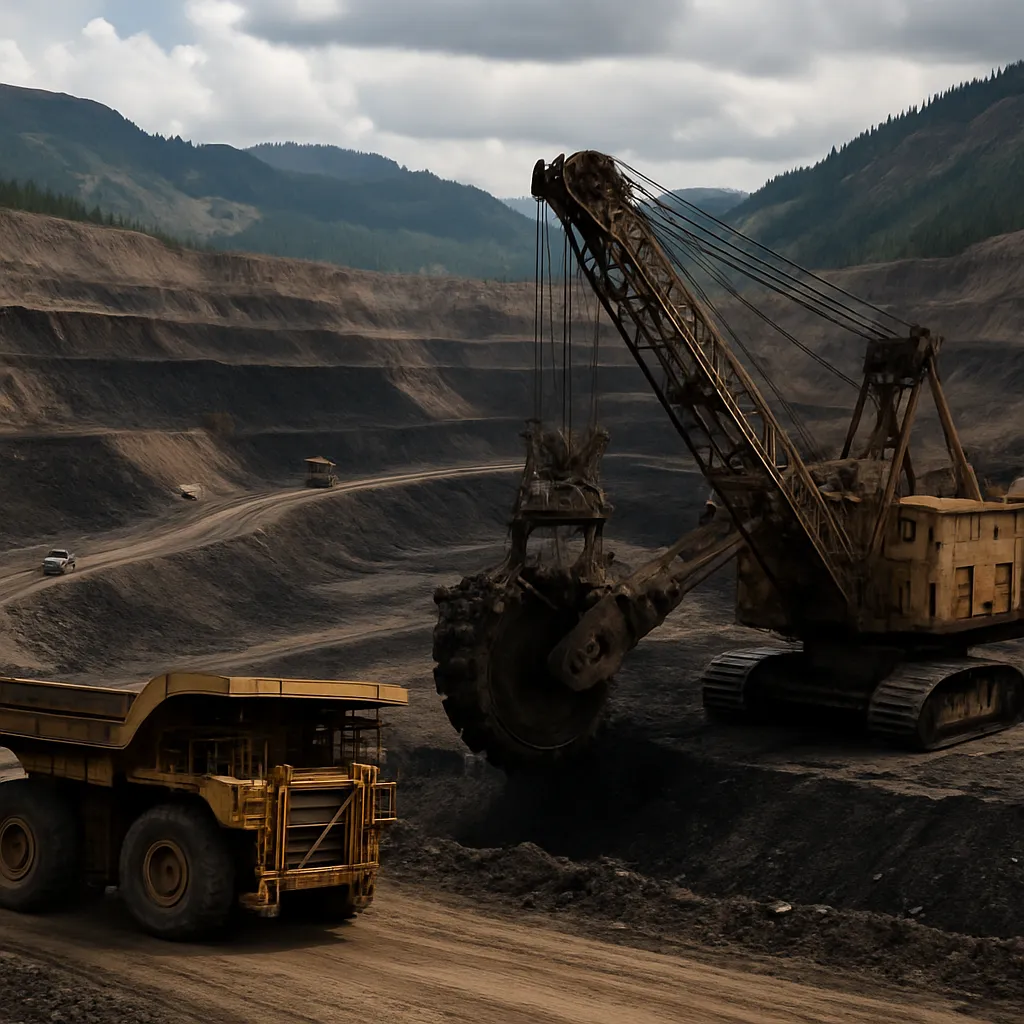
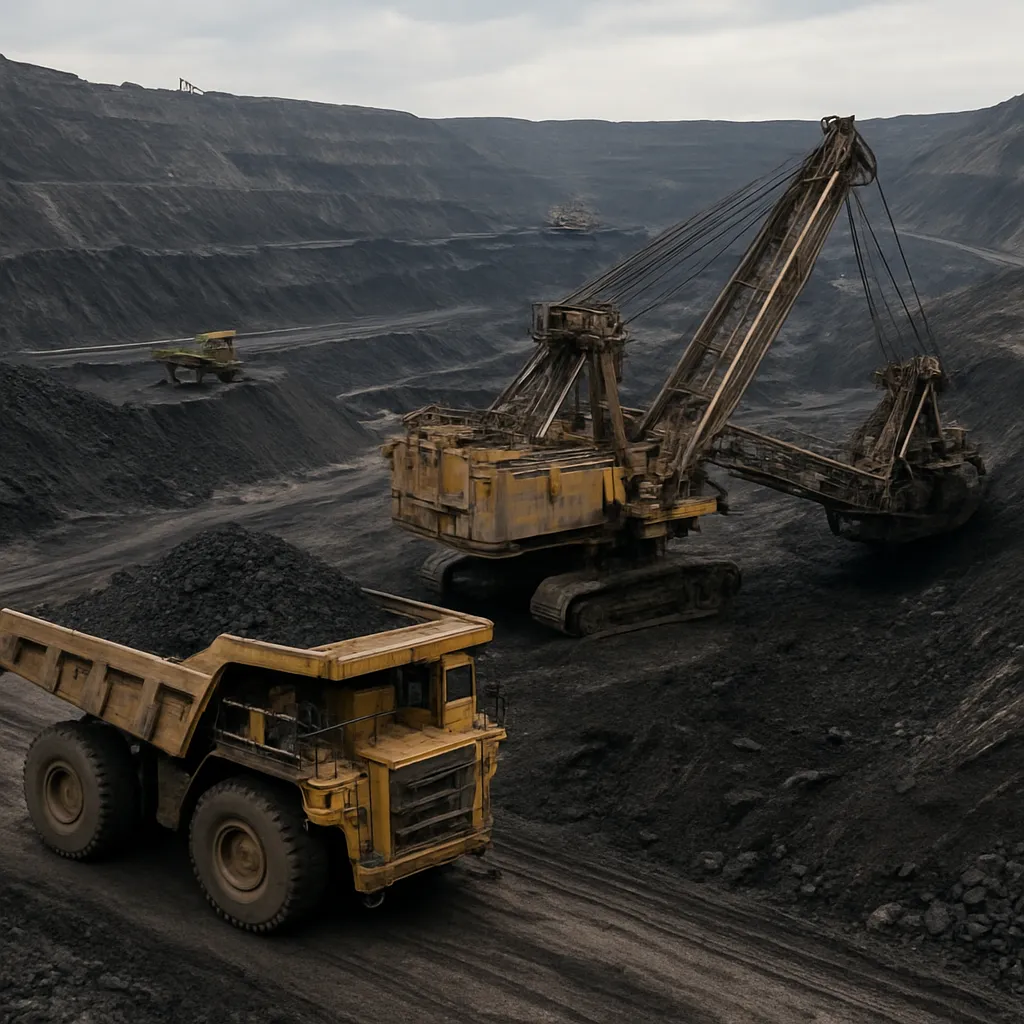
The Jingyang Coal Mine is an important element within China’s vast coal mining landscape. Located in a region with a long history of mineral extraction, the mine contributes to local economies, national energy security, and industrial supply chains. This article examines the mine’s location and geology, the type of coal produced and mining methods used, the economic and social role it plays, environmental challenges and mitigation efforts, and perspectives on the mine’s future in the context of China’s evolving energy policy. Where precise public figures for the mine are unavailable, the discussion places Jingyang in the broader regional and national context to illustrate its likely scale and significance.
Location and Geological Setting
The Jingyang Coal Mine is situated in the vicinity of Jingyang County, within the administrative boundaries of Shaanxi Province in north-central China. Jingyang County lies on the Guanzhong Plain east of the provincial capital, Xi’an, and is part of a region with varied geology that includes Permian and Carboniferous coal-bearing strata in nearby basins. While there are several coalfields across Shaanxi and neighboring provinces, the local geology near Jingyang features sedimentary sequences that historically host coal seams of economic interest.
The coal-bearing formations in the broader Shaanxi region typically formed in Paleotidal plain, deltaic and lacustrine settings during the Late Carboniferous and Permian periods. These conditions favored the accumulation of organic matter that later transformed into coal under burial and diagenesis. Coal seams in the area range in thickness and lateral continuity; some are amenable to modern mining techniques, while others are discontinuous or deeply buried.
Key geological features relevant to a mine like Jingyang include:
- Stratigraphy: Multiple coal-bearing horizons often separated by shale, sandstone and siltstone interbeds.
- Seam thickness: Variable; commercially viable seams typically exceed a meter in thickness, but economic extraction depends on depth and quality.
- Structure: Faulting and folding can complicate mine planning and increase operational risk.
- Hydrogeology: Groundwater conditions influence roof support, dewatering needs and environmental management.
Because Jingyang lies within a mosaic of agricultural land, small urban centers and industrial activity, mining operations must reconcile extraction needs with land-use constraints and local water resources. The proximity to transportation arteries, such as provincial roads and rail networks linked to Xi’an, often determines a mine’s commercial viability by influencing logistics costs for coal shipment.
Mining Operations and Coal Characteristics
Jingyang Coal Mine primarily produces thermal coal used for power generation and industrial heat processes, consistent with many mines in central and northern China. The coal type in this region is commonly classified as bituminous or sub-bituminous depending on the specific seam and degree of coalification. Bituminous coal from Permian strata typically has moderate to high calorific value and variable volatile matter content, making it suitable for electricity generation, coke blending (in some blends), and thermal applications.
Typical characteristics of coal produced in mines like Jingyang include:
- Calorific value: Moderate to high, often in the range appropriate for power plant co-firing and standalone thermal generation.
- Ash content: Variable; higher ash content can affect combustion efficiency and requires beneficiation or blending.
- Sulfur content: Usually low to moderate in many Shaanxi coals, but sulfur concentrations affect emissions control strategies.
- Moisture and volatile matter: Influences handling and combustion behavior in both industrial and utility boilers.
In terms of methods, mining at Jingyang is likely to employ a combination of underground techniques and, where geological conditions permit, selective open-pit extraction. Modern underground operations in China frequently use longwall mining systems when seam geometry and continuity allow it. Longwall mining offers high productivity, mechanized face operations, and efficient resource recovery. Smaller seams or areas constrained by surface infrastructure often use room-and-pillar methods or shortwall operations.
Mechanization and safety improvements have been major themes in Chinese coal mining over recent decades. Jingyang’s operation would typically integrate practices such as:
- Electric or hydraulic roof support systems to manage subsidence and maintain miner safety.
- Ventilation networks to control methane and dust, with methane monitoring and drainage where necessary.
- Conveyor systems, crushers and washing/beneficiation facilities to prepare coal for market specifications.
- Gas drainage and monitoring systems in gassy seams to reduce explosion risk.
Coal beneficiation — washing and processing to reduce ash and sulfur — can be an important step to improve product quality and marketability. The presence of nearby power plants or industrial consumers often leads to integrated logistics arrangements where mine-mouth delivery reduces transportation costs and stabilizes demand.
Economic Role and Industrial Significance
Jingyang Coal Mine is a local economic anchor, providing direct employment, supporting ancillary industries and contributing tax revenues to county and provincial budgets. Coal mining operations typically have multiplier effects in their regions: labor demand supports local services and retail, while transport and equipment purchases stimulate manufacturing and logistics sectors.
Economic contributions of the mine can be grouped into several key areas:
- Employment: The mine provides jobs for miners, engineers, managers and support staff. Indirect employment arises in transport, equipment maintenance, and supply chains.
- Revenue and taxes: Royalties and corporate taxes contribute to local public finances, funding infrastructure and social services.
- Energy security: Production from Jingyang helps meet regional demand for thermal coal used in power generation and industry, thereby supporting stable electricity supply.
- Industrial feedstock: Coal supports industries such as brick-making, cement, chemical production and small-scale steelmaking in the broader region.
At the national level, mines like Jingyang collectively underpin China’s still-large reliance on fossil fuels for electricity and industrial heat. Although China has accelerated investment in renewable energy and nuclear output, coal remains central to baseload generation because of existing infrastructure and economic considerations. The mine’s role in regional supply chains can include direct supply contracts to nearby power plants, sale on provincial coal exchanges, and spot shipments to industrial consumers.
Specific production numbers for Jingyang Coal Mine are not always publicly disclosed in detail. Many county-level mines range from modest output (hundreds of thousands of tonnes annually) to mid-size operations producing several million tonnes per year. The mine’s output is conditioned by reserve size, seam thickness, mechanization level and permitted production quotas set by provincial regulators. Local planning documents and company reports, when available, typically provide the most reliable figures for a given year.
Environmental and Social Considerations
Coal mining presents environmental challenges that Jingyang must manage as part of responsible operations. Typical issues include land disturbance, water consumption and quality impacts, air emissions (dust and combustion-related pollutants), subsidence, and waste generation from tailings and coarse rejects. Social considerations include the health and safety of workers, effects on nearby communities, and the legacy of post-mining land use.
Key environmental management strategies often employed at modern mines include:
- Land reclamation: Progressive restoration of disturbed areas, soil replacement, re-vegetation and conversion to agricultural or recreational uses after mine closure.
- Water management: Treatment of mine water, sediment control systems, and efforts to minimize impacts on local groundwater and surface water resources.
- Air quality control: Dust suppression (water sprays, coverings on conveyors and trucks) and treatment of combustion gases at downstream users.
- Waste handling: Safe storage of coarse rejects, management of acidic drainage risks if present, and reuse of materials where feasible.
- Community engagement: Local hiring policies, compensation mechanisms for affected households, and investment in community infrastructure (roads, schools, clinics).
China’s regulatory framework has tightened in recent years with stricter environmental standards and closer enforcement by provincial and national agencies. For Jingyang and similar mines, compliance requires investment in pollution control equipment, environmental impact assessments, and ongoing monitoring. These measures can increase operational costs, but they also reduce risks related to fines, shutdowns and reputational damage.
Worker safety remains a critical concern. The industry has made steady progress in reducing fatality rates through mechanization, better training, and improved safety systems, but underground mining can still pose significant hazards. Methane control, roof support, and emergency response planning are essential components of safe mine operation.
Statistical Context and Regional Comparisons
While specific, up-to-date annual production and reserve figures for Jingyang Coal Mine may be limited in public domain sources, useful perspective can be gained by comparing the mine to regional and provincial aggregates.
Shaanxi Province is one of China’s significant coal-bearing provinces. In the broader national context, Chinese coal production is dominated by large-scale operations in major coal provinces; however, county-level mines like Jingyang still play meaningful roles in regional supply and employment. Typical statistical aspects to consider include:
- Reserve estimates: Regional reserves in Shaanxi are measured in hundreds of millions to billions of tonnes across multiple coalfields. Individual mines commonly report proven and probable reserves ranging from several million to multiple tens of millions of tonnes depending on extent and depth.
- Production scale: County-level mines might produce from under 0.5 million tonnes per year to several million tonnes per year. Large national mines exceed these figures by an order of magnitude, but aggregation of many smaller mines contributes significantly to provincial totals.
- Employment levels: A single mid-size mine can directly employ hundreds of people, and indirect employment multiplies that number in local economies.
- Contribution to power generation: Coal from regional mines supplies local power plants, often located within a few hundred kilometers to minimize transport costs.
National trends also matter: China’s overall coal consumption and production have been influenced by economic growth, energy policy, and seasonal demand. Policies aimed at reducing air pollution (especially PM2.5) have encouraged cleaner coal use, co-firing with lower-emission technologies, and the upgrading of plants and boilers. Simultaneously, energy security concerns have led to maintenance of domestic coal capacity and support for critical mines that assure stable supply to industrial centers.
Technological Upgrades and Modernization
To stay competitive and compliant with environmental and safety standards, mines like Jingyang typically pursue modernization strategies. These can include:
- Automation: Introduction of remotely controlled longwall shearers, automated conveyors and real-time monitoring systems to increase productivity and enhance safety.
- Digitalization: Use of mine information systems for scheduling, geotechnical monitoring, fleet management and predictive maintenance.
- Energy efficiency: Measures to reduce electrical consumption in hoisting, ventilation and processing operations, sometimes through waste-heat recovery or more efficient motors.
- Clean coal technologies: Investment in coal-washing facilities to lower ash and sulfur, and partnerships with downstream users to supply higher-quality fuel for efficient combustion.
Adoption of these technologies often requires capital investment and access to technical expertise. Provincial governments and state-owned enterprises have sometimes supported upgrade programs through financing and technical collaboration. For private or smaller state-affiliated mines, access to such resources can determine the pace of modernization.
Socioeconomic Impacts and Community Relations
The social license to operate is increasingly important. Jingyang’s management typically engages with local communities on issues such as land acquisition, resettlement when unavoidable, and compensation. A mine that proactively invests in community development—schools, clinics, road improvements—tends to maintain more stable local relations and reduce conflicts over environmental and social impacts.
Common community-focused initiatives include:
- Local hiring programs and vocational training aimed at building a skilled workforce.
- Health outreach and occupational safety campaigns for miners and families.
- Support for agricultural or non-mining local enterprises to diversify local economies and reduce dependence on the mine.
Post-mining planning is another critical social objective. Preparing closure plans that include land reclamation, alternative livelihoods and maintenance of infrastructure helps mitigate long-term negative impacts and facilitates smoother transitions when reserves are exhausted.
Future Outlook: Transition, Policy and Market Forces
The future of Jingyang Coal Mine is shaped by the complex interplay of market demand, national energy policy, environmental regulations, and technological change. Key factors likely to influence the mine’s trajectory include:
- Energy transition pressures: China’s commitment to peak emissions and eventual carbon neutrality places longer-term pressure on coal demand, although timelines and sectoral exceptions for heavy industry may preserve thermal coal demand for years.
- Policy balance: China’s energy strategy emphasizes both emissions reduction and energy security; this dual aim may support continued operation of strategically important mines while encouraging cleaner coal use and co-firing solutions.
- Market dynamics: International coal markets, domestic demand for power and industrial heat, and prices influence profitability and investment decisions for mines like Jingyang.
- Technological advances: Further mechanization, methane utilization projects, and digital transformation can reduce costs and environmental footprint, extending the economic life of reserves.
Realistically, Jingyang is likely to continue serving regional energy needs in the near to medium term while incrementally improving environmental performance and worker safety. Longer-term prospects depend on broader decarbonization pathways and the pace at which China can deploy alternatives for industrial heat and grid stability.
Interesting Facts and Broader Context
Several aspects make mines in this class notable beyond simple production figures:
- Integration with regional industry: Many coal mines develop close ties with nearby power plants or industrial clusters, creating stable offtake arrangements that benefit both parties.
- Heritage of coal mining: Regions like Shaanxi have cultural and historical ties to mining, shaping local identity and labor traditions.
- Potential for methane capture: If seams are gassy, methane drainage can supply local power generation or be used as fuel, reducing greenhouse gas emissions and improving safety.
- Opportunities for rehabilitation: When closed, former mining sites can be repurposed for agriculture, industry parks or ecological restoration, depending on planning and investment.
Finally, while the Jingyang Coal Mine might not be among China’s largest single operations, its role is important at the county and provincial level. Smaller and mid-sized mines cumulatively supply a significant share of regional coal demand, support livelihoods in less urbanized areas, and form part of the layered infrastructure that has powered China’s industrialization.
Summary
The Jingyang Coal Mine is a representative example of a county-level Chinese coal operation: geologically anchored in coal-bearing strata characteristic of Shaanxi, producing primarily thermal coal of bituminous character, and using modernized mining techniques to balance productivity with safety. Economically, it supports local employment, government revenues and regional energy needs. Environmentally and socially, the mine faces challenges typical of coal operations — land disturbance, water management and air quality — which require active mitigation and community engagement.
Outlook for Jingyang will depend on evolving policy, market conditions, and the mine’s ability to adopt cleaner and more efficient technologies. In the near term it will likely remain a meaningful contributor to regional energy security and the local economy, while the longer-term role of coal in China’s energy mix continues to be reshaped by national decarbonization goals and advances in alternative energy and industrial processes.