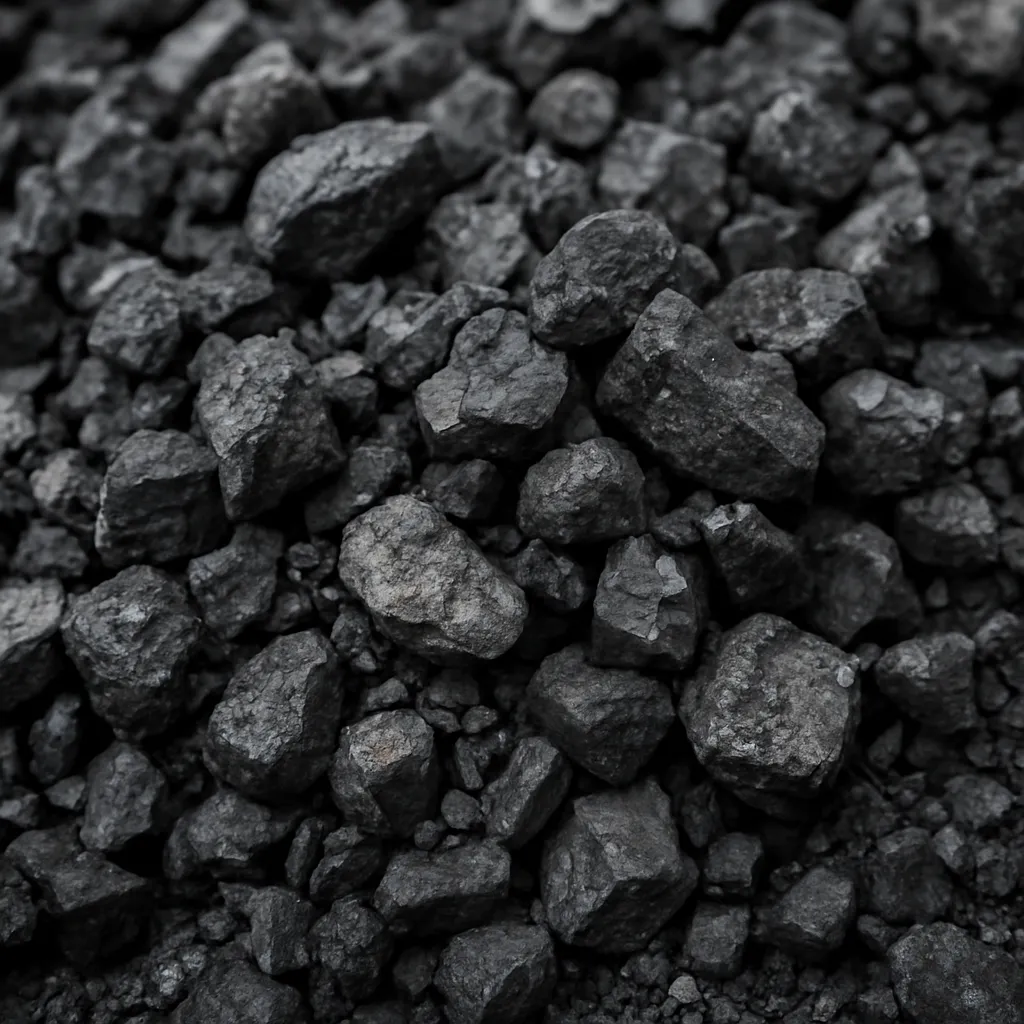
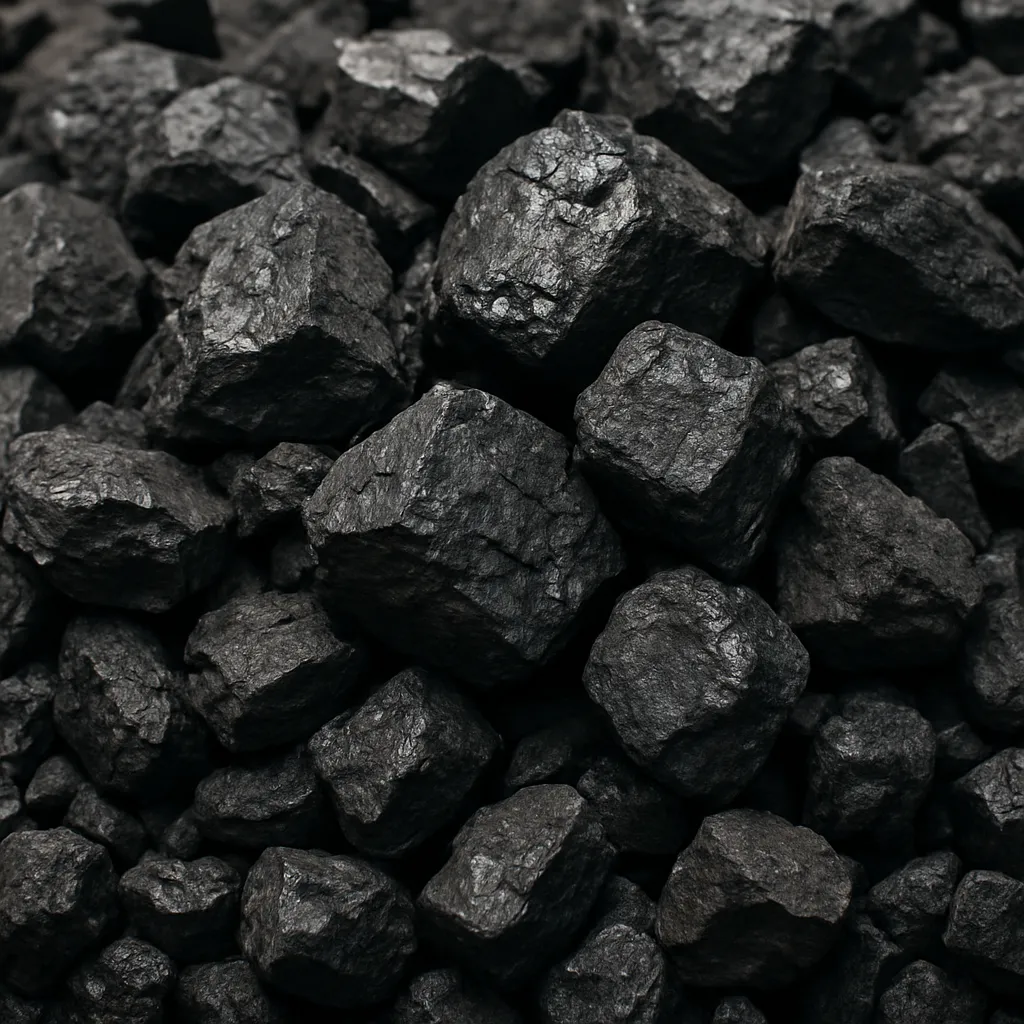
House coal — commonly sold as lumps of coal intended for domestic heating and small-scale use — remains an important yet controversial energy commodity in many parts of the world. This article examines what house coal is, where it is found and mined, the global and regional production and trade patterns, its economic role, environmental and health implications, and likely future trends. The aim is to provide a comprehensive overview that is useful for policymakers, consumers, and anyone interested in the continuing role of solid fuels in the energy mix.
Geology, types and characteristics of house coal
Coal is a sedimentary rock formed from the accumulation and transformation of plant material over millions of years. Not all coal is the same; differences in rank, composition and physical form determine how suitable a particular coal is for household heating. Four broad categories are widely used:
- Anthracite — the highest rank: high carbon content, high calorific value, low volatile matter and low smoke. Often preferred where clean, long-burning house coal is required.
- Bituminous coal — medium to high rank: good heating value, widely used for domestic and industrial purposes when properly sized.
- Sub-bituminous coal — lower carbon, higher moisture: less energy per kilogram, more smoke and higher volatile content.
- Lignite (brown coal) — lowest rank: high moisture, low heating value; rarely used as premium house coal because it produces more smoke and ash.
Important consumer attributes of house coal include calorific value (energy per kilogram), moisture content, size and shape of lumps, ash content and the level of sulfur and other trace elements (which influence odor, corrosivity and emissions). Good house coal typically combines a relatively high calorific value (20–34 MJ/kg depending on rank), low moisture and manageable ash.
Where house coal occurs and how it is mined
Geographical distribution of coal basins
Coal deposits are found on every continent except Antarctica, but the largest modern producers are concentrated in a handful of countries. Key coal-bearing regions that supply domestic or household markets include:
- East Asia — especially the vast coalfields of China, which dominate global production and consumption.
- South Asia — notably India, with extensive bituminous and sub-bituminous resources used both for power generation and heating in some regions.
- North America — United States and Canada, with diverse coal types; pockets of household or small-scale coal use persist in rural areas.
- Oceania — Australia and Indonesia are major producers and exporters; while much of their output goes to industry and power, they also supply some domestic markets and export markets where household coal is in demand.
- Eastern Europe and the Balkans — countries such as Poland, Czechia, Romania and parts of the Balkans continue to have significant household coal usage, often tied to older building stock and rural heating traditions.
- Africa and South America — smaller, localized deposits supply regional markets.
Mining methods
House coal comes from the same mines that supply power plants and industry. Typical mining methods include:
- Underground mining — deep shaft or longwall methods recover higher-grade coals and are common in older, established coalfields (e.g., parts of Europe, China, the United States).
- Opencast (surface) mining — large-scale removal of overburden to access coal seams; commonly used for lower-rank coals and in countries with shallow deposits (e.g., Australia, parts of Indonesia).
- Small-scale and artisanal mining — common in some developing regions where households buy coal directly from smaller operations or local traders.
After extraction, coal intended for household use is often sized, screened and sometimes blended to meet consumer expectations for lump size, burn characteristics and ash behavior. In some markets, “house coal” is also subject to additional processing to create “smokeless” fuels or briquettes.
Global production, reserves and trade — statistical context
Coal remains a major global commodity despite the widespread growth of renewables and natural gas. Recent years (2019–2023) saw global coal production in the range of approximately 7–8 billion tonnes annually. Production varies year to year with economic conditions, energy demand and policy changes. The breakdown of the largest producers and consumers (approximate, recent multi-year averages) highlights the concentration of production:
- China — the largest single producer and consumer, accounting for roughly 45–50% of global coal use. China’s annual production is measured in billions of tonnes.
- India — second in consumption and a major producer, on the order of several hundred million tonnes per year.
- United States — several hundred million tonnes, with production and domestic use focused on both electricity and industrial processes.
- Indonesia and Australia — large exporters: Indonesia supplies thermal coal to Asian markets and Australia exports both thermal and metallurgical coal.
Global proven recoverable coal reserves are substantial. Estimates from major statistical sources typically place proven reserves at around 1,000 billion tonnes (rough order), which implies a reserves-to-production ratio often cited at more than a century (commonly >100 years) if current consumption rates are maintained. This does not mean coal will continue to be used unchanged for a century — rather, it reflects geological availability.
Trade in coal is geographically targeted: thermal coal for power and some household use is exported from producer countries to regions with fuel shortages or specific price advantages. Markets for household-grade coal are more localized than the global seaborne thermal coal trade; “house coal” is frequently traded domestically or regionally due to transport costs and packaging preferences.
Economic and market aspects of house coal
Price dynamics and affordability
House coal functions as a consumer commodity subject to local supply, distribution costs and policy. Prices vary widely: a tonne of domestic-grade lump coal may be inexpensive in a coal-producing region but costly once transport, retail margins and taxes are added. In many lower-income areas, solid fuels remain a cost-competitive way to heat homes compared to higher-priced alternatives, which sustains demand despite environmental concerns. Consumer choices reflect trade-offs among price, convenience and cleanliness.
Employment and regional economies
Coal mining and associated supply chains provide significant local employment in mining regions. Even where large power-sector coal use declines, household markets and small-scale distribution help sustain regional businesses (retailers, truckers, briquette manufacturers). In some countries, “house coal” sales are a visible part of local economies and political debates about transition and social protection when mines close.
Policy, subsidies and market interventions
Governments influence house coal markets through subsidy schemes, energy poverty programs, taxes on polluting fuels and regulations that limit smoke emissions. For example, some European municipalities have banned sale of certain types of coal or limited burning in urban areas to tackle air pollution, while others provide boiler replacement grants to reduce domestic coal use. These policy levers directly affect demand and can accelerate shifts to cleaner heating.
Environmental, health and social impacts
Domestic burning of coal has outsized local environmental and health consequences relative to its energy share because household emissions occur at ground level in densely populated areas. Key impacts include:
- Air pollution — particulate matter (especially PM2.5), sulfur oxides (SOx), nitrogen oxides (NOx) and volatile organic compounds. In many cities during winter, residential coal burning can be a major contributor to smog and high particulate episodes.
- Greenhouse gas emissions — coal combustion emits carbon dioxide (CO2) at rates higher per unit energy than most other fossil fuels; uncontrolled residential burning adds to national emissions envelopes.
- Toxic emissions — mercury, arsenic and other trace metals in coal can be released during combustion and create local contamination risks.
- Health effects — increased rates of respiratory and cardiovascular disease are associated with exposure to smoke and fine particles from domestic coal burning; these effects are particularly serious for children, the elderly and people with pre-existing conditions.
Quantitatively, the share of PM2.5 attributable to household coal varies by city and country. In some Central and Eastern European cities during winter months, household heating (including coal and wood) can account for a majority of locally generated PM2.5. Globally, household solid fuel burning (wood, coal, dung) remains an important contributor to indoor and outdoor air pollution in parts of Asia and Africa, with associated public-health burdens measured in tens or hundreds of thousands of premature deaths annually attributed to household air pollution in the worst-affected regions.
Industrial and domestic significance of house coal
While large-scale industrial users (power stations, steel plants) dominate total coal consumption, house coal plays several distinct roles:
- Direct household heating in regions without widespread gas grids or reliable electricity — providing space heating and sometimes hot water.
- Backup fuel in areas with unreliable utilities, or where fuel poverty limits household access to cleaner fuels.
- Small-scale industrial or craft uses — bakeries, small manufacturers, and certain artisanal processes sometimes prefer lump coal or coke for specific heat characteristics.
- Cultural and historical roles — in countries with long stove and fireplace traditions, coal is woven into local lifestyles and rituals (e.g., certain types of cooking or seasonal practices).
Technically, the choice of fuel affects stove design, chimney and flue operation, and indoor air quality. High-quality anthracite and processed smokeless fuels produce less visible smoke and fewer emissions; however, their cost is typically higher than lower-grade bituminous or lignite.
Practical considerations for consumers and safety
House coal requires attention to safe storage, proper combustion and respiratory protection:
- Storage — coal should be stored in dry conditions to preserve its heating value and reduce spontaneous combustion risks. Large piles of wet coal can heat and self-ignite in extreme cases.
- Combustion efficiency — well-designed stoves and chimneys improve combustion and reduce smoke. Poorly ventilated burning poses risks of carbon monoxide (CO) poisoning.
- Fuel quality — buying appropriately sized, low-moisture, low-ash coal improves performance. Beware of contaminated or adulterated “cheap” fuel that may contain plastics or other wastes.
- Disposal — ash disposal should be handled safely; hot ash can create fire hazards if not cooled and disposed of correctly.
From a household health perspective, replacing coal with cleaner options (natural gas, district heating, electric heat pumps, biomass with proper controls) yields large co-benefits in terms of indoor air quality and public health.
Alternatives, policy responses and the future of house coal
Trends over the last decade point strongly toward reduced household coal use in many regions due to three interacting forces: climate policy, local air-quality regulation and the economics of alternative heating technologies. Typical policy and market responses include:
- Regulatory bans or restrictions on coal burning in urban areas and smoke-control zones.
- Incentives and subsidies for boiler replacements, heat pumps and district heating connections aimed at reducing household coal use and associated emissions.
- Promotion of higher-quality “smokeless” fuels where immediate cessation is infeasible, as a transitional measure to cut particulate emissions.
- Public health campaigns and energy-poverty-focused programs to prevent the poorest households from being left without heating options when coal markets are curtailed.
In many coal-producing areas, the broader question of just transition — how to shift workers, communities and infrastructure away from coal dependence fairly — is central. For household coal specifically, solutions are often local and require coordinated funding, technical assistance and social support to avoid energy poverty outcomes.
Interesting facts and lesser-known aspects
- “House coal” is sold under a number of trade names and classifications depending on region — terms like “nut coal,” “stove coal,” “anthracite domestic,” and “smokeless fuel” reflect size and processing rather than a single geological type.
- Smokeless fuels and briquettes are manufactured by compressing coal fines or combining coal with binders and additives to reduce smoke and improve handling; these products can bridge the gap between raw coal and cleaner fuels.
- Coal can exhibit spontaneous heating in large stockpiles due to oxidation; careful inventory management is essential for suppliers to avoid fires.
- In some cold-climate regions, coal was historically mixed with peat or wood to tailor burning characteristics; traditional blends influence local preferences today.
- Despite global declines in some markets, demand for household coal remains politically sensitive: abrupt removal of supply without replacements can provoke strong social resistance in areas where it is still central to household livelihoods.
Concluding perspective
House coal occupies the intersection of energy access, cultural practice and environmental policy. Technically straightforward and in many places inexpensive, it nonetheless poses substantial challenges for public health and climate goals. Global statistics show abundant reserves and continued production, but policy trends and urban air-quality measures are steadily reducing household demand in many countries. Where household coal use persists, targeted policies that combine cleaner fuels, appliance modernization and social support are the most effective route to reconcile the needs of vulnerable households with broader environmental objectives.
Throughout this article, several key terms recur: coal, house coal, anthracite, bituminous, lignite, calorific value, emissions, mining, reserves and decarbonization. Understanding these concepts helps clarify why house coal remains important in certain contexts while also identifying the pathways for reducing its harmful effects over time.