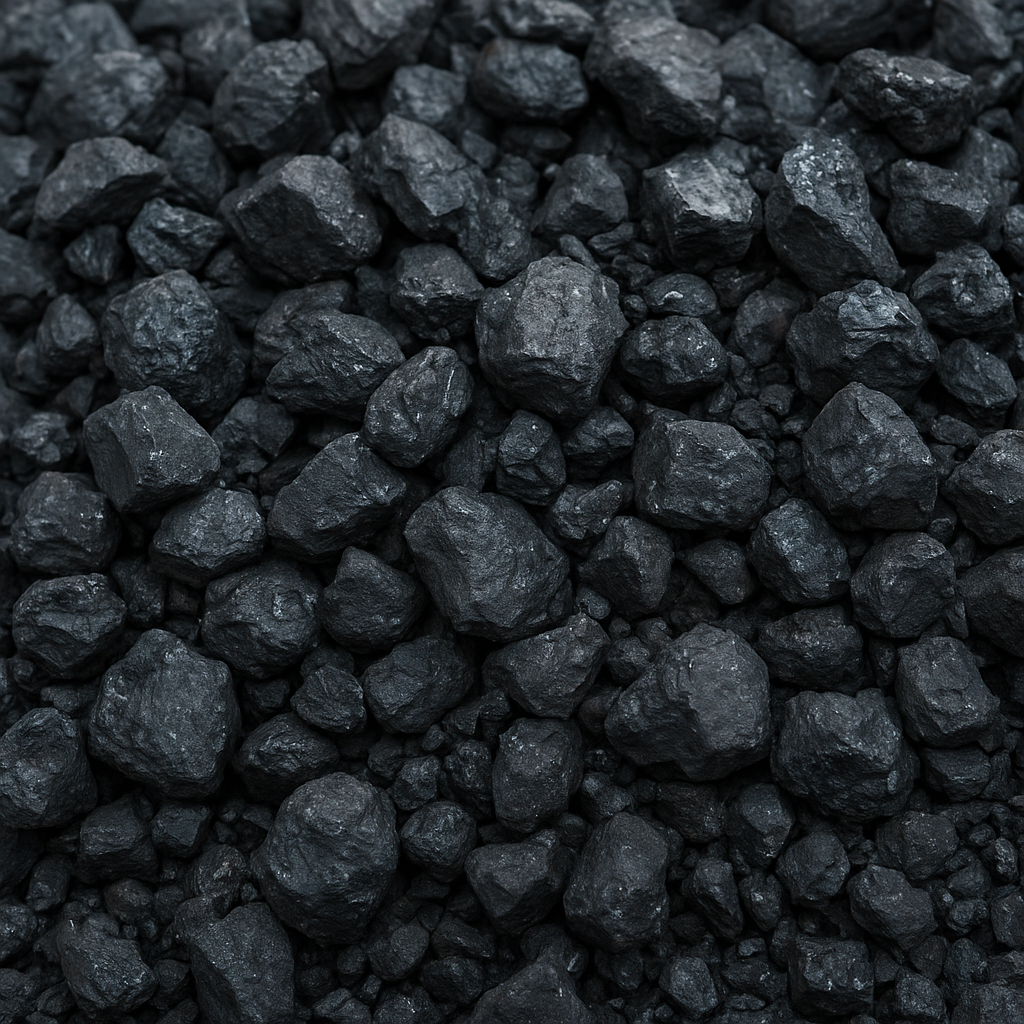
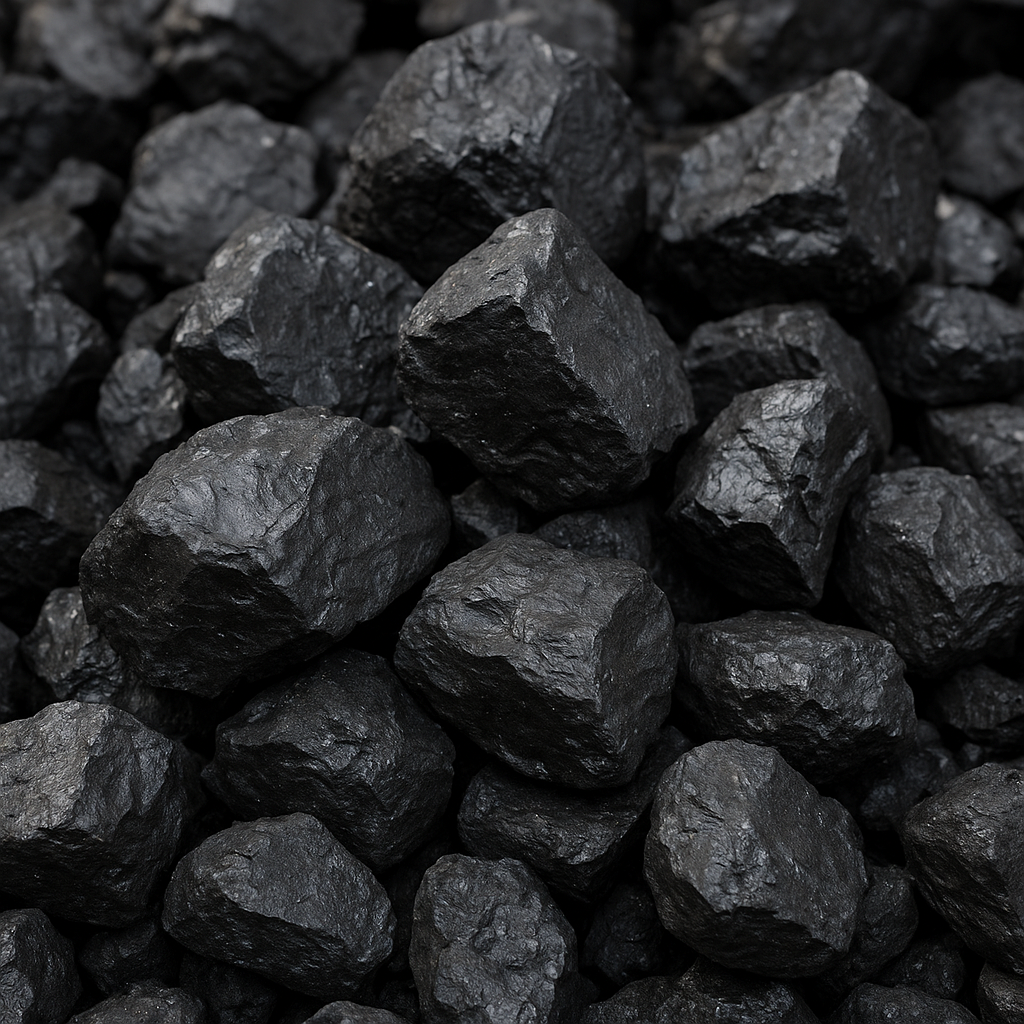
High-sulfur coal is a distinctive and consequential category of fossil fuel whose chemical makeup, geographic distribution and economic implications have shaped energy systems, industrial processes and environmental policy for more than a century. This article examines the geological origins, global distribution, mining regions, economic and market dynamics, environmental impacts, mitigation technologies and likely future of high-sulfur coal. It is intended to provide a comprehensive overview for industry professionals, policymakers and informed readers interested in how sulfur content alters the value, use and consequences of one of the world’s most important energy resources.
Occurrence and Geological Characteristics
The sulfur present in coal occurs in several chemical forms which determine both its behavior during combustion and the methods available for its removal. In general terms, coal sulfur can be divided into three main types:
- Organic sulfur — chemically bonded to the coal’s carbon matrix as thiols, sulfides and thiophenes; difficult to remove by physical means.
- Pyritic sulfur — mainly iron sulfide (pyrite, FeS2); often present as discrete mineral grains and amenable to mechanical separation such as coal washing.
- Sulfate sulfur — typically minor in most coals and often associated with weathering or oxidation products.
Classification of sulfur levels in coal is not absolutely standardized worldwide, but a common working scheme groups coals as low-sulfur (typically below about 1.0% by weight), medium-sulfur (roughly 1–3%), and high-sulfur (above about 3%). The distribution of sulfur within seams is controlled by coal-forming environments, local mineralization events, and post-depositional processes. Marine-influenced peat bogs and swamps often lead to greater sulfur incorporation, while more isolated freshwater swamps tend to produce lower-sulfur coals.
Geologically, high-sulfur coals are often associated with:
- Basins with strong marine influence during peat formation.
- Environments subject to sulfide mineralizing fluids and later diagenetic pyrite formation.
- Coal seams interbedded with sulfur-bearing strata or influenced by hydrothermal fluids.
Where High-Sulfur Coal Is Mined
High-sulfur coal is mined in many regions around the world. While global coal production is concentrated in a handful of major producing countries, the sulfur content varies widely between basins and even between seams in the same basin. Some regions historically known for higher-sulfur coals include:
- Parts of the United States — notably the Illinois Basin and certain Appalachian and interior basins contain seams with elevated sulfur levels; by contrast, the Powder River Basin in the western U.S. is characterized by very low sulfur content and is often preferred by utilities concerned about emissions.
- China — the country produces the largest share of global coal. Coal sulfur contents vary regionally; some basins and seams, particularly those formed with marine influence or in southern basins, exhibit higher sulfur concentrations. Because of China’s sheer production volume, even moderate average sulfur contents translate into substantial national SO2 emissions if not controlled.
- Eastern Europe and Central Europe — coal deposits in parts of Poland, the Czech Republic and Ukraine can include higher-sulfur seams, reflecting specific depositional histories.
- Russia — large, diverse coal basins with variable sulfur content; some older mining regions contain higher-sulfur material.
- South Africa and India — several mining areas contain moderate to high sulfur coals depending on local geology; sulfur content can vary within and between producing regions.
- Some Colombian and Indonesian deposits — while Indonesia is better known for lower-sulfur thermal coals supplied to export markets, there are deposits with higher sulfur in some zones and mixed-quality materials are sometimes encountered.
Because sulfur content varies so widely, coal consumers (utilities, cement plants, industrial boilers) select supply sources with sulfur levels that match their environmental controls and regulatory constraints. Producers in high-sulfur regions may invest in washing facilities, selective mining, or blending strategies to make coal acceptable on the market.
Economic, Market and Trade Considerations
The economics of high-sulfur coal are shaped by a balance between lower mine-mouth prices (reflecting lower market demand for high-sulfur product) and the additional costs imposed on end users for emissions control. Key economic and market phenomena associated with high-sulfur coal include:
- Price Differentiation — Coals with higher sulfur typically trade at a discount relative to equivalent calorific value low-sulfur coals, all else equal. The magnitude of the discount depends on the cost of compliance technologies and the strictness of local environmental rules.
- Blending Strategies — Power plants and industrial consumers commonly blend coals from different sources to achieve target sulfur and ash levels while optimizing fuel cost. Blending can be a cost-effective response compared with capital investments in large desulfurization systems, at least in the short term.
- Investment in Abatement — Utilities may choose to install flue-gas desulfurization (FGD) units, fluidized bed combustion, or other technologies. These capital expenditures are often amortized over decades and influence fuel procurement decisions (it becomes more economical to burn higher-sulfur coal if FGD is already in place).
- Export/Import Patterns — International buyers with tight air pollution regulations favor low-sulfur coals. Exporters in high-sulfur coal regions may face narrower markets or must accept lower prices or invest in washing and beneficiation to meet import standards.
- Regulatory Compliance Costs — Emissions regulations (national or regional) create explicit or implicit costs, changing the relative competitiveness of high-sulfur coal. For example, stringent SO2 limits increase demand for low-sulfur coal or compel investment in abatement technologies.
From a macroeconomic perspective, the availability of high-sulfur coal can affect national energy security and trade balances. Regions reliant on domestic high-sulfur coal must weigh the economic benefit of local fuel use against environmental compliance costs. Conversely, exporting countries with abundant low-sulfur coal (e.g., Australian thermal coal in many cases) gained market advantage where sulfur restrictions are tight.
Industrial Uses and Significance
High-sulfur coals are primarily used for power generation and industrial heat where environmental controls permit or where abatement technologies are present. Their industrial roles are nuanced:
- Electric Power — Large-scale thermal power plants historically consumed a mix of coal qualities. Plants equipped with FGD can burn higher-sulfur coal economically. In regions without stringent SO2 limits, high-sulfur coal can be a low-cost fuel option.
- Cement and Industrial Heat — Industries that require high-temperature heat but have less stringent air emission controls may accept higher-sulfur fuels, although SO2 can affect downstream processes and product quality in some applications.
- Metallurgical Usage — Metallurgical or coking coals used for steelmaking generally require low sulfur to avoid compromising metal quality. High-sulfur coals are less suitable for coke production unless treated or blended to meet specifications.
- Coal-to-Liquids and Gasification — Advanced conversion technologies can remove sulfur in downstream processing. When implemented at scale, coal gasification and coal-to-liquids can handle higher feedstock sulfur, but capital and operational costs increase.
In sum, high-sulfur coal remains an important feedstock where technology, regulation and economics align to permit its use. Its relevance is highly context-dependent and tied to the presence of emissions control infrastructure.
Environmental and Health Impacts
The combustion of high-sulfur coal produces sulfur dioxide (SO2), a gas with direct and indirect environmental and health consequences. Major impacts include:
- Acid Rain — SO2 oxidizes in the atmosphere to form sulfuric acid and sulfate aerosols. These compounds acidify precipitation and ecosystems, damaging forests, freshwater systems and built environments (statues, buildings).
- Public Health — SO2 and resultant fine particulate matter (sulfate aerosols) aggravate respiratory conditions, increase hospital admissions for asthma and bronchitis, and are linked to premature mortality.
- Visibility and Climate Effects — Sulfate aerosols scatter sunlight, affecting visibility and exerting a short-term cooling influence on climate. However, this cooling is not a climate mitigation strategy because the aerosols have harmful health and ecological effects and are short-lived.
- Localized Legacy Problems — Historically, regions burning high-sulfur coal without adequate controls have experienced severe air quality problems, leading to long-term environmental remediation costs and public health burdens.
Worldwide, aggressive air pollution regulations and technological deployment have dramatically reduced SO2 emissions in many developed countries. This trend is ongoing in many emerging economies as well, though the pace varies with economic development, regulatory frameworks and energy policy choices.
Technologies and Methods to Reduce Sulfur-Related Impacts
Because sulfur in coal can be addressed at multiple stages—mining, preparation, combustion and flue-gas treatment—there is a spectrum of technologies and operational measures:
Mining and Pre-Combustion
- Coal washing and beneficiation — Physical separation techniques reduce pyritic sulfur and ash, improving fuel quality for markets sensitive to sulfur.
- Selective mining — Targeting lower-sulfur seams or seam portions and avoiding high-sulfur benches.
- Blending — Combining coals of different sulfur contents to meet specifications without capital investment in abatement at the plant.
- Emerging methods — Research on chemical and biological desulfurization (biodesulfurization) is ongoing though not yet widely commercial.
Combustion and In-Process Controls
- Fluidized bed combustion (FBC) — Circulating fluidized bed boilers allow in-situ sulfur capture by adding limestone (calcium carbonate), which reacts with SO2 to form calcium sulfate.
- Optimized combustion — Improved boiler controls can lower NOx and affect sulfur oxidation pathways though they do not remove sulfur itself.
Post-Combustion Controls
- Flue-gas desulfurization (FGD) — Wet scrubbers, dry scrubbers and other FGD systems can remove 90% or more of SO2 from exhaust gases. Wet limestone-gypsum systems are common and produce a gypsum byproduct that can be marketed for wallboard manufacture in some cases.
- Dry sorbent injection — Calcium-based sorbents are injected into flue gases for smaller units or as supplemental control.
Although these technologies are effective, they raise capital and operating costs, generate solid or liquid byproducts and require technical capacity for operation and maintenance. The choice of control strategy depends on plant size, economic constraints and regulatory drivers.
Statistical and Regulatory Context
Quantifying the exact share of global coal that is high-sulfur is challenging because sulfur content varies by seam and reporting often focuses on calorific value or total production rather than sulfur class. However, several important statistical and regulatory trends are clear:
- Global coal production is concentrated in a small number of countries, notably China, India, the United States, Australia, Russia and Indonesia. Because China accounts for a very large share of global production, its coal quality distribution strongly influences global sulfur-related emissions.
- In many developed economies, strict ambient air quality standards and emissions trading or permitting systems have driven large investments in SO2 controls, reducing national emissions by large percentages relative to peak emissions decades ago.
- International coal trade flows reflect quality demands; buyers with strict sulfur limits favor low-sulfur coals, affecting export prices and market access for high-sulfur producers.
Regulatory examples that have influenced high-sulfur coal markets include the U.S. Clean Air Act Amendments (1990) and European Union directives regulating large combustion plants and industrial emissions. In many emerging economies, tightening standards and technology transfers have begun to change the landscape as well.
Interesting Technical and Historical Notes
There are several intriguing aspects of high-sulfur coal that combine geology, engineering and environmental history:
- Historic energy choices: In the 19th and early 20th centuries, densely populated industrial regions often consumed locally mined high-sulfur coals because transport costs dominated. The environmental legacy of that era — degraded urban air quality and acidified ecosystems — drove innovations in pollution control and fuel switching.
- Byproducts and co-benefits: Some FGD systems produce usable gypsum, turning an emission control residue into a commercial product. This circular-economy aspect can improve the economics of desulfurization in some contexts.
- Biochemical complexity: Organic sulfur structures in coal are chemically complex, which is why physical cleaning cannot remove all sulfur. Biotechnological methods for organic sulfur removal are an active area of research but face technical scale-up challenges.
- Climate policy interactions: SO2 and sulfate aerosols exert a short-term cooling influence. This means reductions in SO2 can slightly increase near-term warming (a highly technical and policy-relevant point), but the health and ecosystem benefits of SO2 reductions overwhelmingly justify abatement.
Future Outlook
The long-term prospects for high-sulfur coal are shaped by several converging trends:
- Energy transition — As many countries pursue decarbonization and broaden renewable energy deployment, overall coal demand may decline, reducing markets for all coal grades, including high-sulfur material.
- Localized persistence — In jurisdictions where coal remains economically vital and where regulatory frameworks allow, high-sulfur coal will continue to be used if abatement investments or blending strategies are available.
- Technological change — Improvements in desulfurization, coal beneficiation and emissions controls could reduce the market penalty for sulfur in some contexts. Conversely, advances in alternatives to coal (e.g., gas, renewables, storage) place competitive pressure on all coal types.
- Market segmentation — The coal market will likely remain segmented by quality. Low-sulfur coals will continue to command premiums in markets with strict air quality rules, while high-sulfur coals will find niches where economic and technical conditions allow their continued use.
Ultimately, the future of high-sulfur coal will be determined by the balance among local energy needs, regulatory regimes, technological options and broader climate and air quality policies. In many places, the combination of stricter emissions limits and cheaper low-carbon alternatives will gradually reduce reliance on high-sulfur coal. In other regions, where energy security or cost constraints dominate, it may persist under controlled combustion and abatement strategies.
Concluding Observations
High-sulfur coal is neither uniformly valuable nor uniformly problematic. Its desirability depends on market prices, the cost and availability of emissions control technologies, regulatory limits, and the specific industrial application. Key points to retain are that sulfur occurs in multiple chemical forms with different removal pathways; that geographic variation in sulfur content has important market implications; and that effective technologies exist to control SO2 emissions, though they add cost and operational complexity. As global energy systems evolve, the role of high-sulfur coal will continue to be shaped by a mix of geology, economics, technology and public policy.
For anyone assessing the suitability of a coal source, the critical parameters include calorific value, sulfur speciation and total sulfur content, ash and moisture, and the regulatory environment governing emissions. These factors together determine whether high-sulfur coal will be an acceptable, economical and sustainable choice for a given consumer or region.