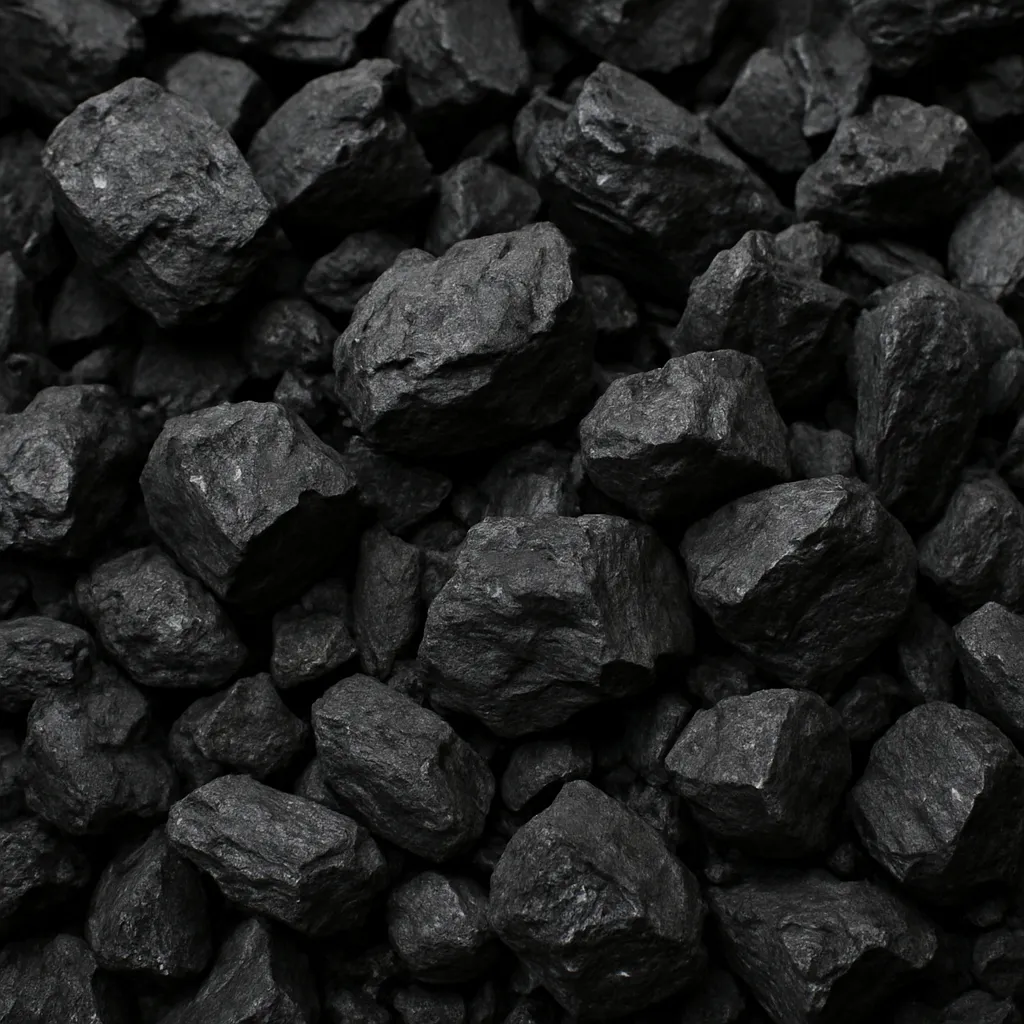
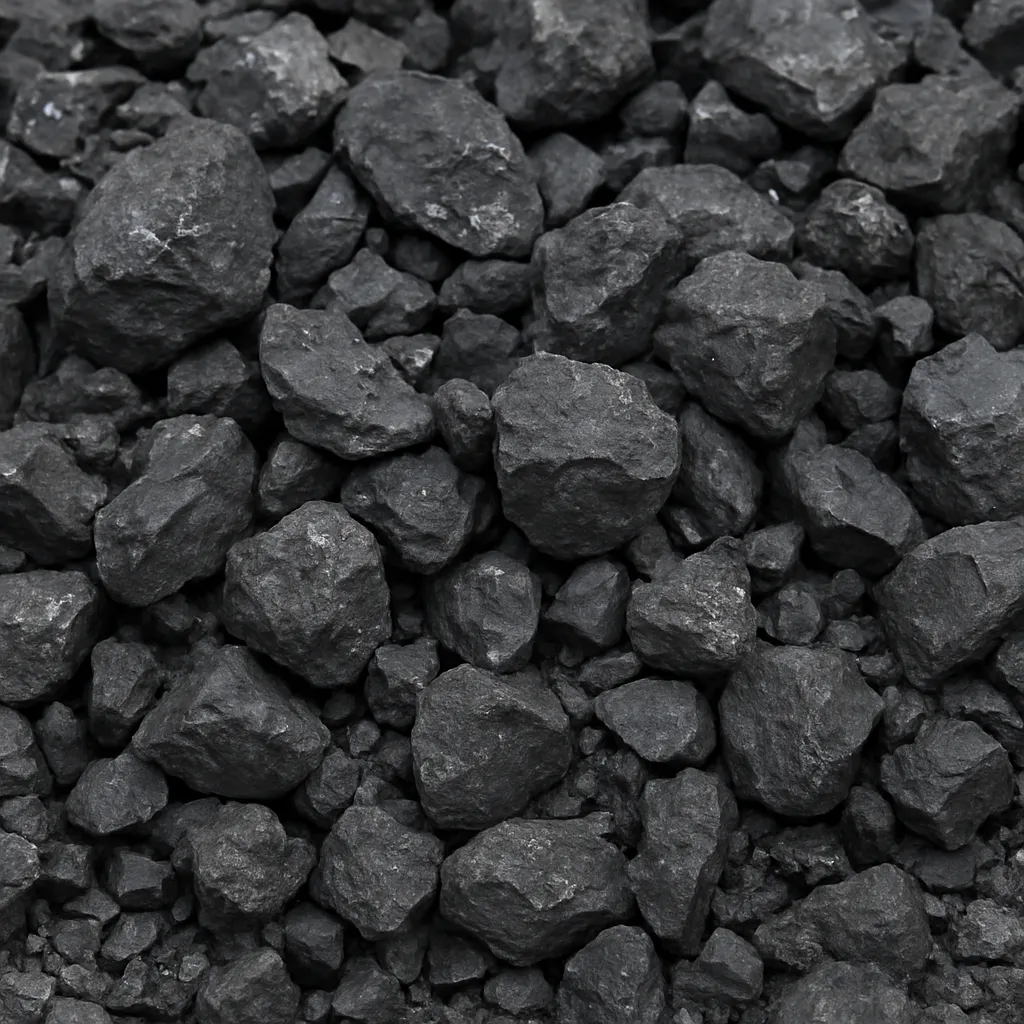
Hard steam coal is a widely used category of solid fossil fuel, valued for its relatively high energy content and versatility across power generation and industrial processes. This article examines the geology, distribution, mining regions, economic importance, statistical trends, industrial applications and future outlook of hard steam coal. The aim is to provide a comprehensive, up-to-date summary that can serve both as a general introduction and a reference for readers interested in the role this coal type plays in today’s energy and industrial systems. Key technical and economic terms are highlighted for clarity.
Geology, classification and properties
Coal is classified according to its rank and properties. In common usage, hard steam coal generally refers to higher-rank coals such as bituminous coal and in some contexts anthracite used primarily for steam (thermal) generation rather than for metallurgical coking. These coals result from greater burial and coalification of plant material compared with lower-rank coals such as sub-bituminous and lignite.
Important properties of hard steam coal include:
- Higher calorific value (energy per unit mass) than low-rank coals, typically in the range of ~18–30 MJ/kg depending on rank and moisture.
- Lower inherent moisture content and often lower volatile matter than sub-bituminous coal.
- Higher fixed carbon and greater energy density, making transportation and handling more efficient per unit of energy.
- Depending on geological history, variable ash and sulfur contents which affect combustion behavior, emissions and suitability for specific uses.
Because of these properties, hard steam coal is widely used in thermal power stations, industrial boilers, some district heating systems and, in some cases, as feedstock for chemical processes. It is distinct from coking (metallurgical) coal, although both can overlap in rank and sometimes be interchanged depending on quality requirements.
Where it occurs and where it is mined
Coal formations are found in sedimentary basins worldwide where organic-rich plant material accumulated in ancient wetlands, swamps and coastal plains. Hard steam coal deposits tend to be associated with geological formations that experienced sufficient pressure and temperature to produce bituminous and anthracite ranks.
Major coal-producing regions
- China: The largest producer and consumer of coal. China’s production is dominated by large inland basins such as the Shanxi, Shaanxi and Inner Mongolia basins. A significant portion of China’s output is higher-rank coal used in power generation and industry.
- United States: Large deposits in the Powder River Basin (primarily sub-bituminous), Appalachian Basin (bituminous) and Illinois Basin. Appalachian bituminous coals historically supplied much of the steam coal market for eastern U.S. power plants.
- India: Rich in bituminous coal in the eastern and central coalfields (Jharkhand, West Bengal, Odisha, Chhattisgarh). Coal is central to India’s power generation mix.
- Russia: Significant coal basins in Kuzbass (Kemerovo), Kansk-Achinsk and the Far East. Russia produces both thermal and metallurgical coals, with exports focused on Asian markets.
- Australia: Major exporter of thermal and metallurgical coals; important mining areas include Queensland and New South Wales. Australia is a dominant seaborne coal supplier.
- Indonesia: A leading exporter of thermal steam coal (often lower-rank but some grades are higher-calorific), mined on Kalimantan and Sumatra.
- South Africa: Major producer in the Mpumalanga region; supplies domestic power sector and exports.
- Poland and Czechia: In Europe, Poland remains a significant producer of hard coal historically used for power and industry, with long-established mines in Silesia.
Mining methods vary by deposit depth and geology: surface (open-pit) mining dominates where seams are shallow, while underground methods (longwall and room-and-pillar) prevail in deep, thick seams typical of bituminous coal. Modern mining integrates mechanization, ventilation, water control and safety systems, but hazards and environmental impacts remain key challenges.
Economic and statistical overview
Hard steam coal plays a major role in the global energy economy despite the growth of renewables and natural gas. Accurate numbers fluctuate year by year, but the following provides an overview using recent trends up to 2022–2023.
Global production and consumption
Global coal production (all ranks combined) has varied around 7.5–8.5 billion tonnes per year in the early 2020s, with yearly shifts due to economic cycles, policy changes and weather. A substantial portion of this is steam coal used for electricity and heat. Global coal consumption for power generation reached record levels in some years as gas shortages and energy security concerns prompted greater coal use in several regions.
Key points:
- China alone accounted for roughly 45–50% of global coal production and consumption in recent years, producing several billion tonnes annually.
- India and Southeast Asia have rising demand for steam coal as power systems grow; India consumes several hundred million tonnes per year of coal.
- Australia, Indonesia and Russia are major exporters on the seaborne market, with Australia and Indonesia together supplying much of Asia’s coal imports.
Reserves and supply security
Estimates of global proven recoverable coal reserves are on the order of hundreds of billions to more than a trillion tonnes, depending on definitions and reporting. These reserves translate into many decades of production at current rates, but geographic concentration of reserves and logistical/export constraints influence market dynamics and energy security decisions.
- Proven reserves are concentrated in countries such as the United States, Russia, China, Australia and India.
- Seaborne trade is critical: nations with limited domestic coal but large power needs rely on international suppliers, making coal part of global commodity and geopolitical considerations.
Trade and pricing
Steam coal is a globally traded commodity with prices influenced by supply disruptions, demand shifts from power markets, freight costs and competition with other fuels. The seaborne thermal coal market experienced price spikes during periods of constrained supply or high demand (e.g., during 2021–2022 energy market volatility). Long-term contracts and spot markets coexist; price formation can be regionally segmented due to freight and quality differences.
Employment and regional economies
Coal mining supports tens to hundreds of thousands of direct jobs in major producing countries and many more indirectly through supply chains. For certain regions, coal remains a key economic pillar—supporting local employment, tax revenues and infrastructure. Transition away from coal therefore requires careful economic and social planning in coal-dependent communities.
Significance in industry and energy
Hard steam coal’s primary role is in electricity generation and industrial heat. It is also used in certain chemical processes and, to a lesser extent, in metallurgical applications when specific quality allows.
Power generation
Coal-fired power plants convert steam produced by burning coal into electricity via steam turbines. Hard steam coal is often preferred for its stable calorific content and combustion characteristics, making it suitable for base-load and mid-merit generation in many grids. Important considerations include:
- Plant efficiency: Modern ultra-supercritical coal plants achieve higher efficiencies (lower coal consumption per MWh) than older units.
- Environmental controls: Scrubbers, selective catalytic reduction (SCR) for NOx and particulate controls are widely used to reduce emissions from coal plants.
Industry and process heat
Heavy industries—cement, paper, chemicals, brick and some food processing—use steam coal where high-temperature process heat is required. In many emerging economies, coal-fired boilers remain a cost-effective source of industrial heat where alternative fuels or electrification are less available.
Metallurgy and coke (contrasting uses)
While coking coals are the principal feedstock for coke used in steelmaking, some higher-quality hard coals can be blended or used in particular metallurgical applications. However, the term “steam coal” emphasizes thermal rather than coking use.
Environmental and health considerations
Coal combustion is associated with multiple environmental and health impacts, which shape regulatory frameworks and the economics of coal power.
- Greenhouse gas emissions: Coal combustion emits CO2; thermal coal has among the highest CO2 emissions per unit energy of fossil fuels. This is the central driver of policy pressure to reduce coal use in many countries seeking to meet climate goals.
- Local air pollution: SO2, NOx, particulates and mercury emissions can affect local air quality and public health unless adequately controlled.
- Mining impacts: Land disturbance, water pollution (acid mine drainage), dust, and subsidence are significant concerns associated with mining operations.
Mitigation strategies include emissions control technologies at plants, mine reclamation practices, and, increasingly, carbon capture and storage (CCS) pilot projects applied to coal-fired plants. CCS remains expensive and not yet widely deployed at scale for coal.
Technological trends and innovations
Innovations affecting hard steam coal use include improvements in plant efficiency (supercritical and ultra-supercritical technologies), emissions control, automation and digitalization in mining, and the development of low-emissions pathways such as coal-fired plants paired with carbon capture. On the supply side, mechanization and remote operations have raised productivity and safety in many mining districts.
Carbon capture and low-carbon pathways
CCS offers a theoretical route to reduce CO2 emissions from coal-fired power, but challenges remain: high capital and operating costs, energy penalties, and infrastructure for CO2 transport and storage. Small-scale CCS demonstration projects on coal plants are ongoing in several countries, but commercial-scale deployment is limited.
Blending, co-firing and alternative uses
Some power plants co-fire biomass with coal to reduce net carbon emissions. Co-firing requires adjustments to fuel handling but can provide flexible emissions reduction without immediate full plant conversion. Additionally, coal can be gasified to produce synthesis gas (syngas) for chemicals or hydrogen production, though economic competitiveness depends on gasification costs and carbon management.
Policy, market drivers and future outlook
The future of hard steam coal is shaped by three principal forces: climate policies and emissions reduction commitments, energy security and affordability considerations, and technological and market trends.
- In many advanced economies, climate policy and economics favor retirement of coal plants and replacement with low-carbon alternatives—renewables, gas with CCS, nuclear and storage—reducing domestic demand for steam coal.
- In rapidly developing regions, growing electricity demand and limits in capital or grid flexibility can sustain or even increase coal use in the near to medium term, particularly where domestic reserves or nearby suppliers provide affordable fuel.
- Global seaborne trade and price dynamics will continue to be sensitive to geopolitical events, major producer policies, and shifts in demand from large importers such as China, India, and Southeast Asia.
Given these dynamics, forecasts diverge: some scenarios predict a steady decline in coal-fired generation over the 2020s and 2030s under strong climate action, while others see coal retaining a role for decades in certain regions unless rapid deployment of alternatives and carbon mitigation measures occurs.
Interesting facts and lesser-known aspects
- Long lifespan of deposits: Many coalfields were formed during the Carboniferous period (roughly 300–350 million years ago), although significant deposits formed in younger geological periods as well.
- Coal quality variability: Two seams separated by only a few meters can have very different ash, sulfur and calorific values, affecting their market value and best uses.
- Historical role: Coal was central to the Industrial Revolution and remains a foundation of industrialization in many economies.
- Energy density advantage: Compared with lignite, hard steam coal’s greater energy density reduces transport costs per unit of energy and often enables long-distance export markets.
- Stranded asset risk: Large coal-fired plants or mines face the risk of early retirement or loss of economic value if demand falls rapidly or regulatory costs increase.
Selected statistics and figures (approximate, recent years)
The following figures are indicative and reflect the general scale and distribution of coal production, consumption and reserves in the early 2020s. Exact annual numbers vary across sources and years; figures are provided to give a sense of order-of-magnitude.
- Global coal production (all ranks): roughly 7.5–8.5 billion tonnes per year (early 2020s).
- China: produces and consumes several billion tonnes annually, representing approximately 45–50% of global production and consumption.
- India: annual coal production around 700–900 million tonnes and consumption in a similar range, depending on imports and domestic output.
- Australia and Indonesia: among the largest exporters of seaborne thermal coal; combined exports range in the several hundred million tonnes per year (spot market volatility affects annual totals).
- Proven global recoverable coal reserves: on the order of hundreds of billions to around one trillion tonnes depending on reporting criteria—sufficient for many decades at current rates but regionally concentrated.
- Employment: hundreds of thousands directly employed in coal mining worldwide, with many more in associated industries and dependent communities.
Conclusions
Hard steam coal remains an important global commodity with significant impacts on energy systems, industrial activities and regional economies. Its high energy density and established supply chains make it a cost-effective fuel for power generation and industrial heat in many contexts. However, strong environmental and climate pressures, combined with advancing alternatives and technology, are reshaping markets and prompting transitions in some regions. Policymakers, industry and communities face trade-offs between energy security, economic livelihoods and climate objectives, and the next decades are likely to see varied trajectories for hard steam coal across different geographies.
Understanding the geological diversity, market mechanisms and technological options related to hard steam coal is essential for informed decisions about energy planning, investment and environmental management. The balance between continuing use, mitigation (e.g., emissions controls and CCS), and transition to cleaner sources will determine the role this fuel plays in the global energy landscape going forward.