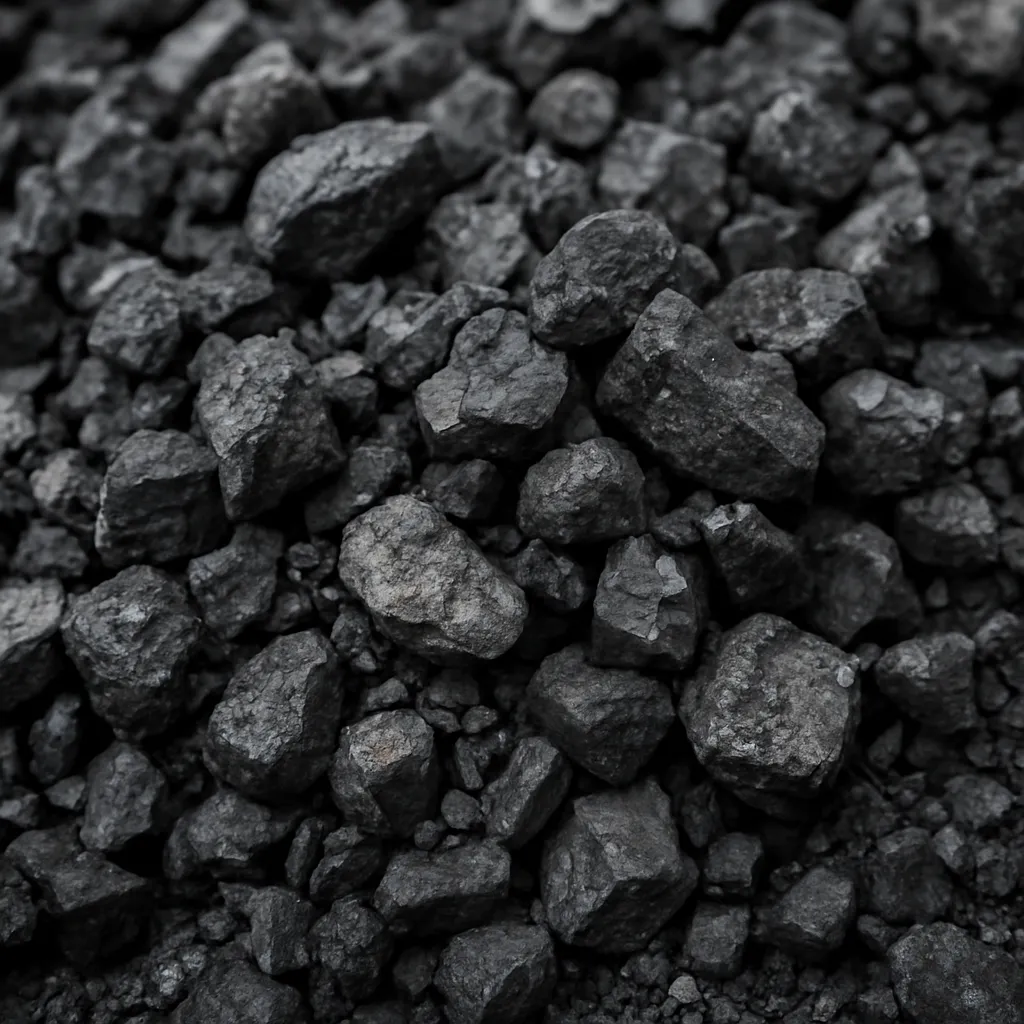
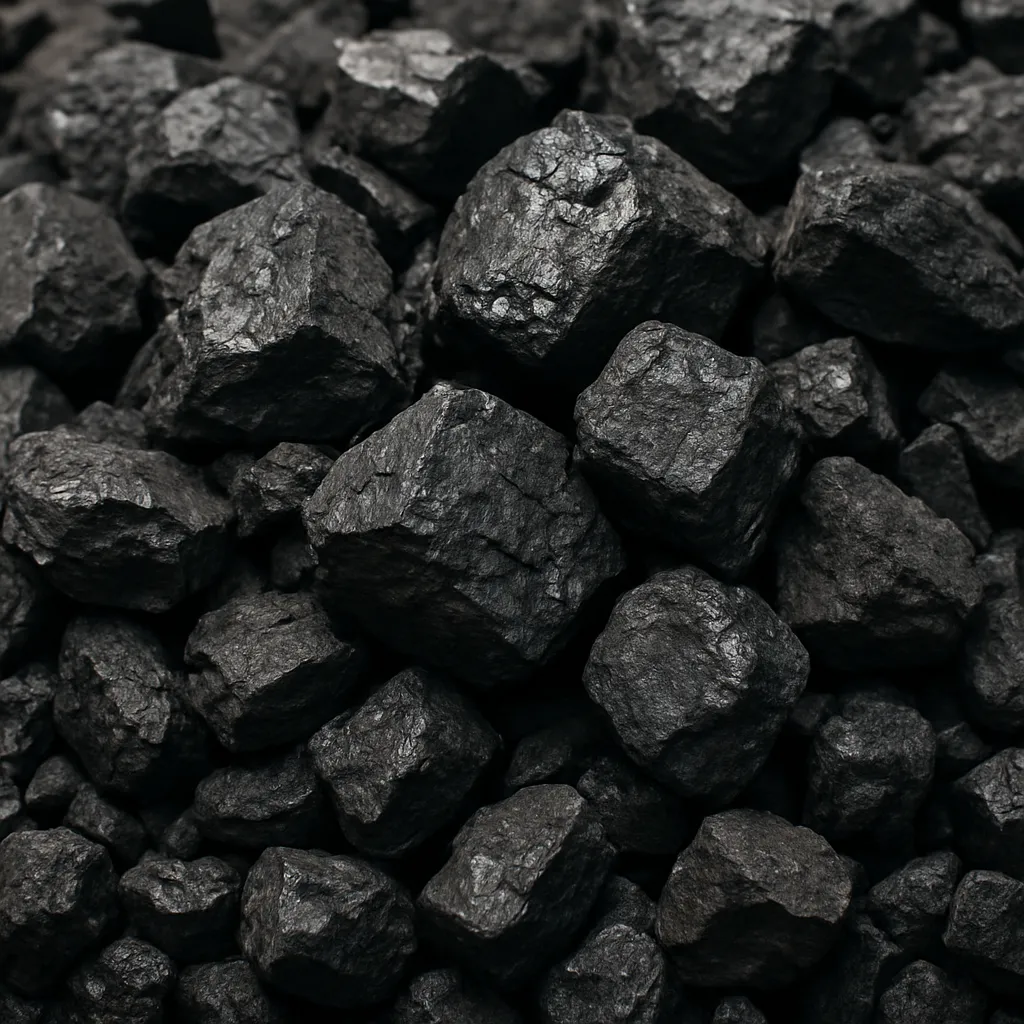
This article explores the role of coal tailored for gasification — the conversion of coal into a combustible or chemical-rich gas (syngas) used for power, fuels and chemicals. Gasification coal is not a single coal type but a class of feedstocks selected and sometimes pretreated for optimal performance in gasifiers. The following sections cover the geological occurrence and mining of suitable coals, economic and statistical context, industrial applications and technologies, environmental considerations, and prospects for the future. The emphasis is on technical, economic and geographic information that helps understand why and where coal gasification remains important in certain industries and regions.
Coal types suitable for gasification and technical properties
Coal used for gasification must be evaluated by a set of quality parameters that influence conversion efficiency, operational stability and downstream processing costs. Important parameters include fixed carbon content, volatile matter, moisture, ash yield and composition, sulfur and trace element concentrations, and heating value. Gasification is flexible and can accept a range of coal ranks, but practical preferences exist.
Rank and composition
- High-volatile and medium-volatile bituminous coals are widely used because they have good calorific value and manageable ash and moisture characteristics.
- Sub-bituminous coals are used frequently in large-scale industrial gasifiers, especially where low sulfur is desired; they often require drying or mild beneficiation because of higher moisture content.
- Lignite (brown coal) can be gasified but typically requires special handling (drying, pressurization) due to high moisture and oxygen content; several commercial coal-to-gas projects use lignite where the resource is local and abundant.
- Petroleum coke and biomass co-feed are also used with coal in many modern gasifiers to adjust economics and emissions.
Impacts of ash, sulfur and contaminants
High ash content increases slagging, reduces thermal efficiency and raises disposal costs. High sulfur and other contaminants (e.g., arsenic, mercury) demand more extensive syngas cleaning (acid gas removal, trace contaminant polishing) to protect catalysts in methanol or Fischer–Tropsch synthesis and to meet environmental standards. Therefore, many gasification operations prefer coals with moderate ash and sulfur, or include pre-treatment and advanced cleanup systems.
Gasifier types and feed flexibility
Gasification technologies vary: entrained flow, fluidized bed, fixed bed (Lurgi), and moving bed units accept different coal qualities. Entrained flow gasifiers typically demand finely pulverized, low-volatile coals or petcoke but produce very clean syngas at high temperature suitable for Fischer–Tropsch synthesis and hydrogen production. Fluidized bed systems allow more feed flexibility and can co-gasify biomass for reduced net CO2 emissions.
Where gasification coal is found and mined
Coal resources suitable for gasification are widespread. The choice of feedstock is often driven by geography: gasification projects usually locate near plentiful supplies of the suitable coal rank to minimize transport costs. Major coal basins and producing countries supply the bulk of gasification feedstock, though coal-to-liquids and chemicals projects tend to cluster where policy and resource endowments align.
Global coal production and reserves (approximate recent figures)
- Global coal production: roughly 8.0–8.5 billion tonnes per year (early 2020s, all types).
- Share of global electricity from coal: about 35–37% in recent years.
- Proven global coal reserves: on the order of 1.0 trillion tonnes (recoverable at current economic and technological conditions).
Major producing countries (approximate annual production):
- China: ~3.5–4.0 billion tonnes.
- India: ~700–900 million tonnes.
- United States: ~400–600 million tonnes.
- Indonesia: ~500–600 million tonnes (largely thermal and export coal).
- Australia: ~450–550 million tonnes (major exporter).
- Russia: ~350–450 million tonnes.
- South Africa: ~200–300 million tonnes (metallurgical and thermal).
Proven reserves by country (approximate): United States ~250 billion tonnes, Russia ~160 billion, Australia ~147 billion, China ~143 billion, India ~101 billion. These figures vary by source and year but show that long-term coal availability is globally significant.
Regions with active coal gasification projects
- China: a major center for coal-to-chemicals and coal-to-liquids projects; many gasifiers operate to produce methanol, olefins and synthetic fuels.
- South Africa: Sasol’s historic coal-to-liquids and chemical complexes illustrate large-scale coal gasification for fuels and chemicals.
- United States: pilot and commercial plants (e.g., Great Plains Synfuels Plant) have demonstrated lignite gasification to SNG and chemicals; interest in IGCC rose in the late 20th century but slowed with cheap natural gas.
- Poland, Germany and other European countries have experimented with coal gasification historically; potential remains for niche projects combined with CCS.
- Australia and Indonesia are exporters of coal that may feed regional gasification or CTL projects in Asia-Pacific, though many export markets prefer seaborne coal shipments.
Economic and statistical perspective
Coal gasification economics depend on feedstock price and quality, plant scale, end products, and regulatory factors like carbon pricing. Gasification is capital-intensive but offers flexibility in producing high-value chemicals and liquids where natural gas or crude oil prices are high or policy favors local feedstocks.
Capital and operating costs
- Large gasification plants (IGCC for power or coal-to-liquids/chemicals) typically require high capital expenditure (CAPEX). Rough recent estimates for IGCC-style integrated plants range from about $2,000 to $4,000 per kW of installed capacity, depending on technology and pollution control systems; chemical/CTL plants can be several billion dollars of CAPEX for a single complex.
- Operating costs depend heavily on coal price and plant efficiency. Gasification economics improve when high-value products (methanol, hydrogen, synthetic fuels) are produced rather than low-margin electricity alone.
Market and production statistics for coal-derived products
China has been the world leader in coal-to-chemicals expansion in the 2000s–2010s, installing numerous large methanol and olefin-from-coal facilities. South Africa’s Sasol historically produced hundreds of thousands of barrels per day of synfuels from coal. Several countries have demonstrated that when crude oil prices are high, coal-derived fuels become economically attractive despite high CAPEX.
Employment and regional development
Coal gasification facilities, like mining, create regional employment — in mining, plant construction and operation, and downstream chemical industries. Projects often attract investment to resource regions, but they also concentrate technological risk and require skilled labor, long-term feedstock contracts and supportive infrastructure (rail, water, power).
Industrial significance and applications
Gasification transforms coal into a versatile intermediate — syngas (a mix of H2, CO, CO2, small hydrocarbons) — that can be processed into a wide range of products and used across industries where energy security or feedstock flexibility is critical.
Major product pathways
- Power generation via IGCC (integrated gasification combined cycle): high efficiency and easier pollutant removal compared to conventional coal plants; integration with carbon capture (pre-combustion) is an advantage.
- Fuels: Fischer–Tropsch synthesis produces liquid hydrocarbons (diesel, jet fuel) — used commercially by Sasol and in some Chinese plants.
- Chemicals: methanol, ammonia (via hydrogen), olefins (via methanol-to-olefins) and other chemical intermediates from coal-derived syngas provide feedstock independence from crude oil or natural gas.
- Synthetic natural gas (SNG): Coal gasification with methanation can produce pipeline-quality gas; the Great Plains Synfuels Plant in the U.S. is a well-known example using lignite.
- Hydrogen production: coal gasification plus water-gas shift produces H2; when combined with carbon capture it can supply low-carbon hydrogen for industry and transport.
Strategic and industrial advantages
Countries with abundant coal but limited oil or gas reserves may favor gasification to produce fuels and chemicals domestically, reducing import dependence. Gasification allows pollutant removal at high efficiency, and the syngas intermediate supports a broad chemical industry base. These strategic advantages explain continued interest in regions like China and South Africa.
Technology overview: gasification-to-product chains
A typical coal gasification chain includes coal preparation, gasification, syngas cleaning and conditioning, conversion (power, fuels or chemicals), and product polishing. Each step presents technical choices that shape cost and environmental performance.
Gasification and syngas cleanup
- Gasifiers operate at different pressures and temperatures. Entrained flow gasifiers operate at high temperature, producing low-tar syngas and molten slag that eases ash handling.
- Syngas cleanup removes particulates, sulfur species (H2S), ammonia, mercury and halides. Technologies include cyclones, filters, sorbent systems, scrubbing and solvent-based acid gas removal (e.g., Selexol, Rectisol).
- Water-gas shift reactors adjust the H2/CO ratio to meet downstream synthesis requirements and produce carbon dioxide ready for capture if CCS is applied.
Downstream synthesis and product conversion
- Hydrogen separation and purification (pressure swing adsorption, membrane separation) yield H2 for ammonia or refinery use.
- Methanol synthesis, followed by methanol-to-olefins or methanol-to-gasoline processes, creates chemicals and fuels.
- Fischer–Tropsch synthesis uses catalysts to create a slate of liquid hydrocarbons from syngas, often followed by hydrocracking to desired fuel fractions.
Environmental considerations and policy drivers
Coal gasification presents both opportunities and environmental challenges. On one hand, syngas cleanup can remove many pollutants before combustion or synthesis, producing cleaner end-streams than conventional coal combustion for power. On the other hand, the carbon intensity of coal-derived products remains high unless carbon capture and storage (CCS) is integrated.
Emissions and pollution control
- Gasification enables pre-combustion carbon capture more readily than post-combustion capture on flue gases. Capture of CO2 from shifted syngas is technically proven and often more energy-efficient.
- Sulfur, mercury and particulate emissions are controllable with mature cleanup technologies, reducing local air quality impacts versus raw coal combustion.
- Water use can be significant in some gasification plants (cooling, slurry handling, scrubbing), presenting constraints in arid regions.
Policy context
Carbon pricing, stringent air quality rules and decarbonization commitments influence the attractiveness of coal gasification. Where carbon is priced or CCS is mandated/available, gasification with CCS can be competitive for hydrogen or chemicals. In contrast, in regions where natural gas is cheap and abundant, gasification for power is often uncompetitive.
Future outlook and interesting trends
The future of coal gasification is uneven and region-specific. In countries with abundant coal and limited alternatives, coal-to-chemicals and coal-to-liquids remain viable, particularly when combined with advanced pollution controls and carbon management. Globally, trends that shape prospects include the growth of hydrogen demand, pressure on carbon emissions, evolving commodity prices, and technological innovation in modular or lower-cost gasifiers.
Hydrogen economy and CCUS
Coal gasification can be a pathway to large-scale hydrogen production when paired with CCS (so-called blue hydrogen). This is of interest in regions where low-cost natural gas for steam methane reforming is limited or where governments encourage domestic feedstock use. Successful deployment depends on CO2 transport and storage infrastructure, which is a major policy and investment barrier in many regions.
Co-gasification and decarbonization strategies
Co-gasification of biomass with coal reduces the lifecycle carbon intensity of products; blending biomass or waste feedstocks is a way to transition existing gasification assets toward lower net CO2 emissions. Emerging concepts combine renewable hydrogen with coal-derived syngas to lower carbon footprints of chemical production.
Notable projects and historical notes
Several projects illustrate the scale and diversity of coal gasification:
- Sasol (South Africa): pioneering large-scale coal-to-liquids and chemicals plants built from mid-20th century onward, demonstrating industrial-scale coal gasification for transport fuels and industrial chemicals.
- Great Plains Synfuels Plant (Beulah, North Dakota, USA): a lignite gasification plant producing synthetic natural gas, fertilizers and chemical byproducts — an example of long-term lignite gasification in a cold-climate economy.
- China’s numerous coal-to-chemicals clusters: large methanol and olefin-from-coal facilities that leveraged abundant domestic coal resources to build a chemicals industry independent of natural gas.
Concluding observations
Coal suited for gasification remains a strategically important feedstock where resource endowment, industrial policy and commodity markets make local production of power, hydrogen, fuels or chemicals desirable. Its advantages are feedstock flexibility, the potential for high-value products, and the integration opportunities with carbon capture and modern synthesis routes. At the same time, the future expansion of coal gasification is conditioned by carbon constraints, water availability, capital intensity and competition from cheaper or lower-carbon feedstocks (natural gas, renewables, and green hydrogen). For countries and companies that can deploy CCS and manage environmental impacts, gasification provides a technically mature route to convert abundant coal resources into a range of energy and chemical products with improved emission control compared to direct coal combustion.