The Dorpspruit Mine is one of the many coal-producing sites in South Africa’s rich coalfields. This article outlines the mine’s geological setting, the type of coal extracted, its role in the local and national economy, environmental and social implications, and the statistical context that situates Dorpspruit within South Africa’s broader coal industry. Where specific public data for Dorpspruit are scarce, the article uses regional and national figures to provide perspective and to explain the likely scale and significance of the mine.
Location, Geological Setting and Mining Method
Dorpspruit Mine is situated within South Africa’s major coal-bearing region commonly referred to as the Highveld coalfields. These coalfields lie primarily in the province of Mpumalanga, with contiguous deposits extending into parts of the Free State and Limpopo provinces. The coal-bearing strata in this region belong to the Permian-aged sequences of the Karoo Supergroup, principally the Ecca and associated formations that host multiple economically valuable seams.
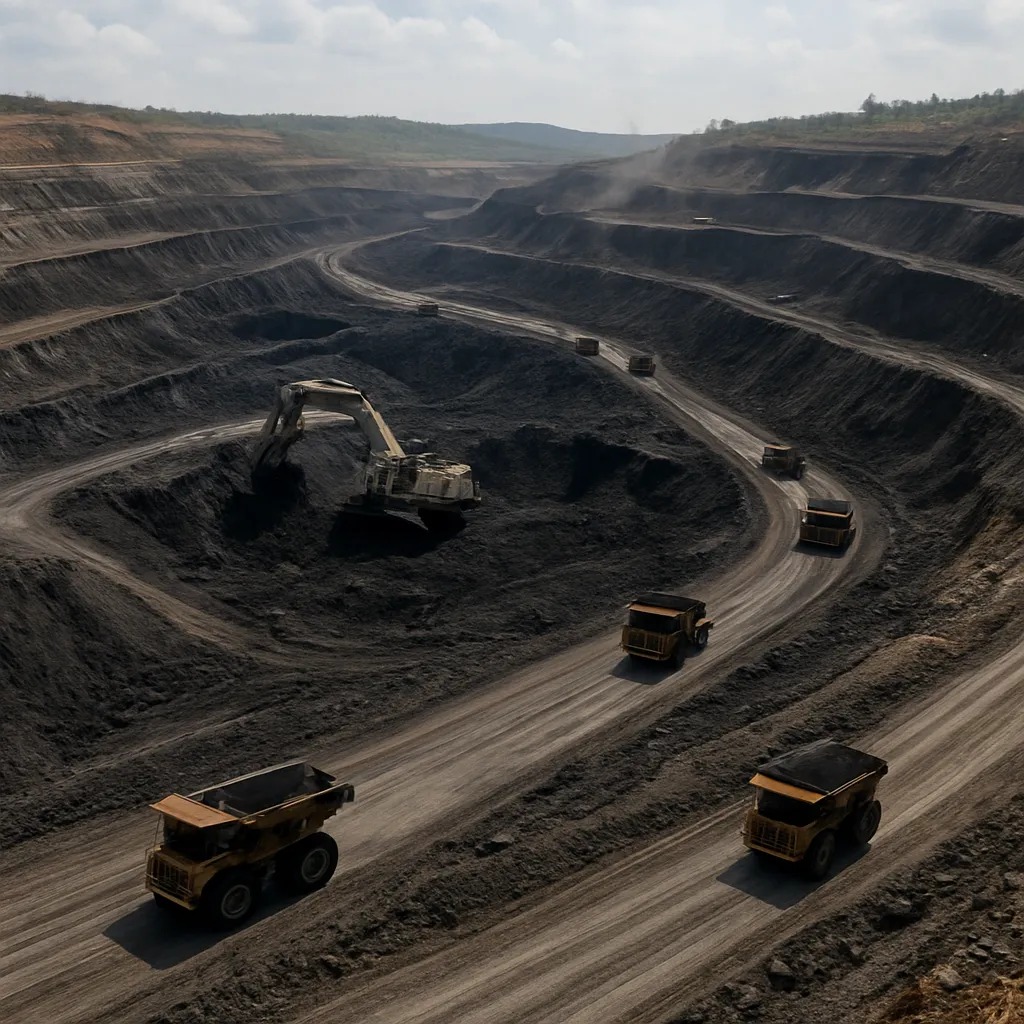
The coal at Dorpspruit, like most Highveld deposits, occurs in relatively shallow, laterally extensive seams that are suitable for both open-pit (opencast) and shallow underground methods. Modern operations in the area typically favor mechanized opencast mining where seam geometry and overburden conditions permit, because such methods provide lower unit costs, greater safety from roof-fall hazards, and higher production throughput. In seams where depth or environmental constraints limit surface extraction, bord-and-pillar or longwall methods may be used.
Geologically, the coal at Dorpspruit is part of the same depositional environment that produced most South African coals: ancient peat-forming environments in a Permian floodplain setting. These coals are generally characterized as bituminous to sub-bituminous in rank, with calorific values and ash contents that vary by seam and local stratigraphy. The mine’s coal is therefore consistent with the regional profile: suitable primarily for thermal power generation, with some potential for beneficiation to supply higher-grade markets.
Coal Type, Quality and Processing
The primary commodity from Dorpspruit Mine is coal, predominantly serving the thermal market for electricity generation and industrial heat. South African coal in the Highveld typically falls into the medium- to high-volatile bituminous range. Key quality parameters include calorific value (expressed in kJ/kg), ash content, moisture, volatile matter, and sulfur. These parameters determine whether coal is sold domestically to power producers and industries or upgraded for export or metallurgical use.
Typical quality control and processing at mines like Dorpspruit include crushing, screening, and coarse washing circuits to remove rock and inert material, increasing the effective calorific value and reducing ash. Product streams are often categorized for different customers: low-ash, high-calorific “power station coal” for Eskom and independent power producers; mid-grade coal for industrial boilers; and a small fraction of higher-grade, lower-ash coal that may be blended to meet export specifications or for certain ferroalloy and smelting applications.
Where necessary, Dorpspruit’s output can be subject to beneficiation to improve marketability. Washing plants reduce ash and ash-related penalties and can increase gross calorific value. The economics of washing depend on transport costs, the price differential between raw and washed coal, and tariffs or penalties imposed by buyers.
Economic Role and Industrial Significance
The Dorpspruit Mine contributes to local and regional economies in several ways. On a direct level, the mine provides employment, contracting opportunities, and demand for services. On an indirect level, its coal supports electricity generation, industrial processes, and export earnings when coal is sold beyond domestic borders.
- Employment: Coal mines in the Highveld historically have supported thousands of direct and indirect jobs. While exact employment numbers for Dorpspruit may vary with operational scale and mechanization, even small to medium operations typically employ hundreds of people directly, plus additional contract and supply-chain workers.
- Revenue and taxation: Coal mining supplies royalties, corporate taxes, and wages that generate significant fiscal flows for national and provincial governments. Mining houses and operators pay mineral royalties and are subject to South African corporate taxation, contributing to public finances.
- Supply to energy sector: As a supplier of thermal coal, Dorpspruit plays a part in sustaining South Africa’s electricity system. South Africa remains heavily reliant on coal-fired generation capacity, and coal mines feed large utilities such as Eskom as well as privately contracted power projects and industrial consumers (cement, steel, chemicals).
- Exports and ports infrastructure: For mines that meet export specifications, coal is shipped through major export terminals such as Richards Bay Coal Terminal (RBCT). Exports generate foreign exchange and help balance trade for the national economy.
At the national level, coal is a cornerstone of South Africa’s energy matrix and industrial base. Historically, coal has underpinned electrification, synthetic fuels production (e.g., Sasol’s coal-to-liquids processes), and steel-making feedstocks. A mine such as Dorpspruit, even if modest in scale, thus supports broader economic activities and essential services.
Statistics: Regional and National Context
Detailed, publicly available production statistics for individual smaller mines like Dorpspruit can be limited or proprietary. However, the broader statistical context provides useful benchmarks:
- South Africa’s annual coal production in the late 2010s and early 2020s was commonly in the range of approximately 200–270 million tonnes per year, with fluctuations due to market demand, operational disruptions, and export trends.
- Mpumalanga province is the dominant coal-producing region and historically accounts for roughly 80–90% of the country’s coal output, reflecting the concentration of power plants, coal deposits, and mining infrastructure in the Highveld.
- Domestic consumption is driven primarily by electricity generation; Eskom and large industrial users consume the majority of mined coal, while exports (via terminals like RBCT) historically accounted for several tens of millions of tonnes per year—commonly in the order of 60–90 million tonnes depending on global demand and logistics.
- Coal’s share in South Africa’s primary energy supply has been major: coal-fired generation historically supplied over 70–80% of the country’s electricity, though the mix is shifting slowly with renewable additions and policy changes.
For a mine like Dorpspruit, production might range from small-scale (hundreds of thousands of tonnes per annum) to medium-scale (several million tonnes per annum) depending on capital investment, seam thickness, and market access. Exact figures require operator reporting or regulatory disclosures to the Department of Mineral Resources and Energy (DMRE) or company annual reports.
Infrastructure, Logistics and Markets
Coal mines in the Highveld, including Dorpspruit, depend heavily on integrated transport and energy infrastructure. Key elements include rail links to inland power stations and export terminals, road haulage for shorter distances, and access to water and electricity for operations and processing. Rail is particularly important because bulk export and power-station coal are cost-sensitive to long-distance transport.
The bulk-commodity logistics chain typically involves:
- On-site stockpiling and load-out infrastructure;
- Rail haulage to users or export terminals (Transnet Freight Rail being the main rail operator);
- Port handling and terminal capacity, with RBCT being the main export gateway for South African coal;
- Local road networks and haulage for regional deliveries.
Market dynamics for Dorpspruit’s coal include domestic power demand, international thermal coal prices (influenced by Asian demand), and contract structures with off-takers. Blending strategies and quality consistency are often crucial to maintaining long-term contracts with major consumers.
Environmental and Social Considerations
Coal mining inevitably carries environmental and social responsibilities. Key issues relevant to Dorpspruit and similar sites include:
- Water management: Mines require water for processing and dust suppression while runoff and pollution, especially acid mine drainage, can threaten local water quality. Effective water-capture, treatment and recycling are essential.
- Air quality and dust: Dust from blasting, haulage, and stockpiles affects nearby communities and ecosystems. Mitigation includes dust suppression, covered conveyors, and buffer zones.
- Greenhouse gas emissions: Coal combustion is a major source of CO2. While the mine itself emits CO2 primarily through fuel use and fugitive methane, the end-use combustion of coal drives the largest climate impacts. Mines and operators are increasingly under pressure to measure and reduce scope 1–3 emissions.
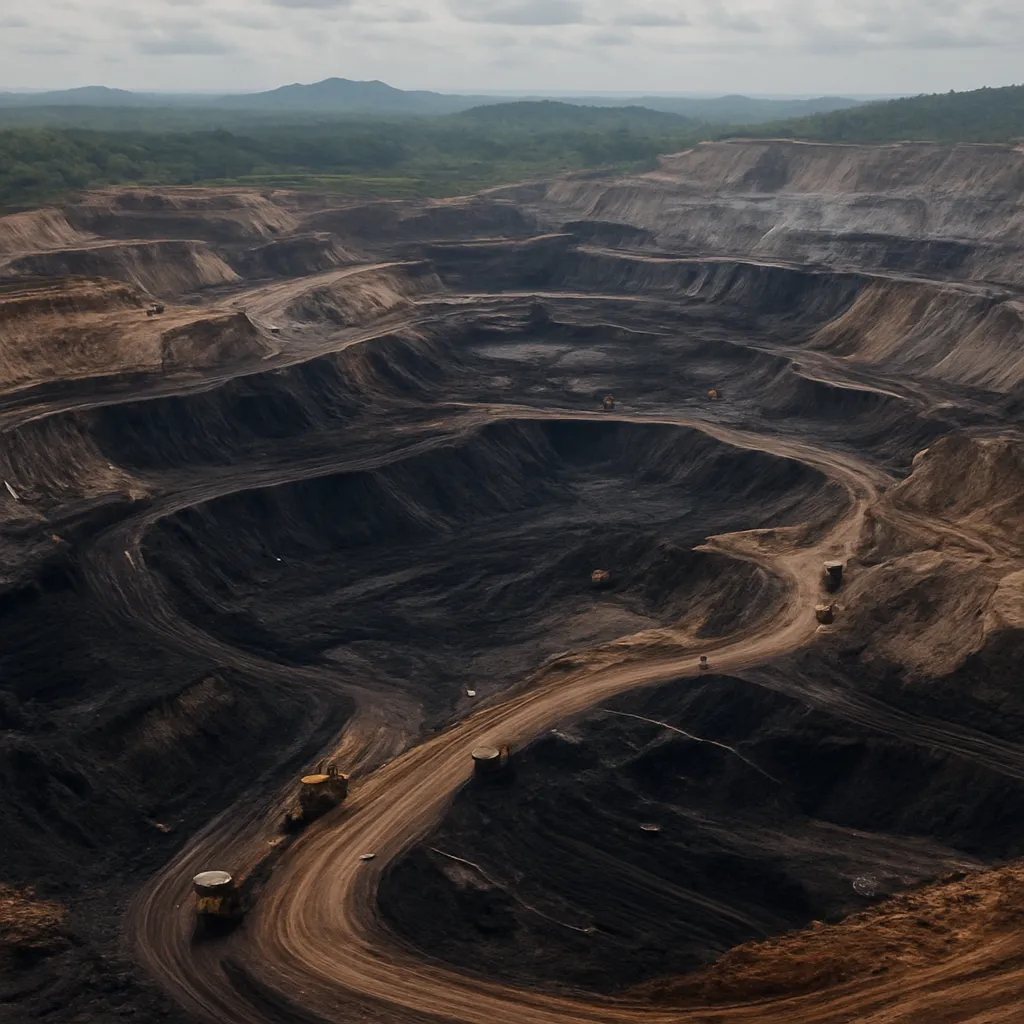
- Land rehabilitation and closure planning: South African law requires progressive rehabilitation and closure planning. This includes reshaping overburden dumps, re-establishing vegetation, and ensuring land stability and safety after operations cease.
- Community relations and social license to operate: Mines must manage employment expectations, local procurement, community development, and impacts on livelihoods. Benefit-sharing and skills development programs are common mechanisms to build local support.
Regulatory oversight comes from national and provincial bodies, notably the DMRE and environmental agencies that require environmental impact assessments (EIAs), water-use licenses, and mine closure plans. Civil society and local stakeholders play an active role in scrutinizing compliance and advocating for stronger environmental protections.
Operational Challenges and Opportunities
Operating a coal mine such as Dorpspruit involves navigating a range of challenges and opportunities:
- Commodity price volatility: Global thermal coal prices can be volatile and affect export revenues and investment decisions. Mines oriented to domestic supply are somewhat insulated from export price swings but remain sensitive to national energy policy and Eskom procurement practices.
- Infrastructure constraints: Rail capacity, port bottlenecks, and power supply reliability can constrain production and shipments. Policy and investment in logistics infrastructure directly influence a mine’s competitiveness.
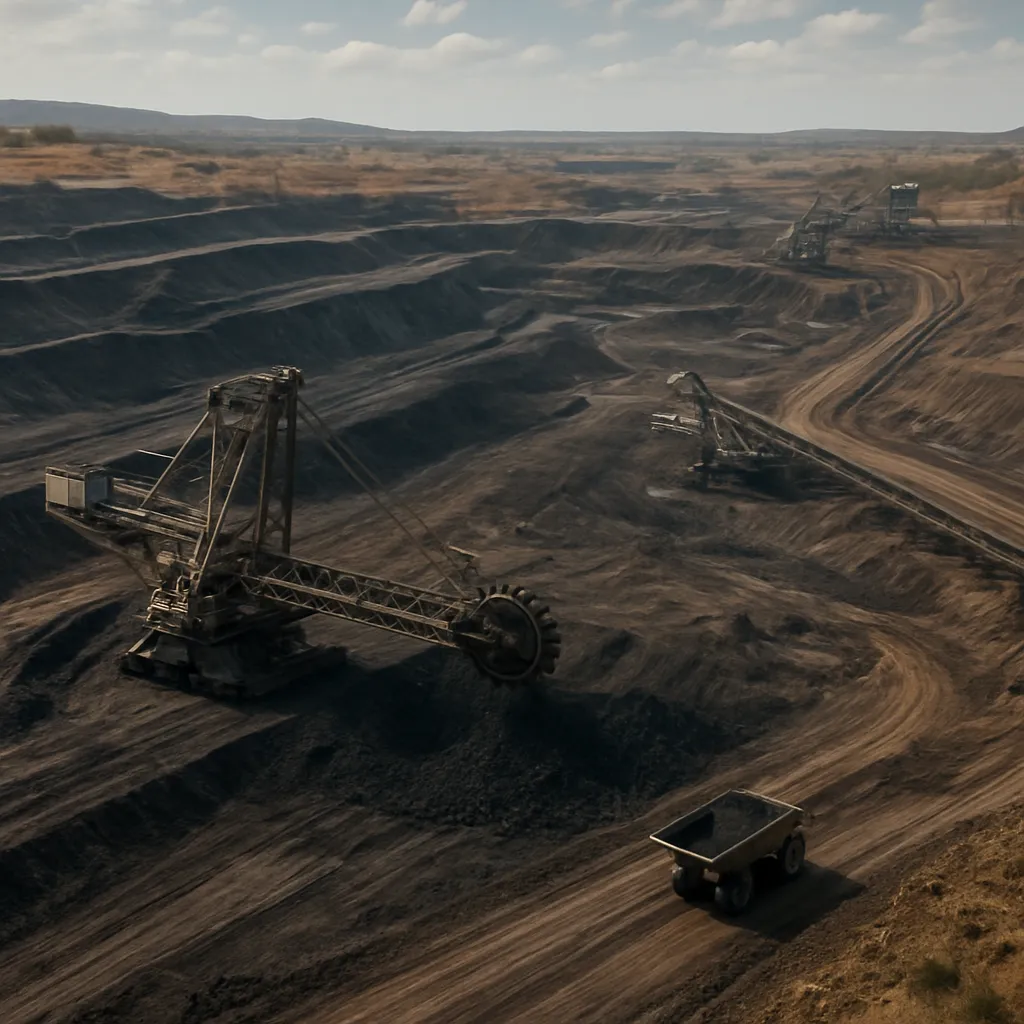
- Technological upgrades: Mechanization, digital monitoring, and beneficiation technologies offer opportunities to lower costs, reduce environmental footprints, and improve safety. Automation can enhance productivity but also raises workforce transition issues.
- Regulatory and policy shifts: As South Africa moves gradually toward decarbonization and renewables, coal miners must adapt through diversification, coal-to-chemicals pathways, or managed closures with economic transition plans for affected communities.
Opportunities for Dorpspruit might include investments in coal-washing to capture higher-value markets, improving logistics links to reduce transport costs, or participating in local beneficiation initiatives that add value downstream of raw extraction.
Historical Notes and Local Context
Coal mining in the Highveld has a long history, with industrial-scale extraction expanding in the early 20th century to supply growing electricity demands, railways, and manufacturing. Mines such as Dorpspruit operate within this legacy, often following historical seams that were first exploited decades ago and later redeveloped using modern methods.
Local histories often intertwine mining with community development: towns grew around collieries, and generations of families have been dependent on mining incomes. At the same time, the historical footprint of mining has left legacy environmental issues—abandoned shafts, water pollution, and land-use conflicts—that contemporary operators must address through rehabilitation and community engagement.
Concluding Observations
Dorpspruit Mine exemplifies many of the characteristics of South Africa’s coal sector: geologically favourable Permian seams yielding coal primarily for thermal use; strong linkages to national power infrastructure and export markets; and a complex mix of economic benefits and environmental responsibilities. While mine-specific data may not always be publicly detailed, the regional and national statistics illuminate the broader context in which Dorpspruit operates: a sector that remains central to South Africa’s energy and industrial systems but one that faces evolving economic, environmental and policy pressures.
Understanding the future of Dorpspruit and similar mines requires attention to market trends, technological change, regulatory frameworks, and community dynamics. Whether through modernization, beneficiation, or careful mine closure planning, the path chosen will shape both local livelihoods and South Africa’s broader transition in the decades ahead.