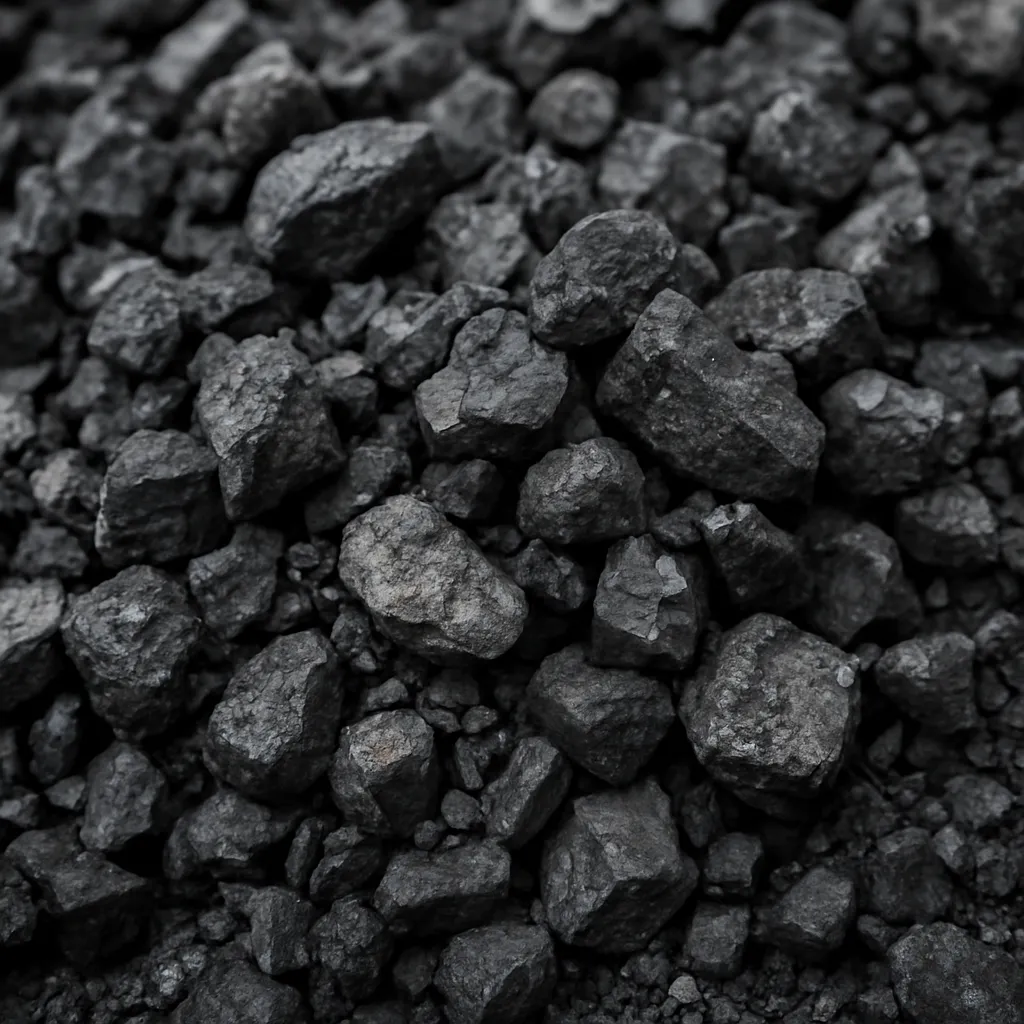
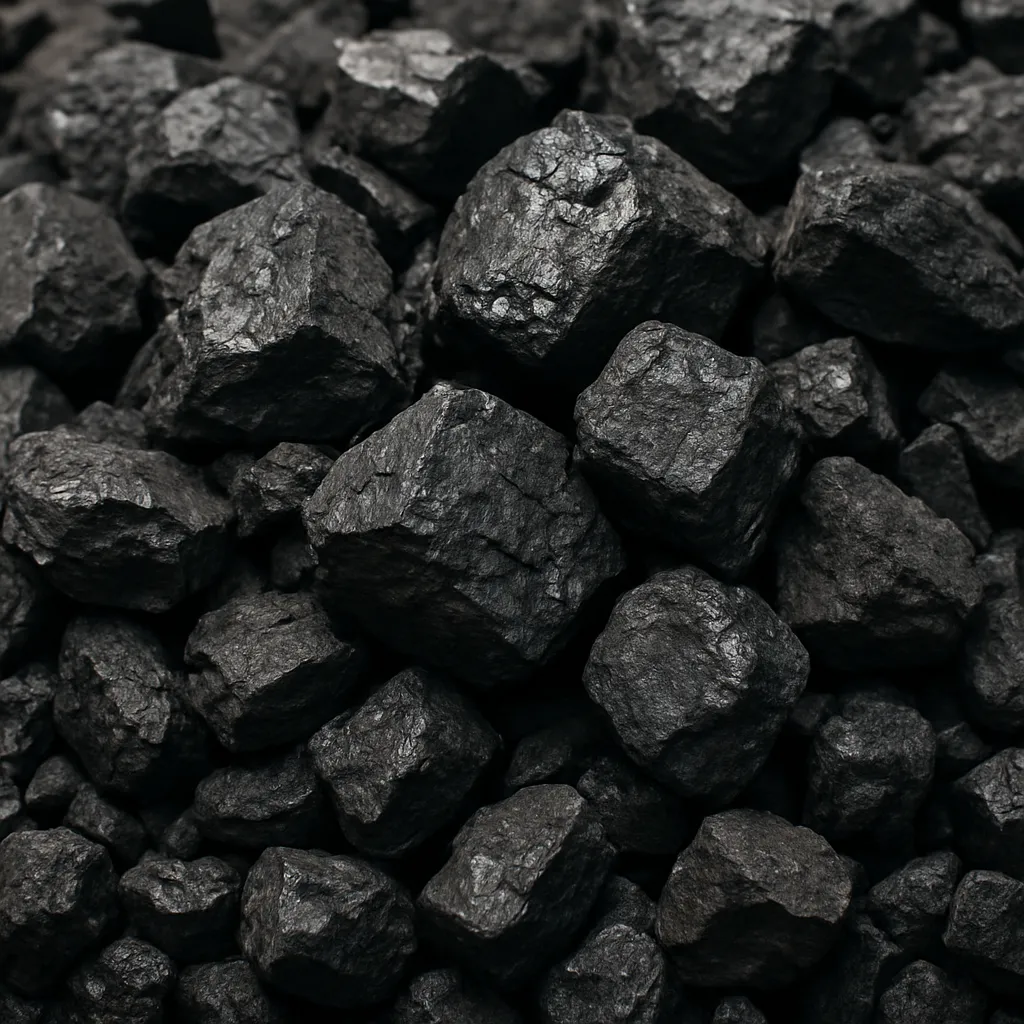
This article examines the specialised category commonly called chemical-grade coal — varieties of coal selected or processed for use as a raw material in chemical, metallurgical and high-value industrial applications. It describes where these coals occur, how they are mined and upgraded, their economic and trade significance, major industrial uses, environmental implications and likely future developments. Throughout the text key terms are highlighted to help navigation and emphasis.
Occurrence, geology and classification
Coal is a sedimentary rock formed from the compaction of plant matter over geological time. Chemical-grade coals are not a single geological type but rather coals of particular rank and composition that meet strict quality criteria for use as feedstock in chemical and metallurgical processes. Coal ranks range from lignite (low rank) through sub-bituminous and bituminous to anthracite (highest rank). For chemical and metallurgical roles, high-rank coals with low ash and low sulphur — or coals that can be beneficiated to these specifications — are preferred.
Typical attributes sought in chemical-grade coal include: high fixed carbon content, controlled volatile matter, low ash and low sulphur, predictable caking and swelling behaviour (important for coking), and low levels of deleterious trace elements (e.g., chlorine, mercury, arsenic) when feedstock purity matters. Many chemical processes use coal not simply as fuel but as a source of carbon and a precursor of hydrocarbon molecules; hence chemical-grade coal often commands a premium over thermal-grade material.
Major geological provinces that host high-quality coals include:
- Eastern Australia (Queensland and New South Wales) — internationally significant sources of high-quality metallurgical and low-ash coals.
- Russia (Kuzbass, Kansk-Achinsk and other basins) — a diverse range from thermal to high-rank coals suitable for metallurgical and chemical use.
- China (Shanxi, Inner Mongolia, Shaanxi) — large resources including high-volatile bituminous and semianthracite coals; strong domestic coal-chemical industry.
- United States (Appalachian region for high-rank coals; Powder River Basin for large volumes of sub-bituminous coal) — anthracite in Pennsylvania has niche uses for specialty carbons.
- South Africa (Highveld and Waterberg basins) — feedstock for coal-to-liquids and coal-to-chemicals historically and currently.
- Indonesia and Colombia — important exporters, particularly of specific grades suitable for blending into coking coal or for specialized chemical processes after upgrading.
Mining, beneficiation and preparation
Chemical-grade coal often requires more extensive processing than fuel coal. Mining techniques vary with geology: underground longwall and room-and-pillar systems are common where thick seams at depth provide coking or high-rank coals, while open-pit mining is typical for more shallow deposits that produce large volumes of lower-rank coals.
Post-extraction procedures used to make coal chemical-grade include:
- Washing and beneficiation — removal of mineral matter (ash) by jigging, dense medium separation and other methods to lower ash and sulphur.
- Coking tests and blending — for metallurgical use, coals are tested for plasticity, swelling and coke strength; favourable coals may be blended to meet coke oven requirements.
- Drying and pyrolysis — removal of moisture and partial devolatilisation to produce semicoke or coke used in chemical reactors or as a reductant.
- Gasification feedstock preparation — size classification and pre-treatment to optimise conversion to synthesis gas (CO + H2).
- Chemical purification — where coal is processed further to extract coal tar fractions, pitch, or to produce activated carbon via controlled oxidation/activation.
Some chemical-grade products are produced directly in coke ovens: coal tar, ammonia, light oils and various phenolic fractions provide raw materials for dyes, resins, and chemical intermediates. For modern coal-to-chemicals facilities, high consistency and low impurities are critical, so mines supplying these plants usually have dedicated quality control streams.
Major industrial uses and downstream importance
The defining characteristic of chemical-grade coal is that it serves as a feedstock rather than simply an energy source. Major uses include:
- Metallurgical coke production: Coking coals are converted into coke used as a solid reductant and structural support in blast furnaces for steelmaking. Metallurgical coke requires specific coke strength and reactivity properties.
- Coal gasification and synthesis gas production: Gasifying chemical-grade coal yields synthesis gas (syngas) that can be converted to methanol, hydrogen, and hydrocarbon liquids via Fischer-Tropsch synthesis.
- Coal-to-chemicals pathways: Coal can be a primary feedstock for methanol-to-olefins (MTO), dimethyl ether, ammonia and other chemicals — especially in regions with scarce oil or natural gas but abundant coal.
- Production of activated carbon, carbon black, graphite precursors and specialty carbons used in water treatment, air purification, electrodes and advanced materials.
- Extraction of coal tar and tar-derived chemicals: historically important for dyes, pharmaceuticals, adhesives and specialty chemicals.
Steelmaking stands out as the largest single industrial demand for chemical-grade coals because high-quality coking coal is essential to blast-furnace-based production. Regions with integrated steel industries therefore maintain strong demand for metallurgical coal and often secure long-term supply arrangements or vertical integration into mining assets.
Economic, trade and statistical perspectives
Globally, coal remains a significant commodity — both as fuel and as industrial feedstock. While the majority of mined coal is consumed as thermal fuel for electricity and heat, a non-trivial fraction is earmarked for metallurgical and chemical purposes. Exact volumes fluctuate each year with economic cycles, steel production, policy shifts and technological adoption.
Broad statistical context (approximate ranges and trends as of the early 2020s):
- Global coal production is on the order of several billion tonnes per year; the bulk is thermal coal, but the coking/metallurgical segment represents a materially important share measured in the low hundreds of millions of tonnes annually.
- The seaborne market for metallurgical coal — the international trade in coking coal — is measured in the hundreds of millions of tonnes a year and is dominated by producers such as Australia, the United States, Russia and Canada as suppliers, with major importing hubs in China, Japan, South Korea and Europe.
- Coal-to-chemicals production (e.g., coal-derived methanol, olefins) is heavily concentrated in China, where policy support, resource availability and industrial scale have produced large coal-chemical complexes. China’s coal chemical production contributes millions of tonnes of methanol-equivalent capacity annually, representing a significant share of global methanol output in some years.
- Price behaviour: prices for chemical-grade and coking coals are typically higher and more volatile than bulk thermal coal. Price spikes have occurred due to supply disruptions, strong steel demand and logistics constraints (notably during 2021–2022), with spot and contract markets reflecting tightness at times.
Trade flows are shaped by comparative geology and logistics: Australian high-quality coking coals are globally important exporters, while large domestic producers such as China and India rely heavily on internal supplies and imports to balance quality and quantity. Suppliers that can reliably deliver low-ash, low-sulphur, high-caking coals command a commercial advantage and long-term contracts with steel producers and chemical plants.
Environmental, regulatory and social considerations
Using coal as a chemical feedstock poses environmental challenges distinct from those of combustion for power. Gasification and coal-to-chemicals facilities can be efficient at molecule conversion, but they produce CO2 and often other pollutants unless equipped with control technologies. Key considerations include:
- Greenhouse gas emissions: Coal-derived pathways produce higher lifecycle CO2 per unit of carbon-containing product than many oil- or gas-based feedstocks unless CO2 capture is applied.
- Local air quality and water use: coal processing and coking produce effluents, tars and particulate emissions that require treatment and management.
- Trace elements and contamination: coal can contain hazardous trace elements that require careful handling when used to produce specialty chemicals or carbon products.
- Social licence and community impacts: coal mining and processing affect land, livelihoods and ecosystems; in many regions these concerns drive stricter permitting and rehabilitation obligations.
Policy responses and technologies aimed at mitigating impacts include CO2 capture, utilisation and storage (CCUS) integrated with gasification plants, enhanced effluent treatment, improved energy efficiency in coal-to-chemicals processes, and stricter limits on trace contaminants. Markets and regulators in many jurisdictions are increasingly sensitive to lifecycle carbon footprints, which affects the long-term competitiveness of coal-derived chemicals.
Technological innovations and future prospects
Several technology trends are shaping the future role of chemical-grade coal:
- Integration of CCUS with coal gasification and coal-to-chemicals projects is viewed as essential if coal-based chemical production is to align with tighter climate targets.
- Development of modular gasification and synthesis units improves the flexibility and lower-scale deployment of coal-derived synthesis routes in some markets.
- Research into upgrading low-grade coals economically increases the supply base for chemical applications in regions without naturally high-rank coals.
- Competition from low-carbon alternatives — including biomass-derived syngas, natural gas-to-chemicals routes, and renewable hydrogen combined with CO2 utilisation — places long-term pressure on coal-based pathways unless decarbonisation is achieved.
In steelmaking, alternative technologies such as direct reduced iron (DRI) using hydrogen or natural gas, and electrified smelting processes, could reduce dependence on coking coal over decades. However, transition pace varies by region: in areas with abundant coal and limited alternatives, coal-based chemicals and coal-derived iron may persist longer and therefore receive investment in cleaner coal technologies.
Case studies and notable projects
A few global examples illustrate the diversity of chemical-grade coal use:
- Sasol (South Africa) pioneered large-scale coal-to-liquids and coal-to-chemicals using Fischer-Tropsch technologies; these projects underpin domestic fuel and chemical supply but are energy and carbon intensive.
- China has multiple coal-to-methanol and coal-to-olefins complexes; some projects scale capacity to millions of tonnes of product annually and are often located near coal-producing basins to reduce transport costs.
- Australia is a cornerstone of the global metallurgical coal trade; its mines serve blast-furnace steelmakers across Asia and have driven investment in high-quality coal mining and logistics infrastructure.
- Historic European coal chemical industries (19th–20th centuries) developed coal gasification and tar distillation at scale; while much of that legacy has shifted to oil and gas feedstocks, the technical heritage informs modern gasification work.
Market dynamics and risk factors
Demand for chemical-grade coal is tightly linked to heavy industry cycles, especially steel production. Key risk factors for producers and consumers include:
- Policy and regulatory change around carbon pricing and emissions reduction; stringent rules can alter the economics of coal-derived chemicals unless offset by CCUS or premiums for low-carbon products.
- Volatility in shipping, logistics and geopolitics affecting trade flows — for example, export restrictions or port congestions can sharply affect regional supply balances and prices.
- Technological displacement: breakthroughs in low-carbon steelmaking or cheaper hydrogen could reduce long-term demand for coking coal.
- Local and global environmental litigation and community opposition, which can delay or curtail projects and increase compliance costs.
Interesting technical and historical points
A few facts and observations that illuminate the role of chemical-grade coal:
- Coal tar, a by-product of coking, was the cradle of the modern synthetic chemical industry — many early dyes and pharmaceuticals were first derived from coal tar fractions.
- Activated carbon made from specific coals remains essential for water purification, gold recovery, air filtration and emerging applications such as gas separation and electrodes for energy storage.
- Coal characteristics vary even within a single basin; mine-level quality control and blending are crucial to meet industrial specifications consistently.
- While the narrative around coal often focuses on power generation, coal’s role as a chemical feedstock has shaped industries and economies, particularly in regions without abundant oil or gas.
Conclusions and strategic considerations
Chemical-grade coal occupies a special niche: it is a raw material that underpins steelmaking and a set of important chemical value chains. The sector’s longevity will depend on three interacting factors: the pace of industrial decarbonisation, the cost and scalability of low-carbon substitutes (including CCUS), and regional resource economics. For countries with abundant high-quality coal, investments in cleaner coal conversion technologies and rigorous environmental management will determine whether coal remains a viable feedstock into the coming decades. For buyers and policymakers, balancing industrial competitiveness, supply security and climate commitments will shape decisions about the future of coal-derived chemicals and metals.
Key terms highlighted
The most critical concepts in this article are emphasised to help rapid orientation: coal, chemical-grade, coking, gasification, methanol, Fischer-Tropsch, activated carbon, steel, China, Australia.