The Calenturitas mine, located in the northern region of Colombia, is one of the country’s important coal-producing sites. This article provides a comprehensive overview of the mine: its geographical setting, the types of coal extracted, the scale of operations, economic and social significance, logistical connections, environmental and regulatory aspects, and prospective developments. The content gathers geological, industrial and socioeconomic perspectives to give a rounded picture of Calenturitas and its role within Colombia’s coal industry.
Location and geological setting
The Calenturitas mine is situated in the northeastern part of Colombia within the broader area commonly referred to as the Cesar coal basin. The basin is one of Colombia’s principal coal-producing regions and contains multiple surface and underground deposits. Calenturitas is typically identified as an open-pit operation taking advantage of relatively shallow coal seams that are accessible through surface mining techniques.
Geologically, the coal-bearing sequences in the Cesar basin formed through the accumulation of organic-rich sediments in fluvial and deltaic environments during the Tertiary and late Mesozoic to Cenozoic intervals. Mineralogically and geochemically, the coals from this area are mainly of the thermal (steam) coal type used for power generation and industrial processes, with rank generally falling in the sub-bituminous to high-volatile bituminous range depending on the seam and depth. These coals typically exhibit variable moisture and ash contents, affecting calorific value and market positioning.
Coal type and mining methods
Calenturitas produces predominantly thermal coal (also known as steam coal), which is mainly used for electricity generation and for industrial heat applications such as cement and brick manufacture. The coal from Calenturitas is generally characterized by calorific values that place it in the commercial categories demanded by many thermal power plants and some industrial consumers. Typical quality parameters for mines in the Cesar basin include energy content, moisture, ash, sulfur and volatile matter percentages; these determine how the coal is marketed — domestically or internationally.
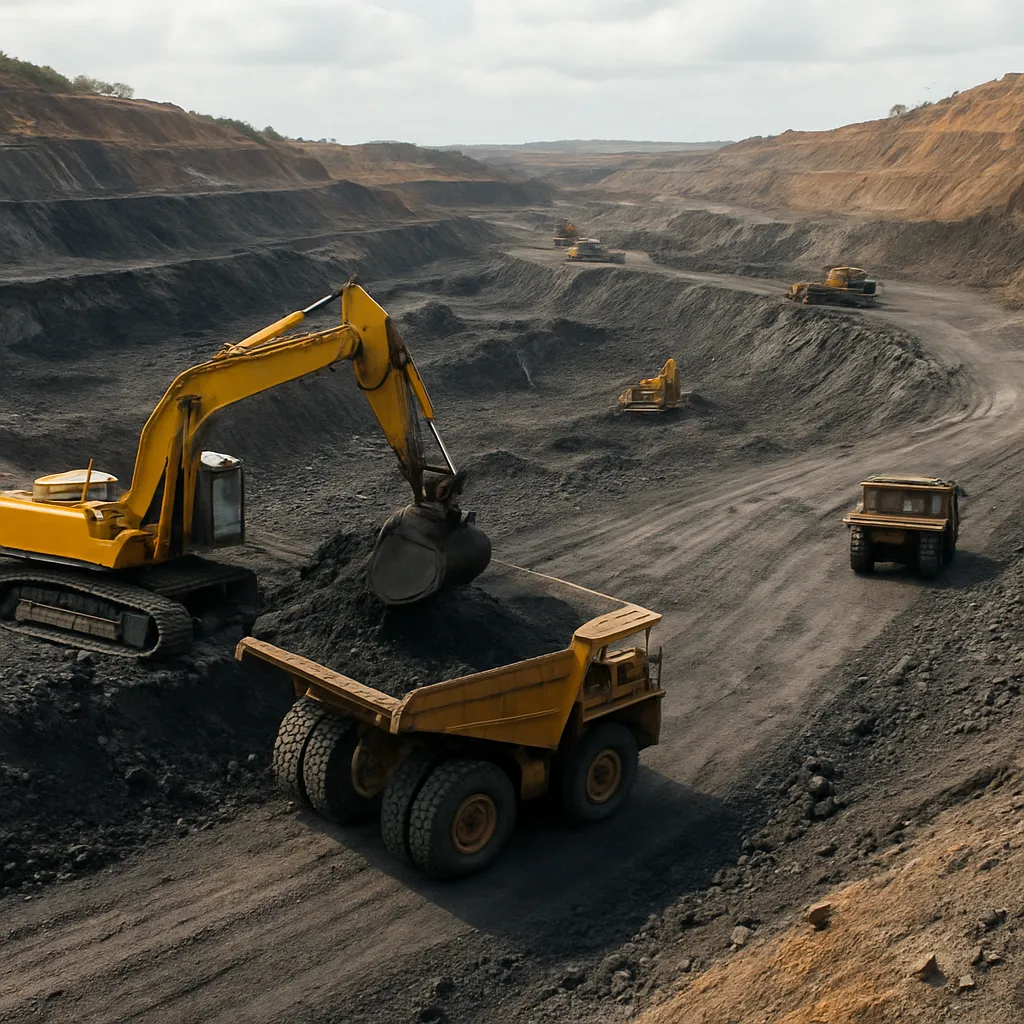
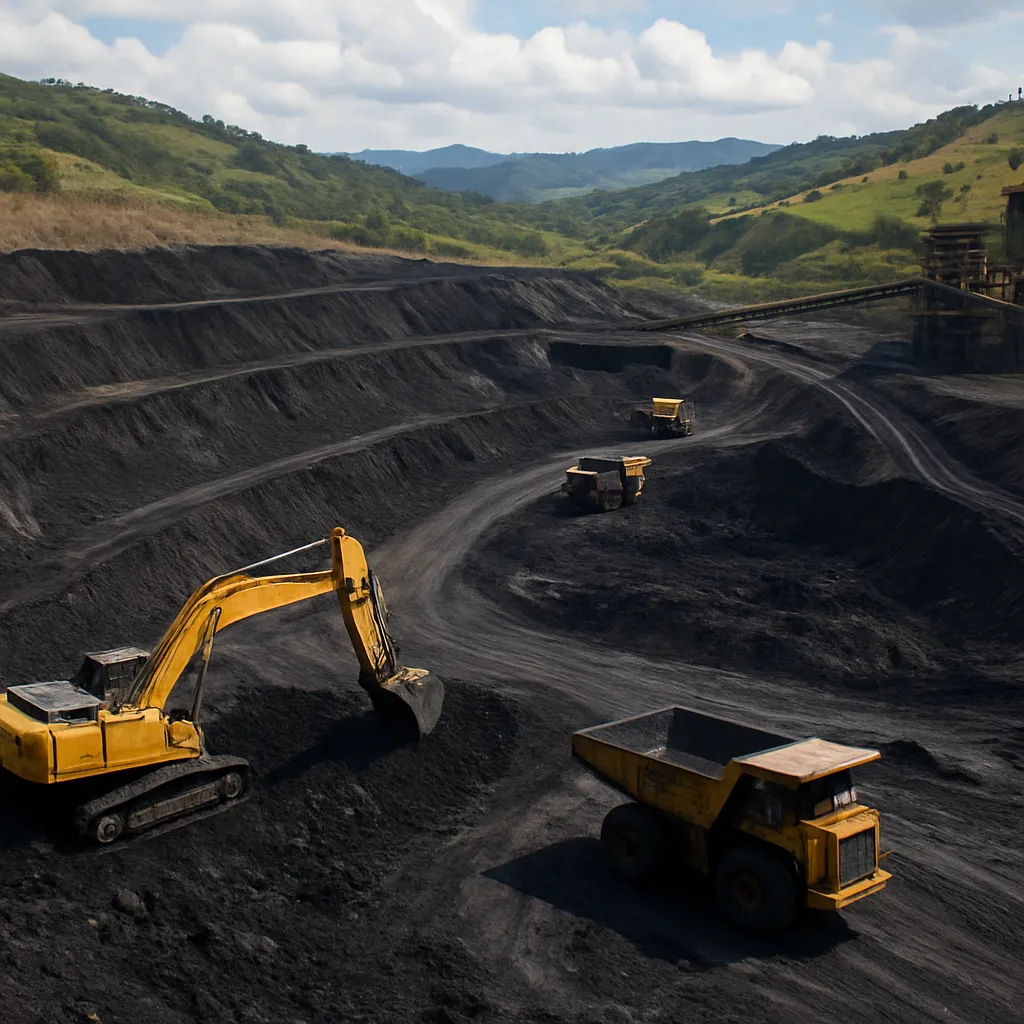
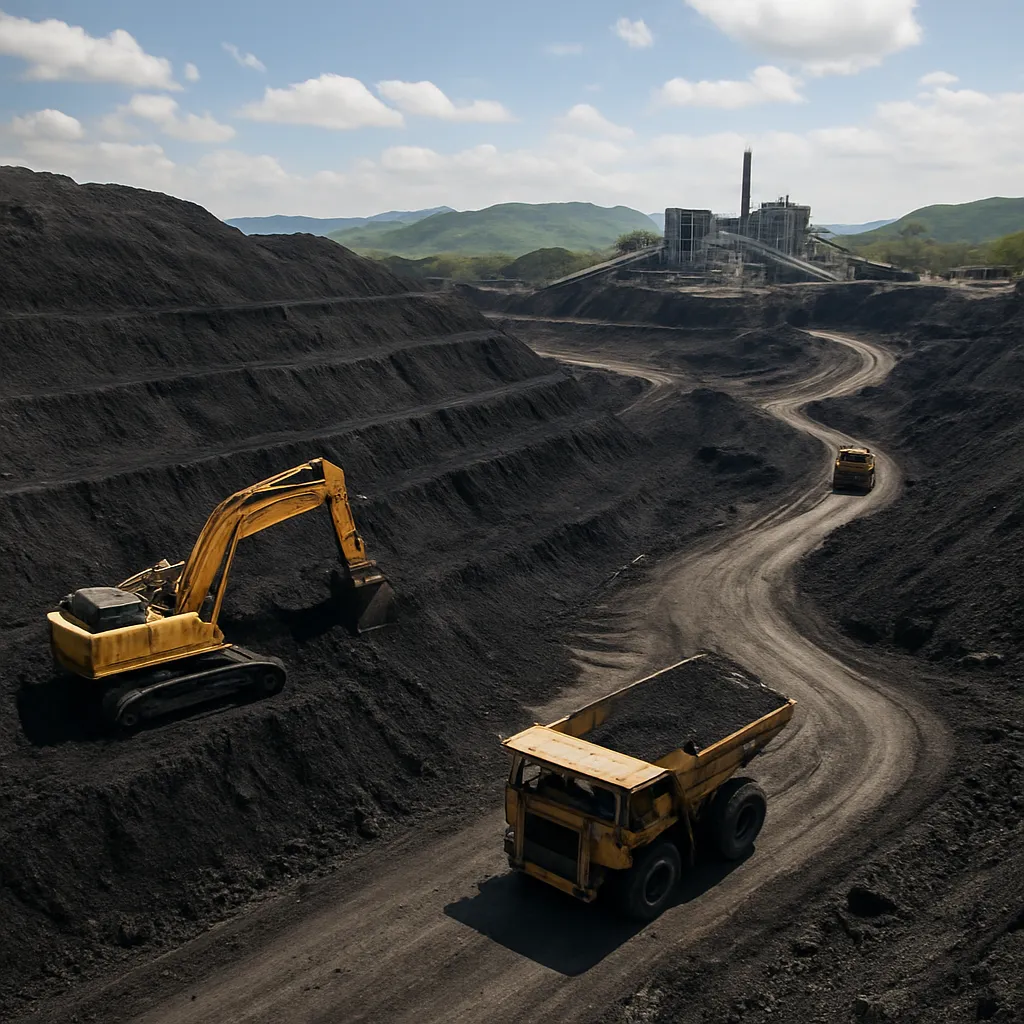
Mining at Calenturitas is carried out through surface/open-pit methods. Open-pit mining is chosen because the seam geometry and overburden allow economical removal of overburden and recovery of coal with heavy earthmoving equipment. The operation typically involves drilling and blasting where required, followed by excavation using large shovels or excavators, haulage via large dump trucks, on-site crushing and screening, and coal handling for transport to processing or loading facilities. Associated infrastructure includes stockpiles, conveyors, water management systems and workshops for equipment maintenance.
Production levels and reserves (estimates and context)
Exact figures for production and proven reserves at Calenturitas have varied over time according to investment cycles, market demand and regulatory conditions. Publicly available information and industry summaries typically describe Calenturitas as a medium-scale mine compared with Colombia’s largest operations. Historically, annual production from Calenturitas has been reported in the range of several hundred thousand to a few million tonnes per year depending on the period and commercial agreements in place. Colombia as a whole, by contrast, has been a global-scale coal exporter, with national exports often in the tens of millions of tonnes annually in peak years.
Reserve estimates for a mine like Calenturitas depend on geological surveys and classification standards; many Colombian deposits record reserves and resources that span tens to hundreds of millions of tonnes when measured at basin scale. Mines such as Calenturitas plan extraction programs around economically recoverable reserves, balancing short-term production with long-term asset life and reclamation planning. Because reporting standards and ownership structures change, reserve and production figures for the mine should be read alongside the year and reporting entity.
Economic and industrial significance
Calenturitas contributes to both the regional and national economies through direct coal sales, taxes, royalties, employment and the purchase of goods and services. At the regional level, the mine supports local suppliers, transport services and construction activities, which translate into multiplier effects on employment and incomes. In a national context, coal production sites like Calenturitas are part of Colombia’s portfolio of extractive industries that generate export earnings, foreign exchange and industrial inputs for domestic use.
The mine’s coal is used predominantly as an input for electricity generation and heat-intensive industries. Depending on commercial contracts and market conditions, a portion of production may be directed to domestic power plants while the remainder is exported. Colombia’s coal exports have historically been marketed to a mix of destinations that include Europe, the Americas and, increasingly, Asian markets. The presence of Calenturitas and similar operations helps to diversify Colombia’s production base beyond the largest mines, providing resilience and options in commodity markets.
Employment, social contributions and local economy
Calenturitas provides employment opportunities both directly within the mine and indirectly through contracting companies and service providers. Direct employment typically includes miners, equipment operators, engineers, geologists, maintenance and administrative staff. Indirect employment covers transporters, suppliers of fuel and spare parts, catering and community services. For rural communities near the mine, these jobs can represent a significant share of available formal employment.
Beyond jobs, mining companies operating at sites such as Calenturitas commonly invest in social programs: community health, education, local infrastructure, vocational training and small-business development. Royalties and taxes from coal production contribute to municipal and departmental budgets, financing roads, schools and health services. The scale and effectiveness of social investment vary by operator, regulatory frameworks and community engagement models.
Logistics, transport and export routes
Logistics are a critical part of the value chain for Calenturitas. Coal is transported from the mine to processing areas and to export or domestic consumption points using a combination of road, rail and conveyor systems. In northern Colombia, Atlantic ports serve as the main gateways for coal exports; therefore, haulage routes are typically oriented toward major ports on the Caribbean coast.
Efficient infrastructure reduces costs and increases competitiveness. Investment in road maintenance, rail connections and port handling capacity directly affects the mine’s operating cost structure and its ability to access international markets. When export markets are favorable, mines like Calenturitas can expand production and logistics throughput, whereas logistical bottlenecks can constrain output and increase unit costs.
Environmental management and community concerns
Like other large-scale surface mines, Calenturitas has environmental impacts that require ongoing management. The primary concerns include land disturbance and loss of vegetation, dust and air emissions from excavation and transport, water use and potential impacts to local water quality, and biodiversity disruption. To address these, industry-standard measures include progressive reclamation of disturbed areas, dust suppression systems, water treatment plants, monitoring programs and biodiversity offsets where appropriate.
The social license to operate is crucial: active stakeholder engagement—especially with local communities and indigenous groups when present—is an essential component of modern mining practice. Environmental impact assessments (EIAs), ongoing monitoring and transparent reporting help build trust. Additionally, closure planning and reclamation commitments seek to ensure that, once mining ceases, landforms and uses are rehabilitated to a stable and safe condition, with potential for alternative land uses such as agriculture, forestry or recreation.
Regulation, royalties and fiscal framework
Colombian mines operate under a legal framework that includes national mining laws, environmental regulations, labor law and tax/royalty regimes. Mining concessions are granted under terms that specify production rights, environmental obligations and royalty payments to the national and territorial authorities. The fiscal contribution from mines like Calenturitas includes corporate taxes, royalties on production, and other fees. These revenues are an important source of funds for regional development.
Regulatory oversight also covers safety standards, environmental compliance and community consultation requirements. Inspections and permit renewals ensure that mining activities operate within the legal framework designed to protect workers and the environment.
Historical context and ownership
The modern development of coal mining in Colombia accelerated from the late 20th century onward as global demand for thermal coal grew and infrastructure investments made exports more accessible. Calenturitas emerged within this context as part of the expansion of production in the Cesar basin. Ownership and operational control of mines can change over time due to acquisitions, joint ventures and corporate restructuring. International mining firms, national companies and local investors have all played roles in the development of coal assets within Colombia.
Understanding ownership history is important for tracing corporate responsibility, historical investment commitments and the continuity of social and environmental programs. Partnerships between local stakeholders and operators have sometimes been used to align interests and share benefits.
Health and safety
Worker safety is a core operational priority. Mining environments present hazards such as heavy machinery operations, dust inhalation, noise and the risk of accidents. Modern mines adopt safety management systems, training programs and personal protective equipment standards to minimize incidents. Health programs may include regular medical check-ups, respiratory health monitoring and occupational disease prevention strategies.
Market dynamics and pricing
Coal markets are driven by global demand for thermal energy, industrial use and by competition from alternative fuels and renewables. Prices for thermal coal fluctuate with macroeconomic conditions, energy policy changes in importing countries and shifts in supply from major producing nations. Mines like Calenturitas are sensitive to these price dynamics: when global prices are strong, increased production and investment are incentivized; when prices fall, operations may scale back production or prioritize higher-grade product streams.
Colombia’s coal industry competes with other global suppliers on quality, freight costs and reliability of supply. Mines that can offer consistent quality and dependable logistics often secure long-term contracts that stabilize revenue streams and support capital investment plans.
Technological aspects and efficiency improvements
Modernization of equipment and adoption of digital systems can improve productivity and reduce environmental footprint at mines such as Calenturitas. Technologies include fleet management and fuel-efficiency programs, remote monitoring of equipment, automated drilling and blasting controls, and improved coal washing and processing to enhance product quality. These advances can reduce unit costs, lower emissions and improve safety outcomes.
Challenges and controversies
Mines in Colombia, including Calenturitas, face several challenges: fluctuating commodity prices, community relations and land-use conflicts, environmental compliance and the need for sustained infrastructure investment. In some cases, social unrest or disputes over land and water rights have impacted operations. Addressing these challenges requires proactive community engagement, transparent benefit-sharing arrangements and adherence to high environmental and social standards.
Future outlook
The long-term future of coal sites such as Calenturitas depends on multiple factors: global energy transition policies, coal demand trajectories, national energy strategies, and local decisions about land use after mine closure. While many countries aim to reduce coal consumption to curb greenhouse gas emissions, thermal coal remains part of the energy mix in various regions. Mines that plan for modernization, cost efficiency and robust environmental management may remain viable for many years, while others may transition toward reclamation and alternative land uses.
Transition planning—integrating economic diversification, worker retraining and community development—will be key to ensuring positive post-mining outcomes. Investment in local infrastructure and skills can convert a finite mining boom into a longer-term regional development legacy.
Key takeaways
- Calenturitas is an open-pit coal mine located in the northern Colombian coal-producing region of the Cesar basin.
- The mine produces predominantly thermal coal, suitable for electricity generation and industrial applications.
- Operations use surface mining methods with associated heavy equipment, material handling and logistics to coastal ports for export and domestic supply.
- Economic contributions include employment, local procurement, royalties and taxes; social investments often support local health, education and infrastructure.
- Key operational challenges include environmental management, stakeholder relations, and adaptation to changing global energy markets.
Final observation
Calenturitas exemplifies the role of medium-scale coal operations in Colombia’s extractive sector: providing economic benefits and local employment while facing the environmental and social responsibilities inherent to mining. Its future will reflect broader energy trends, the effectiveness of environmental and social governance, and the capacity to adapt operations and regional economies to a changing global energy landscape. For stakeholders and observers, Calenturitas remains a notable case study in balancing resource development with sustainable regional outcomes.