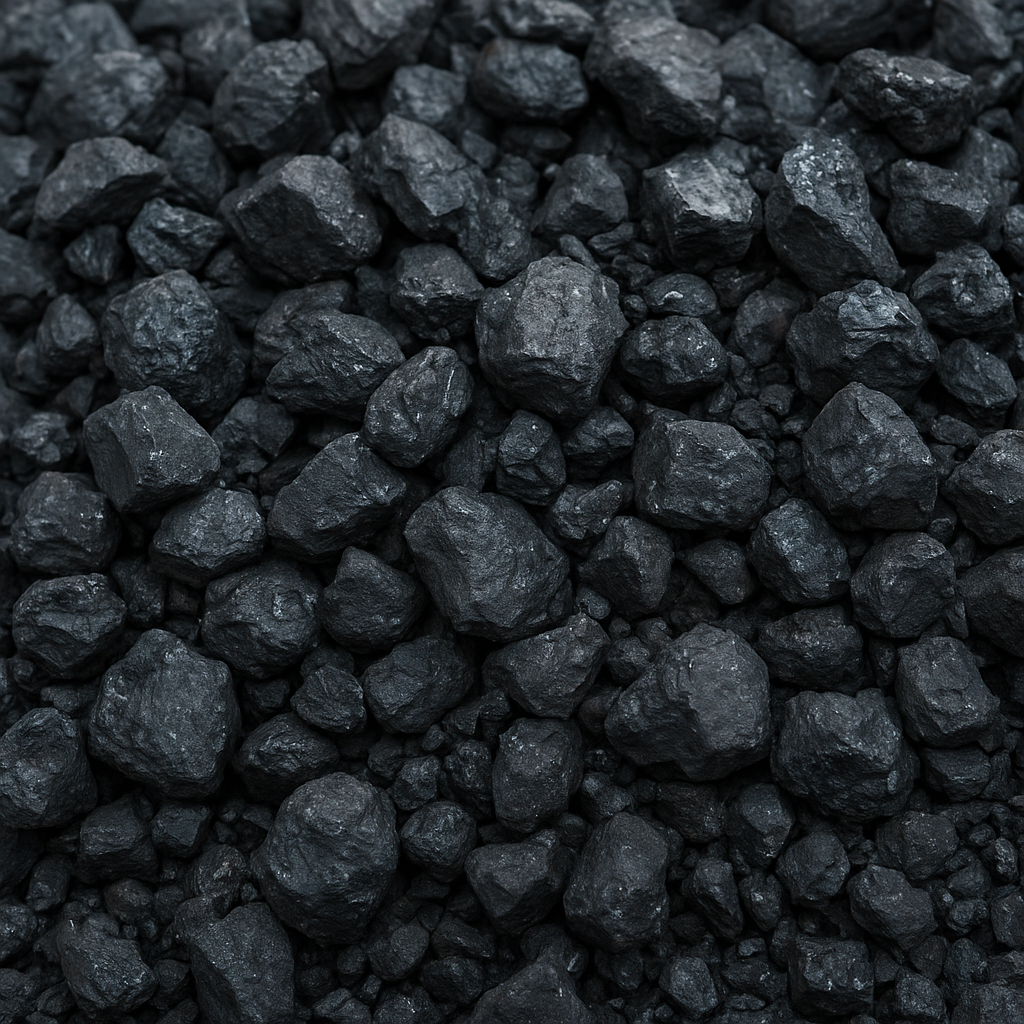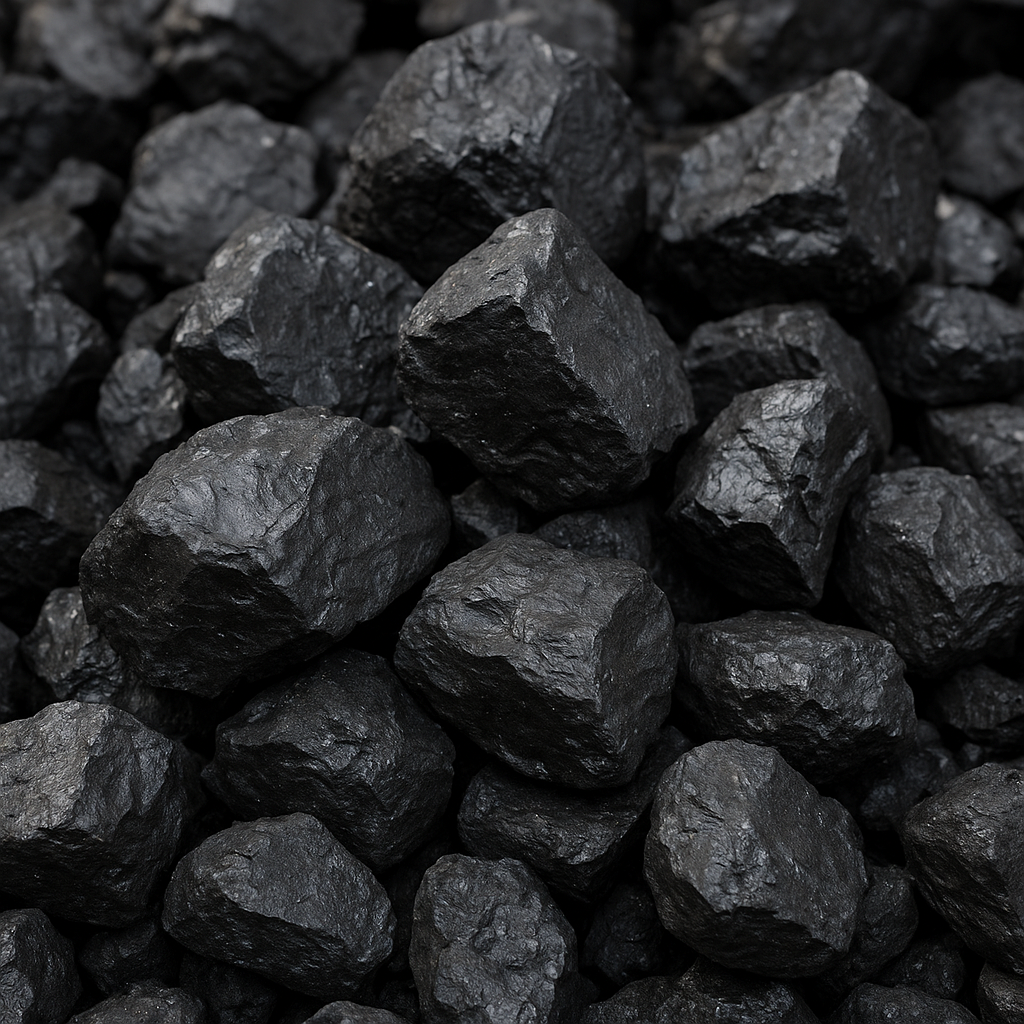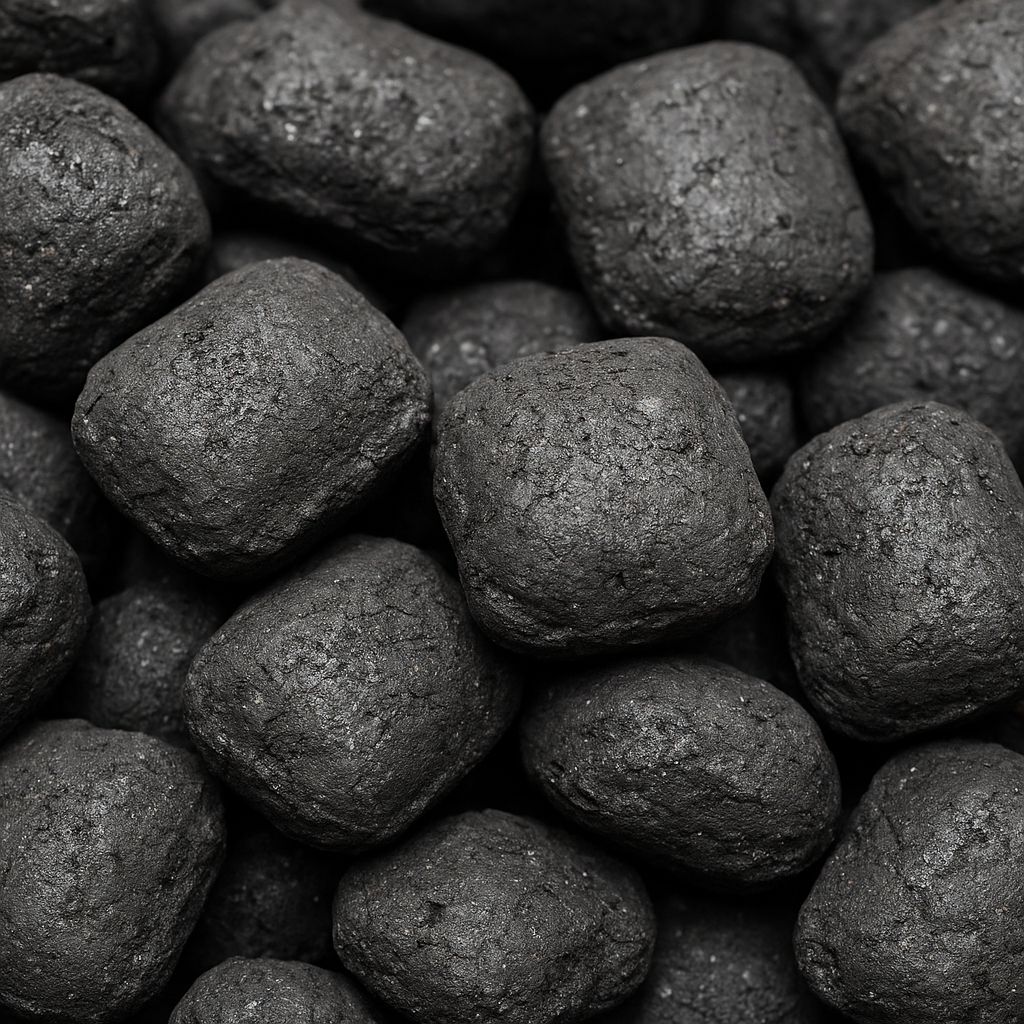
Anthracite briquettes are a concentrated, manufactured fuel derived from the highest-rank coal, prized for their high carbon content, low impurities and efficient combustion. This article explores the geology and distribution of anthracite, the process of producing briquettes, their economic and industrial roles, global production and trade patterns, environmental considerations and practical uses. The aim is to present a comprehensive picture useful for industry professionals, policymakers and informed readers.
Geology, Occurrence and Major Producing Regions
Anthracite is the most mature form of coal, produced by prolonged geological pressure and heat that remove volatile compounds and concentrate carbon. Compared with bituminous and sub-bituminous coals, anthracite has a higher fixed carbon content, greater hardness and a characteristic glossy luster. These properties influence where it forms and how it is mined.
Where anthracite forms
- Anthracite typically originates in sedimentary basins that have undergone deeper burial and higher-grade metamorphism than basins that produce softer coals.
- It is often associated with fold belts and regions of tectonic compression where temperatures and pressures were elevated for prolonged periods.
- Common geological settings include the Appalachian orogenic belt (eastern United States), the Donets Basin (eastern Europe), and parts of northeastern Asia.
Key producing regions and reserves
- China — China has extensive anthracite deposits concentrated in northern provinces and is often cited as the world’s largest producer of high-rank coals, including anthracite. Domestic anthracite is widely used for industrial heating and in coal-to-chemical processes.
- Russia and Ukraine — The Donets and adjacent basins historically supplied large volumes of anthracite and high-grade coal. Political events and conflict have affected production and trade flows in recent years.
- United States (Pennsylvania) — The anthracite fields of northeastern Pennsylvania are historically important. Modern U.S. anthracite production is relatively small compared with past centuries, but the region remains a symbol of anthracite mining heritage.
- Vietnam — The Quang Ninh coal basin contains significant anthracite reserves; Vietnam exports some anthracite and uses much domestically for power and metallurgy.
- Other countries with notable anthracite occurrences include North Korea (exports historically to China), parts of the United Kingdom (historic South Wales anthracite coalfields), and minor deposits in various countries across Europe and Asia.
Reserves and production vary widely by source and year. While anthracite constitutes a small fraction of total global coal tonnage, its quality and specific uses make it disproportionately important in certain markets.
Anthracite Briquettes: Production, Properties and Uses
Anthracite briquettes are manufactured fuels produced by compressing anthracite fines or small-sized pieces together with binders to form uniform shapes — typically cylindrical or oval — suitable for transport, storage and controlled combustion. Briquetting converts low-value waste material into a marketable product with consistent characteristics.
Production process
- Feedstock: crushed anthracite, fines, dust or small lumps often recovered from screening and sizing operations.
- Blending: material is homogenized for consistent feed quality. Other coal types or additives can be blended to adjust combustion or handling properties.
- Binders: common binders include coal tar, pitch, molasses, starch and certain organic resins. Choice of binder affects strength, smoke generation and environmental profile.
- Compression or extrusion: hydraulic presses or mechanical extruders form briquettes under high pressure; some processes add heat to improve cohesion.
- Drying and curing: finished briquettes may be dried to reach target moisture levels and cured to achieve full mechanical strength.
Typical physical and chemical properties
- High fixed carbon: often in the range of 80–95% depending on feedstock and binder.
- Low volatile matter: anthracite has one of the lowest volatile matter contents among coals, contributing to cleaner burning and strong embers.
- Calorific value: anthracite and anthracite briquettes typically deliver high energy per mass — commonly around 25–33 MJ/kg (approximate range depending on grade).
- Moisture and ash: moisture usually low (<5–10% in quality briquettes); ash content varies with the mineral matter in the feedstock.
- Combustion behavior: few flames, long-lasting coals, good heat density and relatively low smoke when burned correctly.
Primary uses of anthracite briquettes
- Domestic heating in stoves and closed fireplaces — favored where smokeless, long-burning fuels are valued.
- Industrial small-to-medium boilers — for process heat and space heating in industries where stable, high-temperature combustion is required.
- Specialized metallurgical applications — certain high-grade anthracite products are used in smelting and alloy production, sometimes as a partial reductant.
- Water and wastewater filtration — crushed anthracite is used as a media for filtering solids; briquetted forms may be re-crushed for this purpose.
- Carbon products — anthracite can be an input to activated carbon production and other carbon-based materials after appropriate processing.
Economic, Trade and Statistical Perspectives
Although anthracite represents a small share of the world’s total coal tonnage, its higher energy density and lower volatile content afford it premium applications and niche market value. Briquetting adds value by improving feedstock consistency, reducing dust and enabling more efficient combustion.
Market dynamics
- Price premium: Anthracite typically commands higher prices per tonne or per energy unit than lower-rank coals because of its heating value and cleaner combustion characteristics.
- Domestic vs. export markets: In many producing countries, anthracite is consumed domestically for industrial heat and residential uses; some producers also export by seaborne or cross-border trade.
- Substitution pressures: Natural gas, electricity and renewable heating (biomass, heat pumps) exert competitive pressure on residential and small-industrial uses of anthracite briquettes, especially in markets with strong decarbonization policies.
Production and trade trends (general observations)
- Global production concentration: A relatively small number of countries account for most anthracite and high-grade coal production. Large coal-producing countries such as China and Russia are important sources.
- Declining traditional markets: Residential use in Western Europe and North America has declined over decades due to cleaner fuel regulations and electrification, yet niche markets remain.
- Emerging and resilient applications: Industrial uses (metallurgy, filtration) and regions with limited access to alternatives maintain steady demand.
Available public statistics specific to anthracite are less prominent than aggregate coal figures, but several indicative data points are useful:
- United States — modern anthracite production is much smaller than during the 19th and early 20th centuries; contemporary annual output is typically under 1 million short tons (several hundred thousand tonnes) per year, primarily from Pennsylvania operations.
- China — produces the majority of high-rank coals in Asia; anthracite production runs into the tens of millions of tonnes annually when combined across provinces and various high-rank coal categories (figures vary by year and classification).
- Vietnam — the Quang Ninh basin contains multiple billions of tonnes of coal resources and is a notable anthracite region for domestic industry and export markets.
- Trade flows — anthracite trade is specialized: some countries import anthracite for blending or niche uses (filtration media, certain metallurgical needs) while exporters may be adjacent neighbors (e.g., North Korea historically exported anthracite to China).
Industrial Significance and Applications Beyond Fuel
Beyond direct combustion for heat, anthracite and its briquetted forms have industrial and environmental applications that leverage their physical robustness and carbon content.
Water treatment and filtration
- Anthracite is commonly used as a filter media in municipal and industrial water treatment plants because of its hardness, longevity and relatively low propensity to break down into fines.
- Dual-media filters often pair anthracite with sand: anthracite provides a coarse, porous top layer that extends run times and improves turbidity removal.
Carbon products and chemical uses
- High-grade anthracite can be an intermediate feedstock for producing synthetic gas, carbon electrodes or specialized carbonaceous materials after chemical processing.
- Briquettes can be tailored for controlled burn characteristics required in certain processes or small-scale applications where consistent heat release is necessary.
Metallurgy and foundries
- While coking coals and metallurgical coke remain primary reductants in steelmaking, anthracite is used in some smelting contexts or as a blending component where its high fixed carbon and low volatile content are advantageous.
- Anthracite is also used in cupola furnaces and some foundries where a dense, long-burning fuel enhances process stability.
Environmental, Regulatory and Social Considerations
Anthracite’s combustion profile differs from lower-rank coals in ways that affect environmental management and policy decisions. It produces less smoke and fewer volatiles but still emits CO2 per unit of energy, and mining impacts can be significant in sensitive landscapes and communities.
Emissions profile
- Compared per unit mass, anthracite yields more energy and therefore somewhat lower CO2 per unit of useful heat compared to lower-grade coal; however, carbon dioxide emissions remain substantial and are a major climate concern.
- Anthracite tends to produce less particulates and visible smoke because of low volatile matter, and sulfur contents are often low in many anthracite seams — but this is seam-specific and not universally true.
- Use of modern combustion technologies, emissions controls and efficient burners reduces local air impacts from briquette use.
Regulatory trends and market impacts
- Air quality regulations in many developed countries have curtailed domestic coal use; this has reduced demand for residential briquettes in those regions.
- International climate commitments and carbon pricing schemes increasingly make high-carbon fuels less economically attractive relative to low-carbon alternatives.
- At the same time, in regions with constrained access to alternatives, high-quality anthracite briquettes can remain economically attractive as a stable energy source.
Social and regional effects of anthracite mining
- Historic anthracite districts (e.g., Pennsylvania) developed unique social, cultural and economic identities tied to the coal industry; closures and declines have required economic transition and remediation efforts.
- Modern mining can bring employment and infrastructure, but it also produces environmental legacies (spoil heaps, subsidence, water quality issues) that require mitigation and long-term stewardship.
Technology, Innovation and the Future of Anthracite Briquettes
Technological developments in briquetting, emissions controls and coal utilization can extend the useful life of anthracite products in specific markets while improving environmental performance.
Advances in briquetting technology
- Improved binders and pressing technologies yield stronger, lower-ash briquettes that resist breakage during transport and storage.
- Cold briquetting, mechanical binding and environmentally friendly organic binders reduce reliance on coal tar and pitch, improving emissions during production and use.
Integration with broader energy transitions
- In some industrial uses, anthracite briquettes may be combined with biomass or waste-derived fuels to reduce net carbon intensity while preserving combustion characteristics.
- Carbon capture and storage (CCS) technologies, if deployed at scale in coal-using industries, could alter the environmental calculus for continued coal use; however, CCS is still expensive and limited in application.
Market outlook and niche endurance
- Demand for anthracite briquettes is likely to remain in specialized niches: water filtration media, certain industrial processes, and regions with limited access to cleaner fuels.
- Residential demand in developed markets will likely continue to decline, while developing regions and industrial consumers will determine near-term demand depending on fuel prices, policy and access to alternatives.
Practical Considerations for Buyers and Users
For purchasers, engineers and household users considering anthracite briquettes, key practical factors determine suitability and cost-effectiveness.
Quality specifications
- Calorific value, fixed carbon percentage, ash content and moisture are primary metrics. Buyers should require laboratory certificates or consistent supplier testing.
- Binder type and briquette durability affect storage losses, dust generation and combustion characteristics.
Handling and storage
- Briquettes require dry storage to preserve mechanical strength and calorific performance; moisture ingress can degrade combustion and increase emissions.
- Packaging and palletization help protect briquettes in transit and reduce breakage.
Combustion equipment
- Not all coal stoves and boilers are optimized for briquettes; hardware that accepts uniform solid fuel sizes and provides good air management yields best results.
- Users should ensure adequate ventilation and, where required by regulation, compatible emissions control devices.
Concluding Observations
Anthracite briquettes occupy a specialized yet significant position in the global energy and industrial landscape. They convert high-grade coal or coal fines into a manageable, energy-dense product with applications ranging from residential heating in niche markets to industrial boilers and filtration systems. While global trends toward decarbonization, electrification and cleaner fuels are reducing some traditional markets, anthracite’s physical properties — high fixed carbon, low volatility and durability — secure its role in selected applications. Careful attention to sourcing, production methods, binder selection and environmental controls can help optimize performance and mitigate impacts as markets evolve.