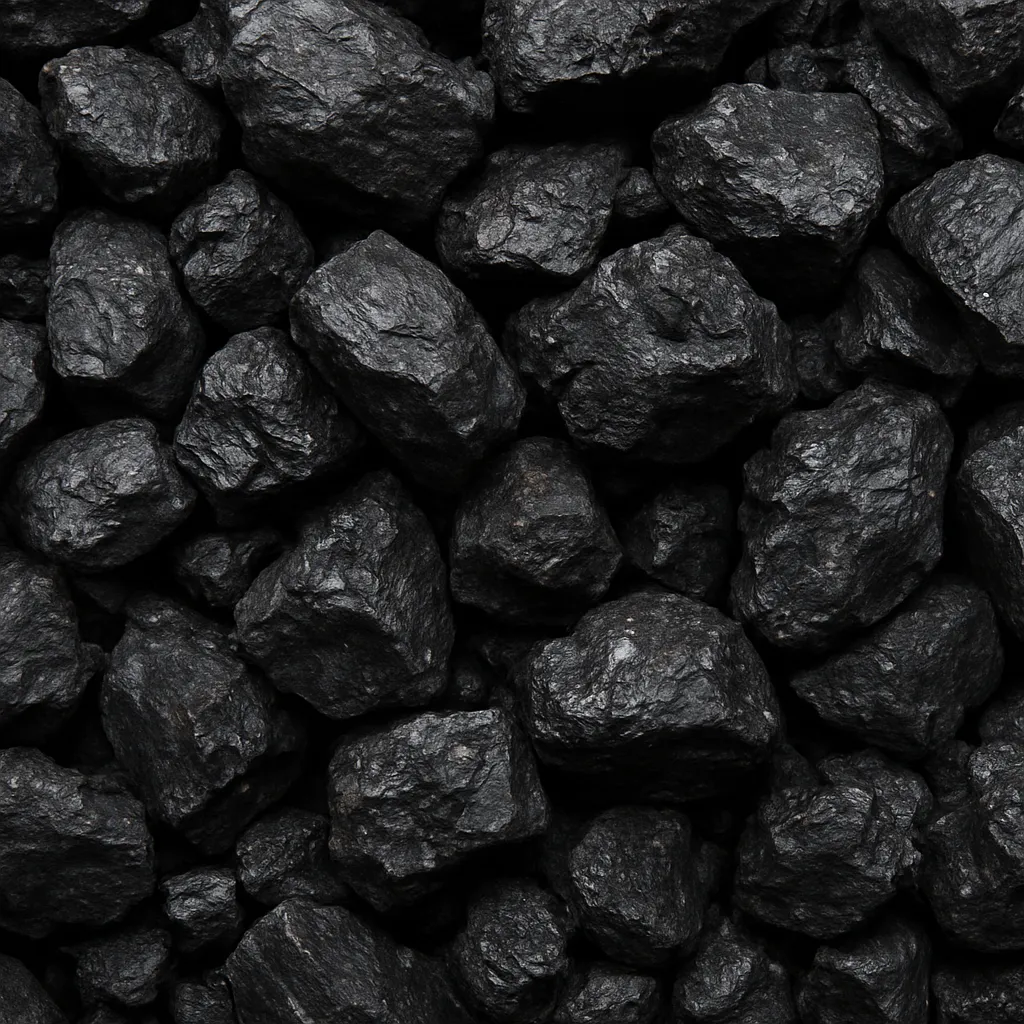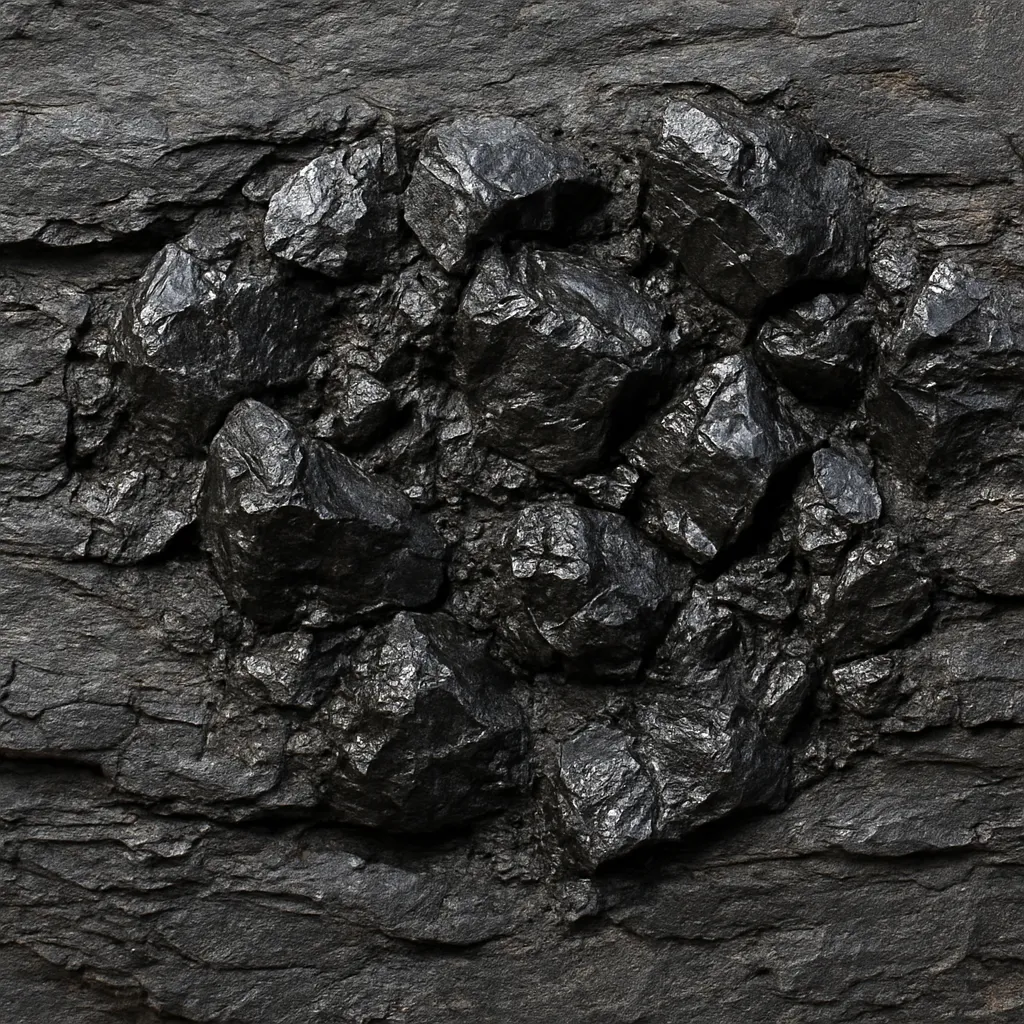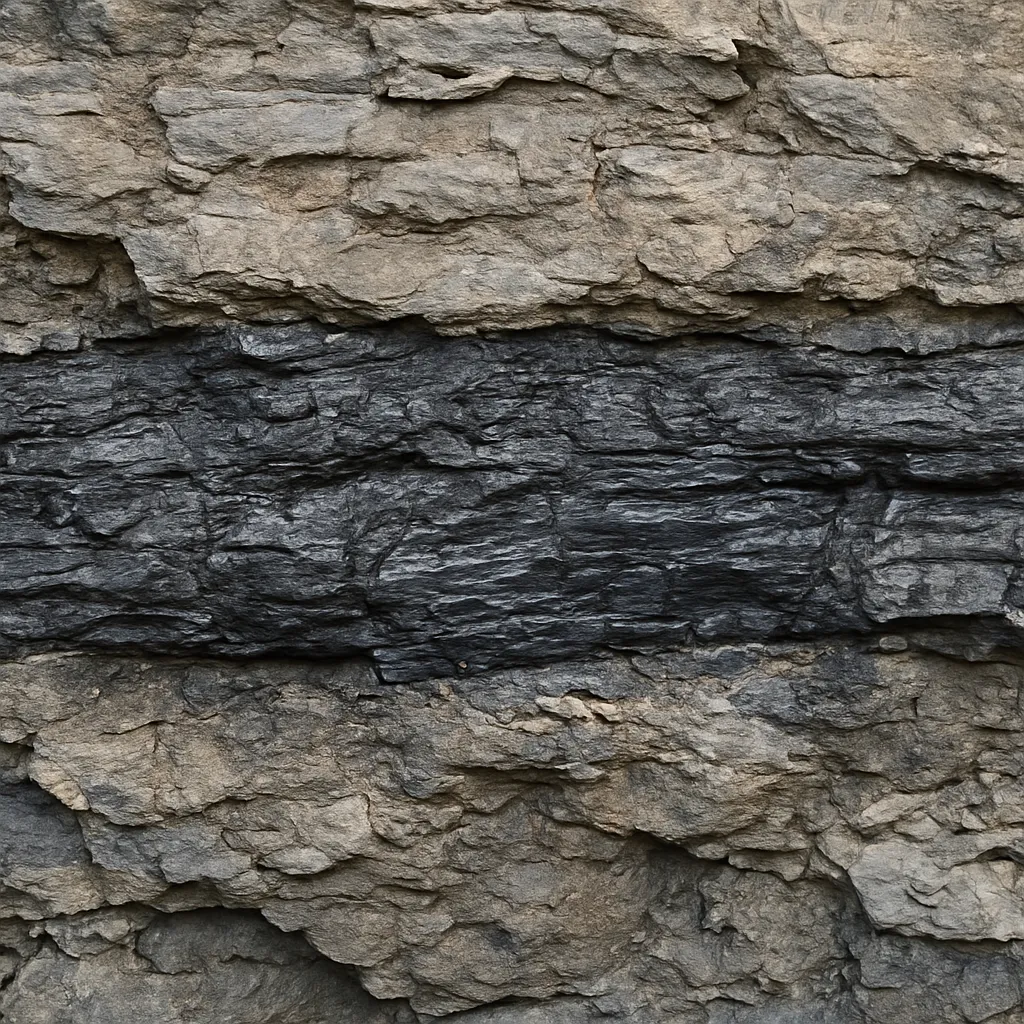
This article explores the geological nature, global distribution, extraction, economic importance, industrial uses and environmental challenges of coal that occurs within or alongside shale formations—commonly referred to as coal-bearing shale. Coal-bearing shales occupy a unique place at the intersection of sedimentary geology, energy resources and industrial raw materials. Below you will find a detailed synthesis that addresses where these deposits are found, how they are exploited, their role in national and global economies, relevant statistics and trends, and technological and environmental aspects that influence their present use and future prospects.
Geology, formation and characteristics
Coal-bearing shale refers to fine-grained sedimentary strata (shales or mudstones) that contain significant amounts of organic material and, in many cases, discrete or dispersed coal seams or carbonaceous layers. These rocks typically formed in low-energy, often deltaic, lacustrine or coastal environments where **organic** matter accumulated, was preserved under anoxic conditions, and subsequently subjected to burial and diagenesis. Over geological time, organic-rich muds and peat layers were compacted and thermally altered into a spectrum of products: from **coal** (peat → lignite → sub-bituminous → bituminous → anthracite) to generated hydrocarbons (oil and gas). Coal within shales is commonly found in the classic Carboniferous and Permian coal measures, but occurrences span multiple geological periods depending on local depositional history.
Key petrographic and geochemical features of coal-bearing shale include:
- High total organic carbon (TOC) values in the host shale, often exceeding a few percent and locally reaching tens of percent.
- Presence of macerals (vitrinite, liptinite, inertinite) that indicate the type and maturity of the organic matter.
- Interbedding of clay-rich shale and thin coal seams or carbonaceous layers—sometimes the coal is laterally discontinuous and represented as carbonaceous lenses.
- Mineralogical constituents such as clays, quartz, carbonates and accessory sulfide minerals (pyrite), which influence mining behavior and environmental outcomes (e.g., acid mine drainage from pyritic shales).
Where coal-bearing shales occur and major producing regions
Coal-bearing shales are globally widespread because they form in sedimentary basins where organic-rich deposition occurred. They are especially common in Paleozoic and Mesozoic basins. Major regions with significant coal-bearing shale sequences include:
- Appalachian Basin (United States): extensive Pennsylvanian coal measures with interbedded shales.
- Illinois Basin and Powder River Basin (United States): significant carbonaceous shale and coal seams, the latter including widespread low-rank coals.
- Western and Central Europe (Poland, Germany, United Kingdom): Carboniferous coal-bearing strata with economic coal seams often hosted in shales and sandstones.
- Russia (Kuzbass, Donets Basin): large Permian- to Carboniferous-age coal measures featuring coals in shale successions.
- China (North China Plain, Shanxi, Inner Mongolia): extensive coal measures; China hosts many basins where coal is interbedded with shales and other clastic rocks.
- India (Damodar Valley and other Gondwana basins): coal-bearing shales and associated seams of Permian to Gondwana age.
- Australia (Bowen Basin, Sydney Basin): coal measures with carbonaceous shales and coal seams used for thermal and metallurgical purposes.
Aside from traditional coal basins, some fine-grained organic-rich shales are sources of coalbed methane and shale gas; these resources may occur where coals are part of or adjacent to the shale package. In many basins, thin coal seams interlayered with shale are exploited either directly as coal or indirectly as methane sources.
Extraction methods and technologies
Extraction of coal from coal-bearing shale follows the same general methods as coal mining in other settings but must account for the often-complex geometry and mechanical properties of shales. Common methods include:
- Surface/open-pit mining: used where coal seams or carbonaceous layers are shallow and laterally extensive. Overburden removal and benching are common, and shales may serve as spoil or require special handling to control erosion and acid generation.
- Underground mining: longwall and room-and-pillar methods are applied to thicker, laterally continuous seams that occur within shale sequences. Shales may present roof support challenges and influence mine design.
- Coalbed methane (CBM) and shale gas extraction: coal seams and carbonaceous shales can produce significant methane. Techniques include dewatering of coal seams, directional drilling and hydraulic fracturing for low-permeability intervals. The dual nature of some basins—coals embedded in shales—means both CBM and shale gas may be commercially viable.
- Small-scale and underground lignite mining: in low-rank coal-bearing shales, lignite is often mined in shallow pits or via shallow underground methods, especially where mechanization is limited.
Mining of coal-bearing shales requires careful geological characterization (coal seam thickness, lateral continuity, roof/rib competency), geotechnical design and environmental management. When coal seams are thin or discontinuous, selective mining or blended processing is used to maintain fuel quality.
Economic and statistical overview
Coal remains a major global energy source and industrial feedstock, though its share varies by country and is changing due to decarbonization policies. Some key high-level statistics and economic points:
- Global production and consumption: in the early to mid-2020s global coal production and consumption remained on the order of several billion tonnes annually (commonly cited in the range of roughly 7–8 billion tonnes per year). Regional demand patterns are driven primarily by power generation and steelmaking.
- Reserves: global proven coal reserves are estimated in the order of several hundred billion to over a trillion tonnes of coal equivalent, with major reserves concentrated in regions such as China, the United States, Russia, Australia and India. These reserves represent many decades of supply at current production rates, though practical extraction is constrained by economics and environmental regulation.
- Major producers and consumers: China is by far the largest producer and consumer of coal, often accounting for around half of global production and consumption. Other major producers include India, the United States, Indonesia and Australia. Many countries in Europe and elsewhere have reduced coal use significantly, while others expand it for industrialization and power security.
- Economic importance: coal-bearing shales and their coals contribute to national revenues, employment and local economies—especially in mining regions where ancillary industries (transport, rail, port, equipment supply) are important. Metallurgical coal (for steel) attracts higher prices than thermal coal; coals from shale-hosted seams that can be coked provide strategic value to steelmakers.
- Commodities pricing: coal prices vary by grade, calorific value and market. High-quality coking coal commands significantly higher prices than low-rank thermal coal. Prices are influenced by demand for electricity, steel production, export infrastructure and global energy market dynamics.
Industrial uses and significance
Coal has multiple industrial roles beyond electricity generation. Coal-bearing shales that yield workable coal are important for:
- Power generation: thermal coal from shales feeds coal-fired power plants, particularly in countries with abundant domestic coal where it supports energy security and grid stability.
- Metallurgy: metallurgical (coking) coal is essential to produce coke for the blast furnace steelmaking process. Some coal seams in shale sequences are suitable for coking with appropriate washing and blending.
- Chemicals and materials: coal is a feedstock for chemical synthesis (ammonia, methanol, synthetic fuels), activated carbon, carbon fibers and in some historical cases for gas production via gasification.
- Coal-derived methane: coalbed methane (CBM) offers a cleaner-burning gas resource; production from coal-bearing shales supplements natural gas supplies in several regions.
- Industrial heating and cement: low-grade coals are used where high-grade alternatives are not available, e.g., in cement kilns and some industrial boilers.
Environmental issues and mitigation
Mining and use of coal-bearing shale resources involve numerous environmental concerns:
- Greenhouse gas emissions: combustion of coal is a major source of CO2 and is central to the global climate change challenge. Coal-bearing shale-sourced coal contributes to this emissions profile when used for power and industrial heat.
- Methane emissions: coal seams and carbonaceous shales can emit methane, a potent greenhouse gas. Untreated methane during mining operations or from abandoned workings is an environmental and safety hazard; capturing CBM reduces leakage and provides an energy product.
- Acid mine drainage and water quality: sulfide minerals (pyrite) associated with shales and coal can oxidize and produce acidic waters that mobilize heavy metals; water treatment and controlled waste disposal are necessary to protect groundwater and surface water.
- Land disturbance and biodiversity: surface mining of coal-bearing shales alters landscapes and habitats; mine reclamation and progressive rehabilitation are essential components of responsible mining practice.
- Air pollution: particulate matter, SO2, NOx and mercury from coal combustion and processing can impact air quality; modern plants and regulations reduce these impacts but challenges remain in many regions.
Mitigation strategies include deploying carbon capture and storage (CCS) on coal-fired power plants, improving combustion efficiency, switching to lower-carbon fuels where feasible, capturing mine methane, strict water management and restoring mined land. Technological improvements in mining and processing also reduce waste and environmental footprint.
Technological advances and research directions
Research and innovation affecting coal-bearing shale exploitation include:
- Enhanced characterization: improved remote sensing, geophysical surveys and 3D seismic imaging provide better delineation of coal seams within shale, reducing risk and improving mine planning.
- Cleaner coal technologies: supercritical and ultra-supercritical power plants raise thermal efficiency and lower CO2 per MWh; combined with CCS, these technologies are part of strategies to reduce emissions from continued coal use.
- Integrated resource recovery: minimizing waste by recovering methane, extracting rare elements (e.g., certain trace metals concentrated in organic-rich shales) and utilizing by-products in construction materials.
- Alternative uses: research into converting lower-grade coals and carbonaceous shales into value-added chemicals, hydrogen via gasification and synthetic fuels offers pathways for economic use in a lower-carbon future.
Socioeconomic impacts and policy considerations
Coal-bearing shale resources often underpin local economies in mining regions, providing jobs, infrastructure and tax revenues. However, they also create socioeconomic challenges:
- Communities dependent on coal face transitions as global energy systems decarbonize; policy measures and just transition programs are required to support workers and diversify local economies.
- Energy security considerations can favor domestic coal use in countries with abundant reserves, but this competes with climate commitments and the economics of renewable energy and natural gas.
- Regulatory frameworks around mining permits, environmental protection and emissions influence the viability of developing coal-bearing shales. Investment decisions are increasingly affected by carbon pricing, lender restrictions and market demand for lower-carbon materials.
Interesting facts and lesser-known aspects
A number of intriguing features make coal-bearing shales scientifically and economically interesting:
- Some coal-bearing shales are also prolific source rocks for oil and gas—the same organic matter that formed coal can generate hydrocarbons when subjected to different thermal regimes.
- Thin, discontinuous coal seams in shales were historically mined by small-scale operations and were a primary energy source during early phases of industrialization in many regions; remnants of this history persist in place names and cultural heritage.
- Geochemically, shales associated with coal measures can be enriched in trace elements such as vanadium, molybdenum or uranium, making them targets for niche extraction in some contexts.
- Coal petrography (macerals and reflectance measurements) provides clues to coal rank and suitability for various industrial uses; coal-bearing shales provide a rich record for paleoenvironmental reconstructions of ancient swamps and climate.
Future outlook
The future of coal-bearing shale development depends on a complex mix of market forces, technological progress and policy choices. Important trends include:
- Declining coal use in power generation in many developed regions as renewables and gas expand, while coal demand may persist or grow in parts of Asia and Africa where electrification and industrialization are ongoing.
- Potential for increased utilization of coal-derived gases (CBM) and for integrating coal assets into broader energy transition strategies via CCS or conversion to hydrogen, if economics and policy incentives align.
- Stronger environmental regulation and investor scrutiny may limit new coal developments, particularly large-scale projects in sensitive regions or where alternatives are cost-competitive.
- Ongoing geological and technological research will refine recoverable-resource estimates for coal-bearing shales, improving the understanding of where and how these deposits can be responsibly exploited.
Concluding perspective
Coal-bearing shale is a multifaceted resource that bridges traditional coal geology and the broader realm of organic-rich sedimentary rocks. It contributes to energy systems, industrial processes and local economies while posing significant environmental and climate challenges. Responsible stewardship of these resources requires careful geological assessment, advanced extraction and mitigation technologies, and policies that balance economic needs with environmental protection and long-term sustainability. As the global energy landscape evolves, coal-bearing shales will remain relevant—either as continuing sources of coal and methane in some regions, or as geological archives and potential feedstocks for technologies that aim to decarbonize and diversify energy supplies.