This article explores semi-dry anthracite, a high-rank form of coal distinguished by its low moisture and relatively high fixed carbon content. It covers geological characteristics, global occurrence and mining practices, economic and statistical perspectives, key industrial applications, and environmental considerations. Wherever possible the discussion distinguishes between true anthracite and the intermediate grade often called semi-dry anthracite or semi-anthracite, explaining why this material remains important in specific regional markets and technical uses.
Geology and physical-chemical properties
Anthracite is the highest-ranked type of coal, formed under intense metamorphic conditions that drive off volatile compounds, concentrate carbon, and produce a hard, glossy material. The term semi-dry anthracite (also encountered in trade as semi-anthracite or low-moisture anthracite) describes material either naturally intermediate between bituminous coal and true anthracite or anthracite that has been partially dried to reduce moisture and volatile fractions for improved handling and combustion stability.
Key physical and chemical characteristics
- Fixed carbon: typically very high in anthracite (>85–95% by dry ash-free basis); semi-dry grades will be slightly lower but still elevated compared with bituminous coal.
- Volatile matter: anthracite is characterised by low volatile matter (often <10%); semi-dry anthracite may carry slightly higher volatiles, depending on rank and treatment.
- Calorific value (gross): true anthracite commonly ranges from about 30–34 MJ/kg; semi-dry anthracite often falls in a slightly lower band, roughly 24–30 MJ/kg, depending on moisture and ash content.
- Moisture: low moisture is a defining feature. Semi-dry product specifications emphasise reduced moisture to improve combustion efficiency and storage life.
- Ash and sulphur: anthracites generally have low ash and variable sulphur; industrial users value low-ash, low-sulphur grades for cleaner combustion and metallurgical uses.
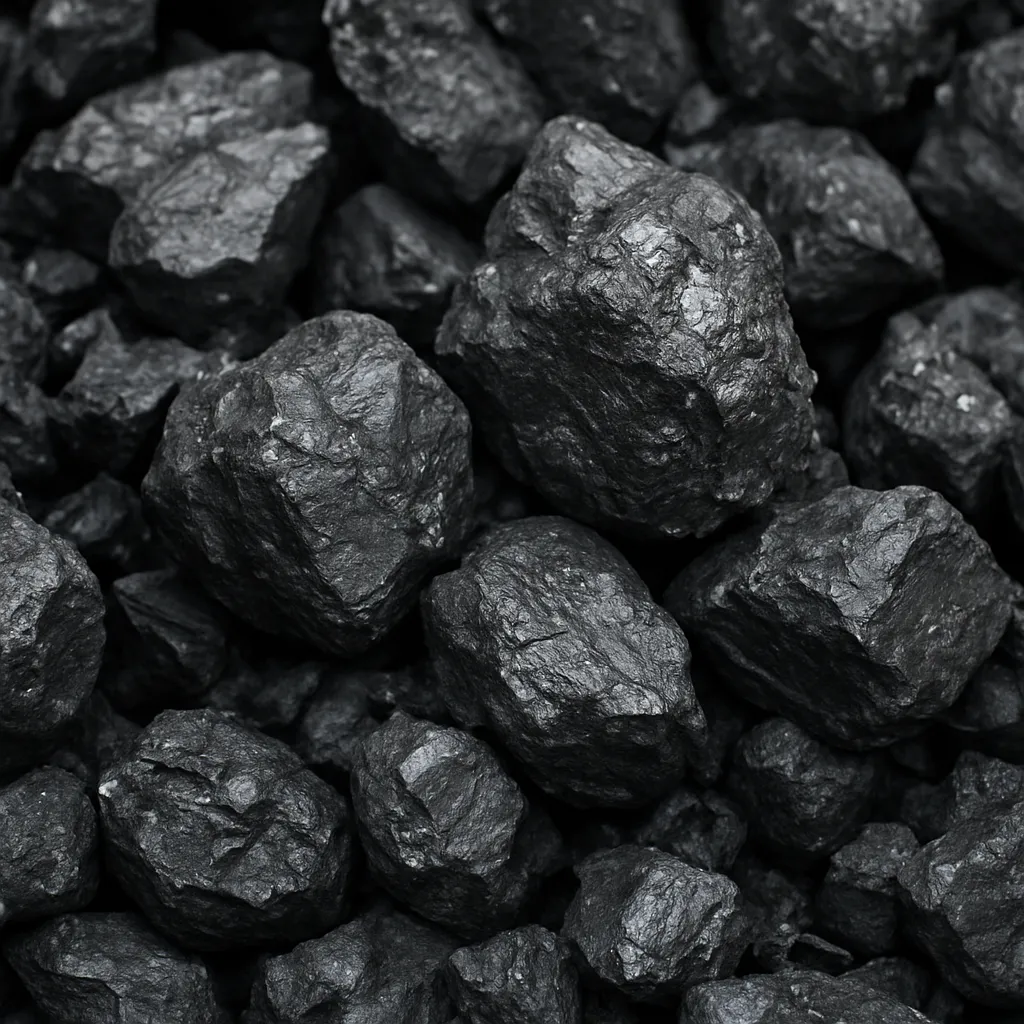
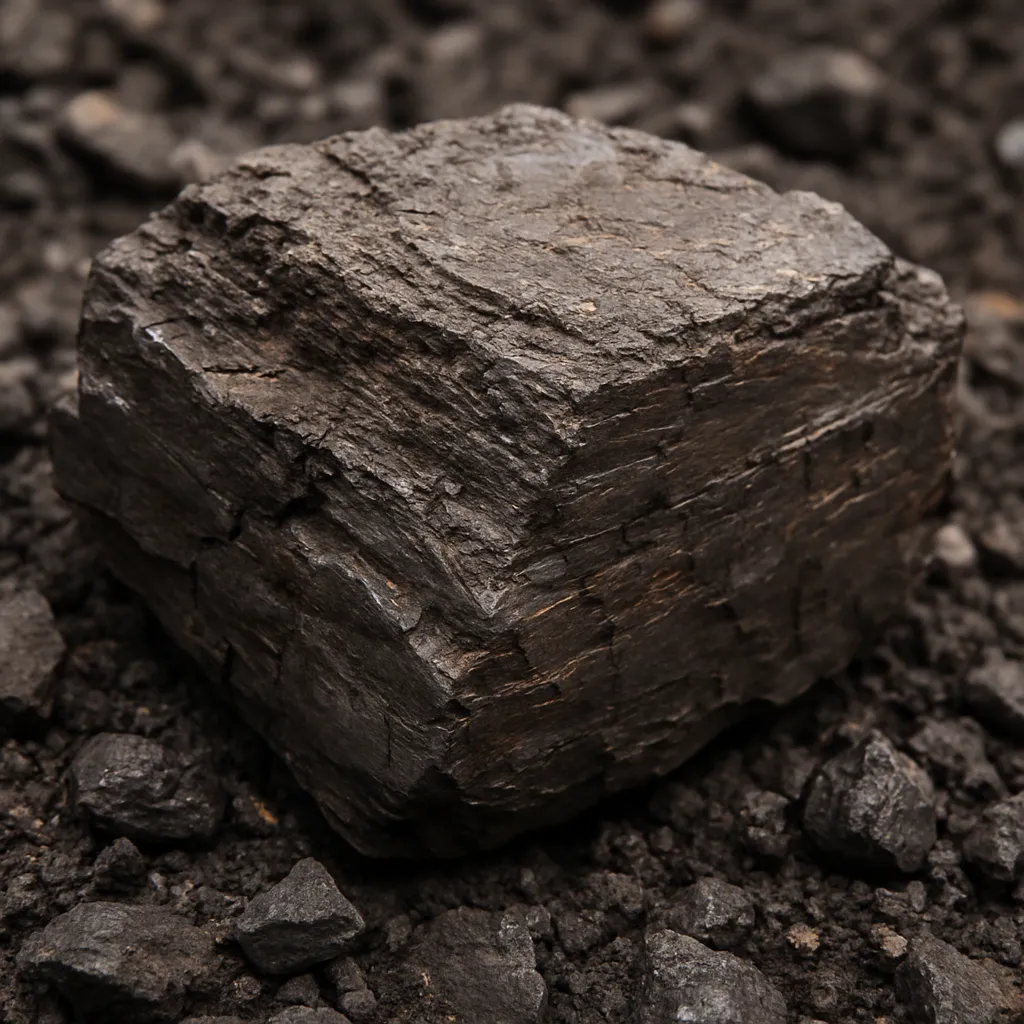
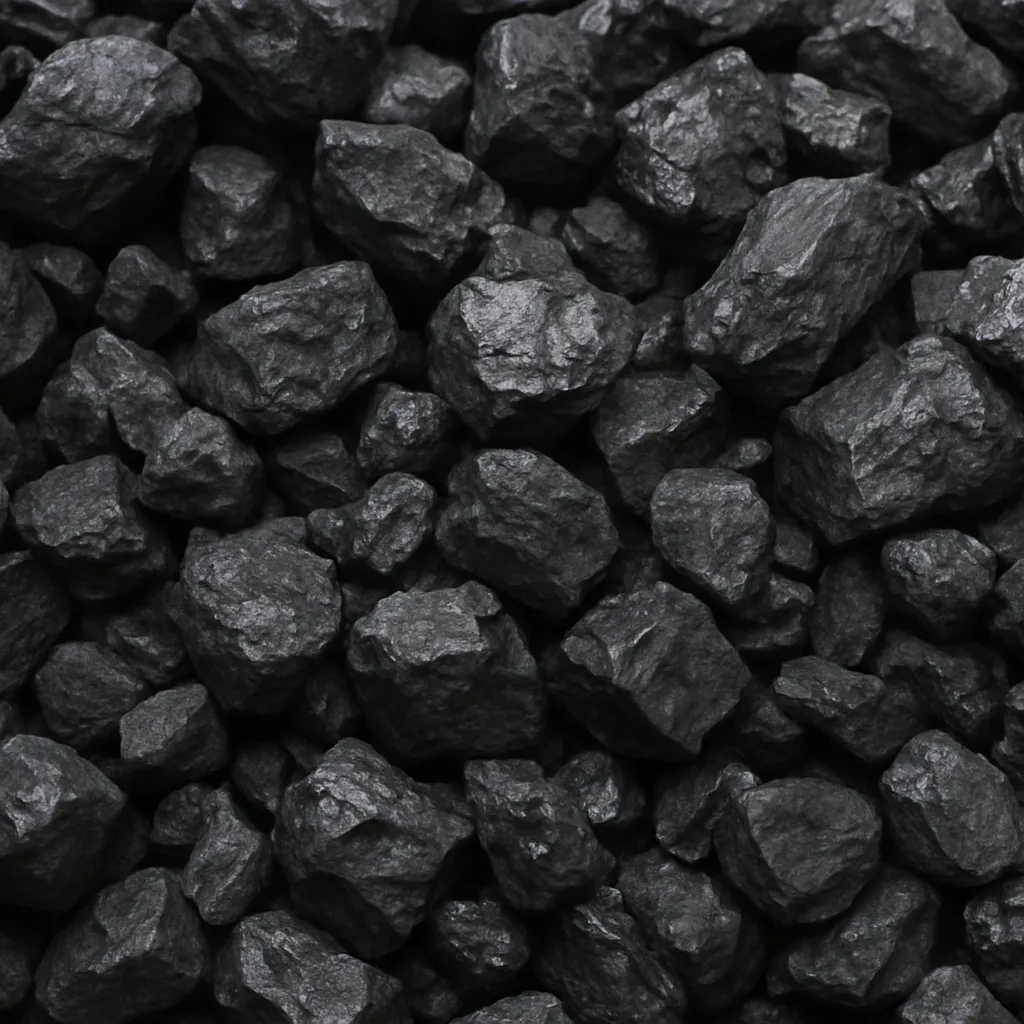
Physically, anthracite is hard and brittle with a submetallic to glossy lustre. It produces little smoke when burned and has a distinct, high-energy flame. These attributes make both anthracite and semi-dry anthracite attractive in applications where heat density and reduced emissions of particulates are important.
Where semi-dry anthracite occurs and how it is mined
Anthracite occurs where original peat and younger coals were subjected to strong tectonic pressures and elevated temperatures—often in folded mountain belts and deeply buried basins. Semi-dry anthracite is encountered in similar geologic settings or produced by beneficiating and drying higher-volatile coals.
Principal producing regions
- China: the largest supplier and consumer of various coal grades, including anthracite and high-rank coals used domestically and exported to neighbouring markets.
- Russia: substantial deposits of high-rank coal occur in several regions; Russia is a major player in the international trade of higher-grade coals.
- Ukraine and parts of Eastern Europe: traditional anthracite fields exist though production has fluctuated due to economic and political factors.
- Vietnam and the Korean peninsula: anthracite quality coals and semi-anthracites are significant in local energy economies and metallurgical uses.
- United States: historically important anthracite basins (notably Pennsylvania) still produce limited tonnages, largely for domestic industrial and specialty markets.
- South Africa and select parts of Australia: producers of higher-rank coals, including anthracite and hard coals used in industrial processes.
The exact distribution and production volumes vary with market demand and resource classification. In many regions, anthracite seams are discontinuous, folded, and faulted, making them challenging to mine. Consequently, extraction often relies on underground techniques such as room-and-pillar or longwall mining, although small open-pit operations exist where seams outcrop or are shallow.
Processing, beneficiation and the concept of “semi-dry”
Semi-dry anthracite can refer to material that has undergone drying (thermal or mechanical) to reduce moisture, or to a natural grade with inherently low moisture. Beneficiation steps may include crushing, screening, gravity separation, and flotation to reduce impurities and produce specified size fractions for different markets (for example, fuel grades versus filtration media). Drying improves calorific value per mass, reduces transportation weight associated with water, and stabilises combustion characteristics.
Economic and statistical overview
Anthracite and semi-dry anthracite occupy a specialised niche within the broader coal industry. They are not the dominant forms of coal in terms of mass produced globally, but they command strategic value in certain applications due to higher energy density and favourable impurity profiles. Below is a concise economic portrait, with careful attention to generalisable trends and reliable qualitative statistics.
Global production and market share
Globally, coal production is measured in billions of tonnes annually, dominated by bituminous and sub-bituminous coals used for electricity generation and steelmaking. Anthracite and semi-anthracite together represent a relatively small share of total production—commonly reported as a small fraction of world coal output (typically under 5% of mass, depending on classification and reporting practices). Production is concentrated: a few countries supply the majority of high-grade anthracite to the market, and domestic consumption patterns often absorb most of regional outputs.
Because anthracite markets are specialised, price dynamics differ from bulk thermal coal: prices are influenced by grade, moisture, ash and sulphur contents, size fraction, and the intended use (e.g., metallurgical uses or filtration media). High-grade, low-ash anthracites and low-moisture semi-dry variants typically command a premium over mid-rank thermal coal on an energy-equivalent basis.
Trade patterns and regional importance
- Domestic consumption: in many producing countries anthracite is consumed domestically in industries requiring dense heat sources or low-smoke fuels.
- Exports and imports: regions without native anthracite may import small but steady volumes for specific applications such as blast-furnace injection, industrial heating, or water filtration.
- Price sensitivity: anthracite markets are less liquid than bulk thermal coal, so supply disruptions, quality shortages, or rapid shifts in industrial demand can produce sharp local price effects.
Employment and regional economies
Anthracite mining communities—especially in older basins—have historically relied on the sector for employment and local revenue. Modern mechanised mining and the decline of some traditional markets have changed employment profiles, but production and beneficiation activities still support jobs in mining, transport, processing, and ancillary services. Where anthracite is exported, it contributes to foreign exchange earnings and trade balances, albeit on a smaller scale than large-volume thermal coal.
Industrial applications and significance
The distinguishing characteristics of semi-dry anthracite—higher carbon content, lower volatiles and moisture, and reduced particulate release on combustion—make it valuable in multiple niche applications. Below are the primary industrial uses that underpin its continued demand.
Energy and heating
- Domestic and commercial heating: in regions with anthracite traditions, the fuel is prized for clean, steady heat and low visible smoke.
- Industrial furnaces and boilers: where a dense heat source with predictable combustion is required, anthracite and semi-dry variants are preferred over lower-grade coals.
Metallurgy and reduction processes
High-carbon coals are used in metallurgical processes as a reductant or energy source. While metallurgical coke (derived from coking coal) remains essential for blast furnaces, anthracite can be used in specific reduction processes, as an alternative fuel in foundries, or as a component in certain electrode and carbon product manufacture. Its low impurity levels can benefit processes sensitive to sulphur and ash.
Water treatment and filtration media
One of the most important non-combustion uses for anthracite is as a filtration medium. Its hardness, density, and irregular surface characteristics make it an effective filter layer, commonly used in municipal and industrial water treatment plants (often as dual-media filters paired with sand). Semi-dry anthracite with controlled grade sizes is widely specified for such systems worldwide.
Carbon products and specialty uses
- Activated carbon precursors: anthracite can serve as a feedstock for specialty carbon products.
- Electrodes and carbon blocks: high-rank coals are sometimes processed into carbon electrodes or other engineered carbonaceous materials.
- Soil amendment and specialty chemicals: smaller niche markets exploit particular characteristics of anthracite-derived materials.
Environmental, regulatory and technological considerations
Despite advantages relative to lower-grade coals, anthracite remains a fossil fuel with associated greenhouse gas emissions and environmental impacts. Policymakers and industry actors have responded in multiple ways that affect production and demand for semi-dry anthracite.
Emissions and efficiency
On an energy-equivalent basis, higher-rank coals such as anthracite tend to emit slightly less CO2 per unit of useful heat compared with lower-grade coals because of their greater calorific value and carbon concentration. However, absolute CO2 emissions remain significant. Anthracite’s reduced volatile content and cleaner combustion profile can also lower particulate and certain pollutant emissions compared to some lower-rank coals, but the fuel still requires modern emission controls to meet contemporary air quality standards.
Regulation and market pressure
- Air quality rules in many jurisdictions have constrained the use of solid fuels for small-scale heating, affecting domestic anthracite markets.
- Climate policies (emissions trading, carbon taxes, renewable energy mandates) create long-term pressure on coal consumption overall, including high-rank coals, even where they have relatively better combustion characteristics.
- Water and land restoration requirements increase the cost of mining operations, influencing the economics of small anthracite mines in mature basins.
Technological responses and innovation
Technologies that can alter the role of anthracite include:
- Drying and densification: improving transport efficiency and combustion performance of semi-dry products.
- Gasification and high-efficiency conversion: co-gasification with biomass or integration into combined-cycle systems can improve emissions profiles relative to direct combustion.
- Carbon capture and storage (CCS): if deployed at scale, CCS could preserve some industrial uses of coal while mitigating CO2 emissions, but economic and deployment challenges remain.
Market drivers, trends and future outlook
The outlook for semi-dry anthracite depends on intersecting factors: regional energy policies, industrial demand (particularly for filtration media and metallurgical uses), the pace of decarbonisation, and the economics of mining and beneficiation. Several trends are notable:
Secular decline in bulk thermal demand, niche resilience
Worldwide reductions in coal-fired power in favour of gas and renewables lower aggregate coal demand, but high-rank coals retain niche applications where quality and impurities matter. Semi-dry anthracite’s resilience is most evident in industrial markets (water treatment, foundries, speciality carbon products) less exposed to retail electricity market shifts.
Regional geopolitics and supply security
Because anthracite supply is geographically concentrated, export markets are sensitive to political developments. Regions dependent on imports for specialised coal grades may seek supply diversification or to develop domestic substitutes, affecting trade flows and prices.
Opportunities for substitution and material innovation
In some filtration and industrial heating applications, alternatives (synthetic media, activated carbons, electrification) present competitive or substitution threats. Conversely, improvements in coal cleaning, drying, and application-specific product development can preserve or even expand demand for tailored semi-dry anthracite products.
Practical considerations for buyers and industry actors
Procurement and use of semi-dry anthracite require attention to specification and operational details:
- Quality specification: detailed analysis of calorific value, moisture, ash, sulphur, and particle size is essential.
- Storage and handling: low moisture reduces biological degradation and spontaneous heating risk, but handling protocols must still manage dust and safety.
- Regulatory compliance: users must ensure fuel quality aligns with emission control systems and local environmental permits.
- Lifecycle assessment: organisations increasingly evaluate total environmental impact across extraction, transport, combustion, and waste management when choosing fuels or filtration media.
Interesting facts and lesser-known uses
– Anthracite has historically been used in urban heating systems because its clean-burning properties reduced smoke nuisance in dense settlements.
– In water treatment, anthracite grains are valued not only for filtration but because their relative density and irregular shape create a graded bed with different hydraulic properties than sand alone.
– Semi-dry anthracite as a product category emerged partly in response to logistics and efficiency demands: drying and size-control reduce transport costs and improve combustion predictability for industrial users.
– Specialty carbon products derived from high-rank coals can find high-value applications in batteries, electrodes, and advanced materials, offering potential pathways for coal-derived carbon to remain relevant in low-carbon industrial value chains if processed responsibly.
Conclusion
Semi-dry anthracite bridges the gap between the highest-rank anthracite and less mature bituminous coals, offering a combination of high energy density, relatively low impurities, and stable combustion behaviour. Although it represents a modest share of global coal tonnage, its industrial importance—in water treatment, specialised heating, metallurgical niches, and carbon products—keeps it economically meaningful in regional markets. The material faces challenges from evolving environmental policy and alternative technologies, but opportunities exist through product refinement, value-added applications, and integration with cleaner conversion technologies.