This article examines the geology, extraction, economics, industrial uses, environmental impacts and future prospects of carbon-rich lignite — a form of brown coal that occupies a critical and controversial place in the global energy mix. The piece covers where lignite occurs and is mined, major producing countries and regional significance, technical aspects of mining and conversion, economic and statistical snapshots, and contemporary challenges and innovations aimed at reducing environmental harm while preserving energy and social benefits in mining regions.
Occurrence, geology and characteristics
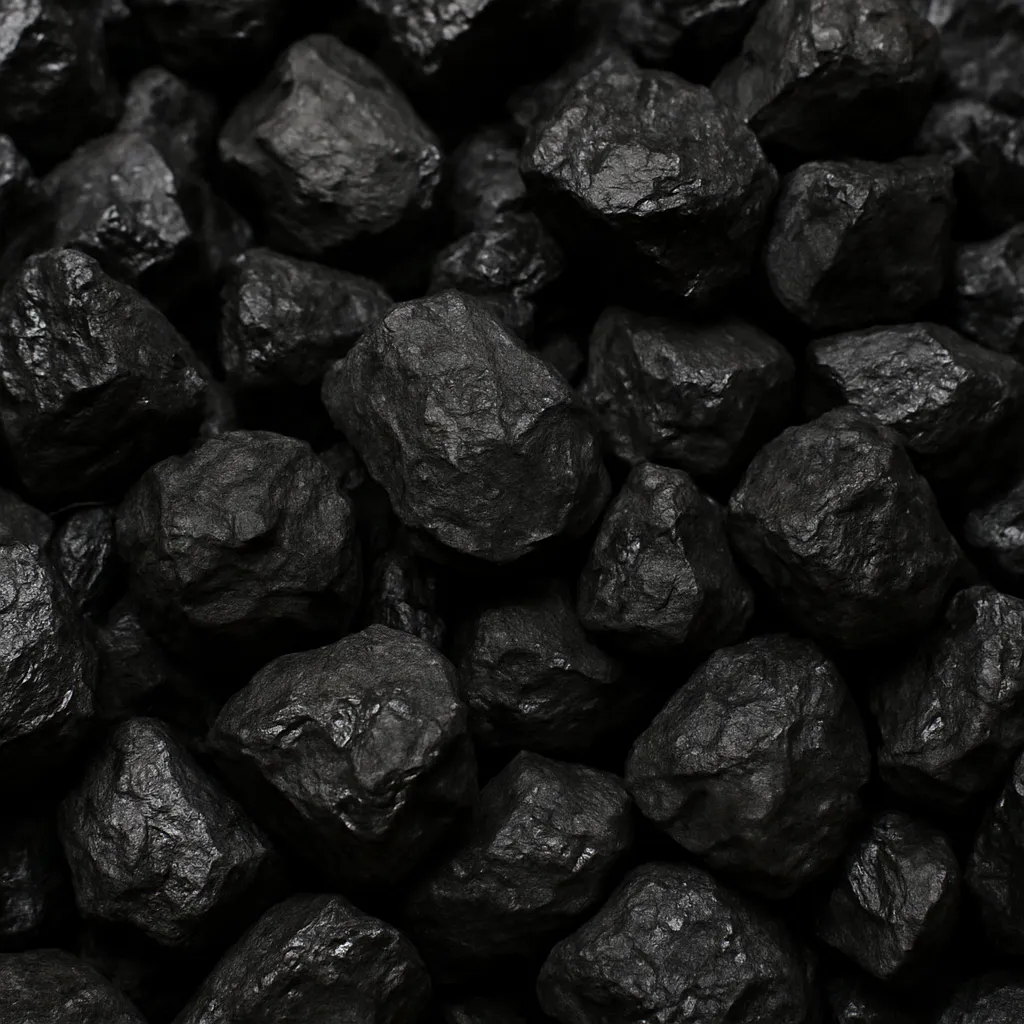
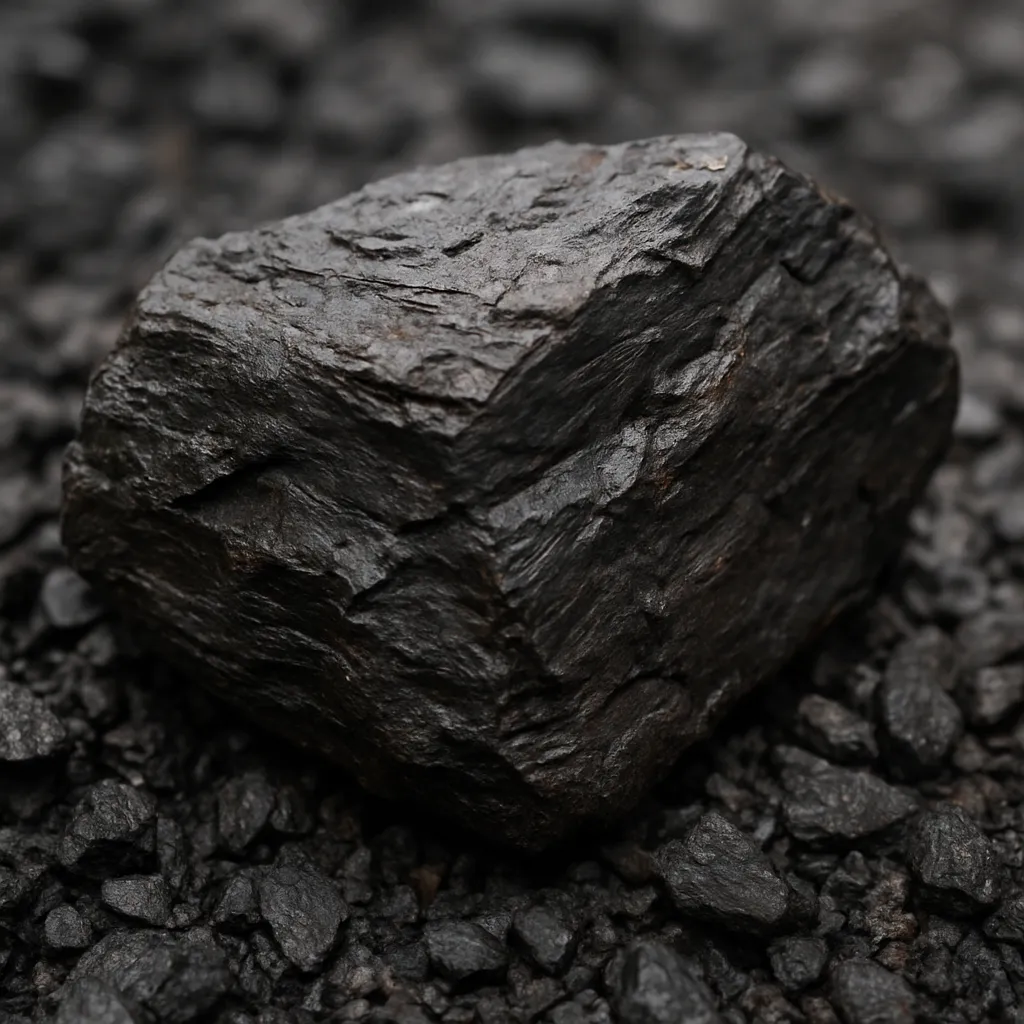
Lignite is a low- to medium-rank coal formed from compressed peat under relatively low temperature and pressure. It is often classified as brown coal and typically has higher moisture content and lower calorific value than sub-bituminous, bituminous and anthracite coals. However, certain deposits are relatively enriched in fixed carbon and can be described as carbon-rich lignite, with improved heating value and better suitability for some industrial processes.
Geologically lignite occurs in thick seams often near the surface, associated with ancient peat-forming wetlands and fluvial-lacustrine basins. Because seams are commonly shallow, lignite is primarily extracted by open-pit mining (strip mining), though some underground operations exist. Typical properties of lignite include high moisture (up to 60% in some fresh lignites), lower calorific value (ranging roughly from 8 to 20 MJ/kg depending on rank and moisture), and variable contents of sulfur, ash and trace metals.
Where it is found and mined
Lignite deposits are widely distributed across Europe, Asia, North America and Australia. Significant basins and mining regions include:
- Europe: Germany’s Rhineland and Lusatia basins, the Czech Republic (North Bohemian Basin), Poland (Bełchatów, Konin, Turów), Greece (Ptolemaida—Megalopolis), and Romania. Europe has historically been a major lignite consumer because of extensive near-surface deposits.
- Russia and the CIS: Large lignite basins in western Russia and Siberian regions supply regional power plants and industry.
- United States: Major lignite fields are found in North Dakota and Texas, with mines supplying nearby coal-fired plants and some export markets.
- Turkey: Substantial lignite resources are distributed across the country and are important for domestic power generation.
- India: Lignite basins occur in Gujarat, Rajasthan, Tamil Nadu and other states; they supply power plants and local industry.
- Australia: Brown coal deposits in Victoria (Latrobe Valley) and New South Wales are among the world’s largest in situ resources.
Some deposits are specifically termed carbon-rich where geothermal history and peat composition yielded lignites with comparatively higher fixed carbon and lower moisture. These are more attractive for thermal use and for conversion to higher-grade products through upgrading.
Mining methods, processing and upgrading
Because seams are shallow and extensive, surface mining techniques dominate lignite extraction. Large bucket-wheel excavators, draglines and conveyors remove overburden and deliver coal to processing facilities. Key aspects include:
- Overburden removal and spoil management — major cost and environmental challenge due to large volumes of waste rock.
- On-site drying and beneficiation — to increase calorific value and reduce transport costs, lignite can be dried or compacted into briquettes or pellets.
- Gasification and liquefaction — some carbon-rich lignites are suitable feedstocks for coal gasification or indirect liquefaction, producing syngas, liquid fuels or chemical precursors under controlled conditions.
- Combined heat and power (CHP) applications — lignite-fired plants often operate as CHP facilities in mining regions, providing district heating and improving overall fuel efficiency.
Technologies to improve lignite usability include mechanical and thermal drying (reducing moisture), torrefaction, densification, and advanced combustion systems such as circulating fluidized bed (CFB) boilers that handle low grade solid fuels more cleanly. Research into carbon capture and storage (CCS) and integrated gasification combined cycle (IGCC) aims to abate CO2 from lignite-based power production, though cost and deployment remain major barriers.
Economic significance and statistics
Lignite plays a dual role: a low-cost domestic fuel supporting energy security and local economies, but also a commodity with mounting environmental and regulatory costs. Its economics depend on mine-mouth proximity to power plants, transport distances (lignite is expensive to transport per unit energy), and regulatory frameworks such as carbon pricing.
Estimated production and reserve figures vary by year and source, but the following approximations illustrate the scale (figures are approximate and reflect data trends around 2019–2022):
- Global annual lignite production: on the order of about 1.0–1.3 billion tonnes per year. This is a substantial share of global coal production, though lower in energy content than an equivalent mass of higher-rank coals.
- Leading producing countries (approximate annual production ranges): Germany (~100–150 million tonnes in earlier years, declining in recent years due to phase-out policies), Russia (~90–120 million tonnes), United States (~100–120 million tonnes of lignite), Turkey (~70–90 million tonnes), Australia (~60–70 million tonnes brown coal), Poland (~40–60 million tonnes) and India (~50–80 million tonnes). Exact rankings shift year-to-year based on domestic demand and policy changes.
- Reserves: Proven lignite resources are large in focused regions; global lignite reserves run into the tens of billions of tonnes, with particularly large in situ resources in Germany, Russia, the United States and Australia.
Economically, lignite’s lower calorific value is offset by low extraction cost and the advantage of proximity to end-use plants. In many regions, lignite-fired electricity historically provided some of the cheapest baseload power. However, rising carbon prices, stricter emissions standards and competition from natural gas and renewables have eroded that advantage in recent years.
Industrial uses and technological roles
The dominant use of lignite is for electricity generation, especially in regions where transport distances are short and mine-mouth generation reduces delivered cost. Other uses include:
- District heating — in many European and former Soviet regions lignite-fired CHP plants supply heat to towns and industry, improving overall energy utilization.
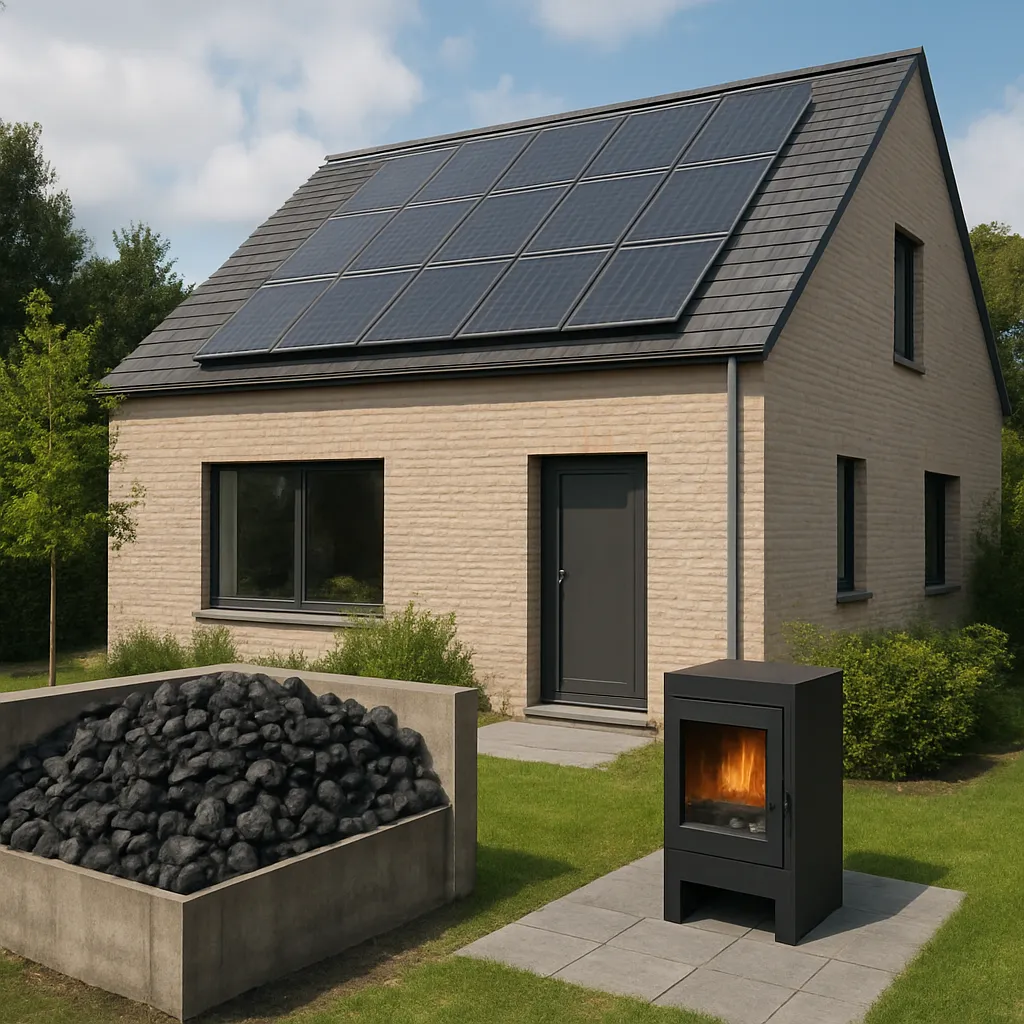
- Briquetting and pelletizing — densification enables easier handling, higher energy density and some niche uses in industry and domestic heating where permitted.
- Gasification and chemical feedstock — gasification of carbon-rich lignite yields syngas that can be converted to fertilizers, methanol, synthetic natural gas or fuels via Fischer-Tropsch synthesis. These pathways are capital-intensive but can create high-value products.
- Soil conditioners and horticultural products — oxidized lignite derivatives (like leonardite) serve as humic substance sources and are used in agriculture and water treatment.
Because lignite can be burned in relatively simple boilers and because mines are co-located with power plants in many regions, lignite has historically supported localized industrial clusters and stable employment. However, these advantages face pressure from decarbonization policies.
Environmental, health and social impacts
Lignite’s environmental footprint is larger per unit of delivered energy than higher-rank coals because of its lower energy density and often higher moisture. Major concerns include:
- Greenhouse gas emissions — lignite combustion emits more CO2 per unit of electricity generated than many other fossil fuels because of lower calorific value and higher carbon-to-energy ratio. This makes lignite operations particularly sensitive under carbon pricing schemes (e.g., EU ETS).
- Air pollutants — particulate matter, SO2 and NOx are concerns, though modern flue gas cleaning can mitigate these emissions. Trace metals such as mercury and arsenic may be present in lignite ash.
- Land disturbance and landscape change — open-pit mines create large open scars. Overburden spoil, groundwater table changes and subsidence (in former underground workings) pose ongoing challenges.
- Water impacts — dewatering for mining can lower local water tables, impacting agriculture and ecosystems; mine water management and treatment of acidic or metal-rich effluent can be required.
- Social effects — mining regions often rely heavily on lignite for employment and revenue. Rapid shifts away from lignite without just transition strategies can create significant social and economic disruption.
Many countries have introduced reclamation requirements, remediation plans, and community transition funds to mitigate impacts. Germany’s coal phase-out process, for example, includes significant financial transfers to affected regions to support economic diversification, infrastructure investment and employment programs.
Policy, markets and transitions
Policy decisions shape lignite’s near-term viability. In the European Union, the combination of emissions trading, national phase-out commitments and public opposition has driven reductions in lignite use. Germany adopted a targeted coal phase-out framework aiming for cessation of coal-fired generation by around 2038, with specific timelines and compensation for affected regions. Other EU members have similar or varying plans; some central and eastern European states depend more heavily on lignite for power and have slower transition timetables.
In non-EU markets, lignite often remains central to energy strategies because of domestic resource availability and grid stability needs. Turkey and India, for instance, use lignite and brown coal to support domestic generation and reduce import dependence. In the United States, lignite remains an important regional fuel for baseload plants in certain states.
Market forces — notably the rapid decline in renewable energy costs and the availability of flexible gas-fired generation — are displacing many lignite plants, particularly where carbon policies make lignite less competitive. However, in mine-mouth systems with integrated district heating and limited grid alternatives, lignite can persist longer.
Technological and research directions
Key technical strategies aim to reduce environmental impacts or find new value streams:
- Carbon capture and storage (CCS) — retrofits or new plants equipped with CCS could substantially lower CO2 emissions from lignite combustion, but CCS faces cost, regulatory and storage-permit challenges.
- Gasification and chemical conversion — turning lignite into syngas for chemicals or fuels can valorize low-grade resources but requires high capital investment and access to markets for products.
- Upgrading and drying technologies — mechanical thermal drying and other pre-treatment can improve energy density and reduce transport penalties.
- Advanced combustion — fluidized bed and co-firing with biomass can reduce emissions of some pollutants and increase flexibility.
- Reclamation and rehabilitation innovations — ecological restoration methods, creative land reuse (lakes, recreation areas, solar installations) and community-led redevelopment aim to convert exhausted mines into productive landscapes.
Socio-economic case studies and regional dynamics
Specific regions illustrate tensions between energy security, employment and environmental goals:
- Germany: Historically the largest lignite consumer in Europe, Germany’s phase-out creates an example of structured transition with compensation for mining regions and timelines for plant closures.
- Poland and Czech Republic: Both rely on lignite and coal for significant shares of electricity; political and social resistance to rapid closures is strong, though EU climate policy exerts pressure.
- United States (North Dakota, Texas): Lignite supports regional power plants and industry; in parts of the U.S., competition from shale gas and renewables challenges lignite economics.
- Turkey and India: Domestic lignite supports energy independence and local jobs; however, growth in renewables and international climate commitments influence policy choices.
Interesting scientific and cultural points
Beyond energy, lignite has some notable roles:
- Paleontology and paleoecology — lignite and peat deposits can preserve plant fossils, pollen and even DNA fragments, providing insights into ancient environments and climate history.
- Leonardite and humic substances — oxidized lignite derivatives are used in agriculture, horticulture and water treatment for their organic acid content.
- Regional identity — mining landscapes, museums and cultural narratives in many areas revolve around lignite history, shaping local heritage and tourism initiatives after mine closure.
Future prospects
The future of carbon-rich lignite is shaped by economic competitiveness, climate policy stringency, technological progress (especially in CCS and gasification) and political choices regarding energy transition and social compensation. Several likely trajectories exist:
- Managed decline in regions with strong climate commitments, combined with economic diversification funds and retraining programs.
- Continued use in regions prioritizing energy security and jobs, especially where lignite is integrated into heating systems and local economies.
- Technological niche persistence where lignite is upgraded or gasified into chemicals and fuels, provided market and regulatory conditions support capital-intensive projects.
In sum, carbon-rich lignite remains a substantial, regionally critical fuel with significant social and economic value but also with high environmental costs. The balance between maintaining energy access and meeting emissions targets will determine how rapidly and in what ways lignite’s role contracts, transforms or persists in the coming decades.
Key bolded concepts highlighted in the article:
Lignite, carbon-rich, open-pit mining, moisture, briquettes, gasification, carbon capture and storage, electricity generation, reserves, Germany