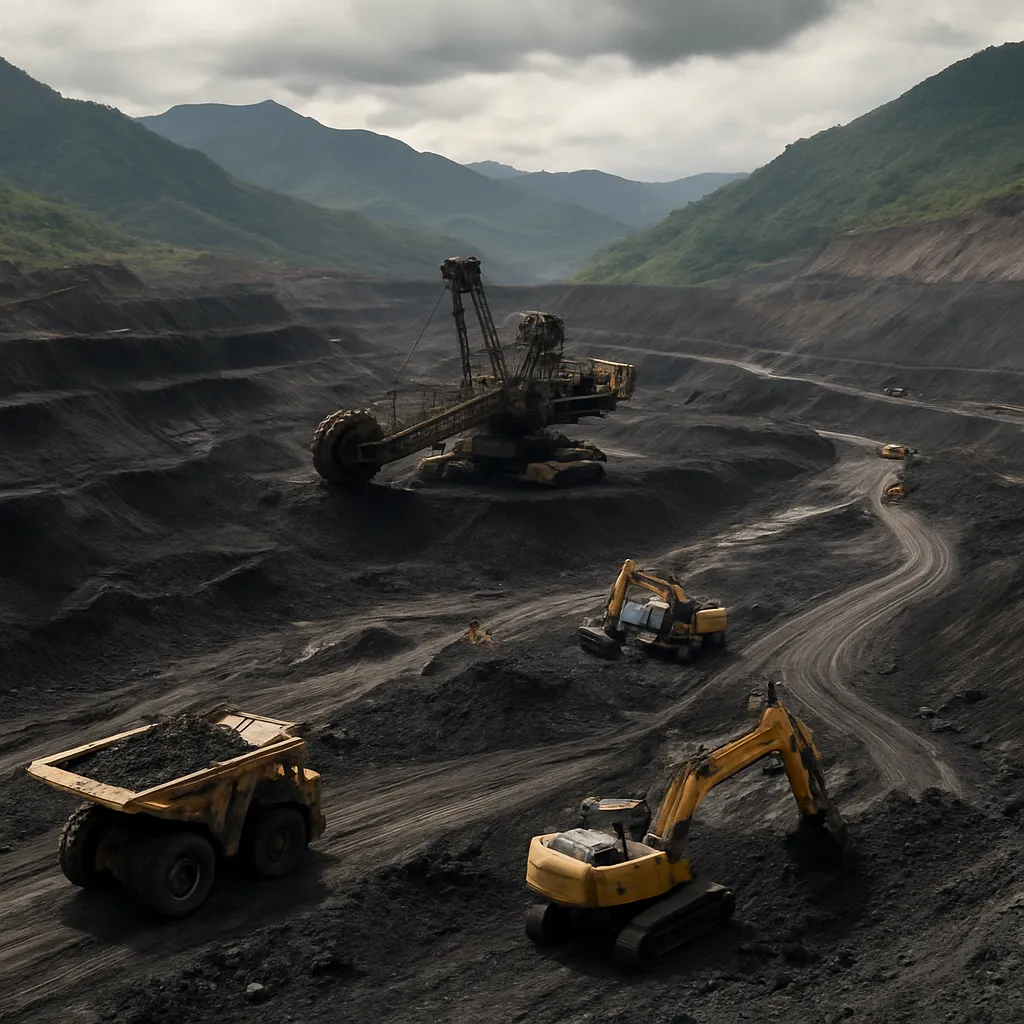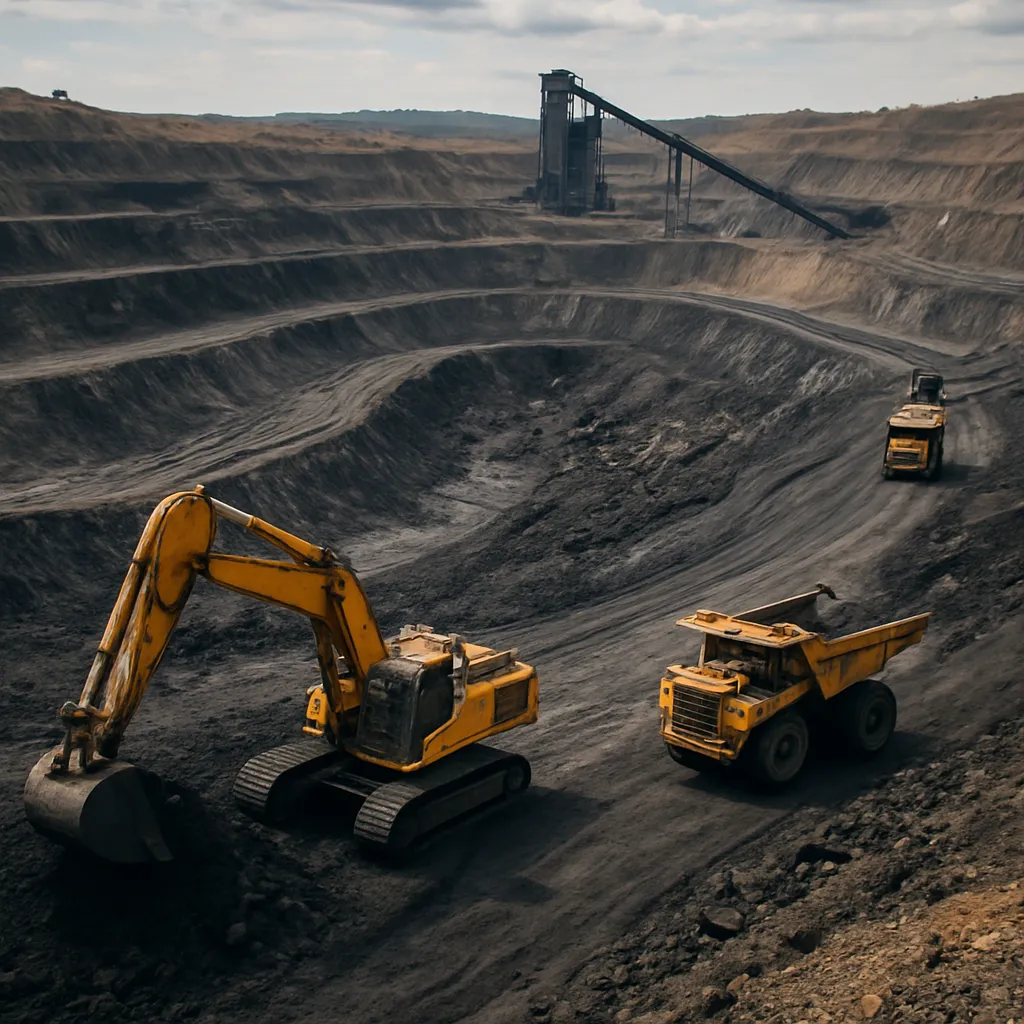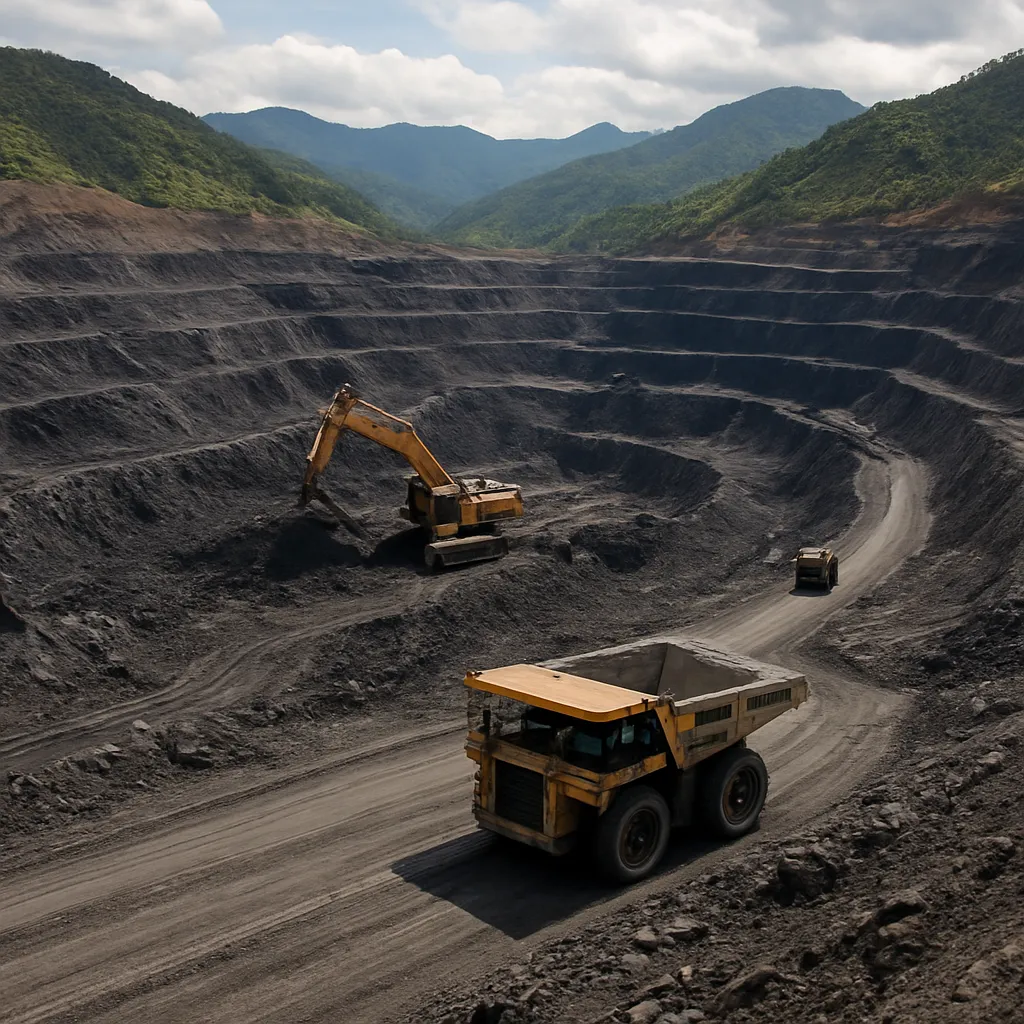
La Bahía Mine is one of the many coal-producing sites that form part of Colombia’s extensive northern coal belt. This article provides a comprehensive overview of the mine—its geological setting, the type of material extracted, operational and logistical features, and the wider economic, social and environmental context. Where precise public data on La Bahía itself are limited, the mine is described within the broader framework of Colombian coal mining, so readers can understand its likely characteristics, significance and impacts relative to national and regional trends.
Location and geological setting
La Bahía Mine is located in northern Colombia, within the country’s principal coal-bearing regions. The dominant coal provinces in Colombia are the Cesar-Ranchería Basin and the basins of La Guajira, and many smaller deposits occur in the Middle Magdalena Valley and along the Eastern Cordillera. Mines in these areas exploit relatively shallow, laterally extensive seams formed in Paleogene and Neogene sedimentary basins. Although specific coordinates and administrative details for La Bahía are not always consistently reported in public summaries, the mine shares common geological attributes with other operations in the region.
The typical sequence in these basins includes alternating layers of sandstones, shales and coal seams. These seams are generally of low to medium rank—ranging from subbituminous to bituminous in some deposits—and are often laterally continuous over many kilometers. Paleoenvironmental conditions favored accumulation of organic material in coastal plain and deltaic settings, producing coal beds that are relatively thick but sometimes interbedded with clastic sediments. Structural complexity is usually moderate, with gentle dips and localized faulting.
What is mined and coal characteristics
La Bahía produces primarily coal, intended mainly for combustion in thermal power stations and for industrial steam generation. The mine’s product is typically classified as thermal coal (steam coal) rather than coking coal, which means its main use is generating heat and electricity rather than metallurgical processes.
Coal quality and properties
- Rank and energy content: Coal from northern Colombian basins is commonly in the subbituminous to bituminous range. These coals provide adequate calorific value for power generation, though they may vary from seam to seam.
- Sulfur and impurities: Colombian thermal coals are prized in several markets for relatively low sulfur content compared with some international alternatives, which reduces SO2 emissions when combusted and makes them attractive to utilities with emissions requirements.
- Ash and moisture: Ash content and inherent moisture can be variable; beneficiation and washing plants are often used to reduce ash and improve product consistency for export markets.
These broad characteristics shape how the coal is marketed, transported and priced. Lower-sulfur steam coals from Colombia are commonly blended with higher-ash or higher-sulfur coals in receiving countries to meet power station specifications. In practice, quality control, sampling and standardized testing are essential parts of mine operations to meet buyer contracts.
Mining methods, processing and infrastructure
Operations at La Bahía follow the pattern typical of large and medium-scale Colombian coal mines: an open-pit or surface mining method combined with on-site processing (coal washing), stockpiling, and transport infrastructure that connects to regional rail lines or truck-to-port corridors. Open-pit methods dominate because seams are generally near-surface and laterally extensive, allowing large-scale earthmoving equipment—shovels, bulldozers, haul trucks and auxiliary machines—to be used efficiently.
Processing and quality improvement
- Washing and beneficiation: Many Colombian operations include coal preparation plants to remove rock and impurities, improving calorific value and lowering ash. Beneficiated products command higher prices in international markets.
- Stockpiling and blending: Stockyards and blending facilities enable consistent product specification, reducing variability between shipments.
Logistics and export routes
A key feature of Colombian coal is its orientation toward the export market. Logistics usually involves hauling coal from mine to port, either by dedicated rail lines, private haul roads, or a combination. Major export terminals in northern Colombia serve coal mines via seaports on the Caribbean coast. Export supply chains emphasize reliability because international buyers contract for specific tonnages and quality specifications; thus, investments in haulage, port handling and shiploading are core to competitiveness.
Economic and statistical context
Precise production statistics for La Bahía may not be publicized in detail by all operators, especially for mid-sized sites. However, the mine’s economic role can be understood in the context of Colombia’s larger coal sector. Over the past two decades Colombia has been one of the world’s most important coal exporters, supplying a substantial share of global thermal coal demand from the Caribbean coast to markets in Europe, North America and increasingly Asia.
National production and exports (context)
Colombian coal production and export volumes have fluctuated according to international prices, global demand and local operational factors. Historically, annual coal production and exports have been measured in tens of millions of tonnes across the country. Large operations like El Cerrejón and other major producers account for a sizeable portion of national tonnage, while smaller mines such as La Bahía contribute important local output that supports employment and municipal revenues.
A noteworthy economic trait of Colombian coal is its export orientation: a substantial proportion of mined coal is destined for foreign markets, generating foreign exchange and contributing to trade balances. The sector also pays taxes and mining royalties to national and local governments, and royalties are a significant revenue source for municipalities in mining regions.
Employment and local economies
Mines like La Bahía create direct employment opportunities in extraction, processing, maintenance and logistics, and indirect jobs in services, transport and local commerce. Typical mid-sized open-pit coal mines may employ several hundred to a few thousand workers directly, with many more dependent indirect positions. Payrolls, contractor spending and community investments can be major components of local economies—especially in departments where alternative economic activity is limited.
Revenue generation and royalties
The coal sector generates fiscal revenues through taxes, royalties and export duties (where applicable). Municipal and departmental governments in mining areas often receive a share of royalties, which—if effectively managed—can finance public works, health, education and infrastructure. The specific royalty regime depends on Colombian law and contractual terms; royalties and taxation levels have been topics of political and public debate, particularly around equitable distribution and transparency.
Markets, clients and pricing
Coal from a mine like La Bahía is typically marketed to international buyers—power utilities, traders and industrial consumers. Pricing is influenced by global thermal coal benchmarks, freight costs to port, coal quality (calorific value, ash, moisture, sulfur), and long-term contracts versus spot sales. Colombian coal’s comparative advantages, such as lower sulfur and proximity to Atlantic shipping lanes, have historically made it competitive against other suppliers that need longer haulage or that produce higher-sulfur products.
Destination markets vary with global demand cycles. Europe and the United States have been important buyers historically, and demand patterns in Asia (notably countries like India, Turkey, and certain East Asian utilities) also affect export flows. Contractual structures range from long-term take-or-pay style contracts to spot shipments; many mines blend both to balance revenue stability and spot-price upside.
Environmental and social implications
Coal mining raises significant sustainability challenges, and La Bahía is no exception. Key environmental issues include land disturbance, water resource management, dust and particulate emissions, and management of spoil and tailings from beneficiation plants. Social issues involve land acquisition, community relations, labor conditions, indigenous rights (where applicable), and the long-term socioeconomic transition of mining-dependent towns.
Land use and rehabilitation
Open-pit mining transforms landscapes; however, regulatory frameworks require progressive rehabilitation and final closure plans. Good-practice operators implement topsoil segregation, slope stabilization, regrading, and revegetation programs aimed at restoring ecosystems or creating post-mining land uses such as agriculture, forestry or recreational areas. The effectiveness of rehabilitation depends on planning, monitoring, funding for closure and community participation.
Water and air quality
- Water management: Sediment control, acid mine drainage risk minimization (typically lower for many Colombian coals due to geology), and maintaining downstream water quality are priorities. Mines must manage runoff and water usage to minimize impacts on local communities and ecosystems.
- Air quality: Dust control—via water sprays, covered conveyors and proper stockpile management—is essential to reduce particulate emissions. Monitoring and mitigation strategies help lower health risks for workers and nearby residents.
Community relations and social investment
Companies often run social investment programs—health clinics, schools, training, local infrastructure—aimed at creating shared benefits. Successful community engagement requires transparency, grievance mechanisms, and inclusive planning, especially when livelihoods such as agriculture or fishing are affected.
Regulatory, legal and governance aspects
Mining in Colombia is governed by national laws, environmental licensing procedures, and municipal regulations. Concession agreements, environmental permits and social commitments form the legal backbone under which a mine operates. Changes in policy—taxation, royalties, land-use rules or environmental standards—can affect mine economics and project viability. Effective governance, transparent contracting and community participation are important to minimize conflicts and ensure benefits are distributed.
Risk factors and permitting
Permitting processes can be complex and protracted. Social opposition, land-rights disputes and environmental litigation are recognized risks across the sector. Companies operating mines like La Bahía must maintain compliance with environmental impact assessments (EIAs), operating permits and community commitments, and be prepared for ongoing monitoring and adaptive management.
Comparative and strategic importance
While La Bahía may not be as large as flagship operations, mid-sized mines are strategically important. They contribute to regional employment, diversify production sources, and provide incremental export volumes that underpin Colombia’s position in global coal markets. Aggregated, many such mines create supply resilience and competitive pressure that helps maintain Colombia’s market share.
From a national perspective, coal revenues support public spending, infrastructure and local development projects. From an industry viewpoint, sites like La Bahía form part of the supply chain that connects Colombian coal basins to seaborne markets, underpinning logistics businesses, port activities and international trade relationships.
Trends, challenges and future outlook
Longer-term prospects for coal mines in Colombia are shaped by global energy transitions, commodity price cycles, and local regulatory conditions. Key trends include:
- Global demand dynamics: Declining demand for coal-fired power in parts of Europe is counterbalanced by ongoing demand in other regions. Price volatility influences investment decisions.
- Decarbonization pressures: International climate policies and corporate net-zero commitments create pressure on coal’s long-term demand; some customers are reducing coal consumption or moving to alternatives.
- Operational efficiency and cost control: Mines respond by improving productivity, lowering operating costs and optimizing logistics to remain competitive.
- Diversification and transition planning: Regions dependent on coal increasingly explore economic diversification strategies and just transition frameworks to manage post-mining futures.
For La Bahía, these trends mean that the mine’s future depends on maintaining competitiveness through cost control and quality, complying with evolving environmental and social expectations, and integrating into broader regional development plans that consider life-after-mining scenarios.
Interesting facts and lesser-known aspects
- Local economies: Even small and medium coal mines can be major local employers and can drive the growth of small towns and service industries.
- Blending strategies: Colombian producers often blend coals to meet buyer specifications—creating predictable, marketable products across seasons.
- Transport innovation: Investments in conveyor systems, rail refurbishments and port upgrades have, in many cases, reduced logistics bottlenecks and improved export reliability.
- Reclamation experiments: Some Colombian mines have piloted agroforestry and eco-tourism projects as post-mining land uses, demonstrating alternative development pathways.
- Community funds: Where royalties are well managed, mining revenues support local infrastructure and social programs that endure beyond mine life.
Concluding perspective
La Bahía Mine occupies a place within Colombia’s broader coal-mining landscape—a regionally important operation contributing to employment, exports and local fiscal revenues. Although the precise production and ownership details for La Bahía may be less visible in public datasets than those of the country’s largest operations, its operational model, environmental challenges and economic role reflect many of the characteristics seen across Colombia’s northern coal belt. The mine’s future, like that of the sector, will be shaped by global market conditions, environmental regulation, community relations and how well industry and government plan for economic transitions in mining regions.
Key terms emphasized in this article: coal, thermal coal, open-pit, exports, employment, royalties, Cesar-Ranchería, La Guajira, sustainability, rehabilitation