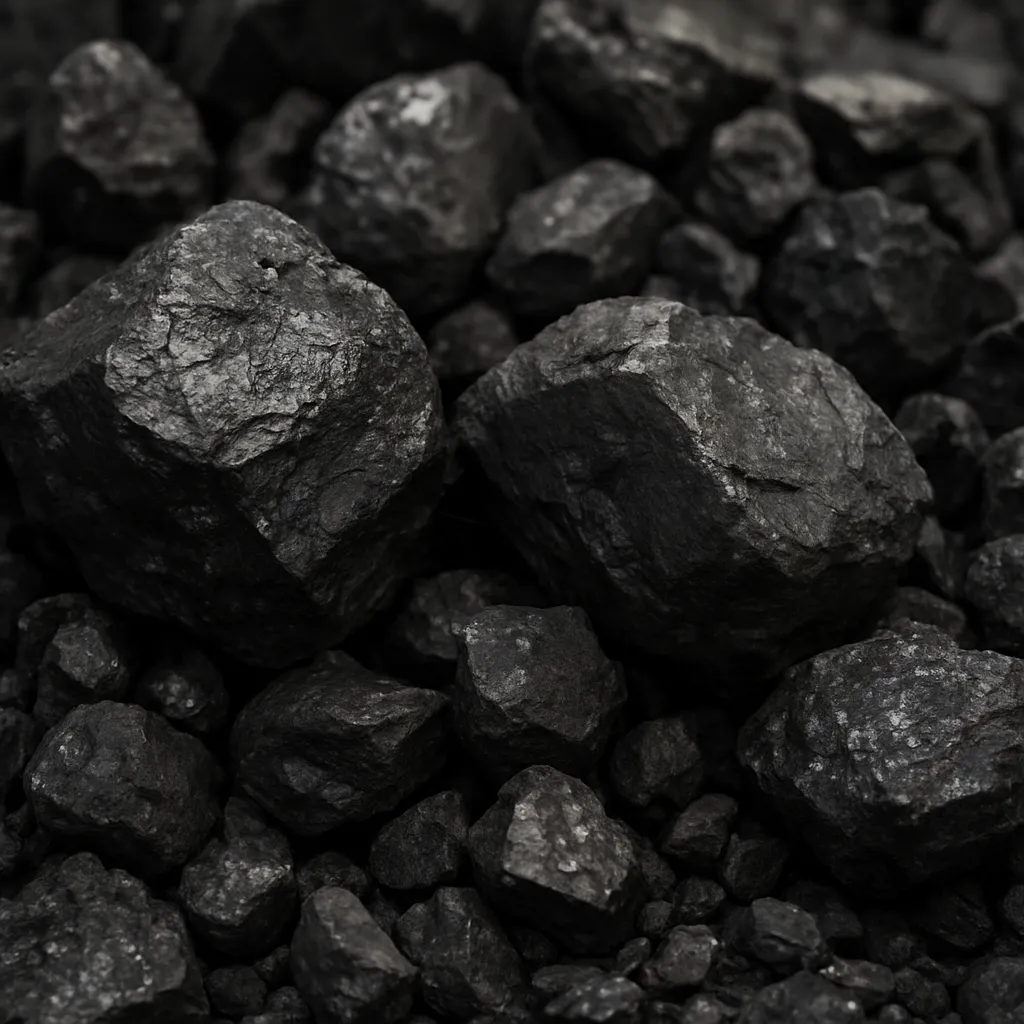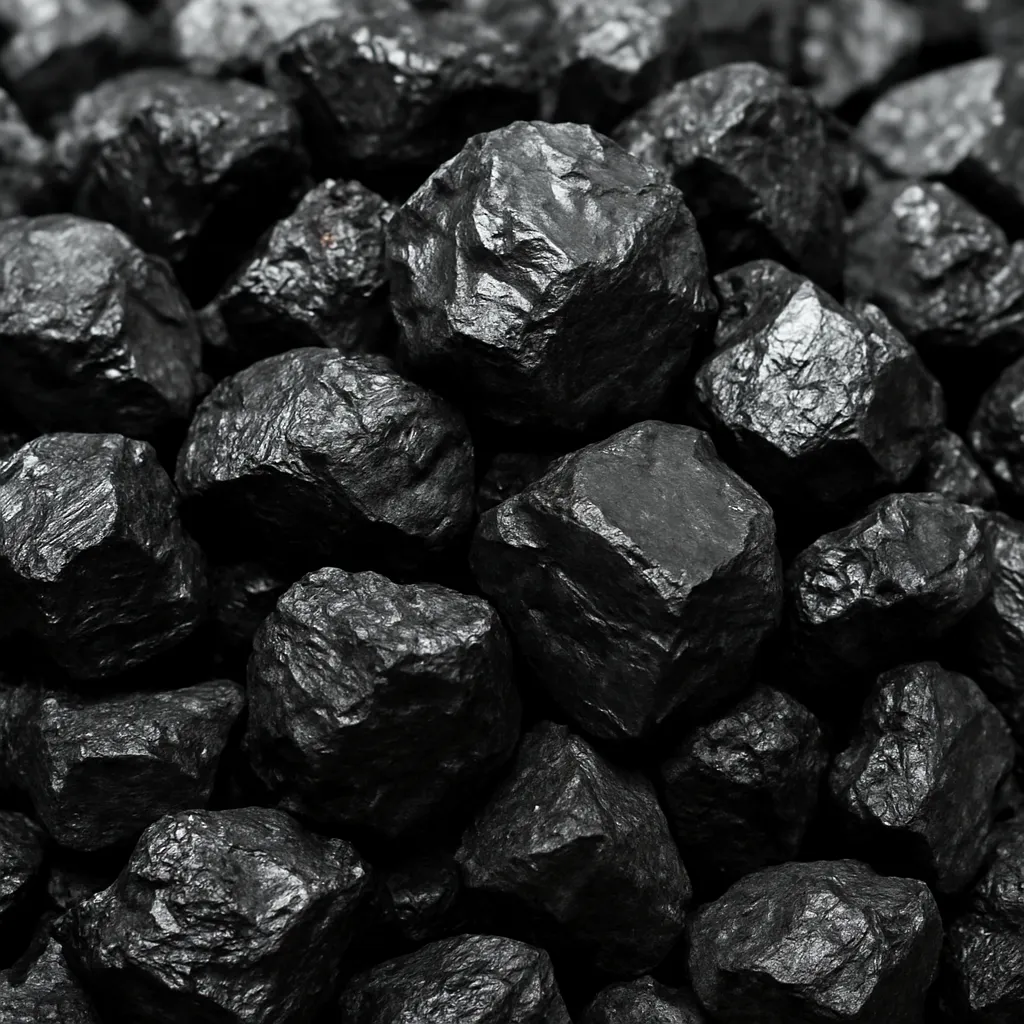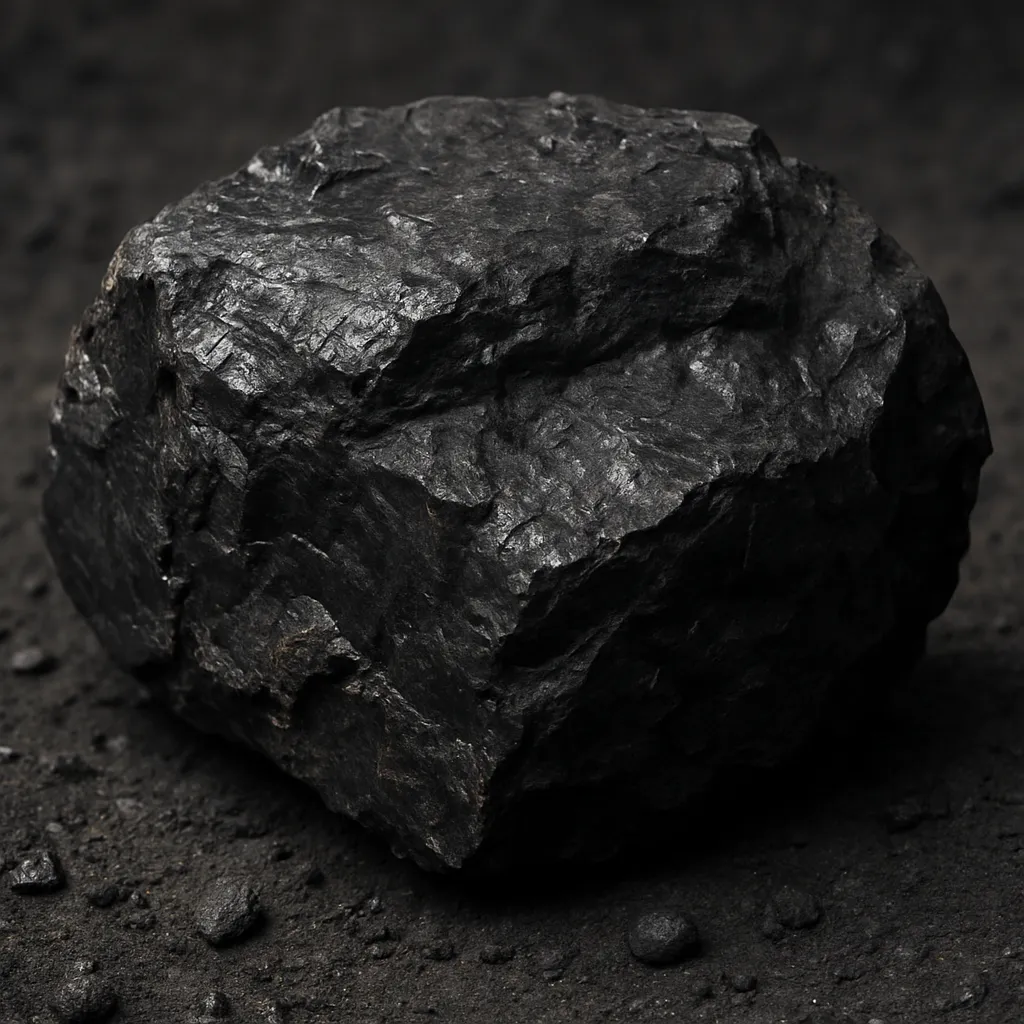
Graphitizable coal is a specialized category of high-rank coals and carbonaceous materials that, under appropriate thermal treatment and geological conditions, can be transformed into crystalline graphite. This material sits at the intersection of geology, materials science and heavy industry: while it is a type of coal by origin, its value and uses are often tied to its ability to yield high-quality carbon products rather than direct combustion. The following article outlines where graphitizable coals occur, how and where they are mined, the processes that convert them into graphite-like materials, their economic and industrial significance, and the environmental and market forces shaping their future.
Occurrence and geological characteristics
Graphitizable coals are not a single coal rank but are associated with particular geological histories and coal ranks that favor the development of ordered carbon structures. In nature, graphite can form from organic matter (including coal) through progressive burial, diagenesis and high-temperature, high-pressure metamorphism. Coals with the potential to become graphitizable typically display high carbon content, low volatile matter and a structural propensity to re-order under heat treatment.
Key geological settings where graphitizable materials are found include:
- High-rank coal basins—regions where coals have undergone significant burial and thermal maturation. Examples are anthracite-bearing districts such as parts of eastern Pennsylvania (USA), South Wales (UK), and certain basins in China and Russia.
- Metamorphic terrains—zones where organic-rich sediments were subjected to regional metamorphism, producing natural crystalline graphite.
- Carboniferous and Permian basins—older basins with thick coal sequences that in some segments were later thermally altered.
Coal rank commonly associated with graphitizable behavior includes low-volatile anthracite and highly metamorphosed bituminous coals, although the exact propensity depends on maceral composition (types of organic constituents), mineral matter, and the coal’s thermal history. Some coals produce “graphitizing carbons” when carbonized and heat-treated in the laboratory or industry, while others remain “non-graphitizing” (amorphous, glassy carbons) despite similar treatment.
Mining, production and global distribution
Graphitizable coal is not typically mined as a separate commodity in the way metallurgical coal or steam coal is; rather, it is a subset of high-grade coals or anthracites that industry selects for carbon-material production. Nevertheless, the geographic distribution of candidate coals mirrors the global distribution of high-rank coal deposits.
Major producing regions
- Russia: large anthracite and high-rank coal basins (e.g., Kuznetsk and Donetsk-associated regions) have long provided feedstock for carbon industries.
- China: hosts numerous high-rank coal basins and produces significant quantities of both coal and natural graphite. Some Chinese high-rank coals are used for carbon products and synthetic graphite production.
- United States: anthracite fields (e.g., Pennsylvania) historically produced graphitizable materials and remain a source of specialized coals.
- United Kingdom and parts of Western Europe: older anthracite deposits and metamorphosed coal-bearing sequences have been sources of graphitizable material.
- Others: deposits in India, South Africa, Canada and Australia host high-rank coals that can be used in carbon industries, though the dominance of petroleum-derived cokes in some applications affects demand for coal-derived graphitizable feedstock.
Commercial mining of coals intended specifically for graphitization is relatively limited compared with mainstream coal mining. Much of the industry’s carbon feedstock for high-value graphite and electrodes comes from two principal sources: natural graphite mines and processed cokes (petroleum and coal-tar derived). Therefore, many high-grade coals are diverted via the chemical industry (coal tar, pitches) rather than sold as raw “graphitizable coal” on commodity markets.
Properties, graphitization processes and industrial uses
Understanding why some coals are graphitizable requires a look at both natural processes and industrial treatments. Natural graphitization is a geologic-scale process in which organic matter reorganizes into crystalline graphite under prolonged heat and pressure. Industrially, graphitization is achieved by carbonizing a feedstock (coal, coke, pitch) and then heat-treating the carbon product at temperatures typically above 2,500 °C to induce crystalline ordering.
Key material properties
- High fixed carbon content and low volatile matter favor the formation of ordered carbon structures.
- Specific maceral compositions (e.g., greater vitrinite content in certain maturity ranges) can correlate with graphitizing potential.
- Low mineral content is preferred: ash and impurities inhibit crystal growth and can introduce undesirable inclusions in final graphite products.
- Thermal behavior during carbonization—how the coal softens, crosses linking stages and evolves volatile matter—affects whether the resulting carbon will graphitize.
Industrial graphitization steps typically include:
- Carbonization: the feedstock is heated in an inert atmosphere to produce a solid carbonaceous residue (coke or coke-like carbon).
- Impregnation and pitch treatment (optional): carbon bodies may be impregnated with pitch and re-carbonized to improve density and reduce porosity.
- Graphitization: high-temperature treatment (often >2,500 °C) to transform turbostratic carbon into crystalline graphite. This step is energy-intensive and usually carried out in specialized furnaces.
Primary industrial applications
Graphitized products derived from suitable coals are central to several industries:
- Electrodes and steelmaking: Graphite electrodes used in electric arc furnaces require high-purity, high-strength graphitized carbon. Historically, both petroleum cokes and certain coal-based cokes have been feedstocks.
- Refractories and lubricants: High-quality graphite from graphitizable feedstocks is used in refractory bricks, coatings and high-temperature lubricants.
- Batteries and anodes: The booming market for lithium-ion batteries has increased demand for both natural and synthetic graphite as anode material. Coal-derived synthetic graphite is used in some high-performance applications, although many battery anodes now favor purified natural graphite or specialized synthetic routes.
- Carbon composites and specialty materials: Graphitized carbon is used in advanced composites, sealing materials, and high-performance electrical components.
Economic and statistical overview
Quantifying production and trade specifically for “graphitizable coal” is difficult because it is not generally traded as a distinct global commodity. However, several related markets provide useful context:
Global coal and metallurgical coal context
- Global primary coal production (all types) in recent years has been on the order of approximately 7–8 billion tonnes annually (pre-pandemic and early 2020s estimates). Production and demand vary year to year with energy policies and economic cycles.
- Metallurgical (coking) coal, which is used to produce coke for steelmaking, represents a significant subset of global coal production—commonly estimated at roughly 10–15% of total coal production (on the order of several hundred million to around one billion tonnes annually, depending on definitions and inclusion of domestic coke production).
Graphite markets (natural and synthetic)
- Global natural graphite production has been on the order of around 1 million tonnes per year (range in recent years roughly 1.0–1.2 Mt). China is the dominant producer and exporter, accounting for a majority (often reported in the range of 60–70% of mined natural graphite output).
- Synthetic graphite production—made from petroleum or other carbons, including some coal-based routes—adds to total graphite supply and supports applications requiring controlled purity and morphology, such as electrodes. Synthetic graphite production volumes are smaller than natural graphite in tonnage but can be significant in value.
- The global graphite market (by value) has been assessed in recent industry reports as a multi-billion-dollar market, with strong growth driven by battery demand.
Specific statistics exclusively for coal-derived graphitized products are less commonly tabulated in public databases. Many producers of synthetic graphite and electrodes publish production and capacity figures; these often cite feedstocks (petroleum coke, coal tar, pitch) rather than raw “graphitizable coal” tonnages. Key economic factors shaping the sector include:
- Relative prices of petroleum coke versus coal-derived feedstocks
- Electricity and furnace costs for high-temperature graphitization
- Environmental compliance costs (emissions control, handling of tars and residues)
- Demand growth from steelmaking, battery anodes and other high-tech uses
Environmental, technical challenges and future perspectives
Producing graphitized carbon from coal or other feedstocks is energy-intensive and has environmental implications that are increasingly prominent in policy and investment decisions.
Environmental and regulatory considerations
- High-temperature graphitization consumes large amounts of energy, commonly from electricity; the carbon footprint depends heavily on the power source and process efficiency.
- Coal-derived processes may generate tars, volatile organics and ash that require treatment; regulatory regimes for air and water emissions can increase costs.
- Life-cycle considerations are pushing industries to evaluate whether natural graphite (with low processing energy) or alternative synthetic routes (with cleaner electricity) provide lower overall environmental impact for battery and electrode markets.
Technical challenges
- Feedstock variability: Even within a single mine, coal quality can vary; achieving consistent graphitizable carbon requires careful selection and processing.
- Impurity control: Mineral matter and heteroatoms (S, N, O) affect final graphite properties and may necessitate purification steps.
- Competition with petroleum coke: For needle coke and some high-performance carbons, petroleum-derived feedstocks have advantages in structure and deliverability; this competition constrains coal-based market share in some segments.
Future trends
Demand drivers such as electrification of transport (battery growth), continued steel production (graphite electrodes) and advanced carbon materials development create opportunities for high-quality graphitized products. At the same time, decarbonization imperatives and supply-chain security concerns (diversifying feedstock sources away from single-country dominance) may stimulate investment in alternative graphitization routes and in locating and developing coals suitable for graphitization where local environmental and energy conditions are favorable.
Interesting facts and lesser-known applications
Historical and scientific notes: The distinction between graphitizing and non-graphitizing carbons has deep roots in carbon science. Early research showed that certain coal-derived carbons could be converted to crystalline graphite (graphitizable), while others formed amorphous carbons with a glass-like structure. This behavior is linked to the ability of microcrystalline layers to reorient and grow under heat.
Industrial matchmaking: In practice, industries often match feedstocks to products rather than buying “graphitizable coal” directly. For example, an electrode manufacturer may source specific cokes or pitches produced from selected coals and petroleum fractions to meet their material specifications. This close supply-chain integration means that the most valuable coals may never be visible on commodity exchanges as a separate product.
Strategic value: As demand for battery materials grows, so does interest in securing diverse sources of graphite and graphite precursors. Countries with high-rank coal resources and established coal-chemical industries may consider leveraging those deposits for domestic production of advanced carbon materials, potentially adding value within national supply chains.
In summary, graphitizable coal occupies a niche but technologically meaningful position within the broader carbon materials landscape. Its geological formation ties it to ancient basins and metamorphic processes, while its industrial role depends on careful processing and high-energy thermal treatment to achieve the crystalline order required by modern applications. Although comprehensive public statistics specific to graphitizable coal are limited, the broader markets for coal, metallurgical feedstocks and graphite reveal the economic dynamics that govern this sector: competition of feedstocks, energy and environmental costs, and rising demand from battery and specialty carbon applications. The future of coal-derived graphitized products will be shaped by technological advances in processing, energy decarbonization and strategic decisions by industries seeking secure, high-quality carbon feedstocks.