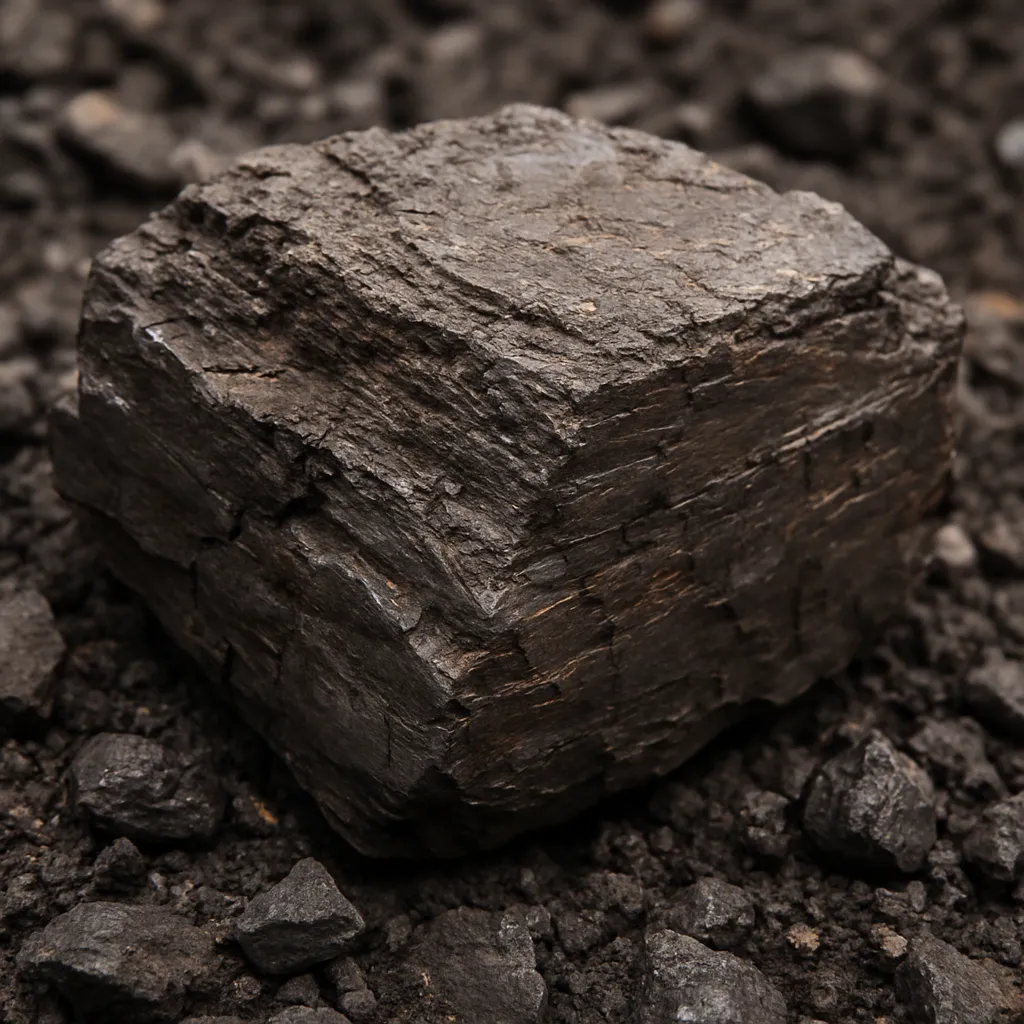
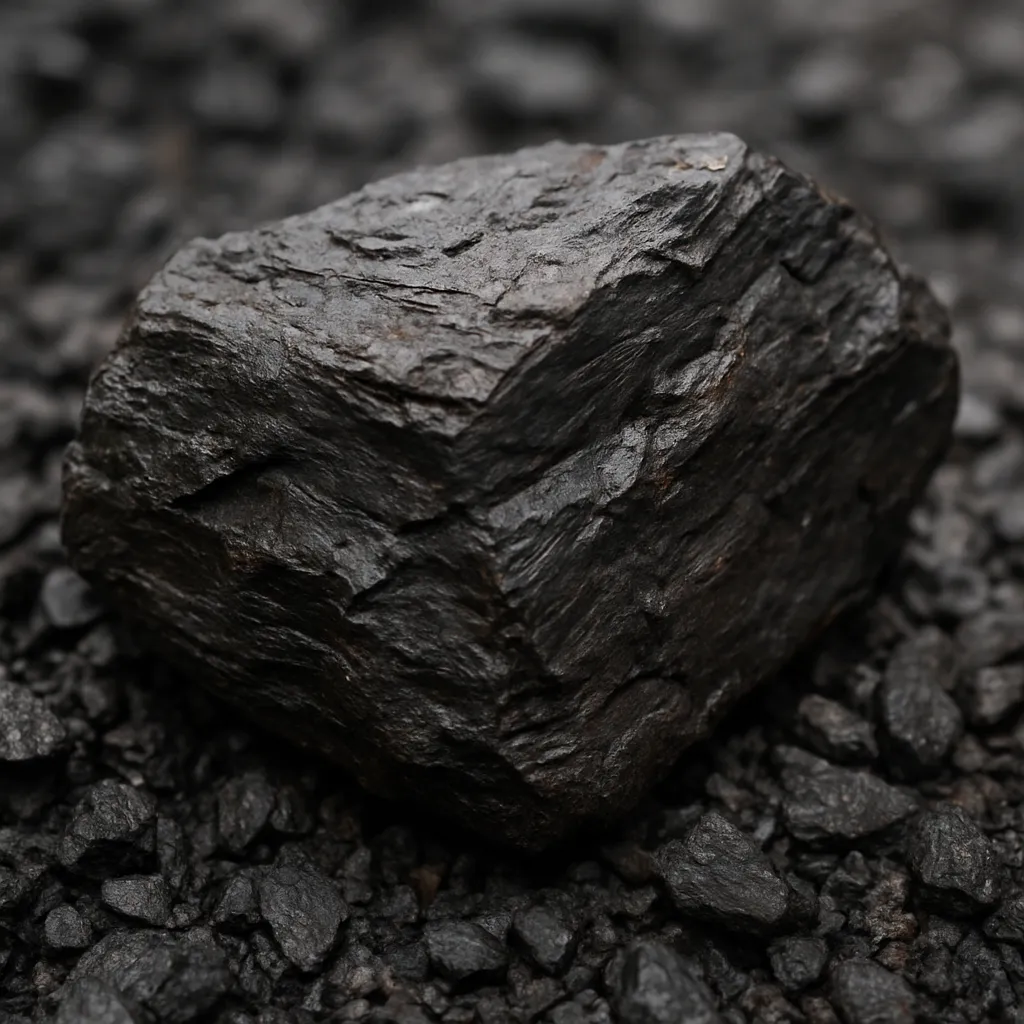
This article explores the specialised category often called binder-grade coal — the coals used as binders or blending components in metallurgical applications, especially in coke and briquette production. The text describes what binder-grade coal is, where it occurs and is mined, its technical and chemical properties, economic and statistical perspectives, industrial significance, and prospects in a changing energy and steelmaking landscape. Throughout the article you will find practical information about testing, markets, and environmental issues associated with this important raw material.
What is binder-grade coal and how is it used?
Binder-grade coal is not a single standardized product but a practical classification of coals with properties that make them suitable to act as a binding or caking component in various metallurgical and industrial processes. In many contexts it overlaps with low- to medium-ash, volatile-rich bituminous coals known as coking or semi-coking coals. These coals develop plasticity, fuse and then resolidify during heating to form a solid, coherent mass — a quality exploited to produce coke or coal-based briquetting products.
Typical uses of binder-grade coal:
- As a binder component in the production of metallurgical coke (blend with premium coking coal to achieve required rheology and strength).
- In the manufacture of briquettes and agglomerates — either as the main caking component for coal briquettes or to improve the cohesion of powdered charge material.
- In some cases as a partial substitute for metallurgical coke in blast furnaces through coal blending and heat-treatment processes.
- As a feedstock in specialty carbon products where caking properties are needed (e.g., foundry coke, anode coke precursors).
The quality that distinguishes binder-grade coal is its capacity to swell, soften and interlink during carbonisation — parameters described by petrographic and thermoplastic tests (see the Technical Properties section). A coal that exhibits suitable plasticity and low detrimental impurities (excessive ash, sulphur, phosphorus) can be used as a binder, even if it would not qualify as premium coking coal on its own.
Geology, occurrence and principal mining regions
Binder-grade coals typically belong to the medium- to high-volatile bituminous ranks and are formed in sedimentary basins where peat underwent sufficient heat and pressure. These coals are commonly associated with major coal-producing basins around the world. The distribution of suitable binder or coking-capable coals is therefore closely tied to historic coal formation environments and subsequent tectonic and metamorphic histories.
Key geological provinces
- Carboniferous and Permian basins in Europe and Russia (e.g., Kuzbass in Siberia, Donetsk basin historically).
- Permian and Triassic basins in Australia, particularly New South Wales and Queensland, which produce large volumes of metallurgical coal.
- Bituminous deposits in North America — Appalachia and the Illinois Basin in the United States, and certain deposits in Canada (British Columbia) — which contain varying amounts of coking-competent coal.
- Asian basins in China (Shanxi, Shaanxi, Inner Mongolia), Mongolia and Indonesia have locally important coals with binder-type properties.
- Smaller, higher-quality pockets occur in South Africa, Brazil and India where regional geology produced suitable bituminous coals.
Where binder-grade coal is mined
- Australia — Australia is the world’s largest seaborne supplier of metallurgical coal and hosts extensive open-cut and underground mines in Queensland and New South Wales. Many of these deposits contain high-quality binder/coking coals.
- Russia — Russia produces large volumes of coking-capable coal from the Kuzbass (Kemerovo) region and eastern basins; these coals are a major component of the country’s metallurgical coal output and exports.
- United States and Canada — Appalachian and Illinois Basin mines produce bituminous coals used for coking and blending. Western deposits (e.g., Powder River) are generally low-rank thermal coals and not binder-grade.
- China and Mongolia — domestic coking coals from Shanxi and Inner Mongolia supply a substantial share of China’s metallurgical needs; Mongolia has large deposits that are increasingly exploited for export.
- Other exporters — countries such as South Africa, Colombia, and Brazil supply various grades for regional metallurgical markets, including binder-type coals for blending.
Mining methods reflect the geology: many binder-grade coals are mined underground where seam thickness, depth and geotechnical conditions preclude open-pit extraction. However, large open-cut mines in Australia and other regions also produce metallurgical coals when seams are near-surface.
Technical properties and laboratory tests
Understanding what makes a coal suitable as a binder requires examination of petrographic, chemical and thermoplastic properties. The following properties are commonly used to evaluate binder-grade and coking coals.
- Rank and proximate composition — measurement of moisture, ash, volatile matter and fixed carbon gives a basic profile. Binder-type coals generally have moderate to high volatile matter and substantial fixed carbon after devolatilisation.
- Volatile matter — the amount and quality of volatile components influence plasticity and swelling behavior. Coals with appropriate volatile matter contribute to fluidity during carbonisation.
- Thermoplastic properties — the capacity to soften, become plastic and resolidify during heating. Key tests include:
- Gieseler fluidity (measures flow of coal in centipoise-second units).
- Free-swelling index (FSI) — qualitative measure of swelling behaviour and coke strength potential.
- Dilatation (or thermomechanical analysis) — records expansion and contraction during heating, revealing caking characteristics.
- Petrographic composition — the proportions of macerals (vitrinite, inertinite, liptinite) determine caking behaviour. Vitrinite-rich coals are often more plastic and caking-capable.
- Impurities — ash content and mineral matter, sulphur and phosphorus adversely affect metallurgical use. Low-ash, low-sulphur coals are prized for binder applications.
- Mechanical strength and coke reactivity — resulting coke must have adequate mechanical strength (CRI/CSR tests — coke reactivity index and coke strength after reaction) depending on the furnace application.
In practice, binder-grade coal is often blended with other coals to achieve the optimal combination of plasticity, strength, and chemical purity. Analytical laboratories provide the data that allow metallurgists to design blends tailored to specific furnace or briquette requirements.
Economic, market and statistical perspectives
Binder-grade coal sits at the intersection of the coal and steel markets. Its price and demand are primarily driven by global steel production, substitution options (PCI, scrap recycling, alternative ironmaking), and the supply capacity of major producers and exporters.
Market size and production shares
While total global coal production runs into multiple billions of tonnes annually, the metallurgical segment (including coking and binder-capable coals) typically constitutes a minority share — often estimated at roughly 10–15% of global coal tonnage. The seaborne trade in metallurgical coals is smaller in absolute terms but strategically important: annual seaborne volumes are in the low hundreds of millions of tonnes, and these flows supply steelmaking centers that lack domestic high-quality coking supplies.
Geographically, a few suppliers dominate international trade. Australia provides a large portion of seaborne metallurgical coal, often estimated as roughly half of seaborne exports. Russia, Canada, the United States, and Mongolia/China fill other major shares, with variations by year due to policy, infrastructure and price dynamics.
Price dynamics and drivers
Prices for binder-grade and metallurgical coals are significantly more volatile than many bulk commodities because of:
- Concentration of high-quality supply in a few regions — logistics constraints or weather events can sharply affect availability.
- Correlation with steel demand — construction, automotive and infrastructure cycles influence demand for coke and therefore binding coals.
- Environmental and regulatory constraints — export restrictions, mine closures or emission policies can alter available tonnage and prices.
- Short-term substitution — increases in PCI or recycled steel content can reduce demand for coke and binder coal in some markets, while capacity changes in blast furnace fleets have the opposite effect.
Historically notable market movements occurred when supply disruptions or policy changes in major producing countries tightened markets, triggering price spikes for metallurgical coals. Conversely, economic slowdowns in steelmaking regions reduce demand and push prices lower.
Economic importance for producing regions
For regions endowed with binder-grade and metallurgical coal, mining and export of these coals represent high-value economic activity. Key impacts include:
- Employment and regional development — mine operations, processing, rail and port infrastructure generate jobs and investment.
- Export revenues — premium metallurgical coals command higher prices per tonne than many thermal coals, contributing disproportionately to national mining revenues.
- Industrial linkages — associated industries (coal washing, blending, coke production, shipping) support local economies.
At the same time, dependence on metallurgical coal exports exposes producing regions to commodity cycles and geopolitical risks that can lead to boom-bust patterns. Diversification of local economies and investment in value-added processing (e.g., coke plants, carbon products) are common policy goals.
Role in the steel industry and technological context
Steelmaking is by far the principal user of binder-grade and coking coals. The traditional integrated blast furnace — coke oven — basic oxygen furnace route relies on high-quality coke produced from coking coals; binder-grade coals contribute to forming coke with the required strength and porosity.
- In blast furnace operations, coke provides both a chemical reducing agent and a mechanical support structure for the burden. The metallurgical quality of coke—determined in part by binder components—affects furnace efficiency and productivity.
- Coal blending is a technical art. Even premium coking coals are rarely used alone; blends allow metallurgists to tune plasticity, strength and ash chemistry to match furnace needs. Binder coals may be blended in small proportions to improve the overall caking and cohesion of the mix.
- Alternative technologies — pulverised coal injection (PCI) and increased scrap-based electric arc furnace (EAF) steelmaking — can reduce the share of coke in the fuel mix. PCI uses pulverised thermal or semi-soft coals to replace some coke, whereas EAFs rely on recycled steel and electricity. These trends influence demand patterns for binder-grade coals.
Estimates of coal requirement per tonne of crude steel vary with process: integrated plants need more coke, while EAF-based routes use little or none. A useful rule of thumb is that an integrated blast furnace route requires substantially more coal equivalent per tonne of steel than modern EAF routes, which is why coal demand is closely tied to the global mix of steelmaking technologies.
Environmental, regulatory and future trends
Binder-grade coal sits within the broader context of decarbonisation pressures, local environmental concerns and changing industrial practices. Important trends include:
- Decarbonisation of steel — policies aimed at reducing CO2 from the steel sector promote technologies such as direct reduced iron (DRI) with hydrogen, CCUS (carbon capture, utilisation and storage), and increased scrap use. These technologies can reduce long-term demand for coke and binder coal.
- Improved energy efficiency and metallurgy — process optimisations and substitution strategies (more PCI, improved coke benching) can lower coal intensity per tonne of steel.
- Regulatory pressures — environmental regulations on mine emissions, land rehabilitation and local air quality can raise operating costs and affect supply dynamics.
- Lifecycle and circular economy approaches — recycling of steel scrap reduces need for primary ironmaking; however, global scrap availability is limited by the pace of decommissioning and replacement of steel-consuming infrastructures.
Despite these pressures, the transition away from coke-based routes will take time. Many existing blast furnace assets are long-lived, and in regions where scrap or alternative technologies are impractical, demand for binder-grade coal and coke may remain significant for decades. Concurrently, innovation in low-emission coke production, process electrification and CCUS could preserve the role of metallurgical coal while reducing emissions intensity.
Statistical and practical notes for engineers, buyers and policymakers
Practical decisions around binder-grade coal involve a mix of laboratory data, logistical considerations and market signals. Below are a few widely used metrics and considerations.
- Key laboratory metrics: proximate and ultimate analysis (moisture, ash, volatile matter, fixed carbon, sulfur), petrography, Gieseler fluidity, free-swelling index, dilatation curves, and CRI/CSR for resulting coke.
- Quality tolerances: buyers and metallurgists define acceptable ranges for ash, sulfur and phosphorus; fines and washability determine how much raw coal must be processed.
- Logistics: proximity to rail and port infrastructure influences delivered cost more than raw seam value in many cases; shipping schedules and transshipment options shape contract choices.
- Contracting: long-term supply agreements can stabilise prices for both producers and steelmakers; spot markets fill short-term needs but expose buyers to volatility.
From a policy perspective, supporting transparent testing standards, investing in port and rail capacity, and encouraging responsible mine rehabilitation are ways to maintain a resilient supply chain while balancing environmental and social objectives.
Interesting technical and historical notes
A few additional points that may interest readers:
- Historical role — coking coal was central to the 19th and 20th century industrial revolutions, enabling high-temperature metallurgical processes. The production of coke and its optimization were pivotal steps in modern steelmaking.
- Coal petrography is an art and science — the visual examination of macerals under the microscope remains a critical step in assessing caking properties and blending behaviour.
- Innovative uses — binder-like coals are sometimes used in niche applications such as coal-based activated carbons, electrode precursors, and specialty carbon materials where plasticity during heat-treatment is valuable.
- Quality variability — even within a single mine, coal quality can vary by seam and sub-seam, so washery and blending operations are essential to maintain consistent product specification.
Conclusions and outlook
Binder-grade coal supports essential industrial processes, most notably in the production of metallurgical coke for steelmaking. Its value stems from unique thermoplastic and petrographic characteristics that enable the formation of strong, porous coke. The global market for these coals is smaller than that for thermal coal but commands higher prices and plays a critical role in steel supply chains.
Key takeaways:
- Binder-grade coal is a functional class defined by caking and binding behaviour rather than a single, uniform material.
- Major producing regions — including Australia and Russia — supply much of the seaborne and domestic demand, although quality deposits exist worldwide.
- Demand and prices are closely tied to steelmaking activity, with technical substitution (PCI, DRI, EAF) and policy-driven decarbonisation shaping medium- to long-term prospects.
- Laboratory testing and coal blending remain core to matching binder coal supplies to metallurgical requirements, while logistics and contract structures govern the economics.
As the steel industry evolves under climate and economic pressures, the role of binder-grade coal will adapt. In the near term, it remains indispensable to many integrated steel processes. Over the longer term, the pace of technological adoption (hydrogen DRI, CCUS, increased scrap use) will determine the scale and nature of demand for binder and metallurgical coals.