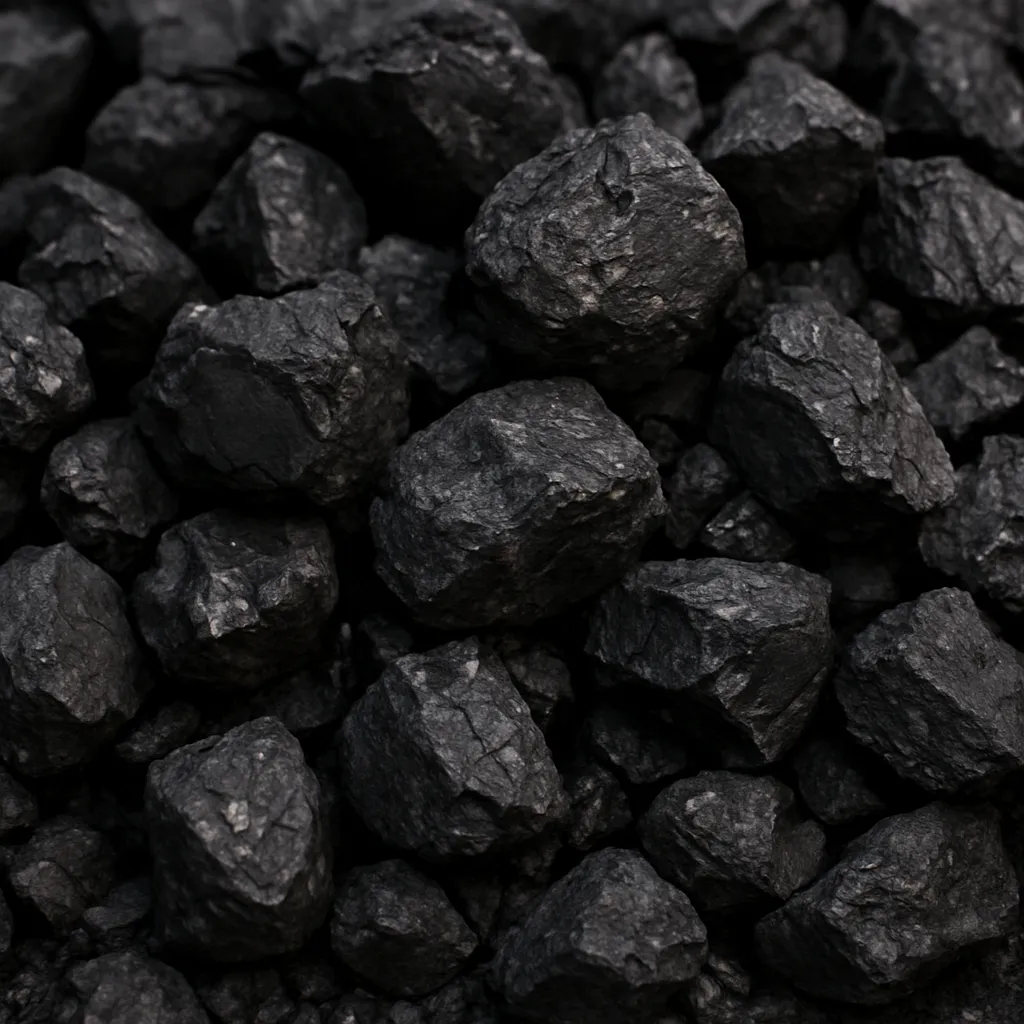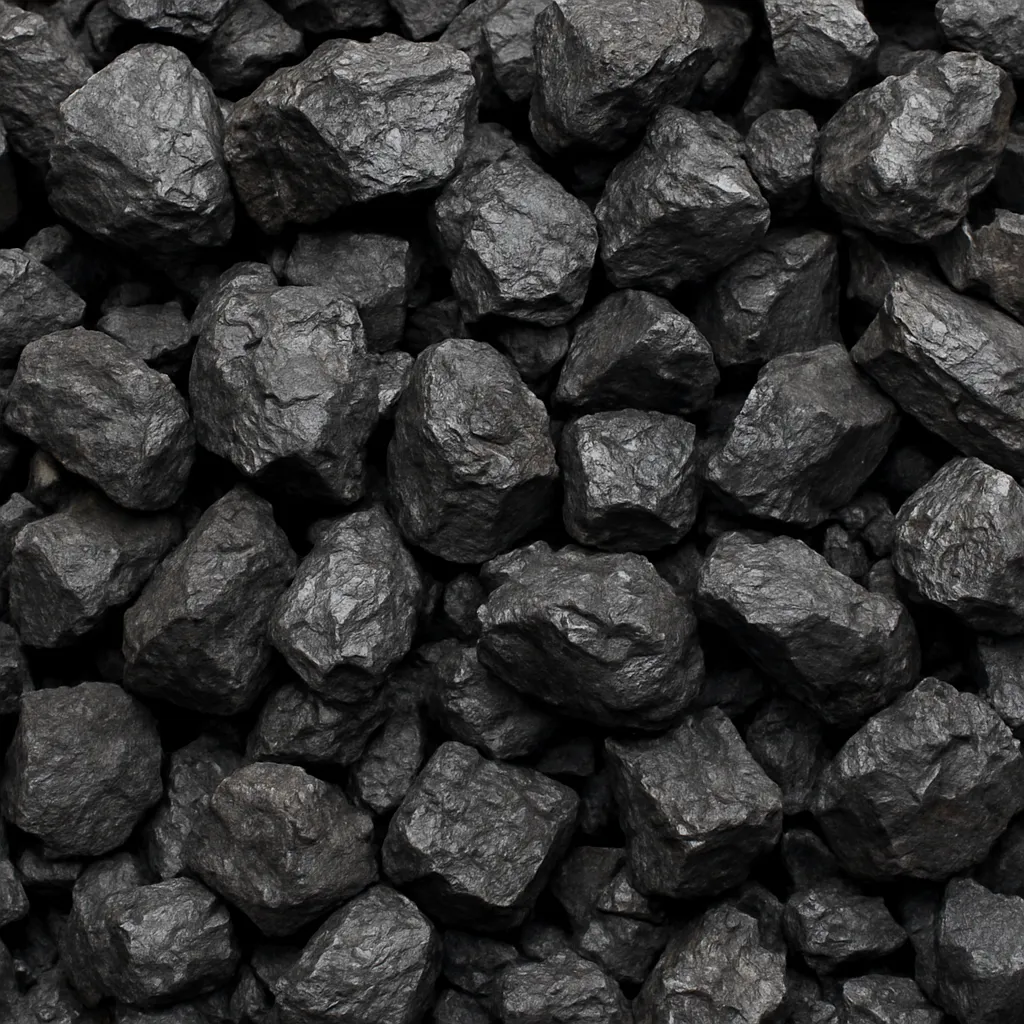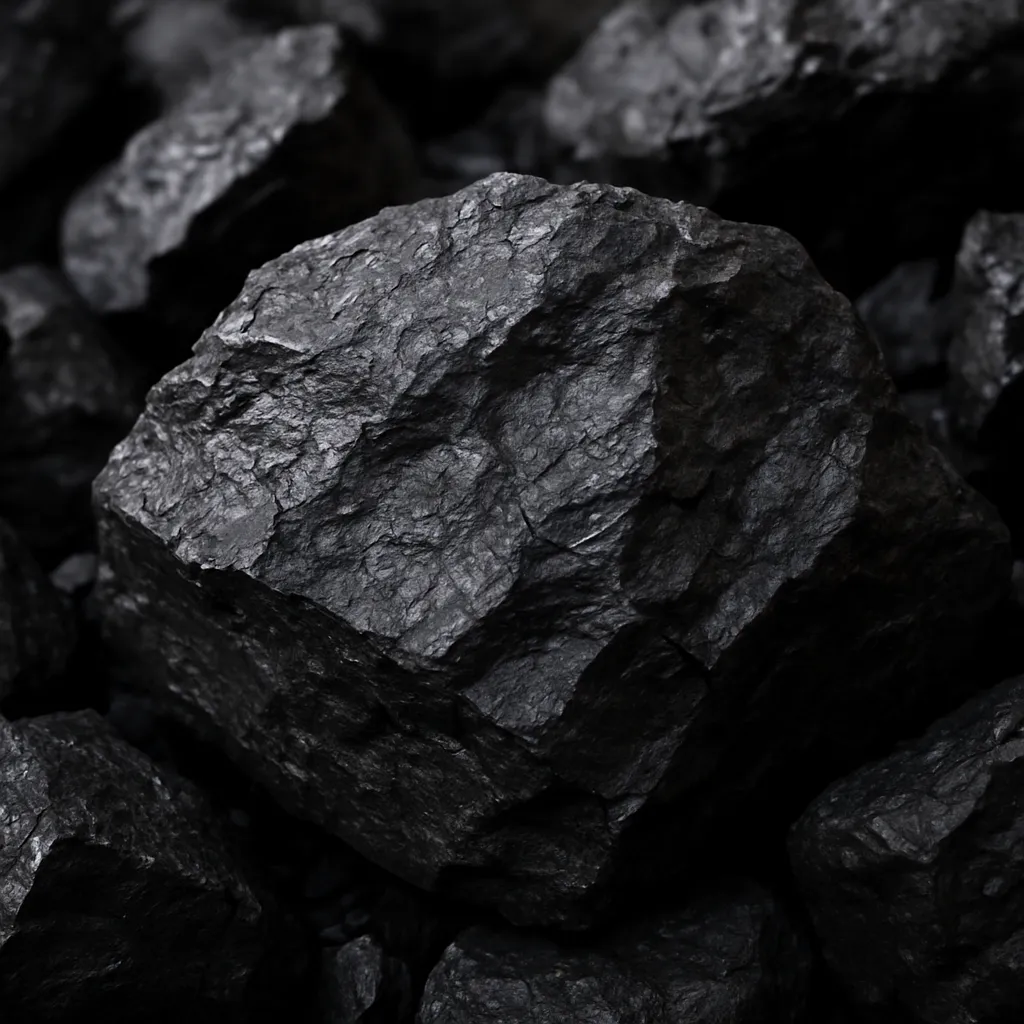
This article explores the characteristics, occurrence, production, economic significance and industrial uses of premium refractory coal. Premium refractory coal is a niche but strategically important category of high-quality coals—often high-rank anthracite or special coking coals—used where exceptional heat-resistant properties and thermal-stability are required. Below you will find sections on geology and occurrence, major mining regions and supply chains, technical properties and quality criteria, industrial applications (including refractory manufacture and metallurgy), market and economic context, environmental and technological trends, and prospects for the future.
Geology, occurrence and types
Premium refractory coal originates from coal beds that have undergone unusually high degrees of coalification or from particular coal seams with favourable petrographic composition. Two broad categories are commonly associated with refractory coal applications: high-rank anthracite and specialized low-ash, low-sulfur coking coals that produce strong, heat-resistant coke or carbon feedstocks for refractory products and electrodes.
Anthracite is the highest rank of coal, with a high proportion of fixed carbon and low volatile matter. Its dense, granular structure and high calorific value make it valuable in refractory mixes, high-temperature briquettes and certain metallurgical processes. Some bituminous coals with favorable maceral composition (high vitrinite and low inertinite, or specific inertinite forms that produce dense coke) are also processed as refractory-grade feedstock for coke and carbon products.
Geologically, premium refractory coal is typically found in older, deeply buried basins where prolonged metamorphism has increased coal rank. It can also occur in isolated seams with unique botanical inputs and diagenetic histories that result in low ash and sulfur. Vein-like deposits of anthracite exist in folded mountain belts and in former coal-bearing foreland basins that experienced tectonic heating.
Where it is mined and major producing regions
Production of coal suitable for refractory uses is geographically concentrated. Large quantities of high-rank anthracite and high-quality coking coals are found and mined in:
- China — as the world’s largest coal producer and consumer, China supplies a wide range of coal grades, including significant quantities of anthracite and special coals used in refractories and carbon products. Many domestic refractory industries rely on Chinese supplies.
- Russia — substantial anthracite reserves and metallurgical coal deposits are mined in several Russian regions; some of this material is exported and used in refractory applications and carbon industries.
- Australia — a leading exporter of metallurgical (coking) coal; while most Australian coking coal is destined for steelmaking, a portion of high-quality coals supports carbon and refractory markets through coke production.
- United States (Appalachian, Illinois basins) — historically important for high-quality metallurgical coal and anthracite in certain basins; the US provides feedstock for specialty coke and refractory markets.
- South Africa and Colombia — both are exporters of metallurgical coals; select coals from these countries can be blended or processed for refractory-grade coke production.
- Ukraine and Kazakhstan — regions with significant anthracite and high-rank coals that have been important historically for refractory feedstocks and coal-coke industries.
- Smaller producers — countries like Vietnam, India, Poland and some Balkan states also have beds of higher-rank coal or special coals used locally by refractory and metallurgical industries.
Concentration of supply is important: the seaborne market for high-quality metallurgical and specialty coals is far smaller than the thermal coal market, making premium refractory coal supply chains sensitive to logistics, export policy and geopolitical events.
Technical properties and quality criteria
Premium refractory coal is characterised by a set of physical and chemical attributes that make it suitable for high-temperature industrial applications. Key properties include:
- Fixed carbon: High fixed-carbon content is essential for strong, low-impurity cokes and carbon products.
- Low volatile matter: Reduces porosity and increases structural integrity at elevated temperatures.
- Low ash and specific ash composition: Low total ash minimizes contamination; the mineralogical composition of ash (silica, alumina, iron oxides, calcium) affects refractory behaviour.
- Low sulfur and low phosphorus: Sulfur and phosphorus can degrade refractories and harm metallurgical quality.
- High calorific value: Useful in processes where coal itself provides heat as well as carbon input.
- Ability to form dense coke or carbon matrix under coking/heat treatment: Critical for producing materials like foundry coke, needle coke precursors, and carbon bricks.
Typical laboratory and industrial tests for refractory coal include proximate and ultimate analyses, petrographic composition (maceral analysis), caking and coking behaviour (Gieseler fluidity, dilatation, coke strength after reaction — CSR and CRI for blast furnace coke), ash fusion temperatures and chemical analysis of mineral matter.
Industrial applications and importance
Premium refractory coal plays several indispensable roles in high-temperature industries:
- Refractory manufacture: Coal and coke are used as components in refractory bricks, monolithic refractories and insulating materials. Carbonaceous fillers and binders derived from special coals provide dimensional stability and resistance to thermal shock.
- Foundry and metallurgical coke: Certain high-quality coking coals produce coke with the physical and chemical properties required by foundries and steel mills. Coke serves as a reducing agent and structural support in furnaces.
- Electrode and carbon industries: Needle coke and other premium cokes—sometimes produced from specific coal blends—are precursors to graphite electrodes used in electric arc furnaces and in the aluminium and steel industries.
- Specialised thermal processes: Premium coal and derived carbon products are used in high-temperature chemical reactors, crucibles, and as carriers for metallurgical reactions where purity and consistency matter.
In many industrial chains, the availability of consistent refractory-grade coal determines the quality of downstream products. For example, electrode manufacturers require feedstock with strict impurity limits; refractory brick producers need carbon that maintains integrity under rapid heating and chemical attack.
Economic and market context
The market for premium refractory coal is smaller and more specialized than the market for thermal coal, but it is highly strategic. Several economic features distinguish this market:
- Limited seaborne volume: Global seaborne trade in high-quality metallurgical and specialty coals and cokes is a fraction of total coal trade, making prices and availability more volatile.
- Price premium: Because of scarcity, quality control requirements and logistic complexity, refractory-grade coals command a significant price premium over standard thermal coal.
- Dependency on specific producers: Some producing regions have very particular seam qualities; if a region supplies a unique grade needed by certain refineries or electrode plants, supply disruptions can have outsized effects.
- Integration and downstream value capture: Producers that operate coke batteries, carbonization plants, or refractory brick manufacturing can capture more value than raw coal exporters by turning premium coal into higher-value carbon products.
Statistical context (indicative): while reliable, uniformly compiled statistics for “premium refractory coal” as a separate category are not always published, you can consider it as a subset of the broader metallurgical and specialty coal markets. The global metallurgical coal market (which includes both coking coals for steelmaking and specialty coals used for coke and carbon products) accounts for a relatively small portion of total global coal output. A rough view of recent trends shows:
- Global coal production is dominated by thermal coal but specialized metallurgical coal volumes are much smaller and tend to be concentrated among a few exporting countries.
- Australia is a major source of seaborne metallurgical coal, supplying a significant share of global demand; other important exporters include Russia, the United States, Canada and Colombia.
- Price dynamics can be impacted by steel cycle demand, furnace technologies (blast furnace vs electric arc furnace), and disruptions from weather, geopolytics or logistic constraints.
Because the refractory market is intertwined with steel, aluminium and non-ferrous metal production, macroeconomic cycles in heavy industry strongly influence demand and price.
Trade flows and supply chain vulnerabilities
The supply chain for premium refractory coal includes mining, processing (washing, blending, carbonization), transport (rail, port, shipping), and downstream conversion to cokes, needle coke or refractory materials. Vulnerabilities include:
- Logistic chokepoints: Port capacity, rail bottlenecks and vessel availability can sharply affect delivery times and costs.
- Policy and trade restrictions: Export quotas, tariffs and sanctions can re-route flows and tighten supply for dependent industries.
- Quality variability: Mines with small seam extents or complicated geology may produce inconsistent coal quality, necessitating careful blending or forcing shifts to alternative feedstocks.
Environmental, regulatory and technological trends
Environmental and regulatory pressures on coal use affect refractory coal in several ways:
- Decarbonisation pressure: While thermal coal for electricity faces intense pressure from renewables and gas, high-quality refractory coal remains essential where alternative materials cannot yet match performance—e.g., certain high-temperature refractories and electrodes.
- Cleaner processing: Producers are investing in washing, desulfurization and emissions control to reduce the environmental footprint and meet stricter standards on impurities.
- Recycling and substitution: Research is ongoing into recycled carbon materials, synthetic graphites, and alternative binders that can reduce reliance on fossil coal feedstocks for some refractory applications—however, technical and cost barriers remain for many high-end uses.
- Technological improvements: Advances in coke-making, briquetting, and carbon material engineering can increase yields, reduce impurities and enable higher performance products from more diverse coals.
These trends create opportunities for premium coal producers who can deliver cleaner, well-characterized feedstocks and for downstream manufacturers developing processes that either use less coal-derived carbon or can tolerate a wider range of input qualities.
Quality control, testing and standards
Because end-use applications are exacting, producers and buyers of premium refractory coal rely on rigorous quality control:
- Proximate and ultimate analyses determine moisture, volatile matter, fixed carbon, ash, sulfur and elemental composition.
- Petrographic analysis quantifies macerals and rank, which predict caking and coking behaviour.
- Coking tests and coke performance indices (e.g., CSR/CRI where applicable) evaluate how the coal or blend behaves in industrial coke ovens and in blast furnace or foundry service.
- Ash fusion temperatures and chemical composition tests predict how mineral residues will behave at high temperature and whether they will erode or chemically attack refractories.
Standardization bodies and industry groups may publish specifications for refractory-grade feedstocks, but many transactions are based on bespoke technical agreements between suppliers and buyers.
Interesting industrial uses and niche applications
Beyond the obvious roles in steelmaking and refractory brick manufacture, premium refractory coal underpins several specialized industries:
- Graphite electrodes and synthetic graphite production: Certain cokes derived from premium coals form precursors to high-performance electrodes used in electric arc furnaces.
- High-performance foundry coke: Some foundry operations require coke that imparts particular metallurgical qualities in castings—premium coals are essential.
- Advanced materials and research: Specialty carbon structures, porous carbon matrices and carbon-carbon composites in aerospace or high-tech industries sometimes trace their origins to particularly pure, stable carbon feedstocks.
- Historical and cultural uses: In regions with local anthracite deposits, specialized domestic industries—ceramics, custom metalwork and artisanal smelting—have evolved practices that rely on the particular combustion and heating properties of high-rank coals.
Outlook and strategic considerations
The long-term outlook for premium refractory coal depends on a balance between continued industrial demand for reliable, high-purity carbon feedstocks and the pace of substitution and recycling technologies. Key factors to watch include:
- Steelmaking technology trends — growth in electric arc furnace (EAF) steelmaking increases demand for electrodes, sustaining markets for needle-coke precursors; however, EAFs also reduce the need for blast-furnace coke if scrap availability is high.
- Geopolitics and trade — restrictions or disruptions in major supply regions can sharply affect the niche refractory market and push prices higher.
- Investment in alternative carbon technologies — breakthroughs in synthetic graphite, carbon recycling or non-coal-based refractories could reduce reliance on premium coal over time, but widespread replacement is technically and economically challenging for many uses.
- Regulatory and environmental frameworks — stricter emissions and impurity limits will favour producers who can supply low-sulfur, low-ash coals and who adopt cleaner processing techniques.
Practical implications for industry participants
For buyers: securing diversified supply sources, establishing long-term contracts, and investing in joint quality-control initiatives can mitigate risk. For producers: upgrading washing and processing capabilities, moving up the value chain by producing coke or carbon products, and obtaining environmental certifications improve competitiveness. For policymakers: balancing industrial needs with environmental goals requires targeted support for innovation in non-coal alternatives while recognizing the transitional importance of premium refractory coal to vital industries.
Concluding remarks
Premium refractory coal occupies a specialized but vital niche in the global industrial ecosystem. Its unique combination of high fixed carbon, low impurities and stable coke-forming properties makes it indispensable for refractories, certain metallurgical processes and the production of advanced carbon materials. Although the volumes involved are small compared with thermal coal, the value, strategic importance and sensitivity of supply chains are disproportionately large. Market dynamics will continue to be shaped by steel demand cycles, technological innovation, environmental regulation and geopolitical developments. Stakeholders who understand the technical requirements and structural vulnerabilities of this market will be best placed to manage risk and to capture opportunities as the industry evolves.