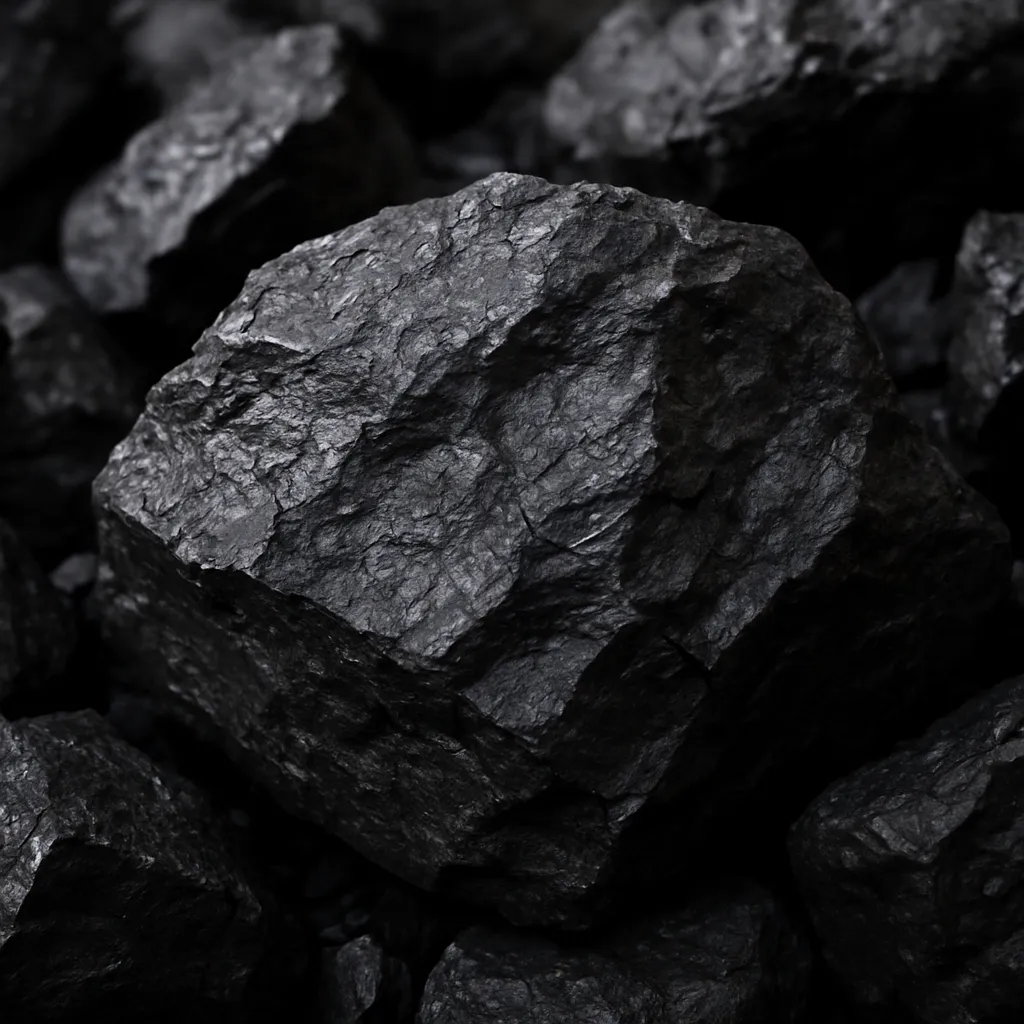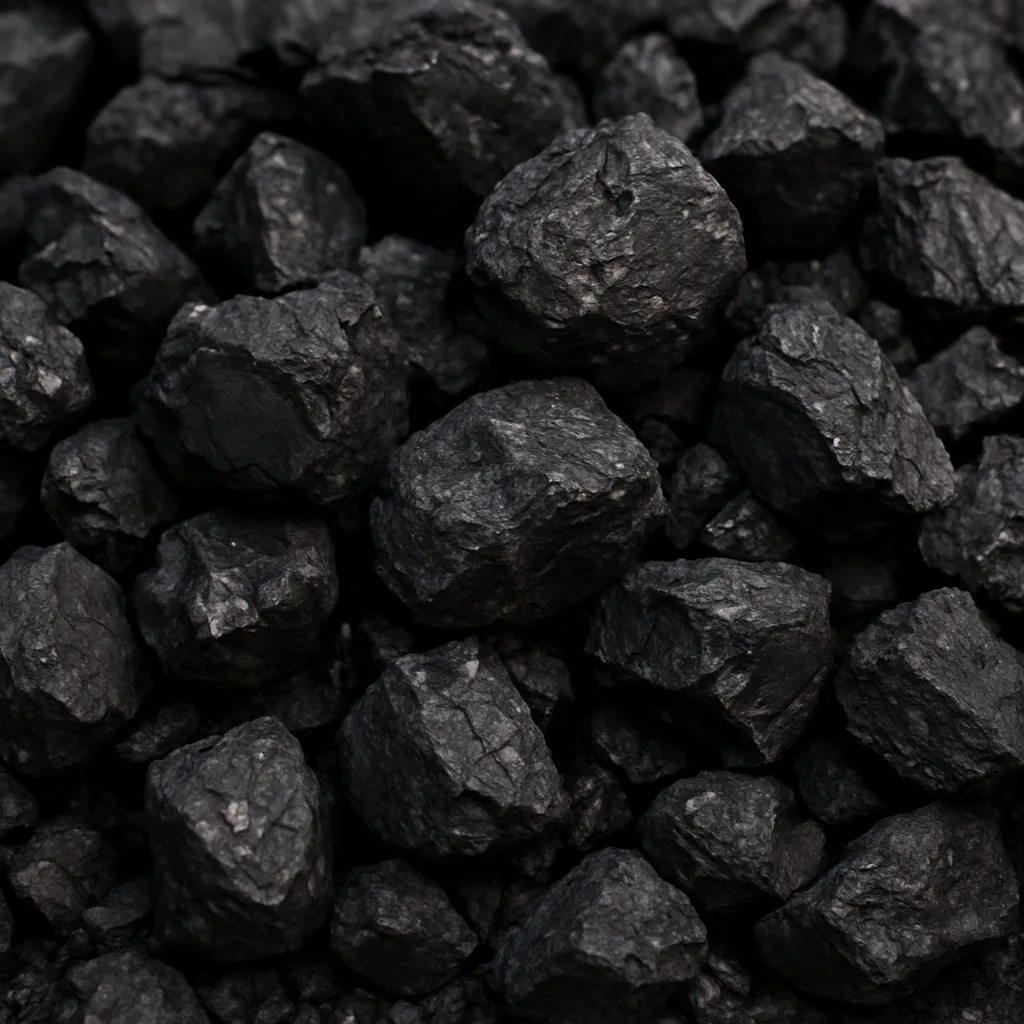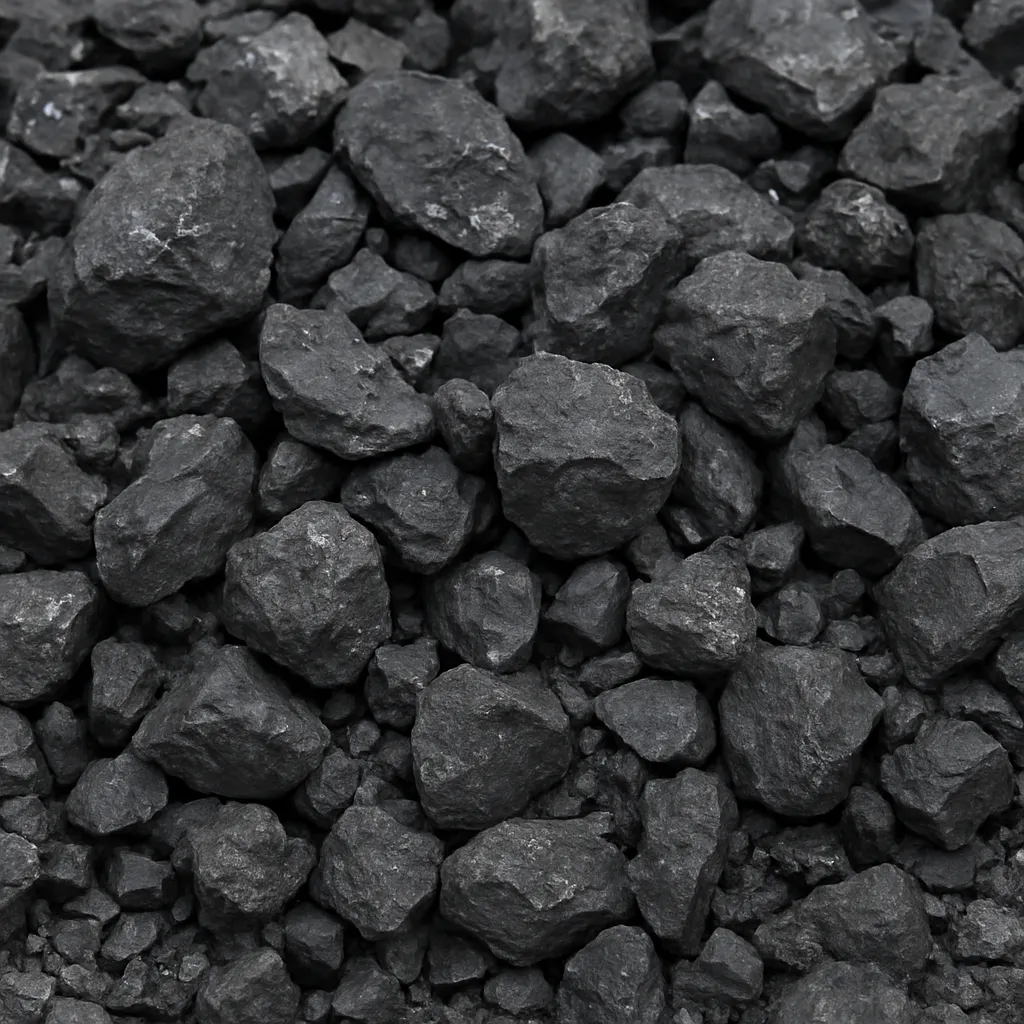
Blending-grade low-ash coal is a specialized category of coal prized for its consistently high quality and suitability for mixing with poorer coals to meet strict industrial specifications. This article explores the geology, occurrence, mining regions, economic and market considerations, industrial applications, environmental implications, and evolving role of this fuel in the global energy and materials sectors. The discussion integrates technical descriptions with market and statistical perspectives to give a comprehensive view of why blending-grade low-ash coal remains strategically important.
Geology, properties and classification
At its core, blending-grade low-ash coal is defined by a low proportion of mineral matter (ash) remaining after combustion. In practical terms, many producers and consumers consider coals with ash contents under roughly 8–12% (air-dry basis) to be “low-ash” for blending and metallurgical purposes, although thresholds vary by industry and region. Key coal quality metrics used to classify and evaluate this material include:
- Calorific value (gross and net, typically expressed in MJ/kg or kcal/kg).
- Ash content (percentage of residual mineral matter).
- Moisture content (inherent and surface moisture).
- Volatile matter (influences combustion behavior and coking properties).
- Fixed carbon (indicator of energy-bearing carbon).
- Sulfur content (important for emissions and corrosion concerns).
Low-ash coals suitable for blending often combine several desirable traits: relatively high calorific value, moderate-to-high fixed carbon, controlled volatile matter and low levels of deleterious impurities such as sulfur, phosphorus and trace elements. When used for metallurgical purposes, some of these coals must also meet strict petrographic and plasticity properties required for coking.
Where it occurs and where it is mined
Low-ash coals suitable for blending are mined in several major basins around the world. While almost every large coal basin contains some benches or seams of relatively low-ash coal, certain regions are particularly prominent as sources of blending-grade material:
Australia
Australia is a leading global source of both high-quality thermal and metallurgical coals. Basins such as the Bowen Basin (Queensland) and the Sydney/Newcastle Basin (New South Wales) produce coals with a wide range of properties; some seams yield low-ash coals that command premiums on Asian export markets. Australian metallurgical coals are major inputs for steelmakers in Japan, South Korea, China and Southeast Asia.
United States
Major US sources include the Powder River Basin (Wyoming and Montana), the Illinois Basin and Appalachia. The Powder River Basin is renowned for large volumes of low-sulfur, relatively low-ash subbituminous coal widely used for power generation and suitable for blending to achieve environmental and performance targets. Appalachia and the Illinois Basin also supply higher-grade bituminous coals that, after washing and blending, can meet specific coking and heat-value requirements.
Colombia
Colombia is a significant exporter of high-quality thermal coal; its coals often exhibit relatively low ash and low sulfur, making them ideal as blending components for power plants and industrial boilers. Colombian low-ash thermal coals are particularly valued in Latin American and European markets.
Russia, Canada and others
Russia’s Kuzbass (Kuznetsk Basin) contains extensive coal resources, including benches used for both power and metallurgical applications. Canada produces high-quality coals in British Columbia and Alberta; Canadian coking coals are competitive in Pacific markets. Smaller but significant volumes of low-ash coal also come from China (selected seams), South Africa (limited low-ash horizons), Indonesia and other producing countries.
Economic and market considerations
The economics of blending-grade low-ash coal are determined by supply-demand balances, quality premia, transport costs, and the specific needs of downstream consumers such as utilities and steelmakers. Key economic points include:
- Quality premium: Low-ash coals typically fetch a price premium relative to higher-ash alternatives because they reduce ash disposal costs, improve combustion efficiency, reduce corrosion and slagging, and lower emissions. Premiums vary with global market conditions but are commonly in the range of tens of dollars per tonne above standard thermal coal prices.
- Metallurgical demand: A portion of low-ash production is directed to the metallurgical coal market, where strict coke quality standards make low ash essential. The metallurgical segment is price-sensitive but can sustain higher prices during periods of strong steel demand.
- Transport and logistics: Because coal is bulky, freight can dominate delivered cost. Access to rail, port infrastructure and proximity to consuming markets (e.g., Asian steelmakers for Australian exports, domestic power plants in the USA) strongly influences the effective value of low-ash coal.
- Washing and beneficiation costs: Producers often invest in coal washing plants and other beneficiation to upgrade run-of-mine material into blending-grade low-ash products. Capital and operating costs for washing must be offset by the price uplift achievable for the upgraded coal.
On a macro scale, global coal production and trade patterns also shape availability. Roughly speaking, coal remains a multi-billion tonne market. China accounts for a large share of domestic production and consumption (approximately 40–50% of global production historically), while Australia and Indonesia are top exporters. Metallurgical coal (coking coal) constitutes a significant submarket — often estimated at around 10–15% of global coal production by tonnage — and is where blending-grade low-ash coals often attract their highest value.
Industrial applications and significance
Blending-grade low-ash coal has multiple industrial uses:
- Steelmaking and coke production: For blast furnace ironmaking, coking coals with low ash are blended to produce coke with proper strength, reactivity and stability. Low ash in the coke feed reduces the production of unwanted slag and impurities, improving furnace efficiency and lowering maintenance.
- Power generation: Utilities blend low-ash coals with higher-ash local coals to meet unit performance and emissions limits. Lower ash improves boiler efficiency and reduces the volume of fly ash and bottom ash requiring disposal. For high-efficiency coal-fired plants and plants with strict emissions controls, blending-grade coals are especially valuable.
- Industrial heat and cement: Cement kilns, industrial boilers and other thermal users often prefer low-ash coal to minimize non-combustible residue that can affect process equipment and product quality.
- Coal-to-chemicals and gasification: Low-ash feedstock simplifies gasification and downstream synthesis processes because less mineral matter is introduced, reducing slagging and cleaning burdens.
Blending strategies are central to many operations. Producers and consumers monitor seam-to-seam variability and design blends to achieve target calorific values, ash levels, sulfur content and combustion properties. A well-designed blend can convert large volumes of lower-quality coal into a commercially acceptable product while optimizing costs.
Beneficiation and processing technologies
Transforming run-of-mine coal into blending-grade low-ash material typically involves washing and other beneficiation techniques. Principal methods include:
- Gravity separation (jigging, dense medium separation) to remove heavier mineral matter.
- Flotation to separate fine coal from fines-rich mineral matter.
- Dry beneficiation methods for water-scarce regions (electrostatic separation, air jigs, selective crushing).
- Chemical and thermal cleaning in specialized applications.
- Pelletizing and briquetting to improve handling and reduce dust while preserving quality.
Effective beneficiation increases the yield of saleable low-ash product, but tolerances on yield loss, water management and tailings disposal influence the choice of technologies. In many basins, complex multi-stage washing circuits are standard to produce high-quality blending coals.
Environmental and regulatory context
From an environmental perspective, low-ash coal offers several advantages over higher-ash alternatives: reduced particulate emissions, lower volumes of ash for disposal, less slagging and fouling in furnaces, and sometimes lower heavy metal inputs. However, coal remains a fossil fuel with significant carbon dioxide emissions per unit energy. Important considerations include:
- Emission controls: Blending to lower ash and sulfur content helps plants meet particulate, SOx and NOx limits more cost-effectively. Low-ash coals also extend maintenance intervals by reducing deposition.
- Waste management: Reduced ash yields smaller ash ponds and landfills, mitigating some environmental liabilities.
- Climate policy: Even high-quality low-ash coals are subject to carbon pricing, renewable mandates and coal phase-down commitments in many jurisdictions. This affects long-term demand expectations and the economics of investment in beneficiation and new mines.
- Green steel transition: Developments in hydrogen-based direct reduced iron (DRI), increased scrap recycling, and electric arc furnace utilization could reduce demand for coking coal in the long term, although transition timelines remain uncertain.
Market trends, statistics and recent dynamics
While exact figures fluctuate annually, some broad statistical trends and observations are useful for context:
- Global coal production has historically been in the 7–9 billion tonnes per year range (all ranks combined), with significant annual variability driven by economic cycles, weather and policy changes. China, India and the United States have been among the largest producers.
- Exports of coal are dominated by a few countries: Australia and Indonesia are the largest exporters overall, with Australia also a major source of high-quality metallurgical coals used for blending. Colombia and Russia are also important exporters of thermal coal with variable ash properties.
- Metallurgical (coking) coal comprises a critical but smaller fraction of total production, often cited as roughly 10–15% of global production by tonnage. Prices for coking coal are typically more volatile and can spike during strong steel demand or supply disruptions.
- Price differentials: Blending-grade low-ash coal typically trades at a premium relative to bulk thermal coal. The size of that premium depends on shipping distances, availability of washing facilities, and the current balance between supply and demand in both thermal and metallurgical markets.
Because blending-grade material occupies the intersection of thermal and metallurgical markets, its price and availability can be particularly sensitive to supply disruptions (mine outages, transportation constraints) and demand shocks (surges in steel output or rapid retirements of baseload coal plants). Traders, utilities and steelmakers commonly use long-term contracts, spot purchases and index-linked pricing to manage this volatility.
Operational challenges and supply security
Producing and delivering consistent blending-grade low-ash coal involves technical, logistical and regulatory challenges:
- Quality variability: Seam heterogeneity means strict quality control, sampling and blending protocols are necessary to meet customer specifications.
- Infrastructure bottlenecks: Rail and port capacity constraints can limit the effective supply even when mine output is sufficient.
- Water and tailings: Washing operations require significant water management and tailings handling infrastructure, which face increasing environmental scrutiny.
- Capital intensity: Investments in beneficiation, rail, port and environmental controls raise the threshold for new supply entrants.
Consequently, many buyers prefer to secure multiple supply sources, maintain blending stocks, or invest in on-site handling and blending facilities to ensure continuity.
Technological and strategic developments
Several technological and strategic trends are shaping the future role of blending-grade low-ash coal:
- Advanced beneficiation: Improved dry beneficiation and fine-coal flotation methods increase yield and reduce environmental footprints, expanding the potential feedstock base for blending-grade products.
- Data-driven blending: Real-time coal quality analysis and automated blending systems enable more precise and cost-effective mixing to target specifications.
- Carbon management: Integrating CCS (carbon capture and storage) with high-efficiency plants may prolong the use of coal in some markets, favoring higher-quality low-ash coals as feedstock for more efficient combustion/gasification systems.
- Alternative metallurgical routes: As green steel technologies advance, demand for traditional coking coals may decline in some regions, but blended coals for PCI (pulverized coal injection) and other supporting roles may persist for longer.
Practical examples and use cases
To illustrate the practical value of blending-grade low-ash coal, consider a few typical use cases:
- Power plant blending: A legacy coal plant that burns a high-ash domestic coal may blend in a proportion of imported low-ash coal to maintain boiler efficiency, reduce fly-ash disposal costs, and meet particulate emission limits without extensive retrofits.
- Steel plant coke blends: A blast furnace operator formulates a multi-coal blend combining strong coking coals and low-ash blend stock to achieve the required coke strength and low impurity burden, optimizing coke oven throughput and reducing refractory wear in the furnace.
- Coal-to-chemicals feedstock: A gasification facility selects low-ash coal to minimize slagging and ash-handling costs while maximizing synthesis gas quality for downstream chemical synthesis.
Concluding observations (no heading label requested)
Blending-grade low-ash coal remains a strategically important commodity at the interface of energy, industry and environmental management. Its relative scarcity compared with higher-ash resources, combined with the tangible operational benefits it delivers to utilities and steelmakers, ensures ongoing demand even as overall coal consumption patterns evolve. Market dynamics — driven by production, trade logistics, environmental regulation and the pace of industrial decarbonization — will determine how large a role low-ash blending coals play in the coming decades. For producers and consumers alike, investments in quality control, beneficiation and secure logistics are essential to capture the value embedded in these coals.