This article explores the characteristics, occurrence, extraction, economic importance and industrial uses of high-density coal — a group of high-rank coals and coal products notable for their elevated fixed carbon, relatively low volatile matter and higher physical density compared with lower-rank coals. The text examines geological distribution, mining regions, market statistics, beneficiation methods, environmental issues and the roles these coals play in power generation, metallurgy and advanced carbon industries.
Geology, types and physical properties of high-density coal
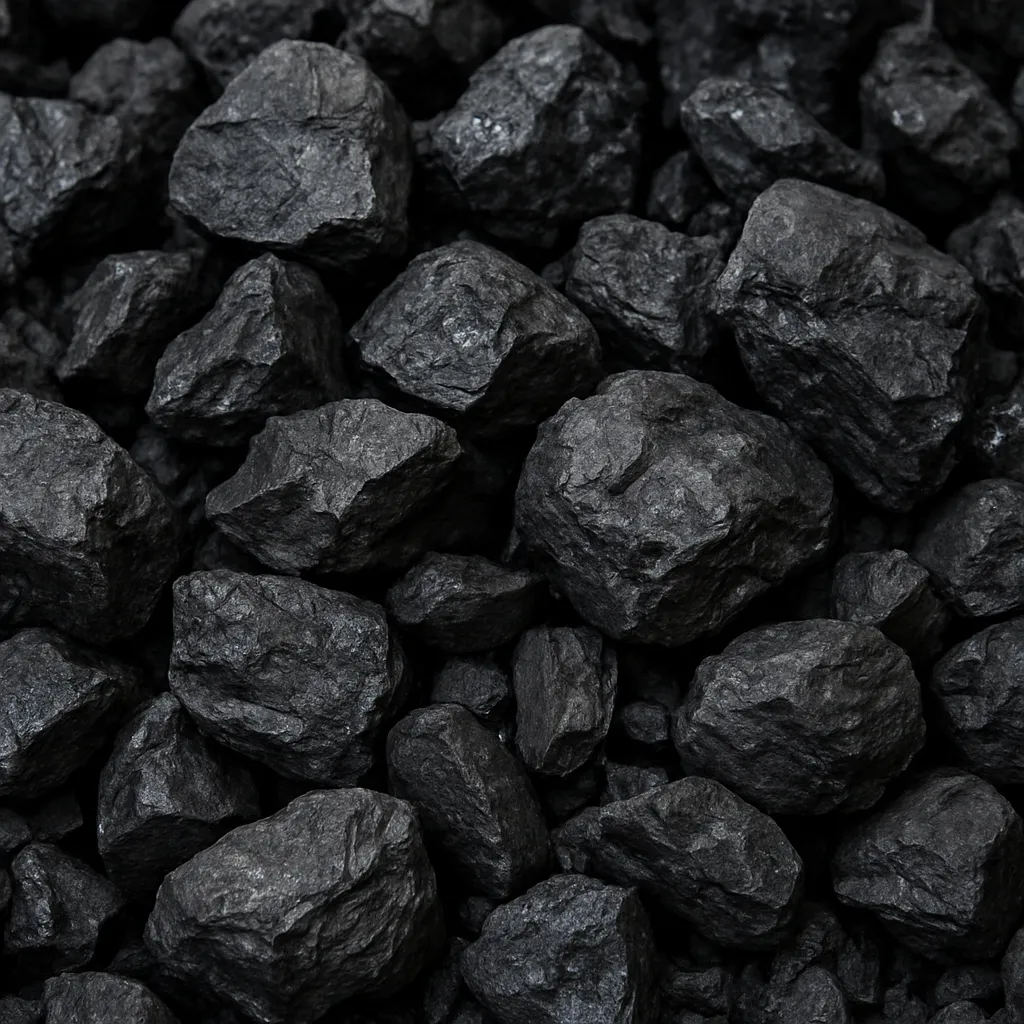
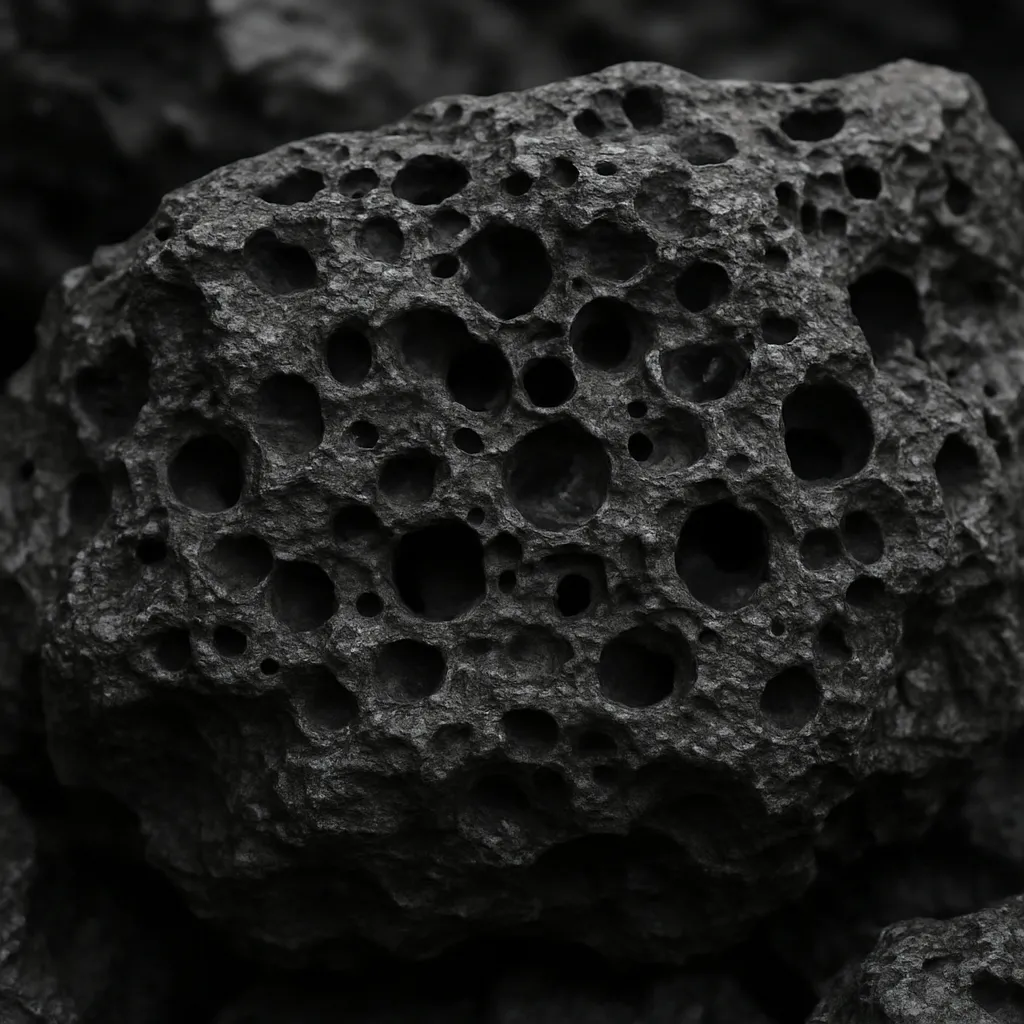
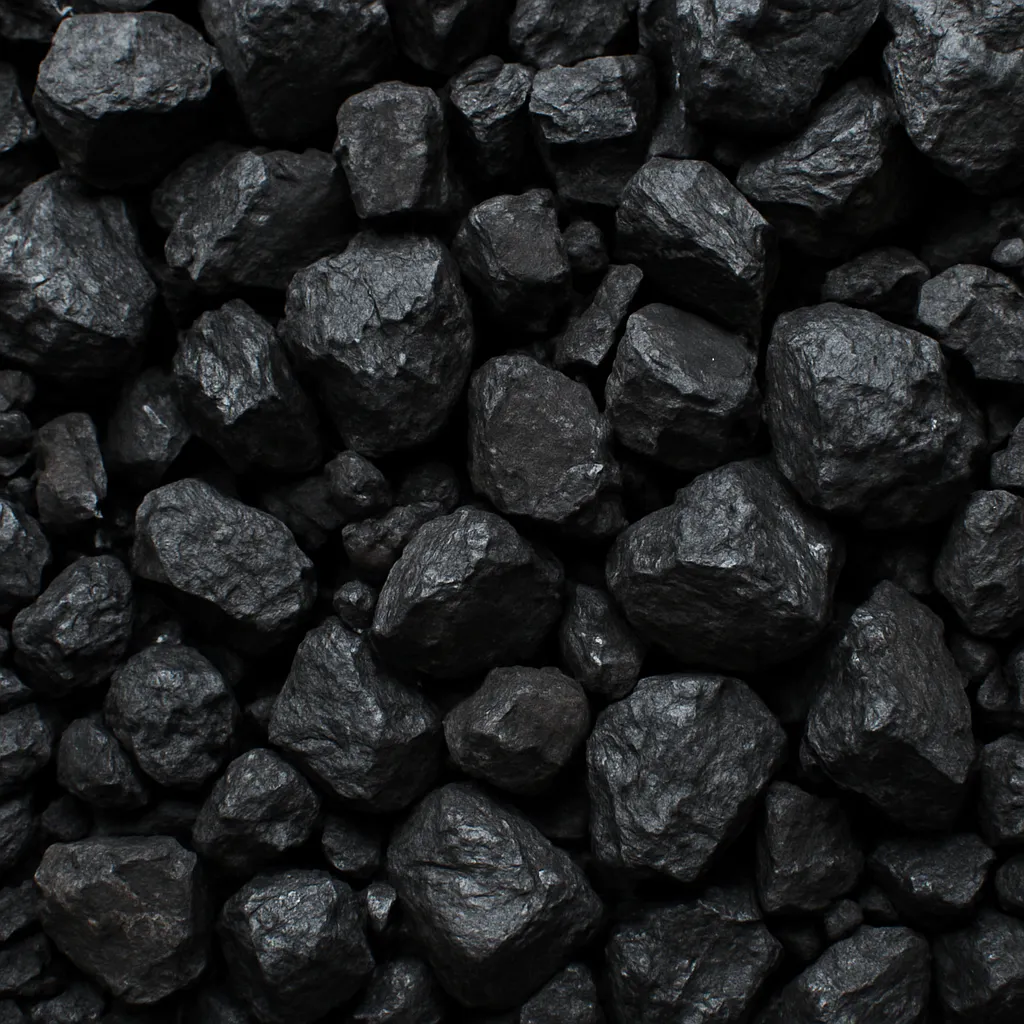
High-density coal generally refers to coals of higher rank (such as anthracite and high-grade bituminous coal) or to coal fractions/briquettes and products that have high bulk or particle density due to preservation of organic matter and mineral matter compaction. These coals exhibit a combination of properties that distinguish them from subbituminous and lignite coals:
- High fixed-carbon content (commonly above 75% on a dry, ash-free basis for anthracite).
- Low volatile matter and generally higher calorific value (higher heating value often >25–30 MJ/kg for anthracite and high-grade bituminous coals).
- Elevated particle or particle-solid density, often in the range of approximately 1.3–1.6 g/cm³ for anthracite and high-rank coal matter; bulk densities vary with fragmentation and compaction.
- Lower moisture and often lower inherent hydrogen and oxygen compared to lower-rank coals, resulting in cleaner combustion per unit energy but higher carbon dioxide emissions per unit mass.
Rank and quality parameters
Coal rank is determined by geological maturation: with increasing rank, volatile matter decreases and fixed carbon increases. High-density coals typically fall into:
- Anthracite — the highest rank of coal with the hardest, most glossy appearance, fixed carbon commonly 86–98% (on a dry, ash-free basis) and calorific values often in the range of 28–33 MJ/kg. Particle density ~1.3–1.6 g/cm³.
- High volatile bituminous and medium-/low-volatile bituminous — while not as carbon-rich as anthracite, some bituminous coals have high apparent density and are used as metallurgical (coking) coals. Calorific values typically 24–35 MJ/kg depending on rank.
Typical coal density values (approximate and variable by deposit and measurement method):
- Particle (solid) density: ~1.1–1.6 g/cm³ (high-rank coals toward upper bound).
- Apparent or bulk density: ~0.7–1.6 t/m³ depending on fragmentation and moisture.
Global occurrence and major producing regions
High-density coals are formed in specific geological basins where peat underwent significant burial, heat and pressure over long geological timescales. Deposits occur on every inhabited continent, but the distributions of highest-rank coals and metallurgical-quality coals are concentrated in several major basins and producing countries.
Key producing countries and basins
- China: The world’s largest coal producer overall and a major source of high-grade coals, including anthracite and high-rank bituminous coals, in basins such as the Shanxi and Shaanxi provinces. China produces a substantial proportion (roughly half) of global coal, though a large share is lower-rank thermal coal; nonetheless China hosts significant high-density coal resources for both domestic steelmaking and special industrial uses.
- Russia: Large reserves of high-rank coals and significant production in Siberian and Far East basins. Russia supplies both domestic metallurgical coal and export markets.
- Australia: Renowned for high-quality metallurgical coal (coking coal) from the Bowen Basin and other Queensland/New South Wales areas. Australia is the world’s leading seaborne coal exporter, particularly for metallurgical grades used in steelmaking.
- United States: Historically important anthracite basins (e.g., Pennsylvania) and current significant bituminous and metallurgical coal production (Appalachia, Illinois Basin, Powder River Basin for lower-rank coals). The U.S. contains sizable high-rank deposits suitable for coking and industrial carbon uses.
- India: Large coal reserves in eastern basins (Jharkhand, West Bengal, Odisha) include some high-grade coals used for both thermal and coking applications.
- South Africa: Produces bituminous coals with varying rank; some grades used in metallurgy and synthetic fuel processes (coal-to-liquids).
- Colombia, Kazakhstan, Ukraine and others: regions with significant coal deposits that include higher-rank coals for export and domestic use.
Local geological controls
The formation of high-density coal depends on factors such as peat accumulation rate, depth of burial, tectonic setting and thermal maturity. Regions that have undergone deeper burial and mild regional metamorphism develop anthracite and high-density coal seams. Conversely, shallow burial and rapid uplift favor preservation of lower-rank coals.
Mining, beneficiation and processing of high-density coal
Extracting and upgrading high-density coal involves both conventional mining and specialized beneficiation to ensure product quality for targeted industrial uses (metallurgy, power, carbon products).
Mining methods
- Underground mining: predominant where high-rank seams are deep, historically used in anthracite basins. Methods include longwall, room-and-pillar and bord-and-pillar systems.
- Open-pit (surface) mining: used where seams are shallow; lower stripping ratios favor this method and large-scale operations in some basins use large draglines and shovels.
Beneficiation and dense media techniques
High-density coals benefit from washing and density-based separation to remove ash-forming minerals and improve calorific value and coking behavior. Techniques include:
- Dense Media Separation (DMS): using magnetite or ferrosilicon suspensions at controlled densities (often in the range of 1.3–1.9 g/cm³) to separate coal particles by density. DMS is highly effective for coarse-size coal and is central to producing high-quality metallurgical coals.
- Gravity separation and spirals: for intermediate size ranges to concentrate organic matter.
- Fine coal flotation and flocculation methods: to recover fine high-grade coal particles and reduce ash and sulfur content.
- Thermal and chemical upgrading: for specialized applications such as making activated carbon, carbon electrodes or coke.
Product forms and quality control
Producers deliver high-density coal in multiple product forms:
- Raw seam coal (run-of-mine) subject to washing and sizing.
- Coking coal blends—sized and blended for coke ovens to produce metallurgical coke with required mechanical strength (CR index, swelling index, reflectance).
- Anthracite lumps, briquettes and pulverized anthracite for domestic heating, industrial burners and filtration media.
- Specialty carbon feedstocks—precursor materials for activated carbon, graphite and electrode manufacturing from selected high-grade coals or coal-derived pitches.
Economic and statistical overview
High-density coal occupies a particular position in energy and commodity markets because it serves both energy and industrial (primarily steelmaking and carbon products) demand. Below are salient economic facets and statistics — presented as approximate recent values and trends reflecting the early 2020s market context.
Global production and consumption trends
- Global coal production in the early 2020s fluctuated in the range of approximately 7–8 billion tonnes annually (all ranks combined). Production levels have responded to demand shifts, economic cycles and policy changes by major consuming countries.
- China remains the dominant producer, accounting for roughly half of global production (several billion tonnes per year), with India, the United States, Indonesia, Australia and Russia also among the largest producers.
- While coal-fired power generation faced long-term decline in many Organisation for Economic Co-operation and Development (OECD) countries, coal demand for steelmaking (metallurgical coal) remained a critical and sometimes growing segment because steel production depends heavily on coke derived from suitable coals.
Trade flows and major exporters
- Australia is the world’s largest seaborne exporter of both metallurgical coal and thermal coal (exports frequently exceeding 400–500 million tonnes annually across all coal grades in recent years). Australian metallurgical coal exports are particularly important to East Asia and other steelmaking regions.
- Indonesia is a major thermal coal exporter and a significant supplier to Asian power markets; while Indonesian coals are generally lower rank, trade patterns affect global prices and flows for high-grade coals as well.
- Russia, Colombia and the United States also figure among the top exporters, depending on grade and route.
Prices and market drivers
Prices for high-density coals (coking coal and premium anthracite) are typically higher and more volatile than those for thermal coal, reflecting:
- Steel production cycles and demand for metallurgical coke.
- Supply disruptions in producing regions, transport/logistics constraints, and port capacity.
- Currency fluctuations and shipping costs (freight rates influence seaborne coal economics).
During periods of strong steel demand, metallurgical coal prices can spike sharply, incentivizing increased mining and reallocation of contracted tonnages. Conversely, shifts in steelmaking technology or substitution can reduce spot demand.
Industrial significance and applications
High-density coals are indispensable in several industrial applications beyond basic combustion for heat:
- Steel production (coking coal): High-quality bituminous coals that form strong coke are central to blast furnace ironmaking. Coking properties — such as plasticity, swelling pressure and coke strength — depend on coal petrography and rank.
- Metallurgy and foundries: Anthracite and high-grade coals are used in metallurgical furnaces, for alloy production and in specialized reductive processes.
- Carbon products: Selected high-density coals are feedstocks to produce activated carbon, carbon electrodes, furnace carbon, and certain forms of synthetic graphite (after further processing). Coal tar and coal-derived pitches are precursor materials for electrodes and battery anodes in some applications.
- Water treatment and filtration: Anthracite is widely used as a filtration medium under municipal waterworks and industrial filtration systems due to its hardness and consistent particle size.
- Domestic and industrial heating: Anthracite briquettes and lumps provide a relatively smokeless, long-burning fuel used for space heating and some industrial burners.
Environmental, regulatory and technological context
Because coal remains a major source of carbon dioxide and local air pollutants, high-density coal raises both specific and general environmental considerations. The industry is responding with regulatory compliance, emissions control and technological adaptation.
Greenhouse gases and pollution
- Per unit of mass, higher-rank coals have greater carbon content and thus can produce more CO2 per tonne combusted; however, per unit of useful energy (per GJ), differences can be smaller or even favorable if higher heating value reduces mass required for a given energy output.
- Typical direct CO2 emissions from coal combustion vary by coal composition; rough conversion factors are on the order of 2.4–2.8 tonnes CO2 per tonne of coal depending on carbon content and combustion efficiency.
- Local pollutants — sulfur oxides (SOx), nitrogen oxides (NOx), particulate matter and mercury — are addressed via flue gas desulfurization, low-NOx burners, electrostatic precipitators and activated carbon injection, but residual environmental impacts remain significant.
Mitigation and clean technologies
Efforts to reduce the environmental footprint of high-density coal use include:
- Carbon Capture and Storage (CCS): capturing CO2 from coal-fired plants or industrial processes (such as cokemaking and steelmaking) for geological storage or utilization.
- Efficiency improvements: ultra-supercritical and advanced steam cycles deliver higher thermal efficiencies, reducing CO2 per unit electricity.
- Coal gasification and coal-to-chemicals: convert high-grade coal into syngas for downstream chemicals or hydrogen production often allowing easier CO2 capture.
- Product substitution and recycling: substitution of coal-derived carbon products with alternatives where possible, and recycling of metallurgical by-products.
Statistics and illustrative figures
Below are several illustrative statistics — approximate and rounded to reflect recent patterns through the early 2020s. These should be treated as indicative rather than exact, since annual production figures and trade volumes fluctuate with economic cycles and policy changes.
- Global coal production (all ranks): roughly 7–8 billion tonnes per year in the early 2020s.
- China’s coal production: on the order of 3.5–4.0 billion tonnes annually, representing around half of global output.
- Australia’s coal exports: in recent years commonly in the range of 400–500+ million tonnes per year (total exports; a significant share is metallurgical coal).
- Seaborne metallurgical coal market: typically sized tens to over a hundred million tonnes annually in trade, with spot market volatility influencing price swings.
- Coal-fired power’s share of global electricity: around one-third to two-fifths in the early 2020s (varies by country and region), making coal a dominant but declining source in several markets.
- Approximate carbon intensity: 2.4–2.8 tonnes CO2 per tonne of coal combusted (coal-dependent on rank and carbon content).
Socioeconomic impacts and supply-chain considerations
High-density coal mining and trade shape regional economies and global industrial supply chains:
- Employment and local economies: Mining towns and regions often depend heavily on coal operations for direct and indirect employment, taxation and infrastructure. Transition planning is a core concern for regions facing long-term reductions in coal demand.
- Industrial linkage: Coal-to-steel supply chains tie mine outputs to cokemaking plants, blast furnaces and downstream steel manufacturing; interruptions in metallurgical coal supply can directly affect steel output and prices.
- Supply security: Countries with domestic high-grade coal have an advantage for domestic steelmaking, while import dependency subjects producers to seaborne market fluctuations and geopolitical risk.
Interesting technical and historical notes
A few additional points of interest about high-density coal:
- Anthracite’s historical role: In the 19th and early 20th centuries anthracite was prized for domestic heating and industrial steam generation because of its relative smokelessness and high heat per mass. Some regions retain cultural and industrial roles for anthracite to this day.
- Precursor to advanced carbon materials: Carefully selected and processed high-rank coals serve as precursors to certain high-value carbon products, though modern graphite and battery anode materials rely heavily on petroleum cokes and synthetic routes in large-scale manufacture.
- Dense media separation: The term “high-density” also connects to process technology — DMS plants deliberately set media densities to separate low-density coal from higher-density mineral contaminants. This process is central to concentrating coal for metallurgical use.
Outlook and future directions
The outlook for high-density coal is shaped by dual pressures: the continued necessity of high-grade fuels for steel and certain industrial applications, and the global drive to decarbonize energy systems. Several likely trajectories include:
- Continued strong but variable demand for metallurgical coal as long as blast furnace-basic oxygen furnace (BF-BOF) steelmaking remains dominant; growth of alternative steelmaking routes (electric arc furnaces using scrap, direct reduced iron using hydrogen) could reduce metallurgical coal demand over multi-decade timescales.
- Innovation in carbon capture and low-emission steelmaking could prolong the role of high-density coal in a lower-carbon world by reducing lifecycle emissions from coal-based processes.
- Specialty markets (activated carbon, filtration media, electrodes) will sustain demand for selected high-density coals even under broader declines in thermal coal use.
- Market volatility will continue due to geopolitical events, shipping logistics and policy shifts, emphasizing the need for diversified sourcing and resilient supply chains for industries dependent on high-grade coals.
Practical considerations for stakeholders
For governments, producers, consumers and investors, practical considerations include:
- Quality specification and testing: ensuring that coal meets required calorific, ash, sulfur and coking indices to avoid downstream process disruptions.
- Infrastructure investments: ports, rail and washing plants are integral to delivering consistent high-grade coal to industrial users.
- Environmental compliance and community engagement: essential for social license to operate and long-term viability of mining projects.
- Strategic policy: balancing industrial competitiveness (steel, chemicals) with national and international climate commitments.
Conclusion
High-density coal — encompassing anthracite, high-quality bituminous and specially processed coal products — remains a strategically important resource for steelmaking, specialized carbon industries and certain energy applications. Its geological rarity relative to low-rank coals, combined with critical industrial roles, ensures that high-grade coals will continue to command premium markets and attract focused investment in mining, beneficiation and emissions control. At the same time, the evolving landscape of energy transition, material substitution and technological innovation will shape demand and supply dynamics for high-density coal over coming decades.