The following article presents a comprehensive overview of the Bara Tabang Mine in Indonesia. It covers the mine’s geographical setting, the type of coal produced, operational and economic aspects, environmental and social impacts, and the broader significance of the operation within the Indonesian and regional coal industries. The article synthesizes general knowledge about Indonesian coal mining practices and the kinds of information typically associated with mines of this type; where precise proprietary numbers are not publicly verified, the discussion explains typical ranges and contextual indicators rather than asserting potentially inaccurate figures.
Location and geological setting
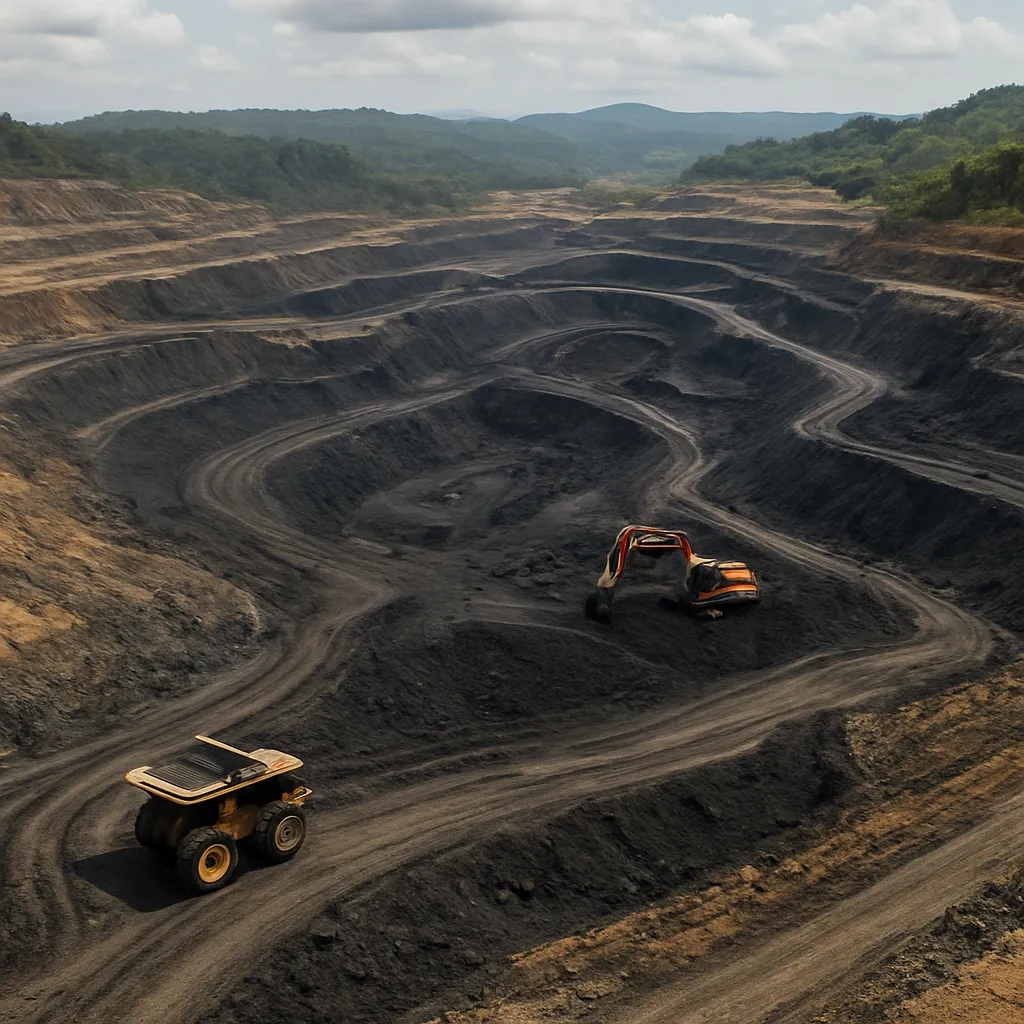
The Bara Tabang Mine is situated on the island of Borneo, within the Indonesian portion known as Kalimantan. Kalimantan is one of Indonesia’s main coal-bearing regions and hosts a large number of open-pit coal operations that supply both domestic power generation and international markets. The mine lies in a landscape typified by alluvial plains, river valleys and low hills, underlain by Tertiary sedimentary sequences that commonly contain coal seams of varying thickness and lateral continuity.
Geological characteristics
- Coal seams in the region typically occur within deltaic and fluvial sedimentary sequences, often showing lateral variability in thickness and quality.
- The coal at sites like Bara Tabang is most commonly thermal (steam) coal rather than metallurgical coal, formed from ancient peat deposits that were buried and partially transformed under relatively low-grade burial conditions.
- Typical Indonesian Kalimantan coal attributes include relatively high moisture, variable ash content, and lower to medium gross calorific values compared with higher-rank coals found in some other parts of the world.
Practical implication: the sedimentary setting means seam continuity can be complex, necessitating detailed geological modelling and staged open-pit development to access the most economic coal horizons.
Coal type, quality and uses
Bara Tabang primarily produces coal suitable for thermal applications — meaning it is mainly burnt to generate electricity or used in industrial boilers. The typical quality parameters for Kalimantan thermal coal, which reflect the characteristics likely found at Bara Tabang, include:
- Calorific value: commonly in the range of approximately 4,000–6,500 kcal/kg (as-received basis), depending on seam and wash plant processing.
- Moisture: often higher than Australian or South African coals, which affects transportation economics and calorific delivery per tonne.
- Ash and sulfur: ash can be moderate to high in some seams; sulfur is typically low to moderate, which is favorable with respect to SOx emissions compared with high-sulfur coals.
Because the material is largely thermal coal, its main markets are power plants and industrial heat users. Processed product grades may be produced through washing and blending to meet specific calorific or ash specifications demanded by buyers, both domestically and for export.
Operations, infrastructure and logistics
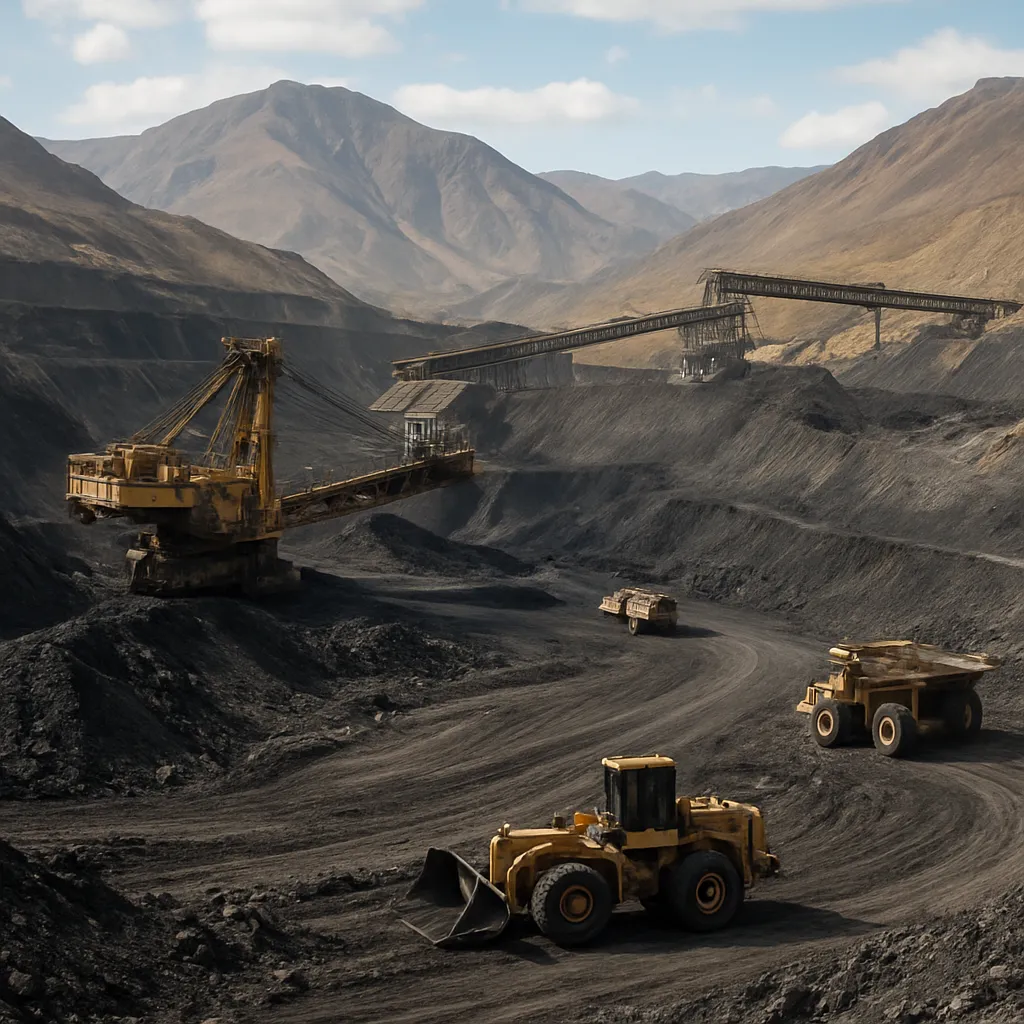
Operations at open-pit mines like Bara Tabang generally follow a sequence of overburden removal, excavation of coal seams, haulage to a primary crusher, and onward transport to a wash plant or directly to stockpiles and ports. Key infrastructure elements supporting the mine typically include:
- Heavy earthmoving fleets (excavators, dozers, haul trucks) and ancillary equipment for overburden and coal handling.
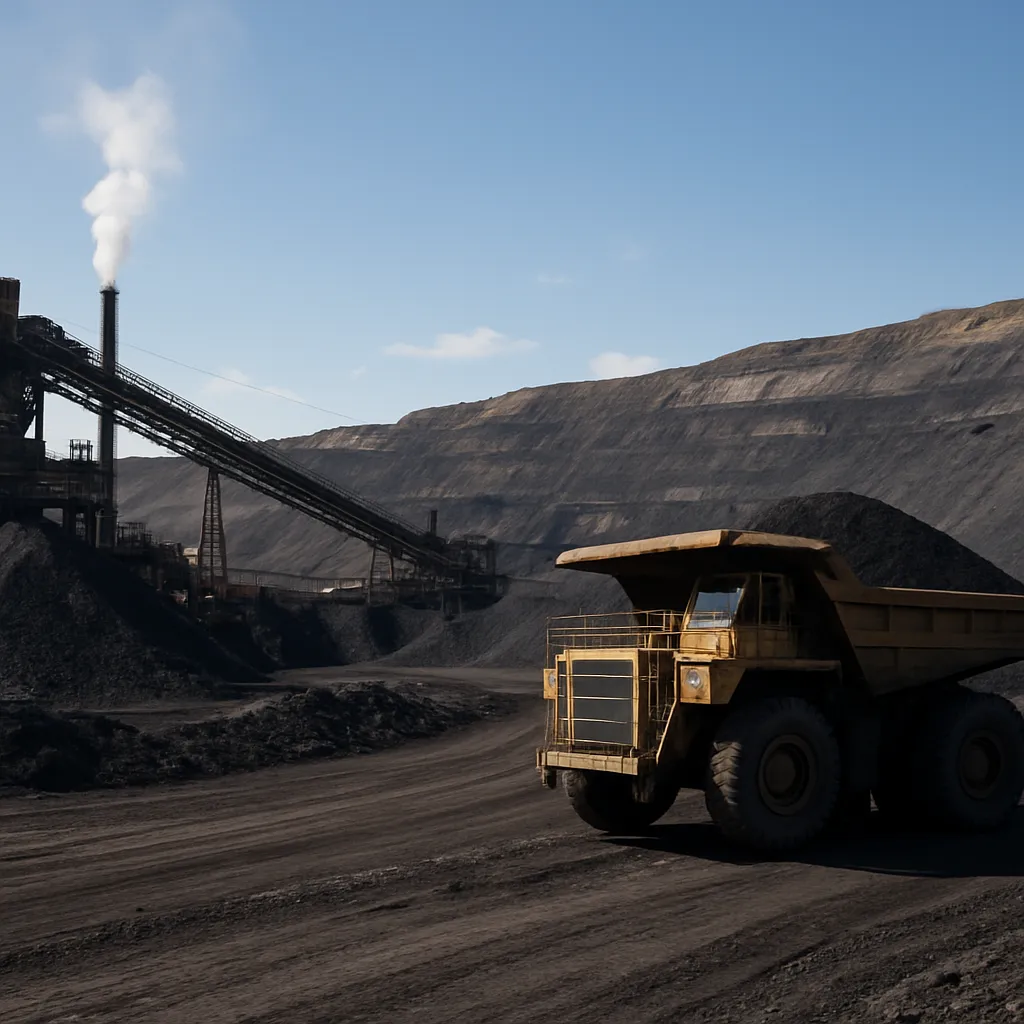
- Coal processing facilities such as wash plants to reduce ash and improve calorific value for higher-margin products.
- Transport links: internal haul roads, access to barging on rivers where applicable, or haul roads/rail connections to ports. Many Kalimantan mines rely on river barge networks to move coal to coastal transshipment points.
- Port and transshipment facilities that support loading onto sea-going vessels for export.
The mine’s integration with regional logistics — whether by river, road, or rail — is a decisive factor in its cost structure and market competitiveness. Investments in conveying systems, enhanced barging capability and port access can materially improve delivered energy economics for customers.
Economic and fiscal significance
Coal operations in regions like Kalimantan have substantial regional economic impacts. These include direct employment at the mine, indirect jobs in services and logistics, payments to local governments through royalties and taxes, and contributions to national export revenues. While precise fiscal contributions from Bara Tabang depend on production levels and sales, the economic roles typical of such mines include:
- Direct employment for hundreds to thousands of workers depending on mine scale and automation level.
- Local procurement of goods and services, stimulating small and medium enterprises in host districts.
- Royalty and tax payments to provincial and national governments, often structured as a combination of percentage royalties, corporate taxes and community development obligations.
- Foreign exchange earnings where coal is exported — Indonesian coal remains a major energy commodity for regional buyers, supporting the country’s trade balance.
At a broader level, mines like Bara Tabang support Indonesia’s role as one of the world’s largest coal exporters. Even though exact mine-level production figures will vary year-to-year and by operator disclosure, the contribution of each mid-size to large open-pit mine is economically meaningful in provincial employment and fiscal terms.
Production, reserves and statistics
Publicly disclosed mine-level production and reserve figures are controlled by operating companies and regulators. For many Indonesian mines, companies report:
- Annual production (marketed coal) measured in million tonnes per annum (Mtpa).
- Proven and probable reserves (in million tonnes), based on geological modelling and economic cut-offs.
- Mine life estimates derived from current reserve and production rates.
Where specific public figures for Bara Tabang are published by the operator or national regulators, they are the authoritative source. In the absence of a verified company report here, it is appropriate to note that mines in Kalimantan can range from smaller operations producing a few hundred thousand tonnes per year to large operations producing tens of millions of tonnes annually. Reserve statements, when available, will show how long a mine can sustain present production rates, which in turn affects investment and regional planning.
Ownership, governance and regulatory context
Mines in Indonesia operate within a framework of mining licenses, environmental permits and community agreements issued by central and provincial authorities. Key governance features typically include:
- Mining concessions awarded to corporate entities (often Indonesian-registered PT companies) with obligations to comply with environmental management and post-mining rehabilitation plans.
- Obligations for stakeholder engagement and community development programs to address local socioeconomic impacts.
- Regulatory oversight covering safety, emissions, water management and land use; enforcement is conducted by provincial and national agencies.
Corporate ownership structures range from independent Indonesian companies to subsidiaries of larger international mining groups. Transparency of ownership and of payments to governments is an increasingly emphasized area of regulation and investor focus.
Environmental and social impacts
Like any large open-pit coal mine, Bara Tabang’s operations have a range of environmental and social impacts that require active management. Major areas of concern and mitigation include:
Land, biodiversity and rehabilitation
- Vegetation clearing and topsoil removal disrupt local ecosystems; rehabilitation programs aim to restore productive land uses and biodiversity corridors after mining.
- Progressive rehabilitation (restoring areas as mining advances) is considered best practice to reduce the total disturbed area at any one time.
Water and air quality
- Surface and groundwater can be affected by sedimentation, acid sulfate soils (where present) and changes in hydrology; sediment controls, water treatment and careful pit water management are standard mitigation measures.
- Dust and particulate emissions from mining and transport require suppression practices such as watering, enclosures and covered conveyors. Ambient air quality monitoring helps manage public health risks.
Greenhouse gas emissions and climate considerations
- Methane emissions from mining and CO2 emissions from coal combustion are significant climate considerations. Companies and host governments face increasing pressure to manage and reduce greenhouse gas footprints.
Social impacts and community engagement
- Mines provide employment and infrastructure improvements but can also create land access conflicts, displacement and altered livelihoods. Social baseline studies and participatory planning are commonly used to design mitigation and benefit-sharing schemes.
- Stakeholder engagement, grievance mechanisms and local content policies are standard elements of responsible operations.
Environment and social governance measures—such as water treatment, progressive rehabilitation, community development programs and transparent reporting—are increasingly expected by financiers, regulators and buyers.
Technological trends and safety
Indonesian coal mining has modernized significantly in many operations. Common technological and safety practices include:
- Mechanized fleets for overburden removal and coal handling to improve productivity and reduce exposure to manual risks.
- Digital systems for mine planning, fleet management and safety monitoring, including GPS tracking and fatigue management for drivers.
- Safety management systems aligned with international standards to reduce workplace incidents; continuous training and emergency preparedness are fundamental requirements.
Enhanced processing technologies, such as more efficient wash plants and coal dewatering systems, also increase the marketability of coal by producing more consistent and higher-quality product streams.
Supply chain and markets
Coal from Kalimantan mines feeds both domestic power generation and international markets. Important market aspects include:
- Primary export markets for Indonesian thermal coal traditionally include countries across Asia—China, India, Vietnam, and various Southeast Asian buyers—each with varying calorific and quality specifications.
- Domestic demand is driven by Indonesia’s power plants and industrial users, which may prefer locally sourced coal for logistic and pricing reasons.
- Price sensitivity: Indonesian coal prices vary with global demand, shipping costs, and competition from other energy sources. Quality differentials (calorific value, ash content) affect price.
Value can be added by washing and blending coal to target customer specifications, optimizing transport logistics to reduce delivered cost, and securing long-term supply contracts.
Economic outlook and strategic importance
Mines such as Bara Tabang play a strategic role in regional development and national energy supply chains. Key points shaping their outlook include:
- Regional energy demand: continued growth in Southeast Asian electricity demand supports thermal coal offtake in the near-to-medium term, although growth trajectories differ by country and policy choice.
- Transition dynamics: global decarbonization trends and national policies encouraging renewables may affect long-term demand for thermal coal, incentivizing operators to optimize cash flows, diversify portfolios or invest in carbon offsetting and emissions-reduction technologies.
- Regulatory and market risk: permit renewals, royalty regimes, export policies and buyer preferences can shift, affecting profitability and investment planning.
For investors and local stakeholders, the immediate economic value from a mine is measured by cashflow generation, employment and fiscal contributions; the long-term value depends on how the operation manages environmental liabilities, community relations and market transitions.
Rehabilitation, closure planning and legacy
A responsible mine lifecycle includes a clearly defined closure plan and financial provisioning for post-mining land use. Elements of effective closure planning often include:
- Progressive rehabilitation of disturbed land with native species where possible, and creation of productive post-mining uses such as agriculture, aquaculture ponds or managed forestry.
- Water management measures to ensure long-term quality and safety of any pit lakes or downstream watercourses.
- Financial assurance mechanisms (e.g. bonds or trust funds) to ensure sufficient resources for full rehabilitation in the event of company insolvency.
Impacts on landscape and livelihoods can be long-lasting without diligent closure implementation; conversely, well-executed closure can leave a positive legacy in terms of new land uses and community amenities.
Interesting facts and operational highlights
- Bara Tabang, like many Indonesian mines, contributes to the local economy beyond direct employment through supplier networks and infrastructure improvements (roads, water supply, electrification).
- River barging remains an economically important transport mode in Kalimantan, linking inland mines to coastal transshipment hubs and reducing the need for extensive road or rail investments in some areas.
- Blending strategies are often used at the mine or port to create product specifications that match customer demands, smoothing price volatility and improving market access.
Concluding perspective
The Bara Tabang Mine represents the archetype of a Kalimantan thermal coal operation: it is a significant economic asset for its locality, embedded in a complex natural and regulatory environment, and connected to regional energy markets. Critical success factors for the mine’s continued contribution to local and national economies include efficient operations, responsible environmental and social management, and adaptive strategies to manage market and policy transitions as the global energy landscape evolves.
Overall, while coal’s long-term trajectory is influenced by decarbonization trends, mines like Bara Tabang will remain relevant in the near to medium term as suppliers of thermal energy — provided they can meet customer quality needs, operate within tighter environmental and social expectations, and plan responsibly for closure and legacy outcomes.