The following article provides a detailed overview of the Zarechny coal mine concept in Russia, its geological setting, mining methods, economic and industrial significance, environmental and safety issues, and future prospects. The name Zarechny is common for settlements and industrial sites across Russia; in coal-mining contexts it usually denotes a mine or mining complex located within one of Russia’s major coal basins. Where public, mine-specific data are available they are cited; where not, the text places the site into the broader context of the Russian coal industry to explain likely characteristics, impacts and significance.
Location and geological setting
Coal mines named Zarechny can be found in different regions of the Russian Federation. Russia’s major coal provinces include the Kuzbass (Kemerovo Oblast), the Donets Basin (partly in Ukraine and historically connected to Russian production), the Pechora Basin (northern European Russia), Eastern Siberian basins (e.g., Yakutia, Irkutsk), and the Far East (Sakhalin, Primorye). A specific Zarechny mine will typically be sited where Carboniferous, Permian or Mesozoic coal-bearing strata reach economically extractable thicknesses and rank.
Geologically, coal-bearing formations in Russia vary by basin:
- In the Kuzbass, Permian and Carboniferous sequences host thick seams of high-grade coals, often of bituminous rank, with numerous layers suitable for selective mining.
- In the Pechora Basin and parts of Eastern Siberia, coal can range from sub-bituminous to bituminous, with local deposits of higher or lower rank depending on burial history and tectonic setting.
- Coal seams targeted by mines named Zarechny would typically lie at depths from shallow (<100 m) in open-pit cases to several hundred meters for underground mines; seam thickness can vary from less than one meter to many meters, sometimes allowing mechanized longwall extraction.
Coal type, quality and reserves
The Russian coal spectrum includes bituminous coals, lignite (brown coal), and higher-rank hard coals such as semi-anthracite in isolated deposits. For a mine called Zarechny, the most likely product types are either thermal (steam) coal for power generation or metallurgical (coking) coal for the steel industry, depending on the host basin and seam characteristics.
- Coking coal: Required by steelmakers for coke production and blast furnace operation. If a Zarechny site is in a coking-coal-bearing zone (e.g., certain parts of Kuzbass), part of output may be premium-grade coking coal, attracting higher prices and export demand.
- Thermal coal: Widely used in Russian power plants and for heating. Many mines produce thermal coal with varying calorific value, ash, moisture and sulfur contents.
- Reserves: Mine-specific reserve statements are typically published by the operator, regional government or in company reporting. In the absence of a single authoritative public dataset for a particular Zarechny mine, reserve classes in Russia follow national classification systems (A, B, C categories) or JORC/CRIRSCO-style international codes for listed companies. Typical underground mines may report reserves ranging from several million to tens of millions of tonnes, while large open-pit operations can host hundreds of millions of tonnes.
Mining methods and operational characteristics
Operational choices at a Zarechny mine depend on geology, seam depth and thickness, and economic factors. Russian coal mining employs a range of methods:
- Underground longwall mining: Widely used in regions like Kuzbass for relatively thick, continuous seams. Longwall systems provide high productivity per face but require substantial capital investment in shields, conveyors, and automation.
- Room-and-pillar (bord-and-pillar): Employed for seams where retreat longwall is not feasible; often combined with mechanization and selective extraction techniques.
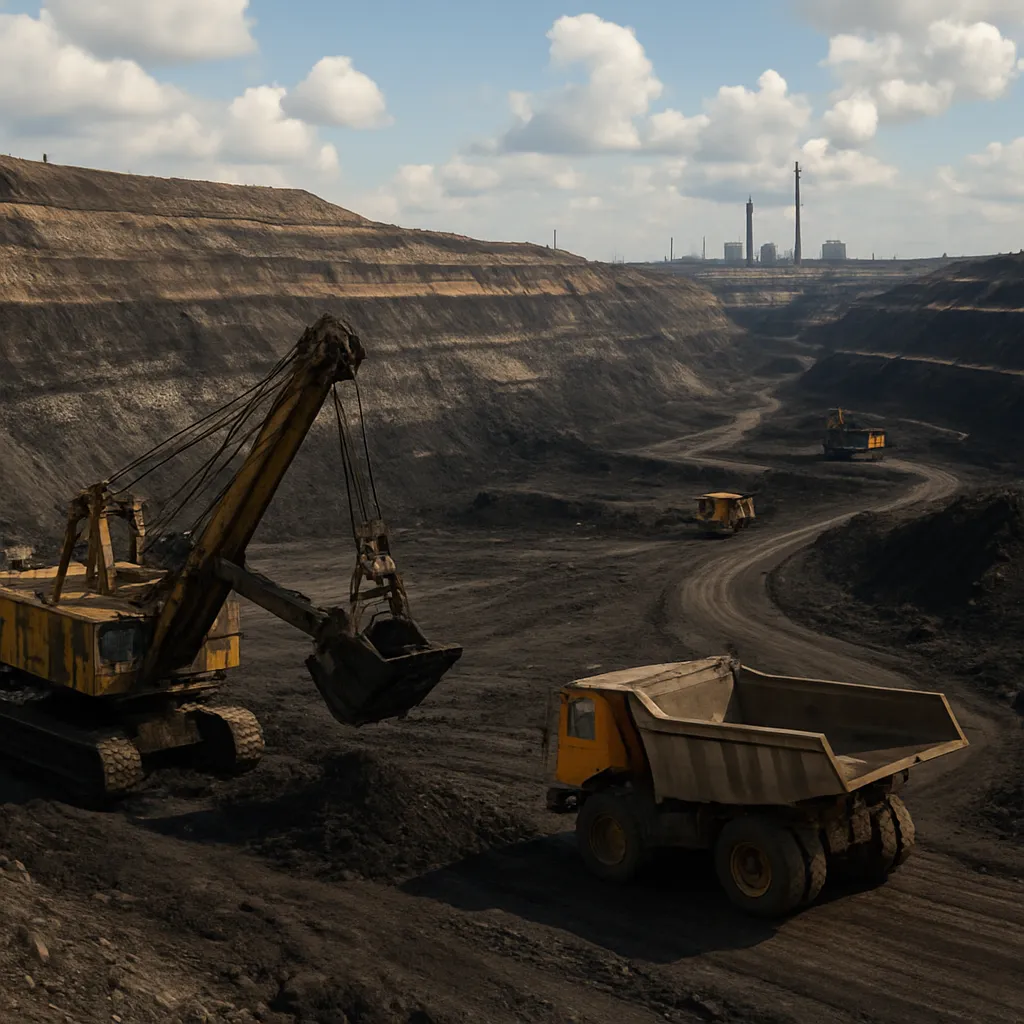
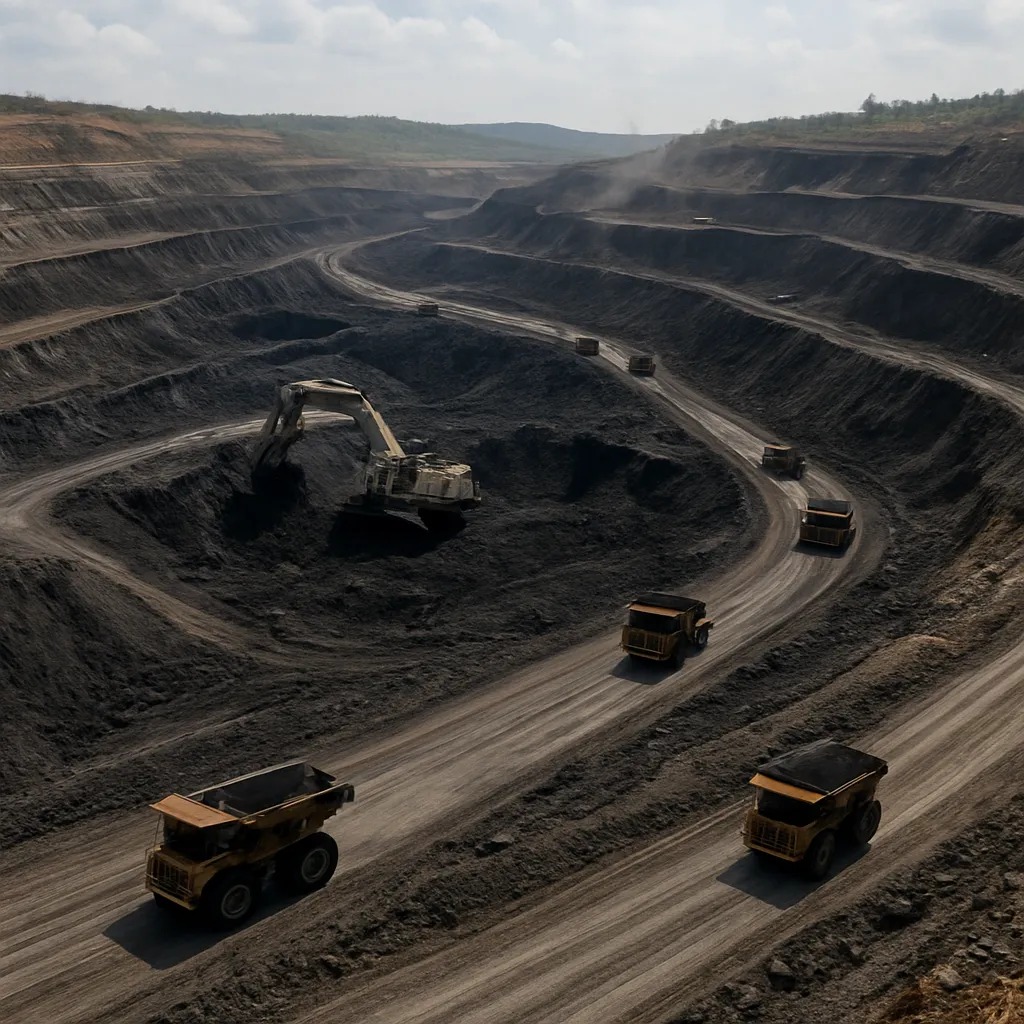
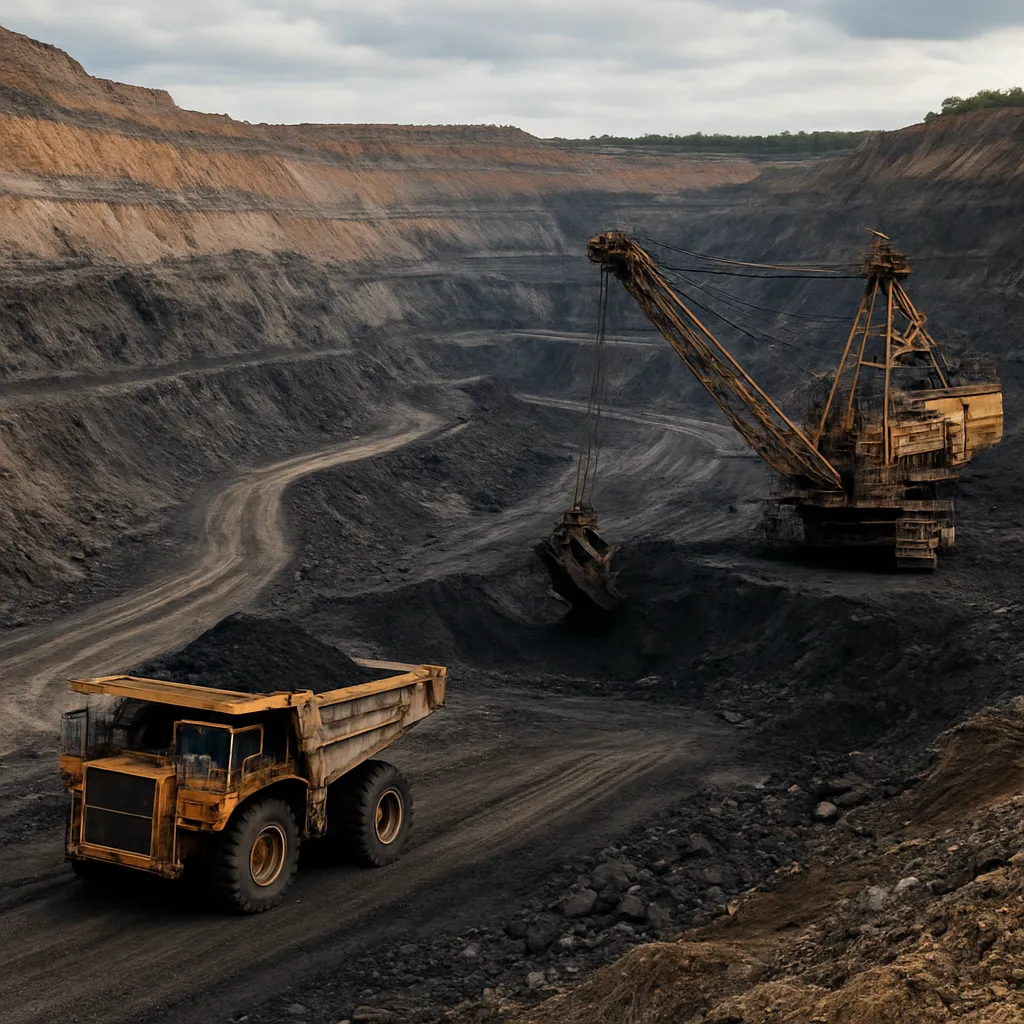
- Open-pit (surface) mining: Used for shallow deposits. Open-pit operations typically achieve lower unit costs and produce large volumes, but entail larger landscape disturbance and overburden removal.
- Mechanization and automation: Modern Russian mines increasingly deploy continuous miners, longwall conveyors, remote-controlled equipment, and automated monitoring systems to improve safety and efficiency. The pace of modernization varies by owner — state-backed enterprises and large private groups often move faster than small regional operators.
Economic role and employment
Coal mines (including those named Zarechny) play an important role in local and regional economies. Typical economic impacts include:
- Direct employment: Mines employ miners, engineers, geologists, maintenance crews and administrative staff. A medium-sized underground mine can employ several hundred to a few thousand workers; large complexes may employ many thousands when including surface operations and processing.
- Indirect employment and services: Coal production supports contractors, transport companies, local suppliers, utilities and service sectors (housing, education, healthcare).
- Fiscal revenues: Mining companies contribute through taxes, royalties and local budget transfers that support public services and infrastructure.
- Industrial linkage: Coal production feeds power plants, metallurgy, chemical industries and sometimes export logistics (ports and rail), making mines integral nodes in regional industrial systems.
Financially, profitability for a Zarechny-type mine depends on coal quality (calorific value, coking properties, ash and sulfur), production costs (labor, energy, equipment), transport distance to market, and market prices. In recent years, Russian thermal coal prices have been influenced by global seaborne markets, domestic energy demand, and logistical constraints; coking coal markets follow global steel demand and coke supply dynamics.
Production, exports and statistical context
Mine-level public statistics for a specific Zarechny site are not always freely available. However, placing a single mine into national context helps estimate its potential scale and role.
- Russia is among the world’s largest coal producers and exporters. Annual production has been in the range of roughly 350–450 million tonnes in recent years (varies by year and reporting source), with significant year-to-year fluctuations tied to domestic demand and export opportunities.
- The Kuzbass alone contributes a substantial share of Russian output (commonly cited as around half to two-thirds of national production), making mines in that basin particularly important nationally.
- Exports from Russia have historically been large (over 150–250 million tonnes annually in many recent years), routed primarily to Asia-Pacific and Europe through maritime terminals and rail connections. The share of exports from any particular mine depends on its capacity and grade.
- Individual mine output: Small to medium mines may produce from several hundred thousand to a few million tonnes per year; large mine complexes can reach double-digit millions. Without operator disclosure, one should not attribute a specific tonnage to a named Zarechny mine unless the operator’s reports provide that figure.
Infrastructure and logistics
Efficient transport logistics are critical for a mine’s competitiveness. For a Zarechny mine, typical logistical features include:
- Rail links: Russia’s network of freight railways is the backbone of coal movement inland and to export ports. Proximity to major rail corridors (e.g., Trans-Siberian, regional lines connecting Kuzbass to ports) reduces costs and enables export competitiveness.
- Processing and washing plants: Many mines operate beneficiation facilities to upgrade coal quality (reduce ash, moisture, and improve coking properties) before sale.
- Ports and terminals: Export-oriented mines rely on Black Sea, Baltic, Far East and Arctic terminals, with seasonal and geopolitical constraints affecting route choice.
- Local energy and water supply: Reliable electricity and water are required for mining operations and processing; some remote mines also maintain captive power generation or water management systems.
Environmental management and social considerations
Coal mining has significant environmental footprints. A responsible Zarechny operation should incorporate modern mitigation, monitoring and remediation practices:
- Land disturbance and reclamation: Surface mining alters landscapes, requiring progressive reclamation, soil replacement, and post-mining land use planning (forestry, agriculture, recreation).
- Water impacts: Acid mine drainage, sedimentation and alteration of groundwater flow are risks. Treatment plants, containment, and careful hydrogeological management mitigate impacts.
- Air quality: Dust from mining and handling, and emissions from on-site equipment, must be controlled through dust suppression, enclosures and modern diesel/electric fleets.
- Methane and greenhouse gases: Underground coal seams emit methane — a potent greenhouse gas and explosion hazard. Modern mines capture methane where feasible (for safety and energy use) and implement ventilation and monitoring systems.
- Community health and safety: Occupational safety programs, medical services, and community engagement are essential. Historically, Russian mines have faced safety challenges; recent decades have seen improvements through technological upgrades and regulatory focus.
Safety standards and risk management
Safety in Russian coal mining has improved, but risks remain. Key elements of modern mine safety include:
- Ventilation and methane control for underground operations.
- Rock mechanics monitoring and roof support systems to prevent collapses.
- Emergency preparedness, training, and mine rescue capabilities.
- Automation and remote monitoring that reduce human exposure to hazardous face conditions.
Significance in industry and markets
Whether producing thermal or coking coal, a Zarechny mine contributes to sectors with distinct market dynamics:
- Power generation: Thermal coal fuels Russian power plants and district heating, providing baseload and seasonal energy security. Domestic demand patterns and fuel-switching decisions by utilities affect mine sales.
- Steelmaking: Coking coal supports metallurgical coke production; high-quality coking coal can command price premiums and support long-term offtake contracts with steel producers.
- Export markets: Access to seaborne markets exposes mines to global price signals, freight rates and geopolitical constraints which can rapidly change demand and logistics options.
Statistical snapshot (national and contextual)
While specific, audited figures for a particular Zarechny mine require operator disclosure, the following contextual statistics describe the environment in which such a mine operates (approximate recent-range figures):
- Russia annual coal production: commonly reported in the approximate range of 350–450 million tonnes per year (varies by source and year).
- Russia annual coal exports: often in the range of 150–250 million tonnes, shipped mainly to Asia and Europe.
- Share of production by Kuzbass: historically a dominant producing region, contributing an estimated several tens of percent to over half of national production depending on the year and classification.
- Typical mine output: varies widely — many underground operations produce between 0.5 and 5 million tonnes per year; major complexes can exceed 10 million tonnes per year.
Future prospects, decarbonization and strategic trends
The future for coal mines in Russia, including any Zarechny operations, will be shaped by multiple forces:
- Global decarbonization: Long-term structural decline in thermal coal demand in some markets is expected as renewables and gas grow, and as industrial users adopt lower-carbon technologies. This could alter export patterns and pricing.
- Steel industry dynamics: Metallurgical coal demand is tied to global steel production. Advances in steelmaking (hydrogen-based reduction, increased scrap recycling) could shift long-term demand for coking coal, but the transition will be gradual.
- Domestic energy policy: Russia’s internal energy mix and policy toward coal-fired power will influence domestic demand. Investments in carbon capture or cleaner coal technologies could extend coal’s role.
- Technological modernization: Greater mechanization, remote operation, and methane capture can improve safety, reduce costs, and lower environmental footprint; such investments influence mine competitiveness.
- Geopolitics and trade flows: Sanctions, transport bottlenecks, and shifting trade partners can rapidly affect export routes and market access for Russian coal.
Interesting historical and cultural notes
Coal mining in Russia has deep historical roots and often shapes local identity. A mine bearing the name Zarechny may have stories typical of many Russian mining towns:
- Company towns and social infrastructure: Historically, mining communities were built with housing, schools and medical facilities by mine owners or the state. These features often persist as central elements of local life.
- Heritage and memorials: Many mining towns maintain museums or memorials honoring miners and the role of coal in regional development.
- Transitions and retraining: As mines modernize or as market pressures shift, local workforces often require retraining programs and economic diversification strategies to sustain communities through transitions.
Concluding perspective
A Zarechny mine in Russia, whether a modest underground producer or part of a larger complex, exemplifies the multifaceted role of coal in regional economies, national energy systems and global commodity markets. While site-specific data should be drawn from operator reports and regional authorities for precision, the broader context—geological endowment, mining methods, economic linkages, environmental responsibilities and evolving market forces—defines both the opportunities and challenges facing such a mine today.
Notes on data and sources
Where precise, mine-level statistics for a Zarechny location are required (annual output, reserve categories, staffing, capex and opex), they should be obtained from the mine operator, regional mining authorities, company financial reports or national statistical services. The figures quoted in this article are approximate and meant to provide context rather than definitive mine-specific metrics.