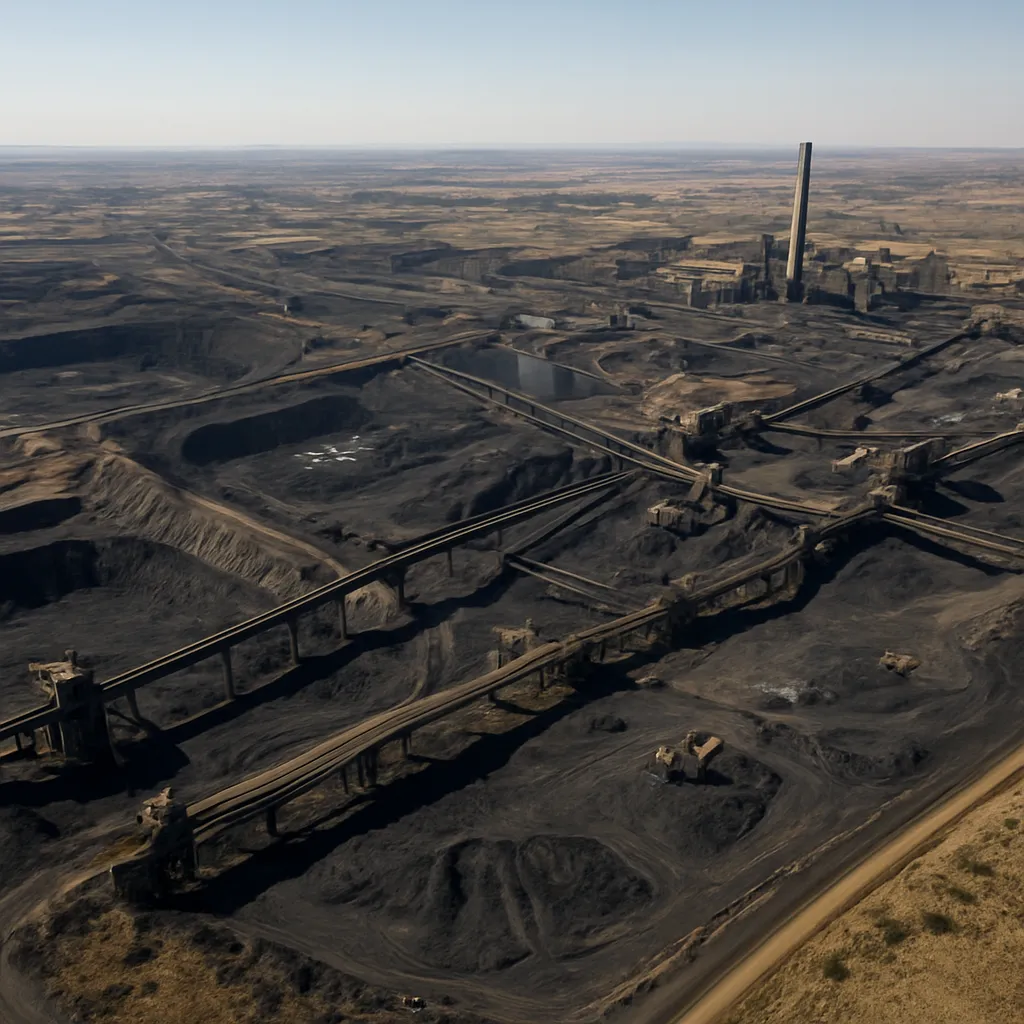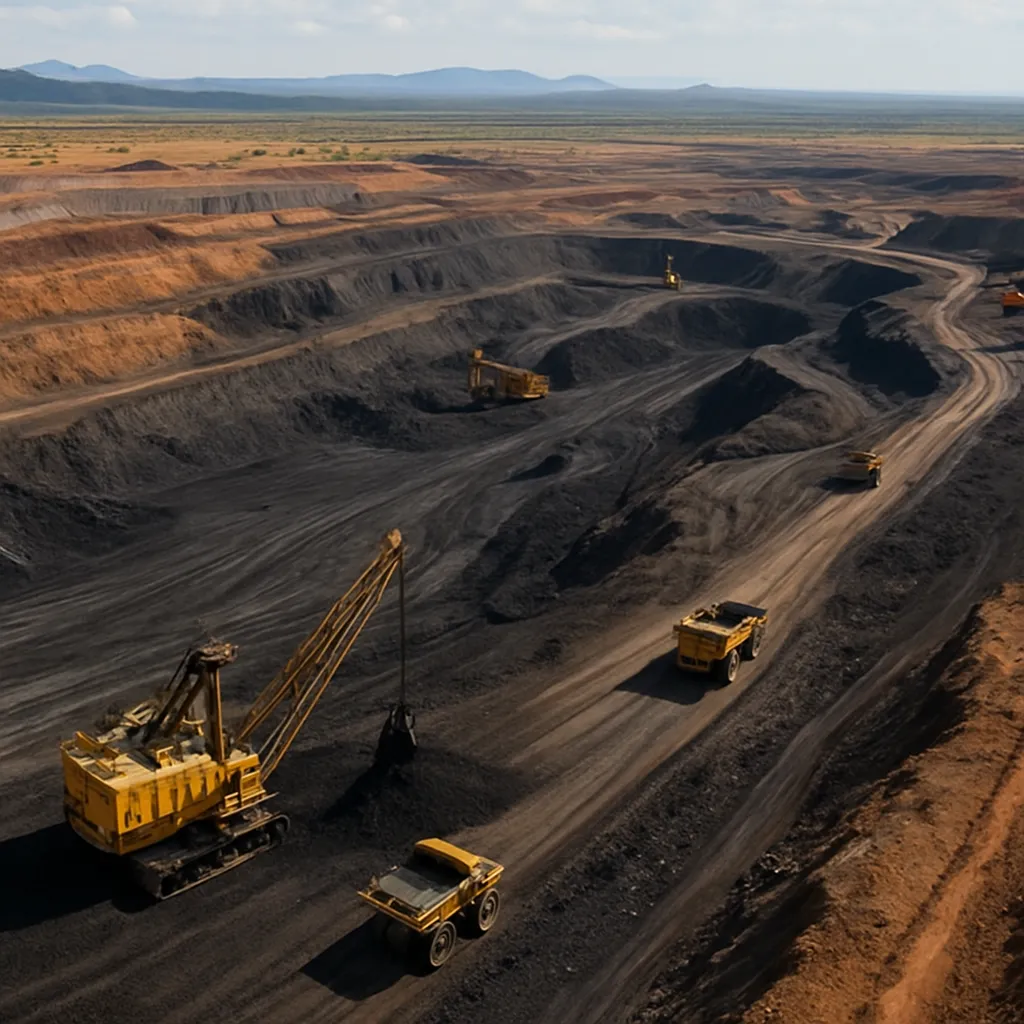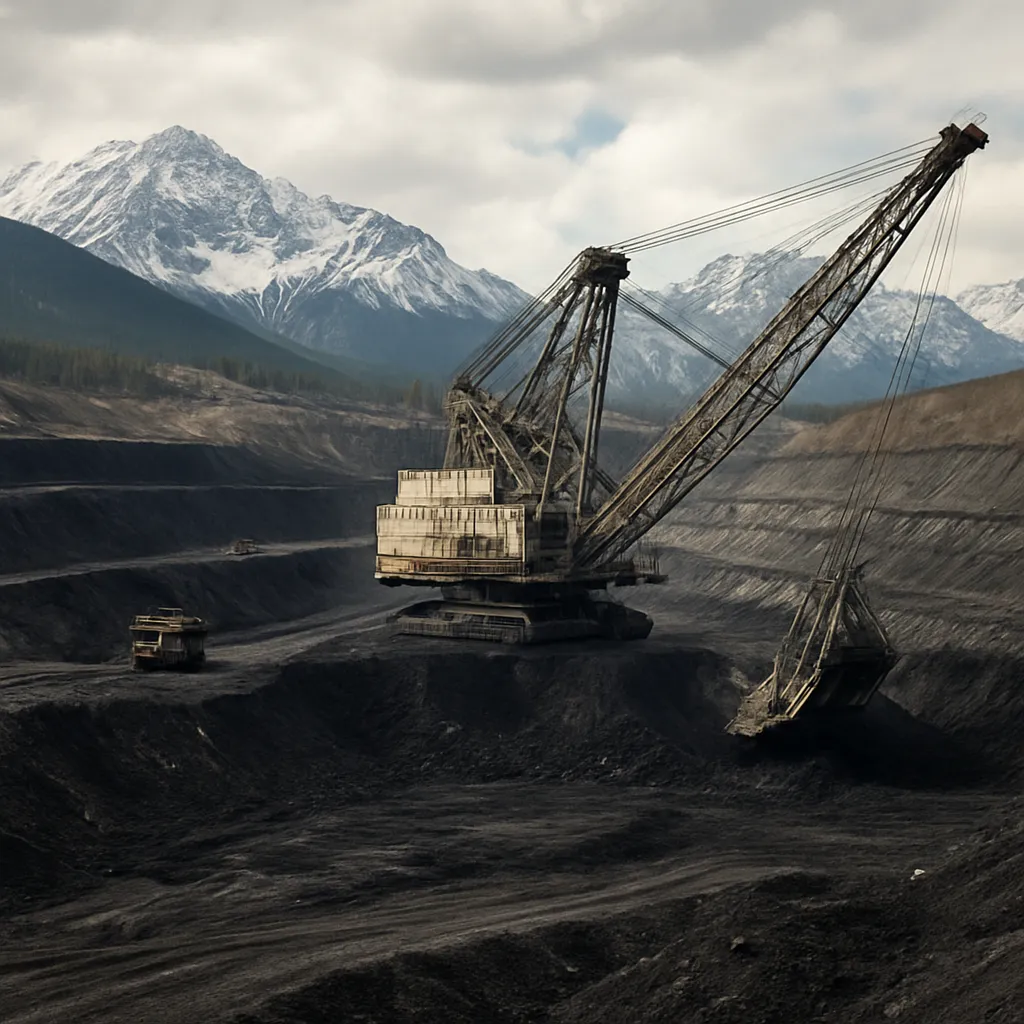
The Wolverine Mine is a coal mining site in Canada that exemplifies many of the geological, economic and social features common to modern Canadian coal operations. This article provides a comprehensive overview of the site: its setting and geology, the types of coal recovered, the methods used for extraction and processing, its role in local and national economies, environmental and regulatory aspects, and prospects for the future. The text aims to synthesize practical information and context that will be useful for readers wanting a substantive picture of the Wolverine Mine and its significance within the Canadian coal industry.
Overview and Location
The Wolverine Mine is part of Canada’s broad coal-producing regions in the western provinces. Situated within a landscape of folded sedimentary basins and ridges, the site is accessible by the provincial road network and, where regional infrastructure exists, by rail connections to coastal ports. The mine operates as a component of local mineral development and typically interacts with other resource activities in the region, including forestry and oil and gas in adjacent zones.
Geography and accessibility are key for any mining project. Wolverine Mine benefits from proximity to existing transportation corridors and service centers, which reduce some of the capital and operating costs associated with remote mining operations. Proximity to communities also shapes project permitting, labor supply and local economic benefits.
Geology and Coal Types
The Wolverine Mine extracts coal from the sedimentary rock sequences that are common to several coal-bearing basins in western Canada. These sequences were deposited during the Carboniferous and younger periods in coastal and fluvial settings. Coal seams in such basins can be laterally extensive but vary in thickness and quality.
Coal rank at mines like Wolverine typically ranges from sub-bituminous to bituminous, depending on burial depth and thermal maturation. In some deposits, higher-ranked seams suitable for metallurgical (coking) uses are present, while other horizons are more suitable for thermal power generation. The coexistence of different ranks within the same mining lease can influence mine planning, product blending and marketing strategies.
Coal quality characteristics that matter for Wolverine-type operations include:
- Calorific value (energy content)
- Volatile matter and fixed carbon
- Moisture and ash content
- Sulfur and trace-element concentrations
These parameters determine the coal’s marketability, required processing steps (e.g., washing), and environmental management measures (such as handling sulfur-rich fines).
Mining Methods and On-Site Processing
Operations at the Wolverine Mine use mining methods selected to match seam geometry, depth and environmental constraints. Two main approaches are common:
- Open-pit (surface) mining — applied when seams are relatively shallow and laterally continuous. It is generally lower-cost per tonne but has a larger surface footprint.
- Underground mining — used when seams are deeper or when reducing surface disturbance is a priority. Techniques can include room-and-pillar or longwall, each with distinct production profiles and safety considerations.
At Wolverine, typical processing steps involve coal handling systems, crushing and screening, and, when appropriate, washing in coal preparation plants to reduce ash and sulfur and to improve product consistency. The choice to produce raw thermal coal, washed thermal coal, or metallurgical coal products depends on market demand and product quality.
Safety systems and worker training are central components of operational planning. Modern mines integrate geotechnical monitoring, ventilation management (for underground workings), dust control, and emergency response procedures. These measures are critical for regulatory compliance and for maintaining workforce health.
Economic and Industrial Significance
The Wolverine Mine contributes to the regional economy in multiple ways:
- Direct employment — mine operations require a range of skilled and unskilled workers, including miners, technicians, engineers and administrative staff.
- Indirect employment — local service industries (transportation, equipment maintenance, catering, and supplies) benefit from mining activity.
- Capital investment — development of the mine supports local contractors and suppliers during construction and expansion phases.
- Government revenues — royalties, taxes and permit fees provide public funds for municipal and provincial services.
From an industrial standpoint, coal from Wolverine-type mines can be destined for domestic power generation, industrial heat applications, and—if metallurgical-quality seams are present—for steelmaking markets. Where export infrastructure exists, coal products can be shipped to international customers, often in Asia-Pacific countries where demand for metallurgical coal for blast furnaces has been strong.
The economic importance of a coal mine is influenced by global commodity prices, exchange rates, and trade logistics. Mines that can supply metallurgical coal often command higher prices than thermal coal producers, while thermal coal markets are more volatile and sensitive to energy policy and competition from natural gas and renewables.
Logistics, Transportation and Market Access
Transport logistics are a critical factor for Wolverine Mine’s viability. Coal is typically moved from the mine site either by truck to a rail siding or directly by conveyor or truck to a barge or port facility where coastal shipping is available.
Rail networks, when available close to the mine, provide cost-effective long-distance transport, particularly for export volumes. Connectivity to ports reduces time-to-market and expands potential customer bases. Where rail links are limited, trucking adds notable cost and environmental impact per tonne transported.
Market access determines whether the mine primarily serves domestic utilities and industries or participates in international export markets. Contract structures, such as spot sales vs. long-term offtake agreements, also shape the financial predictability of mine operations.
Environmental, Regulatory and Social Considerations
Environmental stewardship and regulatory compliance are fundamental in modern mining practice. Wolverine Mine is subject to provincial and federal environmental legislation and must address a range of issues during permitting and operation:
- Water management — control of surface runoff, treatment of mine contact water, and protection of groundwater quality.
- Air quality — dust control, emissions from combustion sources and fugitive particulate matter.
- Land disturbance and reclamation — progressive reclamation plans to restore disturbed areas to a stable and productive post-mining land use.
- Biodiversity — habitat protection measures and mitigations for species at risk where they occur.
- Greenhouse gases — monitoring and reporting of Scope 1 and Scope 2 emissions, and, increasingly, involvement in regional decarbonization initiatives.
Social license to operate is equally important. Engagement with nearby communities, including Indigenous groups where relevant, shapes permitting outcomes and long-term operational stability. Employment and training programs, procurement policies favoring local suppliers, and community investment initiatives are commonly implemented to maximize local benefits.
Regulatory Framework and Permitting
Mines in Canada operate within a multi-layered regulatory environment. Provincial jurisdictions typically manage mining titles, environmental assessment processes, and permitting for water and land use. Federal regulatory oversight applies where projects may affect fish, migratory birds, or Indigenous rights, or where a project triggers requirements under national environmental legislation.
Key components of regulatory compliance for Wolverine-style mines include:
- Comprehensive environmental assessments for major developments
- Water discharge permits and ongoing monitoring
- Regular reporting on emissions and waste management
- Workplace health and safety audits
Operators are expected to maintain strong documentation and community engagement programs to support permit renewals and to respond to evolving policy priorities, such as climate targets or stricter water quality standards.
Economic Resilience and Market Risks
Coal mining is exposed to cyclical commodity markets and shifts in global energy policy. Wolverine Mine’s economic resilience rests on several factors:
- Product mix — mines producing higher-value metallurgical coal or well-washed thermal coal are often more resilient than those producing lower-grade thermal coal.
- Operational efficiency — cost control, fuel efficiency, and modern equipment reduce unit operating costs.
- Diversified markets — access to multiple customers and geographies buffers demand shocks in any single market.
- Flexible logistics — options for rail and port access reduce vulnerability to disruptions on a single transport corridor.
Risks include declines in global steel production affecting demand for coking coal, increased competition from alternative energy sources for thermal coal, and evolving environmental regulations that can add costs or restrict operations.
Reclamation and Closure Planning
Responsible mines integrate closure planning from the earliest stages. Wolverine Mine develops and implements reclamation plans that include progressive land rehabilitation, soil replacement, revegetation with native species, and post-closure monitoring. Financial assurance instruments (bonds or trust funds) are typically required by regulators to ensure funds are available to complete reclamation even if a company ceases operations.
Closure planning also addresses socio-economic transition for host communities. Workforce reduction plans, reuse of infrastructure, and programs to attract new investment in post-mining land uses (e.g., recreation, renewable energy projects or wildlife habitat) are increasingly recognized as important components of sustainable mine closure.
Community and Indigenous Engagement
Meaningful engagement with local communities and Indigenous peoples is a legal and ethical priority. Topics typically covered in engagement programs include:
- Employment and training commitments
- Business opportunities for local contractors
- Environmental monitoring partnerships
- Benefit-sharing agreements and revenue sharing where applicable
Early and continuous consultation helps to identify and manage potential conflicts, build trust and create partnerships that can extend benefits beyond the mine’s operational life.
Data, Statistics and Public Information
Detailed, site-specific production and reserve statistics for individual operations like Wolverine Mine are often available in company technical reports, provincial mining registries or environmental assessment documents. Publicly available datasets at the provincial or federal level aggregate regional coal production, employment figures and economic contributions.
Readers seeking numerical data on Wolverine Mine are encouraged to consult the relevant provincial mining regulator’s records, company technical reports (e.g., NI 43-101 style reports in Canada), and environmental assessment registries for the most current and authoritative figures. These documents typically provide:
- Proven and probable reserve estimates
- Annual production volumes
- Employment numbers and payroll estimates
- Capital and operating cost breakdowns
Note: public reports and regulatory filings are the best source for precise, verifiable statistics for any given mine, including output tonnages, reserve life and economic indicators.
Historical Context and Development Timeline
Coal mining in western Canada has a long history that shaped regional development and settlement patterns. Wolverine Mine follows this tradition, typically progressing through the following stages:
- Exploration and resource definition — geological mapping, drilling and sample analysis to define coal seams and quality.
- Feasibility and permitting — technical, economic and environmental studies support permit applications and investment decisions.
- Construction and commissioning — development of access roads, processing facilities and any required rail or port infrastructure.
- Operations and expansion — steady-state production with potential expansion as markets and reserves allow.
- Closure and reclamation — progressive rehabilitation during operations and formal closure when reserves are exhausted or operations cease.
Each stage involves multi-year planning and significant capital outlays, as well as community consultation and regulatory approvals.
Future Prospects and Industry Trends
The future of mines like Wolverine depends on a combination of geological potential, market conditions and policy environments. Key trends that will shape prospects include:
- Global steel demand and the health of metallurgical coal markets.
- Energy transition pressures and the competitiveness of thermal coal versus gas and renewables.
- Technological improvements in mining efficiency and emissions reduction.
- Stronger expectations for environmental performance, corporate transparency and community partnerships.
Operators that invest in cleaner technologies, maintain strong stakeholder relationships, and are agile in responding to market signals are best positioned to succeed in the evolving resource landscape.
Interesting Facts and Practical Observations
Some points of practical interest about Wolverine-type operations:
- Product diversity — a single site may produce multiple coal products tailored to different markets, improving commercial flexibility.
- Infrastructure value — proximity to rail and port infrastructure often determines a mine’s competitiveness in export markets.
- Workforce skills — mines invest heavily in training and certification, creating a skilled labor pool that can support other regional industries.
- Long timelines — from discovery to full production, mines commonly take many years, even decades, reflecting regulatory, technical and social processes.
Because specific year-on-year production and reserve figures vary by operation and over time, authoritative reports from operators and regulators remain the preferred source for precise statistics about Wolverine Mine.
Conclusion
The Wolverine Mine represents a typical example of a contemporary Canadian coal operation: geologically embedded in coal-rich sedimentary basins, operationally tailored to seam conditions and market opportunities, and economically significant at the local level. Environmental management, regulatory compliance and community engagement are central to its social license to operate. While precise numerical statistics for Wolverine Mine should be drawn from company disclosures and provincial records, the qualitative roles it plays—employment, regional economic stimulus, and contribution to energy and steel supply chains—are clear. The mine’s future performance will be shaped by global commodity dynamics, technological advances, and changing policy priorities related to climate and sustainable development.