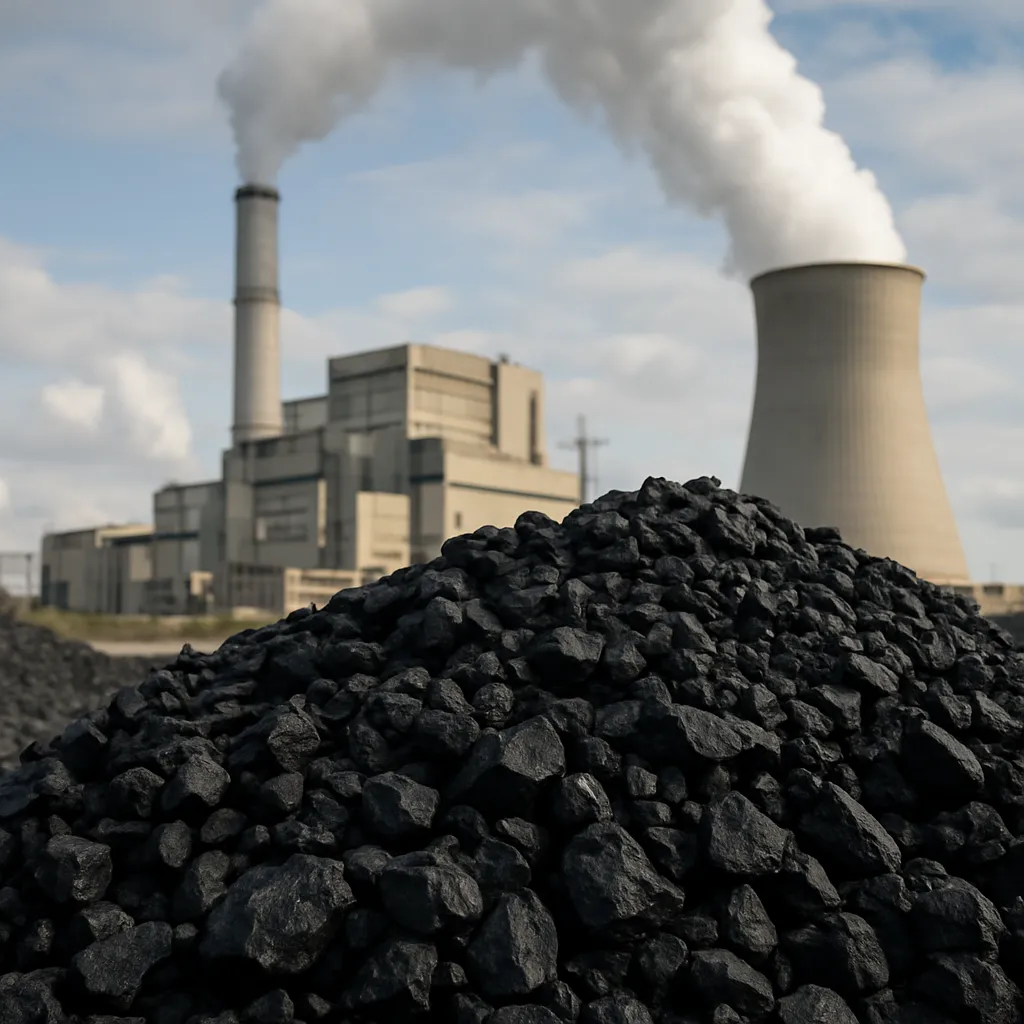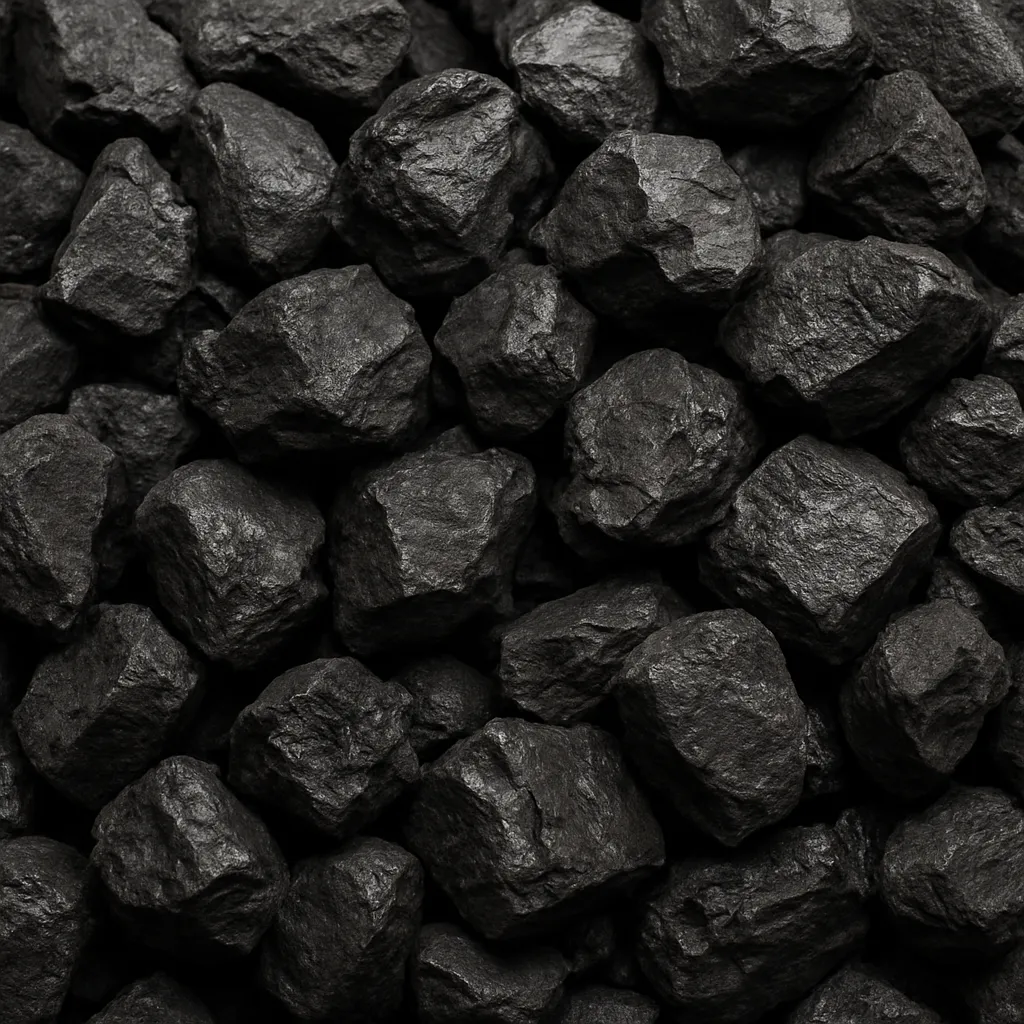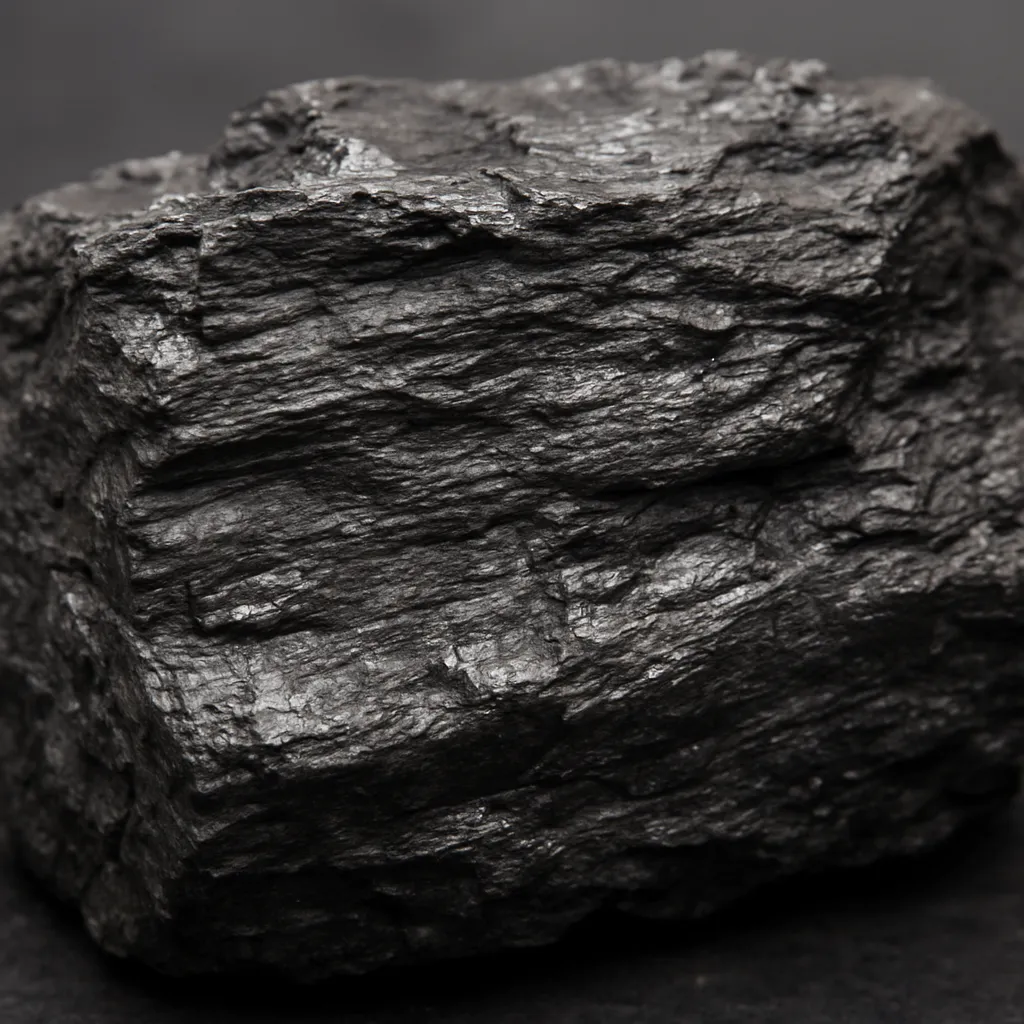
Geologically mature coal represents the high end of the coalification continuum: material that has been subjected to prolonged burial, heat and pressure, and in many cases tectonic deformation and regional metamorphism. This article explores what characterizes such coal, where it is found and mined, its economic and industrial roles, relevant statistics and trends, environmental implications, and possible future trajectories for regions and industries built on or linked to these dense carbon-rich resources. The text aims to provide both geological context and practical information for professionals, students and interested readers.
Geological nature and classification of geologically mature coal
Coal evolves through increasing rank as peat is progressively transformed into lignite, sub-bituminous, bituminous and finally the highest ranks such as anthracite and meta-anthracite, with ultimate stages approaching graphite. The term “geologically mature coal” typically refers to coal that has reached the upper ranks of this scale — especially anthracite and related high-rank forms — because of extended coalification, thermal exposure and/or regional metamorphism. These processes reduce volatile compounds, increase the proportion of fixed carbon, raise the calorific value (energy per unit mass), and change physical properties such as hardness, luster and fracture behavior.
Key measurable properties that distinguish geologically mature coal include:
- High fixed-carbon content (often >86–90% on a dry, mineral-matter-free basis).
- Low volatile matter (typically <10–14%).
- Elevated calorific values — anthracite commonly ranges from roughly 26–33 MJ/kg (higher heating value), although exact ranges vary with composition and basis of measurement.
- Low moisture content and greater density; some very mature coals show semimetamorphic textures.
- Reduced sulfur in many deposits (but not universally), and changes in trace element distribution due to metamorphic reorganization.
From a petrological perspective, mature coals commonly exhibit a dominance of inertinite and microscopically altered vitrinite, with a dark metallic sheen in anthracite. Under higher grades of metamorphism, coal may take on graphite-like properties and lose much of the original maceral structure.
Where geologically mature coal occurs: major basins and geologic settings
Geologically mature coal tends to be concentrated where thick carboniferous or permian coal seams have experienced deep burial and/or tectonic compression and heating. Typical geological settings include fold-thrust belts and orogenic zones where regional metamorphism has affected older Carboniferous and Permian coal-bearing strata. Important examples include:
- Donetsk (Donbass) and nearby eastern Ukrainian/Russian basins — historically important sources of high-rank coals and anthracite.
- Kuznetsk (Kuzbass) in Siberia — large reserves of high-rank and bituminous coal, although not all of it is anthracite.
- Pennsylvania anthracite fields in the United States (Appalachian region) — classic examples of structurally metamorphosed coal seams.
- South Wales and parts of northern England — historically important anthracite and high-rank coal fields in the UK.
- Quang Ninh (Vietnam) and specific localities in China and Korea — pockets of higher-rank coals, sometimes of industrial importance.
- Parts of South Africa and Australia contain high-quality bituminous coals used for metallurgical purposes; true anthracite occurrences are less widespread but present in localized belts.
Geologically mature coal typically occupies older sedimentary basins — Carboniferous-aged in many classic European and North American cases — that were later subjected to deformation. The overlap of thick peat accumulation with subsequent orogenic events is a common recipe for high-rank coal formation.
Mining, processing and physical handling of high-rank coal
Mining geologically mature coals is often technically demanding because such seams are frequently deep, folded, faulted and discontinuous. Methods commonly used include:
- Longwall mining for thick, continuous seams where mechanization can be applied effectively; longwall remains the most productive underground method in modern high-output mines.
- Room-and-pillar and various forms of chamber-and-pillar mining where seam geometry or safety considerations restrict longwall deployment.
- Selective underground mining in highly folded anthracite fields where seams are segmented and industry heritage influences practice.
Processing of high-rank coal may be less intensive in terms of washing for basic calorific improvement than for lower-rank coals, but beneficiation is frequently required to meet strict quality specifications for metallurgical markets or specialty applications. Washing removes mineral matter, ash and sulfur-bearing constituents, improving coke yield for steelmaking and reducing emissions during combustion. For anthracite used in filtration, activated carbon production or niche industrial applications, additional thermal and chemical processing steps are applied.
Economic and statistical overview
Coal remains a major global energy commodity despite strong policy incentives to reduce fossil fuel use. Recent global production figures have varied with economic cycles, energy demand and transitions. In the early 2020s, annual global coal production hovered in the range of roughly 7–8 billion tonnes of hard coal equivalent, with fluctuations driven by power-generation demand in Asia and recovery patterns after the COVID-19 pandemic. Proven global coal reserves have been estimated at on the order of about one trillion tonnes (gigatonne-scale), implying many decades of supply at current production rates — though the useful portion depends on economics, accessibility and policy constraints.
Important statistical and economic points:
- Coal historically accounts for roughly one-third of global electricity generation; the exact share fluctuates by year and region but coal retains a central role in many electricity systems, especially in China, India and parts of Southeast Asia.
- High-rank coal, including anthracite and premium bituminous grades, makes up a relatively small percentage of global production by volume but often a disproportionate share of export earnings because of higher unit value (especially for metallurgical coal used to make coke for the steel industry).
- Metallurgical coal (coking coal) forms a minority of global coal trade by volume — estimates commonly place it in the 10–15% range of trade — yet it is indispensable for blast-furnace steelmaking.
- Coal prices have shown significant price volatility in recent years, with dramatic spikes in 2021–2022 linked to supply constraints, geopolitical tensions and surging demand; such volatility affects energy security calculations, investment in alternatives and mining sector profitability.
Regional economies with high-grade coal often derive significant fiscal revenues, export earnings and employment from mining and associated industries. However, precise contemporary statistics (production volumes by rank, export values, employment numbers) change year-to-year and vary by country — for reliable up-to-date figures, energy agency publications (e.g., IEA), national geological surveys and industry reports are recommended sources.
Industrial importance and applications of mature coals
Geologically mature coals have several industrial uses shaped by their chemical and physical traits:
- Electric power generation: high-rank coal burns cleaner than low-rank lignite in terms of moisture and volatile content per unit of energy, and is valued in certain power stations for stable combustion properties.
- Steelmaking: although coking coals may be bituminous, some higher-rank coals produce premium-quality coke. The production of metallurgical coke remains the single most important industrial use of coal for modern economies requiring steel.
- Industrial carbon products: high-quality anthracite is suitable for carbon electrodes, specialty carbons, and activated carbon used in water and air filtration systems.
- Domestic heating and commercial space heating: anthracite’s high energy density and low smoke emissions made it a domestic fuel historically and still valuable in niche heating markets.
- Chemical feedstocks: coal gasification and coal-to-liquids/chemicals have historically been important where access to oil and gas is limited; modern interest continues for producing hydrogen or synthetic fuels, often combined with carbon capture to reduce emissions.
Environmental, social and policy considerations
Coal — including geologically mature coal — is associated with important environmental and social impacts that shape policy decisions and market dynamics. Prominent issues include:
- Emissions: combustion of coal releases substantial CO2 per unit of energy, making coal a major contributor to global greenhouse gas inventories. High-rank coals emit slightly less CO2 per unit of delivered energy than low-rank coals because of higher calorific value, but the difference does not obviate the climate challenge.
- Air pollutants: sulfur oxides (SOx), nitrogen oxides (NOx), particulate matter and trace elements such as mercury are associated with coal combustion; emission control technologies (scrubbers, selective catalytic reduction, electrostatic precipitators) mitigate impacts but add to plant cost.
- Local environmental legacy: mining causes land disturbance, subsidence, acid mine drainage and water quality impacts. Orphaned mines create long-term stewardship responsibilities.
- Coal mine methane (CH4): methane released during and after mining is a potent greenhouse gas and an occupational hazard; capture for power generation can reduce emissions and provide an energy feedstock.
- Socioeconomic impacts: regions dependent on mining face structural adjustment risks if demand falls; just transition strategies aim to support workers and communities with retraining, economic diversification and social protections.
Policy responses vary: some jurisdictions pursue rapid coal phase-out timetables aligned with national climate goals; others prioritize energy security and employment, extending coal use while investing in emissions controls or carbon capture and storage (CCUS). The economic and political calculus is particularly complex where mature coal supports local economies or national export balances.
Technological responses and future prospects
Looking forward, several technological and market pathways will influence the fate of geologically mature coal:
- Decarbonized power: retrofitting coal plants with IGCC (integrated gasification combined cycle) or CCS can reduce lifecycle emissions, but both options are capital-intensive and deployment has been limited to demonstration and niche commercial projects.
- Hydrogen production: coal gasification for hydrogen production (with CCS) is technically feasible and may be considered where low-cost renewable alternatives are limited. The use and economics depend strongly on policy incentives and carbon pricing.
- Metallurgical transitions: steelmaking is a strategic sector where alternatives to coal-derived coke (direct reduced iron using hydrogen, electric arc furnaces with recycled steel) are gaining traction but will not eliminate the need for some coal-derived products in the near term.
- Value-added uses: converting anthracite and high-quality coals into activated carbons, graphite precursors and specialty carbon products offers pathways to higher-value, lower-volume markets that can extend the economic life of deposits.
- Mine repurposing: depleted mine voids and infrastructure can host pumped hydro storage, geothermal projects or carbon storage solutions, offering options for post-extraction economic activity and site remediation.
Interesting facts, historical notes and regional anecdotes
Some notable points that illustrate the uniqueness and cultural imprint of geologically mature coal:
- Anthracite was once prized in industrializing nations for its high energy density and low smoke; the rise of oil and natural gas, together with cleaner electricity generation, reduced its mass-market use in many regions.
- In some European coalfields, the metamorphism that produced anthracite also complicated mining, leading to smaller, more artisanal operations historically. These regions developed distinct mining cultures and technologies adapted to the harder, more brittle coal.
- Because high-grade coals are relatively rare globally, deposits can have outsized local importance: a single anthracite field may support regional industry, export flows and a long mining heritage.
- Anthracite’s characteristics made it useful for early industrial uses such as blacksmithing and heating of glass and smelting furnaces; its role is now more niche but persists where specific material properties are required.
Concluding observations
Geologically mature coal occupies an important intersection between deep geological history and contemporary industrial practice. While it comprises a small share of global coal volumes compared with lower-rank seams, its high carbon concentration and special properties make it valuable for specific industrial applications — notably in metallurgical processes and specialty carbon products. The long-term economic role of high-rank coal will be shaped by global decarbonization policies, advances in low-carbon industrial processes (including alternative steelmaking routes), and the pace at which technologies such as CCUS and hydrogen production become commercially viable at scale. For coal-dependent regions, the challenge is to manage environmental legacies and pursue economic diversification while capturing any remaining value from mature coals in ways that are consistent with climate and public health objectives.