The Wara Coal Mine in Indonesia is one of many mining sites contributing to the country’s significant role in the global coal market. This article examines the mine’s location, geological setting, the type of coal typically produced in the region, its operational and economic context, environmental and social implications, and the broader importance of such mines for Indonesia and global energy markets. Because mine-level public data are sometimes limited, the article combines specific known features of Indonesian coal mining with contextual and comparative information to give a comprehensive picture of Wara and mines like it.
Location and Geological Setting
The Wara Coal Mine is situated within Indonesia, a country composed of thousands of islands stretching across Southeast Asia and Oceania. Indonesia’s most productive coal provinces include **Kalimantan** (the Indonesian part of Borneo), **Sumatra**, and parts of Sulawesi and Papua. Mines called Wara or with similar names are typically associated with these coal-bearing regions. The geology of such areas is characterized by Tertiary-age sedimentary basins where organic-rich sediments were buried and altered into coal seams over millions of years.
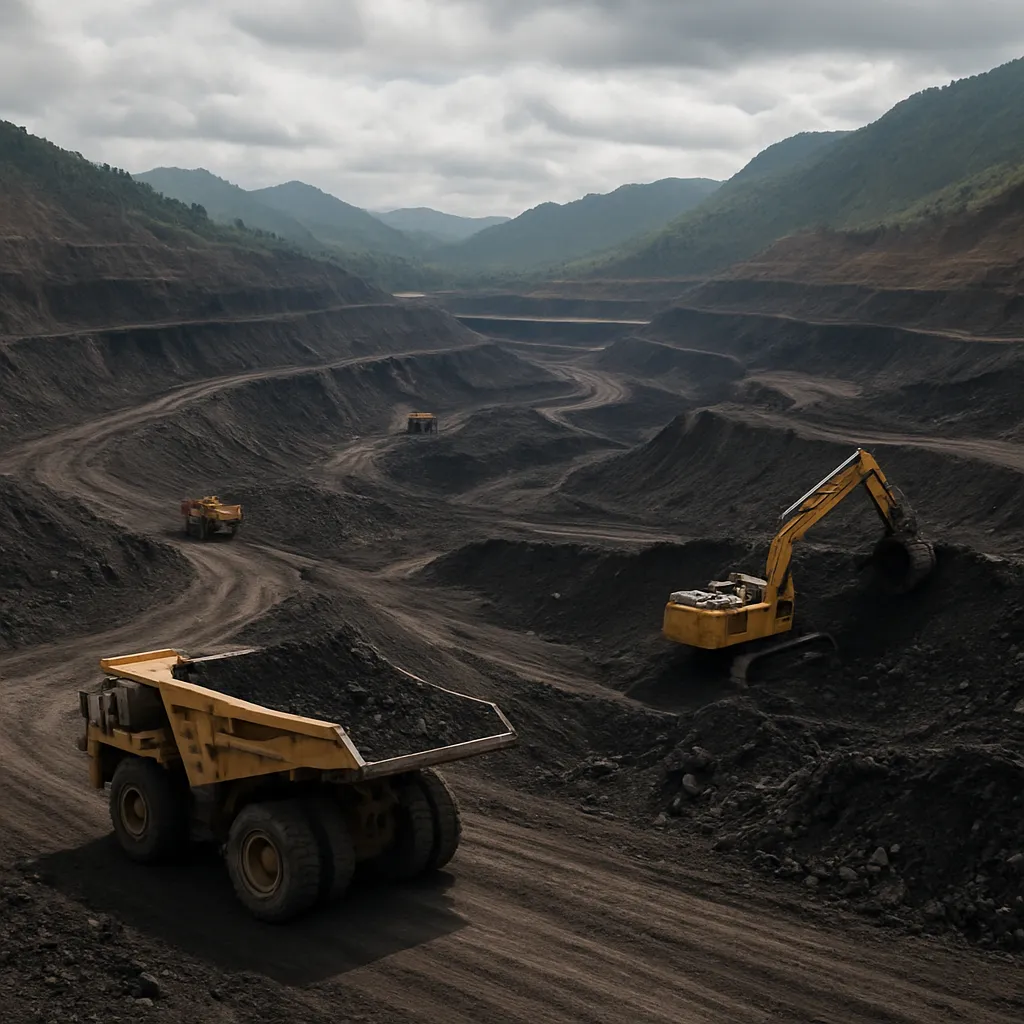
The coal-bearing formations in Indonesia commonly occur in continental to marginal marine depositional environments. These settings produce coal seams that vary in thickness, depth and lateral continuity. In many Indonesian basins, seam depths allow economical open-pit (surface) mining, which is the dominant method used in the region for large-scale coal extraction.
Type of Coal Extracted and Quality Characteristics
Most commercial coal produced in Indonesia is used for power generation and other thermal applications. The coal types from Indonesian mines are mainly **thermal** coals, generally falling into the sub-bituminous to low-volatile bituminous rank. Typical quality characteristics for coal from these regions include:
- Calorific value often in a range suitable for power plants (many Indonesian coals have calorific values roughly in the medium range when compared globally).
- Relatively low sulphur and low ash content compared with some other major coal producers, which has been one factor in Indonesia’s attractiveness as an export source.
- Variable moisture and volatile matter content depending on deposit and seam depth.
For a mine like Wara, coal would typically be marketed as **thermal coal** for domestic power plants and export customers. The precise calorific value and elemental composition for Wara-specific seams may not always be publicly disclosed, but regional analogues suggest coals that are competitive on the seaborne market for electricity generation.
Mining Operations, Methods and Logistics
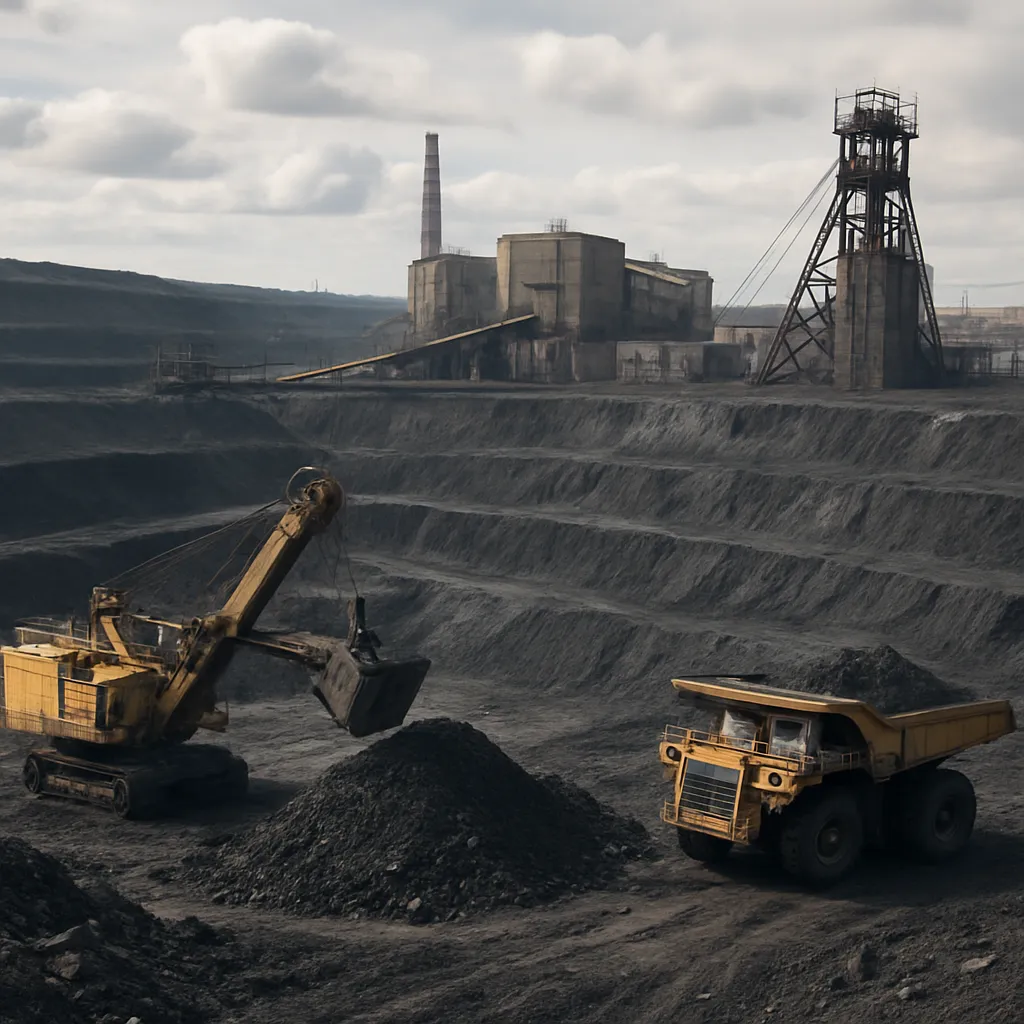
Operations at medium to large Indonesian coal mines typically employ open-pit mining techniques. Common operational elements include:
- Stripping overburden using excavators, bulldozers and drilling/blasting where needed.
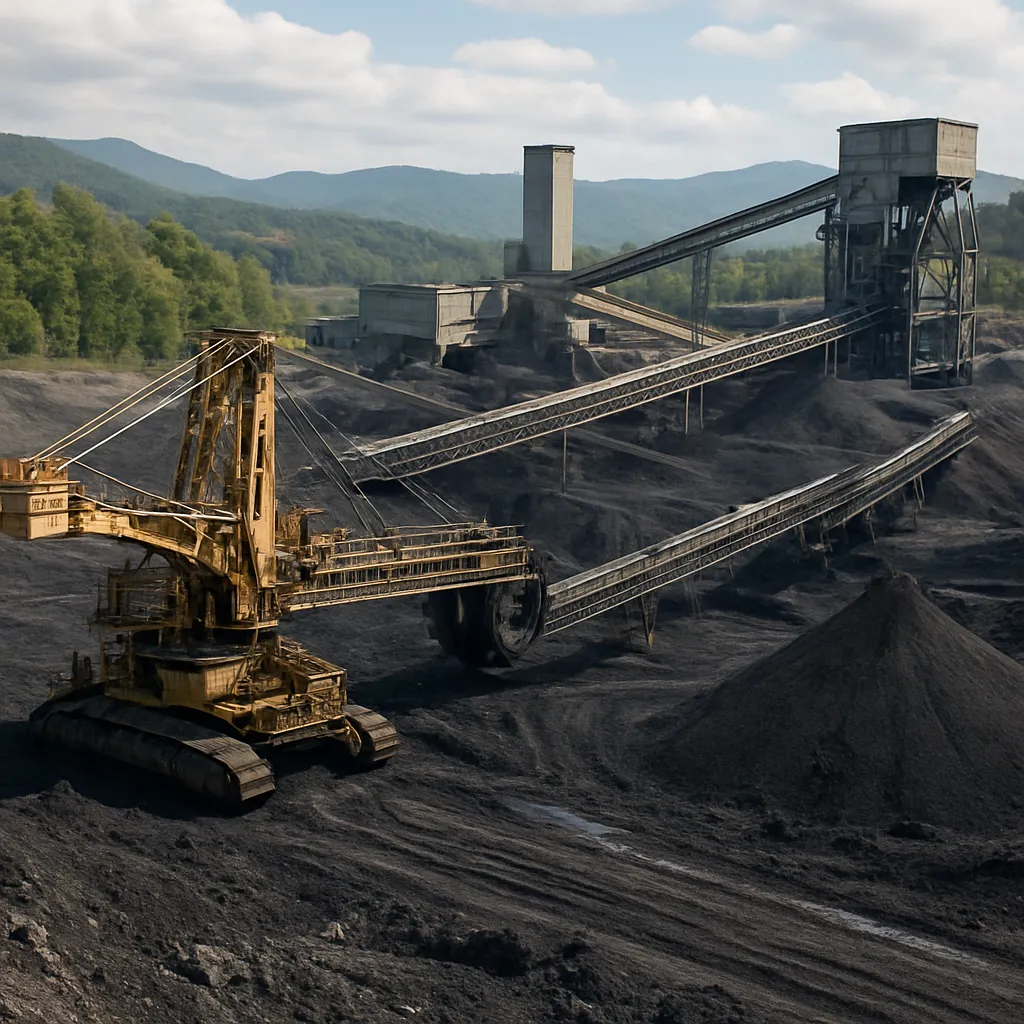
- Loading coal into haul trucks or onto conveyor systems; some larger mines use expansive conveyor systems to port facilities.
- Processing at surface facilities to remove oversized material and blend different seams to meet client specifications.
- Transport logistics involving internal haul roads, barging systems (especially in Kalimantan where rivers are used), and trucking to coastal transshipment hubs or directly to export terminals.
Ports and transshipment infrastructure are essential. Indonesia’s position as a major seaborne coal supplier relies on a well-developed network of minor ports, terminals and large export facilities. Mines such as Wara may feed into regional export chains that serve markets across Asia.
Economic and Statistical Context
Indonesia is a major player in the global coal market, particularly in the seaborne traded coal sector. The national industry provides significant revenues through exports, royalties, taxes and local spending. Mines like Wara contribute to:
- Government revenues via royalties, taxes and permits.
- Local and regional employment—both direct (mine staff, contractors) and indirect (services, logistics, community suppliers).
- Infrastructure development, including roads, ports, and power facilities, frequently prompted by mining activity.
Exact production figures for the Wara Coal Mine itself may not be widely published in open-source material. At the national level, Indonesia’s coal output and export volumes fluctuate year to year according to global demand, domestic policy and market prices. Historically, Indonesia has regularly been among the world’s largest exporters of thermal coal, supplying major markets in East and South Asia. The economic importance of coal to Indonesia can thus be viewed in both micro terms (local economies around mines) and macro terms (foreign exchange and national energy supply).
Key economic metrics commonly used when assessing mines like Wara include mined tonnage per year, average selling price per tonne, cash costs and all-in sustaining costs, royalty and tax burdens, and port logistics costs. Although mine-level numbers are often commercially sensitive, these indicators collectively determine the mine’s profitability and contribution to the broader economy.
Role in National and Regional Energy Supply
Thermal coal from mines such as Wara plays a role in meeting Indonesia’s own electricity needs and in serving export customers. Several points are notable:
- Domestic power: Indonesia continues to expand electricity access and generation capacity. Coal-fired power plants remain a major part of the generation mix due to the relative cost-competitiveness of coal in many settings.
- Export markets: Indonesian thermal coal historically finds markets in **China**, **India**, **Japan**, **South Korea**, and Southeast Asian countries—depending on relative pricing and quality needs.
- Supply chain integration: Mines are part of vertically integrated chains that can include mine operators, traders, shipping firms and end-users, which all influence price and delivery reliability.
Because of their role in electricity generation, coal mines underpin aspects of regional industrialization and household energy access, although this contribution is balanced against environmental and climate concerns described below.
Environmental and Social Considerations
Coal mining, including operations like Wara, raises a series of environmental and social issues that require careful management:
- Land use and deforestation: Clearing for open-pit mining can remove vegetation and change landscapes, especially in tropical settings with high biodiversity.
- Water resources: Mining and associated processing can affect surface and groundwater through sedimentation, changes in drainage patterns and potential contamination.
- Air quality: Dust from stripping, handling and transport can affect communities, and combustion of coal produces air pollutants at power plants.
- Greenhouse gas emissions: Both mining operations and the combustion of coal contribute to CO2 emissions—an important consideration in global climate policy.
- Community impacts: Local communities may benefit from jobs and infrastructure but can also face displacement, changes to livelihoods (e.g., fisheries and agriculture) and social disruption.
To mitigate these issues, modern mines implement environmental management plans and corporate social responsibility programs. These practices typically include progressive **rehabilitation** of disturbed areas, water management systems, dust control, community engagement and benefit-sharing mechanisms. The effectiveness of such measures varies widely by operator and regulatory enforcement.
Regulation, Ownership and Investment Climate
Indonesia’s mining sector is regulated at national and regional levels. Licensing, environmental approvals, royalty regimes and local content rules shape the investment climate. Foreign and domestic investors participate in the sector; joint ventures and majority-owned local companies are common structures.
Regulatory shifts and global market conditions influence investment decisions. For example, policies aimed at securing greater domestic use of coal, or changes in export duties and royalties, can alter the economics of specific mines. Investors also watch global decarbonization trends and the energy transition, adjusting strategies to manage long-term demand risk for thermal coal.
Technological and Operational Innovations
Mines that remain competitive often use technological innovations to reduce costs and environmental impacts. Examples include:
- Automation and fleet management systems to optimize hauling and reduce fuel consumption.
- Advanced geological modeling and remote sensing to better delineate reserves and reduce waste stripping.
- Efficient coal handling and washing facilities to improve product quality and reduce ash content delivered to customers.
- Water recycling and sedimentation control to minimize freshwater usage and downstream sediment loads.
Adoption of such technologies can improve safety, lower operational costs, and help companies meet stricter environmental standards demanded by domestic regulators and international customers.
Social Benefits and Local Development
Coal mines often bring notable social and economic benefits to their host regions. These may include:
- Employment opportunities for local residents and for specialized technical staff.
- Development of roads, power and communications infrastructure driven by mine operations.
- Investment in local services such as schools, clinics and small business support through community development programs.
However, realizing long-term local benefits requires careful planning and coordination between companies, local governments and communities, including skills training and support for post-mining economic diversification.
Statistical Observations and Data Availability
While national coal production and export statistics for Indonesia are widely reported by government agencies and international energy organizations, detailed, up-to-date, public data for individual mines like Wara can be limited due to commercial confidentiality and variable reporting practices. Analysts typically rely on company disclosures, government mine registries, customs and port data and satellite monitoring to estimate mine-level output.
For those seeking numerical context, useful nationally oriented statistics include production volume trends, export tonnages and average realized prices—figures that illustrate the market environment in which mines such as Wara operate. Additionally, metrics such as employment counts, royalty and tax contributions, and rehabilitation areas reclaimed give a fuller picture of a mine’s footprint when they are reported.
Challenges and Risks
Mines face several risks that can affect their viability:
- Volatile commodity prices: Thermal coal prices can swing with global demand, affecting revenue and investment plans.
- Policy and regulatory changes: Shifts in mining law, royalties, export duties or domestic-use mandates can materially affect project economics.
- Environmental and social opposition: Local opposition, stricter environmental permits or litigation can create delays or additional costs.
- Long-term demand uncertainty: Global decarbonization and increasing competitiveness of renewables may suppress long-term demand growth for thermal coal.
Managing these risks requires strong stakeholder engagement, financial resilience and adaptability in operational strategy.
Future Outlook and Strategic Importance
Looking ahead, the strategic role of mines like Wara will be shaped by several interacting trends:
- Short-to-medium-term demand for thermal coal in many Asian markets remains significant, sustaining export opportunities.
- Longer-term demand depends on the speed of energy transition and how quickly coal power is replaced by lower-carbon alternatives.
- Domestic Indonesian energy policy—balancing revenue generation, employment and energy security with climate commitments—will influence how mines operate and are regulated.
- Investment in mine rehabilitation and community development will be central to ensuring a sustainable legacy after mining ceases.
Ultimately, the Wara Coal Mine, like many Indonesian mines, sits at the intersection of economic development and environmental stewardship. Its continued operation will depend on market dynamics, regulatory frameworks and the ability of operators to adopt more efficient and less impactful practices.
Interesting and Lesser-Known Aspects
Several interesting aspects often accompany Indonesian coal mines and are relevant to Wara-style operations:
- Seaborne logistics innovation: Many Indonesian mines use barges and transshipment systems to reach deep-sea vessels, an approach shaped by the archipelagic geography.
- Coal blending practices: Producers commonly blend coals from different seams to meet customer specifications, using stockpile management and processing to tailor calorific value and ash content.
- Satellite monitoring: Independent observers increasingly use satellite imagery to monitor active mines, track changes, and estimate production when official data are lacking.
- Rehabilitation techniques: In tropical climates, mine rehabilitation increasingly uses native species and landscape design to restore biodiversity and create alternative land uses post-mining (agroforestry, community forestry, etc.).
These operational nuances demonstrate how mining practice adapts to local conditions and global market pressures.
Summary
The Wara Coal Mine is emblematic of Indonesia’s broad coal-mining sector: geologically endowed, operationally oriented toward open-pit extraction of **thermal** coal, and integrated into large seaborne export chains. Mines like Wara deliver substantial economic benefits including jobs, revenue and infrastructure development, while also presenting environmental and social challenges that require active management. Although mine-level statistics can be limited in public sources, the national context shows Indonesia as a major coal producer and exporter, with an industry undergoing both operational modernization and increasing scrutiny amid global decarbonization trends. The long-term future of Wara and its peers will be determined by their ability to reconcile immediate economic roles with evolving environmental responsibilities and shifting global energy markets.