The Sohagpur Coalfield is one of the lesser-known yet regionally important coal basins in central India. Located in the central Indian plateau, it contributes primarily to the country’s thermal coal supply used for power generation and local industry. This article examines the coalfield’s location and geology, the nature and quality of its coal, mining and operational methods, its economic and industrial significance, environmental and social dimensions, infrastructure and logistics, and future prospects and challenges. The aim is to provide a rounded, factual and practical overview that will be useful to researchers, students, industry observers and policy-makers interested in India’s coal sector.
Location and geological setting
The Sohagpur Coalfield is situated in central India, within the state of Madhya Pradesh and extending into neighbouring areas of the central Indian region. It forms part of the broad Gondwana coal-bearing provinces that run across peninsular India. The geology of the field is characteristic of India’s Gondwana basins, with coal seams hosted in Permian–Triassic sedimentary sequences; these sequences typically include sandstones, shales and carbonaceous strata that have preserved economically exploitable coal layers.
Geologically, the coal-bearing horizons in the Sohagpur area are often intercalated with fluvial and lacustrine sediments, indicating ancient river and swamp environments where organic matter accumulated and ultimately transformed into coal. The coal seams vary in thickness and depth; some seams are thin and discontinuous while others are thicker and more continuous, which influences the choice of mining method (surface versus underground). The structural setting includes gentle folds and faults in places, affecting seam continuity and extraction planning.
Coal characteristics and reserves
The coal extracted from Sohagpur is predominantly non-coking, or thermal coal, which is mainly used for electricity generation and various thermal industrial processes. The rank of coal in Sohagpur tends to be in the lower to middle range—often described as sub-bituminous to high-volatile bituminous in different parts of the field. These coals typically have moderate to high moisture, variable ash content and calorific values that make them suitable for local thermal power stations and some industrial boilers.
Chemically and petrographically, the coals display typical Gondwana characteristics: appreciable volatile matter, variable fixed carbon and mineral matter (ash), and the presence of inherent sulfur usually in low to moderate concentrations. The exact coal quality parameters (gross calorific value, ash percentage, moisture, fixed carbon, volatile matter and sulfur content) can vary across seams and blocks; analysis by mining companies and geological agencies is usually carried out before development of any new mine to determine economic viability.
As with many Indian coalfields outside the major producing basins, the precise reserve and production figures vary across reports. Estimates for the field’s geological and mineable reserves reported by regional surveys and company assessments generally place resources in the scale of many millions to several hundreds of millions of tonnes, with actual economically extractable reserves depending on seam thickness, depth, quality and accessibility. For planning and commercial activities, operators typically classify reserves into proved, indicated and inferred categories following standards used across the Indian coal sector.
Mining methods and operations
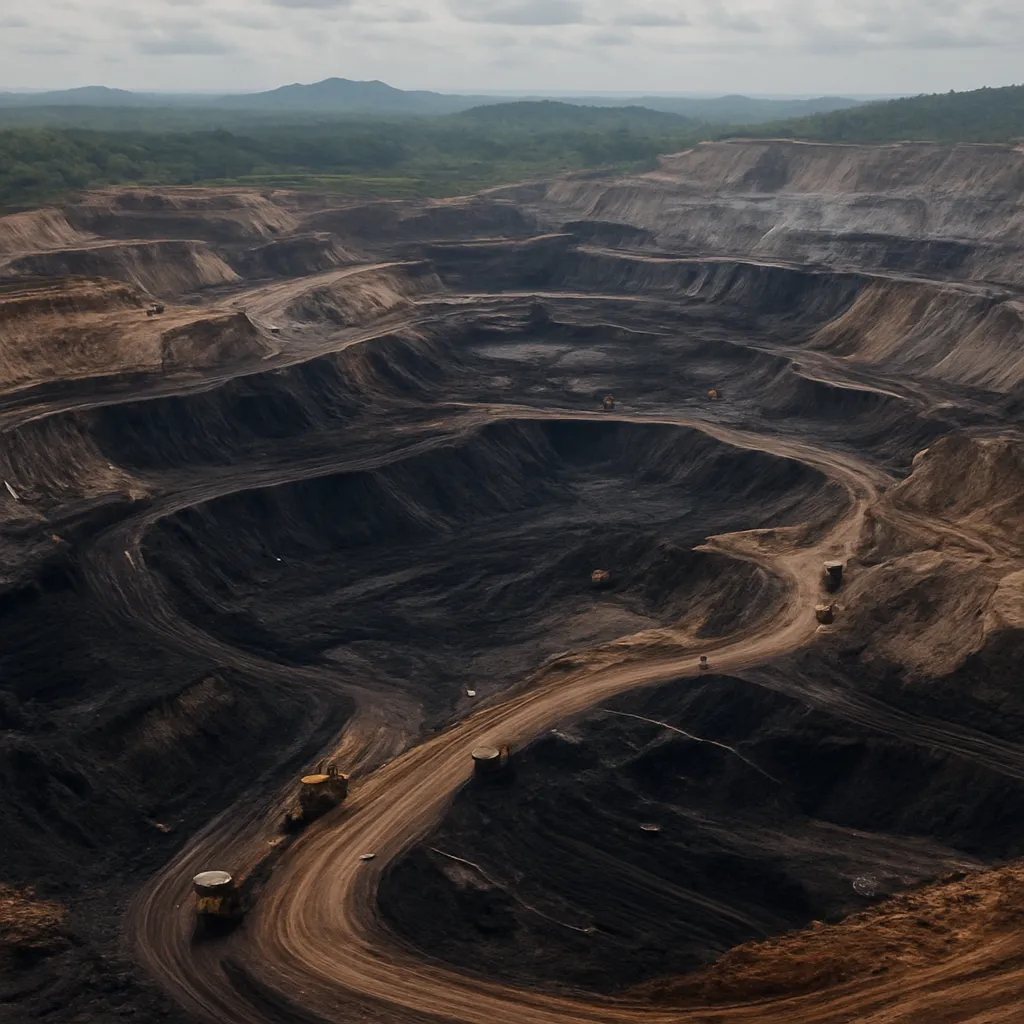
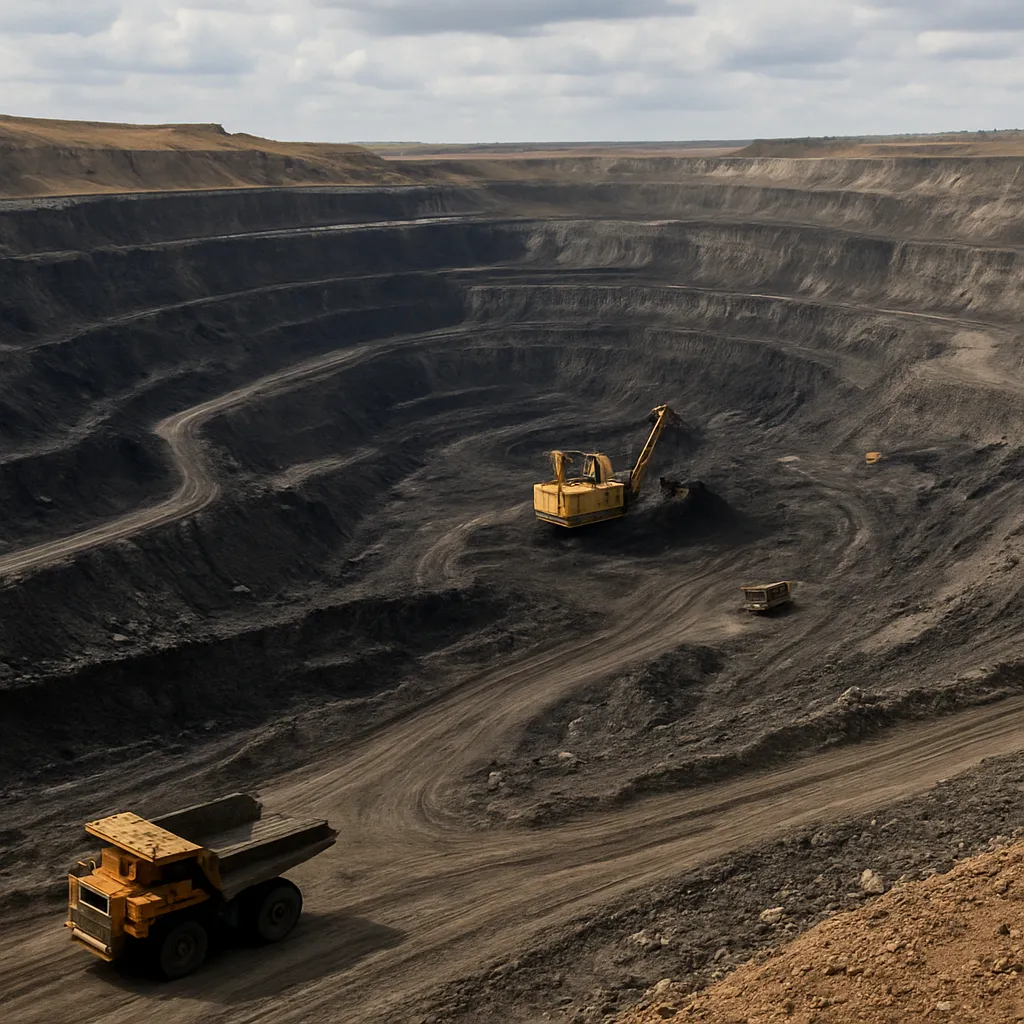
Mining activity in and around the Sohagpur Coalfield has traditionally used a combination of opencast (surface) and underground methods depending on seam depth, thickness and quality. Where seams are shallow and continuous, opencast mining is favourable due to lower extraction costs and higher productivity. In deeper or structurally complex parts of the field, underground methods are used, though these are generally smaller-scale and more labour-intensive.
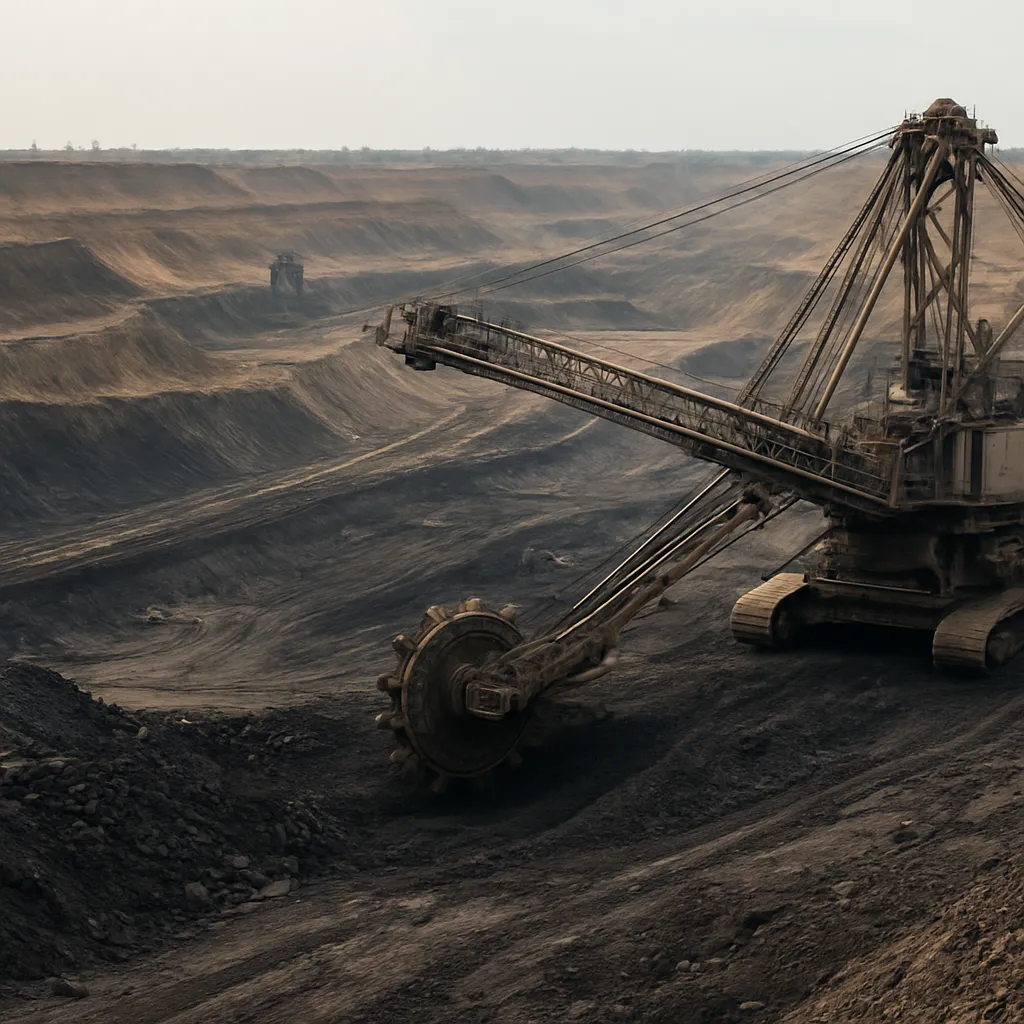
Opencast operations employ conventional equipment such as shovels, draglines, hydraulic excavators and trucks for overburden removal and coal haulage. Progressive mechanization has improved productivity in many Indian coalfields; however, local factors (terrain, water, community proximity) can limit scale-up. Underground operations in the area commonly use bord-and-pillar and other room-and-pillar techniques suited to the seam geometry and rock strength; wherever feasible, mechanized underground systems (continuous miners, longwall methods) are evaluated to increase recovery and safety.
Mine planning in Sohagpur emphasizes drainage, control of groundwater inflow, proper handling of overburden and tailings, and measures to limit spontaneous heating in large stockpiles—an important consideration in Indian coals with appreciable volatile content. Environmental management plans, progressive reclamation of opencast faces and adoption of modern safety systems have been increasingly integrated into operational practices.
Economic and industrial significance
Sohagpur’s principal economic role lies in supplying thermal coal for regional power plants, small- and medium-scale industries, and local enterprises (brick kilns, cement and small metallurgical units where applicable). Though not among India’s largest coalfields, its contribution is strategically important for the energy security of regional grids and for reducing reliance on long-distance coal transport. Local mining operations generate direct employment and create indirect economic activity in transport, services and ancillary industries.
Coal from Sohagpur typically feeds regional power stations and sometimes local captive power units. The proximity of coal to end-users reduces logistics costs compared with coal transported from distant, larger coalfields. For state and central budgets, royalties, taxes, and revenue from mineral leases bring fiscal benefits; for communities, wages and local procurement support livelihoods. The field’s role is thus both economic and socio-industrial.
At the national level, coal remains a backbone of India’s energy matrix. Coal contributes roughly 60–75% of India’s electricity generation (figures vary year by year and by measurement basis), and national coal production has been in the range of several hundred million tonnes to nearly a billion tonnes annually in recent years. In this context, regional fields such as Sohagpur complement larger basins by providing steady supplies for nearby demand centers.
Employment, social impact and local economy
Mining operations in Sohagpur provide employment to a number of skilled, semi-skilled and unskilled workers. The industry supports local employment directly (miners, technicians, engineers, administrative staff) and indirectly through transporters, suppliers, local markets and service providers. In many mining districts, the presence of coal activity stimulates local businesses—shops, housing, schools and healthcare services—though this pattern can vary widely depending on the scale and management of mining operations.
Social impacts include changes in land use, displacement or resettlement in cases of larger surface mines, and shifts in traditional livelihoods such as agriculture and forest-based activities. Companies and government authorities typically implement resettlement and rehabilitation (R&R) programs to address displacement, and social development initiatives aimed at education, health and skill development are often part of corporate social responsibility (CSR) measures. The effectiveness of such programs varies and is an ongoing policy and governance challenge.
Infrastructure, logistics and connectivity
Connectivity and transport infrastructure are crucial for coal mining economics. Sohagpur’s logistical value depends on the availability of road and rail links to power plants and industrial consumers. Where mine-mouth plants are present or where mines are close to railway sidings, transport costs are lower and coal is competitive. Coal is transported by road in smaller volumes and increasingly by rail for larger bulk movements. The expansion of rail infrastructure, improvement of haul roads, conveyor systems and handling facilities directly improves the cost-efficiency of coal delivery.
On-site handling infrastructure (crushers, washery plants, stockyards and loading facilities) often determines the delivered quality of coal. Washery facilities can upgrade coal quality by removing ash and inert matter, improving calorific value and reducing transportation of inert mass. For many central Indian fields, building and maintaining such facilities is a priority to meet the quality requirements of modern thermal power units and to reduce emissions per unit of electricity generated.
Environmental considerations and mitigation
Mining in Sohagpur, as elsewhere, has environmental impacts that require careful management. The most significant concerns include land disturbance, deforestation, changes to water regimes, dust and air emissions, noise, and the handling of spoil and tailings. Opencast mining particularly affects land use, requiring robust reclamation and progressive rehabilitation to restore productive land or to establish other ecological uses post-mining.
Water management is critical because mining can alter groundwater tables and surface water flows. Proper drainage systems, controlled dewatering, sediment control and treatment of mine effluents are essential to prevent contamination of local water resources. Air quality management—through dust suppression, covered conveyors, green belts around operations and stricter emission controls at associated thermal plants—reduces health risks for local communities.
Rehabilitation often includes progressive backfilling of excavated areas, topsoil management, planting of native vegetation and creating alternate livelihoods through agroforestry or community projects. Environmental impact assessments (EIAs), regular monitoring, public consultations and compliance with statutory environmental clearances are standard requirements for modern mining projects in India.
Health and safety
Worker health and safety is a major operational priority. Mines in the Sohagpur region follow national safety codes governing mine ventilation, roof support, handling of explosives, emergency preparedness and personal protective equipment (PPE). For underground operations, controlling methane emissions, providing adequate ventilation and monitoring are essential to reduce the risk of gas explosions and occupational hazards. Training, medical facilities and monitoring of occupational diseases (including respiratory conditions) form an integral part of health and safety programs.
Regulation, ownership and administration
Coal mining in India is regulated through a combination of central and state laws, licences and clearances. Land acquisition, environmental clearance, mining lease permissions and royalty arrangements are administered under statutory frameworks. In practice, operations in areas like Sohagpur are undertaken by a mix of state-backed companies, private operators (where licences are granted) and sometimes joint ventures or captive mines for industrial users. The role of national players such as Coal India and its subsidiaries is central to many Indian coal projects, but smaller fields often involve local operators or state-level arrangements.
Statistical perspectives and production context
Precise, up-to-date production and reserves statistics for Sohagpur can vary by source and year. Publicly available reports from geological surveys and company disclosures sometimes provide block-wise and basin-wise numbers; however, these figures are periodically revised as new exploration, re-evaluation and mining activity alter the estimate base. Generally, Sohagpur is considered a medium-sized regional coalfield with resources sufficient to sustain local supply chains over multiple decades at current extraction rates, contingent on ongoing investment and responsible management.
For broader context, India’s coal sector in the recent decade has shown the following trends: rising annual production to meet rapidly growing electricity demand, a strong policy push for domestic mining, and incremental modernization of existing mines. Coal still accounts for the majority share of electricity generation nationally, and regional coalfields contribute to energy security by limiting the need for long-distance haulage from the largest basins to isolated demand centres.
Challenges and opportunities
Key challenges for the Sohagpur Coalfield include:
- Balancing extraction with environmental protection and sustainable land use.
- Improving coal quality and reducing ash through washing and beneficiation to meet modern power plant standards.
- Addressing social concerns such as displacement and ensuring that local communities benefit from mining activities.
- Modernizing mining techniques to increase recovery while reducing safety risks.
- Adapting to changing national energy policies, including shifts toward renewables while ensuring baseload stability from thermal sources.
These challenges also create opportunities: to invest in cleaner coal technologies, improve reclamation and community development programs, deploy mechanization and digital tools for safer and more efficient mining, and integrate coal operations into a broader regional development plan.
Future prospects and strategic role
The future role of Sohagpur Coalfield will be shaped by India’s energy mix evolution, local economic development strategies and investments in mining efficiency and environmental safeguards. In the near to medium term, regional coalfields like Sohagpur will remain important suppliers of thermal coal for grid stability and industrial needs. Strategic investments in logistics, washeries and mine modernization could enhance the field’s value by improving coal quality, reducing transport costs and lowering the environmental footprint per tonne of coal produced.
Longer-term prospects will depend on how fast renewable energy, energy storage, and efficiency improvements reduce thermal coal demand. Even as demand patterns evolve, coalfields with good-quality accessible seams, supportive infrastructure and strong governance can continue to play a transition role—providing energy security while implementing progressive environmental and social measures.
Interesting facts and contextual notes
Some noteworthy points about Sohagpur and similar central Indian coalfields:
- Sohagpur forms part of the extensive Gondwana coal system that underpins much of India’s coal wealth—these coal measures are geologically ancient and built up in swampy environments hundreds of millions of years ago.
- Coal quality within the field is heterogeneous—this spatial variation necessitates careful mine planning and, where economically viable, washery treatment to meet customer specifications.
- Smaller regional coalfields often have strategic local importance disproportionate to their size because they shorten logistics chains and supply local power generation needs more reliably than distant supplies.
- Modernization (mechanization, real-time monitoring, advanced ventilation) offers major gains in safety and productivity for both opencast and underground operations in such fields.
Conclusion
The Sohagpur Coalfield is a regionally significant coal resource in central India, providing important supplies of thermal coal to nearby power plants and industries. While not among the nation’s largest basins, its contributions to regional energy security, local economies and employment are meaningful. The field presents familiar challenges—environmental impacts, social concerns and the need for modernization—but also opportunities to enhance sustainability and efficiency through improved practices, beneficiation, regulatory compliance and community engagement. Understanding Sohagpur requires attention to geology, mining economics, logistics and the socio-environmental context, all of which determine how the field will evolve in the decades ahead.