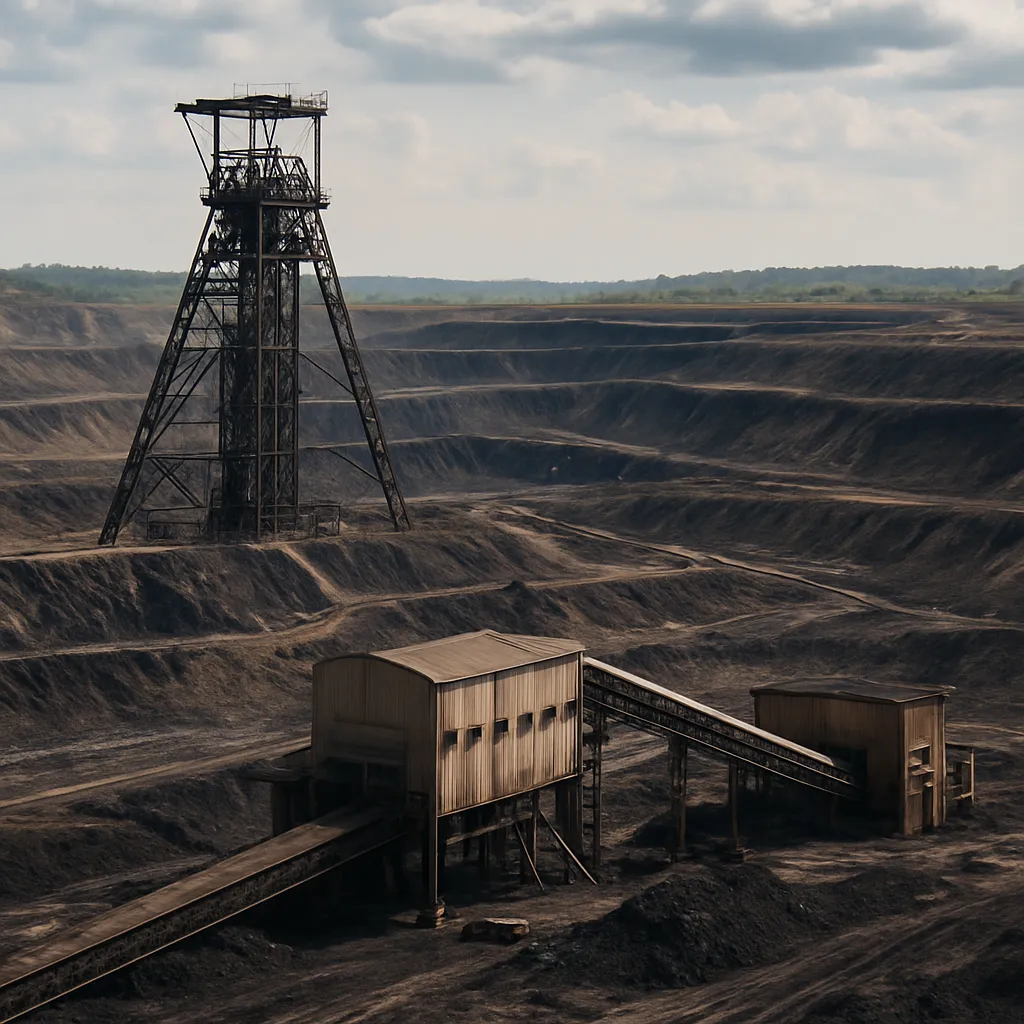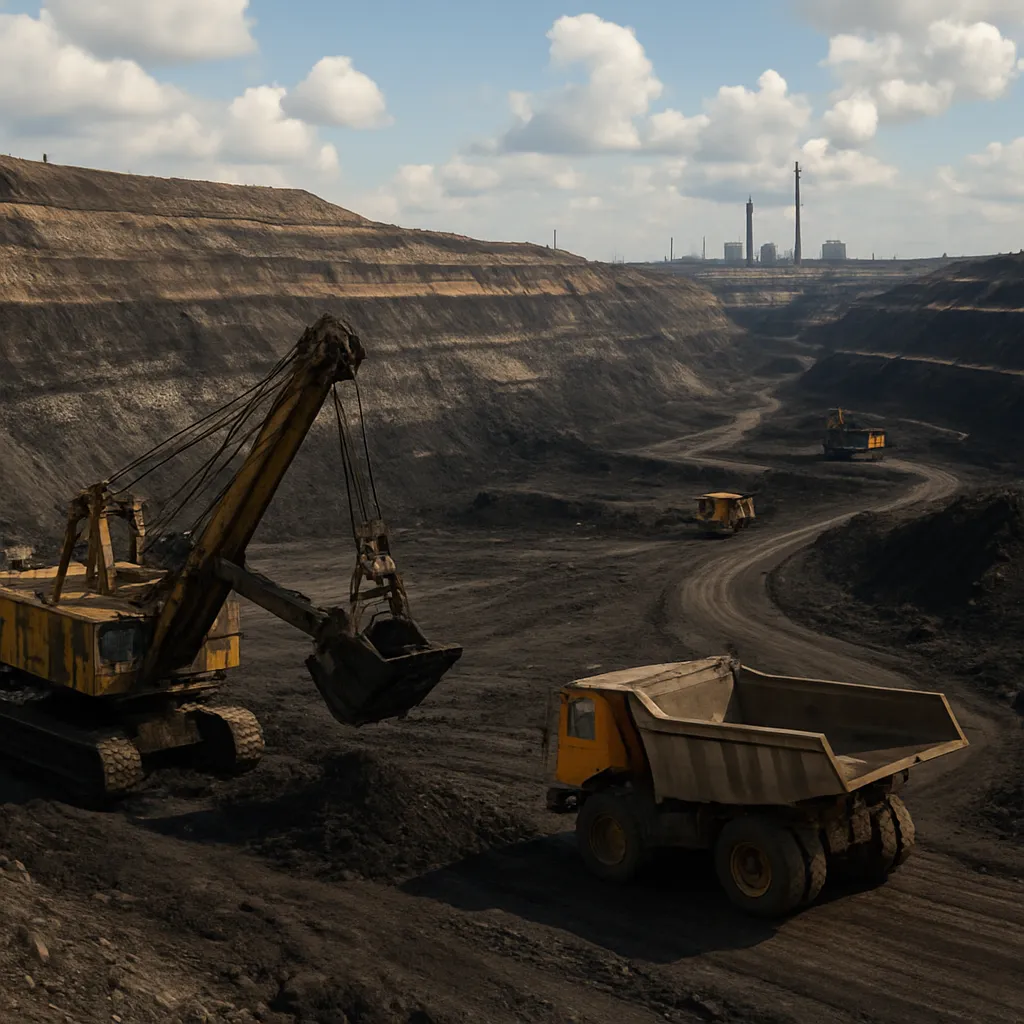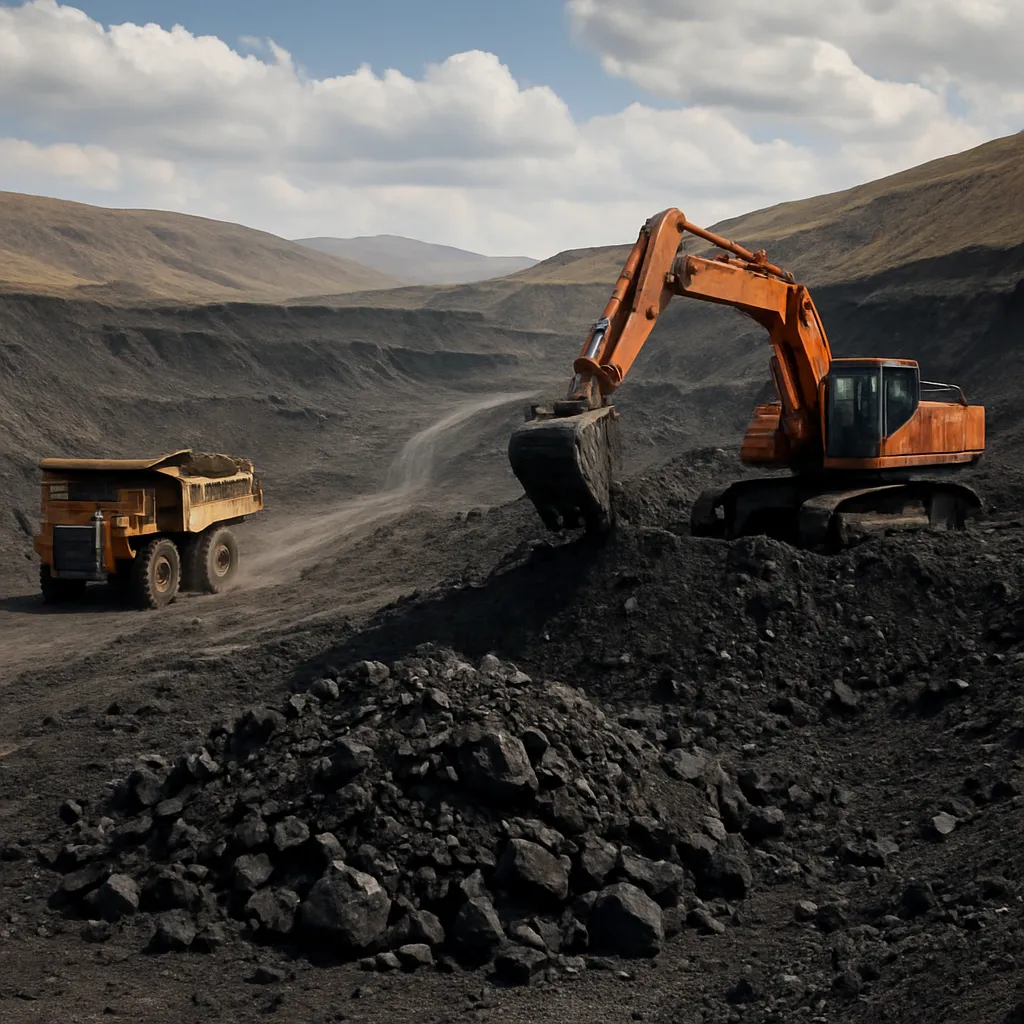
The Shivee Ovoo coal mine is one of Mongolia’s notable coal-producing localities, representing the country’s abundant mineral wealth and the central role of coal in its energy and export sectors. Located in the broad steppe and semi-arid regions that host many of Mongolia’s deposits, the mine exemplifies both the opportunities and challenges associated with extracting and transporting fossil fuels in a sparsely populated, infrastructure-limited environment. This article describes the mine’s setting, the type and quality of coal produced, operational and economic aspects, statistical perspectives where available, and broader industrial and environmental significance.
Location and geological setting
The Shivee Ovoo coal deposit is situated in Mongolia’s coal-bearing provinces, within the vast basin and plateau formations that extend across the country. The term “Shivee Ovoo” (a Mongolian phrase that can refer to a local hill or cairn) is used for several localities in Mongolia; the Shivee Ovoo coal mine discussed here is found in a region typical for Mongolian coal deposits—characterized by sedimentary basins formed during the Mesozoic to Cenozoic eras. These basins contain sequences of sandstones, siltstones, and carbonaceous layers that host coal seams.
Geologically, the deposit falls into the category of continental basin coal systems where peat accumulation and burial resulted in coalification under varying degrees of pressure and temperature. Coal seams at Shivee Ovoo are commonly interbedded with other sedimentary rocks, and are accessible via open-pit mining methods in areas where overburden is relatively shallow. The regional geology is part of Mongolia’s broader coal province, a resource-rich belt that includes several of the country’s major mines.
Types of coal and quality
The coal extracted at Shivee Ovoo is predominantly used for thermal purposes—power generation, heating, and local industrial uses. Mongolian coal ranks vary widely across deposits; many mines produce sub-bituminous to bituminous coals, while other deposits yield lower-ranked lignite. Shivee Ovoo’s product is generally classified as medium-rank coal suitable for combustion in thermal power plants and for household heating in regional markets.
- Calorific value: Coal from Shivee Ovoo typically shows moderate calorific values relative to world averages—adequate for thermal applications but lower than high-grade coking coals used in steelmaking.
- Moisture and ash: Like many Mongolian coals, the Shivee Ovoo material has variable moisture and ash contents; these characteristics influence how it is processed, transported, and combusted. Higher ash content increases transport costs per unit energy and affects combustion efficiency.
- Sulfur and impurities: Sulfur content is usually low to moderate, which reduces some air pollution concerns relative to high-sulfur coals, but particulate emissions and dust remain important environmental issues.
Mining methods and operations
Operations at Shivee Ovoo are typically centered on open-pit mining, the dominant method for near-surface coal seams in Mongolia. Open-pit techniques allow relatively low-cost extraction compared to underground mining and are favorable for large, shallow deposits. Typical operational components include:
- Stripping and removal of overburden using excavators and haul trucks
- Bench mining to access multiple seams where present
- Stockpiling, crushing, and screening facilities for sizing coal for different markets
- On-site processing to reduce moisture or separate impurities, where capital investment allows
Given Mongolia’s challenging climate—cold winters, seasonal thaw, and dusty summers—operations must manage weather-related constraints, maintain equipment under harsh conditions, and ensure worker safety across remote sites. Workforce sizes at sites like Shivee Ovoo typically range from dozens to several hundred employees depending on the scale of production and the degree of mechanization; many mines in Mongolia also rely on contract and seasonal labor.
Economic and industrial significance
The Shivee Ovoo coal mine contributes to Mongolia’s economy at multiple levels. On a local level, the mine provides employment opportunities, stimulates demand for services, and supports infrastructure development such as roads, power lines, and local businesses that serve mine workers. On a national scale, coal is one of Mongolia’s most important export commodities and a critical source of energy for domestic consumption.
Key economic aspects include:
- Revenue generation: Coal sales—domestic and cross-border—generate export revenue and foreign exchange, particularly through trade with neighboring China.
- Energy security: Domestic coal production underpins Mongolia’s energy supply for heating and power generation, reducing dependence on imports.
- Supply chains: Mines like Shivee Ovoo feed regional supply chains that include transport operators, processors, and power plants.
While Shivee Ovoo is not among Mongolia’s largest mega-deposits (those being places such as Tavan Tolgoi or Nariin Sukhait), it plays a valuable role in diversifying the production base and supplying local and regional demand. Smaller mines contribute to economic resilience by providing alternative sources of coal to offset logistical bottlenecks at larger ports or railheads.
Statistics and production figures
Publicly available, mine-specific statistics for Shivee Ovoo are limited compared to the major national projects. Many smaller Mongolian mines do not publish detailed annual production figures in internationally accessible formats. However, some general points can be made:
- Mongolia’s total coal production in the 2010s and early 2020s has fluctuated between roughly 20 and 50 million tonnes per year depending on international demand and logistics capacity, with most exports destined for China.
- Smaller mines like Shivee Ovoo often produce in the range of several hundred thousand to a few million tonnes annually, depending on the scale of reserves and investment in mining infrastructure; production at a single-site level varies year to year.
- Reserve estimates for regional deposits are commonly presented in the scale of millions to tens of millions of tonnes, but specific figures for Shivee Ovoo should be sought in company reports, governmental geological surveys, or academic studies for accurate, up-to-date values.
For readers requiring exact numbers—annual output, reserve size, or export tonnage attributed to Shivee Ovoo—primary sources such as Mongolian Ministry of Mining and Heavy Industry publications, company disclosures, and geological survey reports are the most reliable. International databases may aggregate Mongolia’s national coal statistics but often do not break down production by small mine name.
Logistics, transport and infrastructure
One of the central challenges for coal mines in Mongolia is logistics. Mongolia is landlocked and sparsely populated, and coal export and domestic distribution require robust transport infrastructure. Mines usually rely on a combination of:
- Road transport: Trucks and haul roads connect mines to local markets and railway hubs. Dust control, seasonal road conditions, and maintenance are important operational considerations.
- Rail connections: Bulk coal export economics improve significantly with rail access. Mines located near existing rail lines or those that invest in spur connections can lower per-ton transport costs and increase export potential.
- Stockpiles and processing hubs: Intermediate facilities optimize coal blending, sizing, and storage prior to shipment.
Shivee Ovoo’s commercial prospects are shaped by the availability and quality of nearby infrastructure. Investments in transport links not only enable higher production volumes but also affect the price competitiveness of the coal in regional markets.
Environmental and social considerations
Coal mining, including operations at Shivee Ovoo, raises several environmental and social issues that require careful management:
- Air quality and dust: Dust from open-pit mining and transport can affect local communities, livestock, and ecosystems. Mitigation includes water spraying, covered conveyors, and dust suppression systems.
- Water use and contamination: Although many Mongolian deposits are in arid zones with limited surface water, mining operations can impact groundwater and require controlled water management to avoid contamination and depletion.
- Land disturbance and rehabilitation: Open-pit sites lead to landform changes. Progressive rehabilitation, topsoil management, and re-vegetation are increasingly part of responsible mine closure planning.
- Local livelihoods and nomadic herding: Mines can disrupt traditional grazing routes and pastoralist ways of life. Effective stakeholder engagement, compensation, and benefit-sharing mechanisms are important to reduce conflicts.
Modern mining projects in Mongolia are increasingly subject to environmental impact assessments, community consultation requirements, and company-led sustainability initiatives. Investors and operators often incorporate measures to reduce greenhouse gas intensity per tonne of coal and to provide economic and social benefits to local populations.
Significance in the Mongolian and regional coal industry
Shivee Ovoo’s role in the Mongolian coal sector reflects broader themes in the country’s resource-driven development:
- Resource diversification: Smaller deposits complement large complexes by supplying regional needs, creating more distributed economic activity and reducing reliance on a single export corridor.
- Employment and regional development: Mines create jobs and stimulate secondary economic activity in remote regions where other industries are limited.
- Export dynamics: While the largest mines dominate export volume, smaller mines can react more flexibly to short-term demand shifts, supply short routes, and serve domestic energy markets.
Regionally, Mongolian coal remains competitive for nearby markets (notably northern China) due to proximity and relatively low transport distances compared with global suppliers. The medium-rank thermal coals from mines like Shivee Ovoo are important for meeting winter heating demand and fueling local thermal generation.
Future prospects and challenges
The outlook for Shivee Ovoo and similar mines is shaped by several factors:
- Market demand: Long-term demand for thermal coal is influenced by China’s energy mix, global decarbonization trends, and regional power development.
- Infrastructure investment: Rail and port capacity expansions can unlock greater export volumes. Conversely, lack of transport improvements can cap growth.
- Environmental policy: Stricter emissions regulations and carbon pricing can affect the competitiveness of thermal coal unless mitigated by cleaner combustion technologies or carbon management strategies.
- Technological advances: Improved processing, washing, and blending can raise the value of coal products from deposits with higher ash or moisture contents.
For Shivee Ovoo, strategic investment in processing and logistics, along with responsible environmental and community engagement, will largely determine its medium-term trajectory. Opportunities may exist to supply niche markets or to partner with regional utilities seeking stable, proximate thermal fuel sources.
Interesting facts and contextual points
- Many Mongolian coal deposits, including those similar to Shivee Ovoo, formed in ancient river plains and swamps where plant material accumulated and later transformed into coal over millions of years.
- Seasonality plays a major role: winter heating demand in Mongolia and northern China significantly raises demand for thermal coal during cold months, affecting mine production schedules and logistics.
- Local mine names like Shivee Ovoo often reflect geographic or cultural features (ovoos are sacred cairns), linking industrial sites to traditional place names.
- Small- and medium-scale mines are essential for Mongolia’s dispersed rural economy, providing cash income where agriculture and herding are primary livelihoods.
Practical recommendations for stakeholders
For policymakers, investors, and community leaders engaging with mines such as Shivee Ovoo, the following points are important:
- Prioritize transparent reporting of reserve and production data to improve planning and attract responsible investment.
- Invest in shared infrastructure (roads, rail links, processing hubs) that benefits multiple mines and reduces unit transport costs.
- Implement robust environmental management plans and community benefit programs to minimize social conflict and long-term liability.
- Explore opportunities to add value locally through coal beneficiation or associated industries rather than exporting only raw products.
Summary
The Shivee Ovoo coal mine exemplifies a class of Mongolian deposits that are important for regional energy supply, local economic development, and national export revenue. While not as large as the country’s flagship deposits, Shivee Ovoo contributes to employment, infrastructure use, and the diversification of Mongolia’s mining sector. The mine’s future depends on market demand, logistical connectivity, responsible environmental management, and the broader trajectory of coal in a changing global energy landscape. As with many natural resource projects in Mongolia, careful balancing of economic benefits with social and environmental responsibilities will determine whether Shivee Ovoo’s development is sustainable and beneficial to local communities and the national economy.