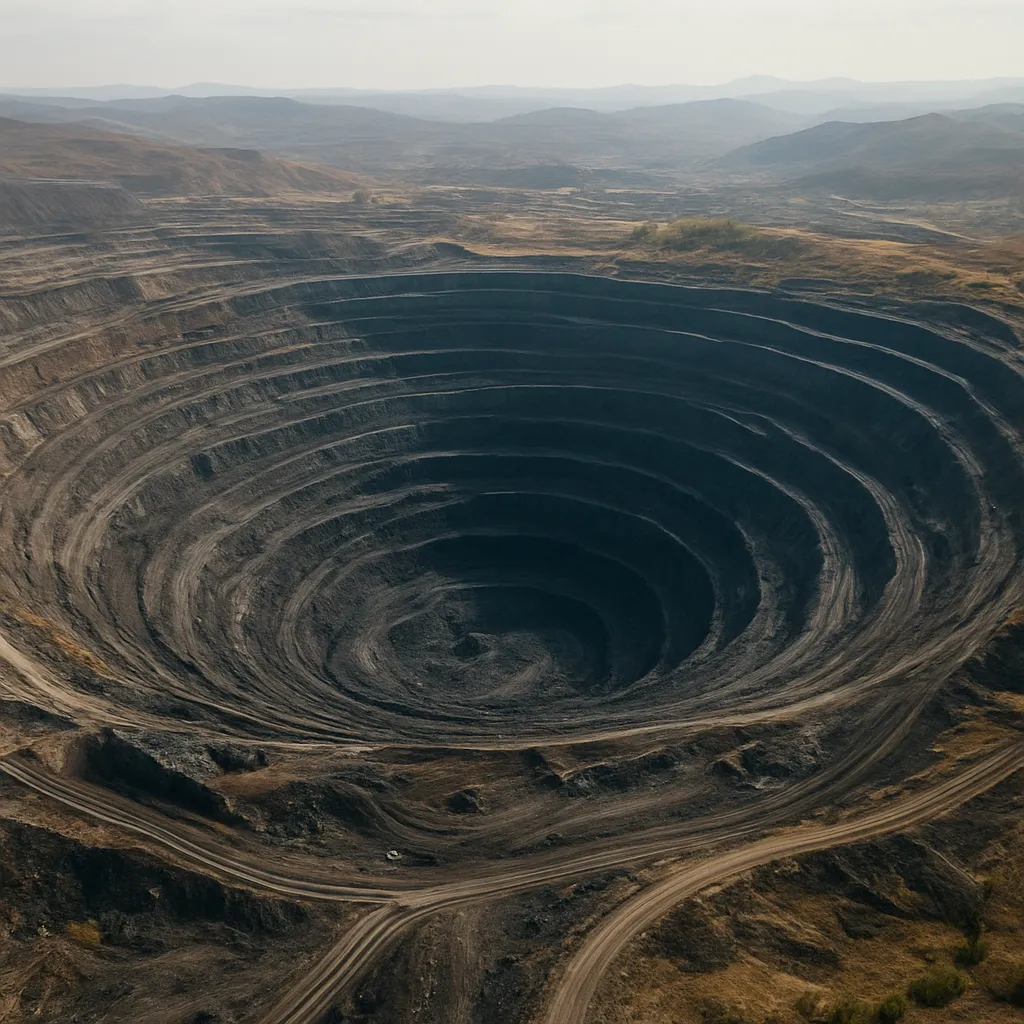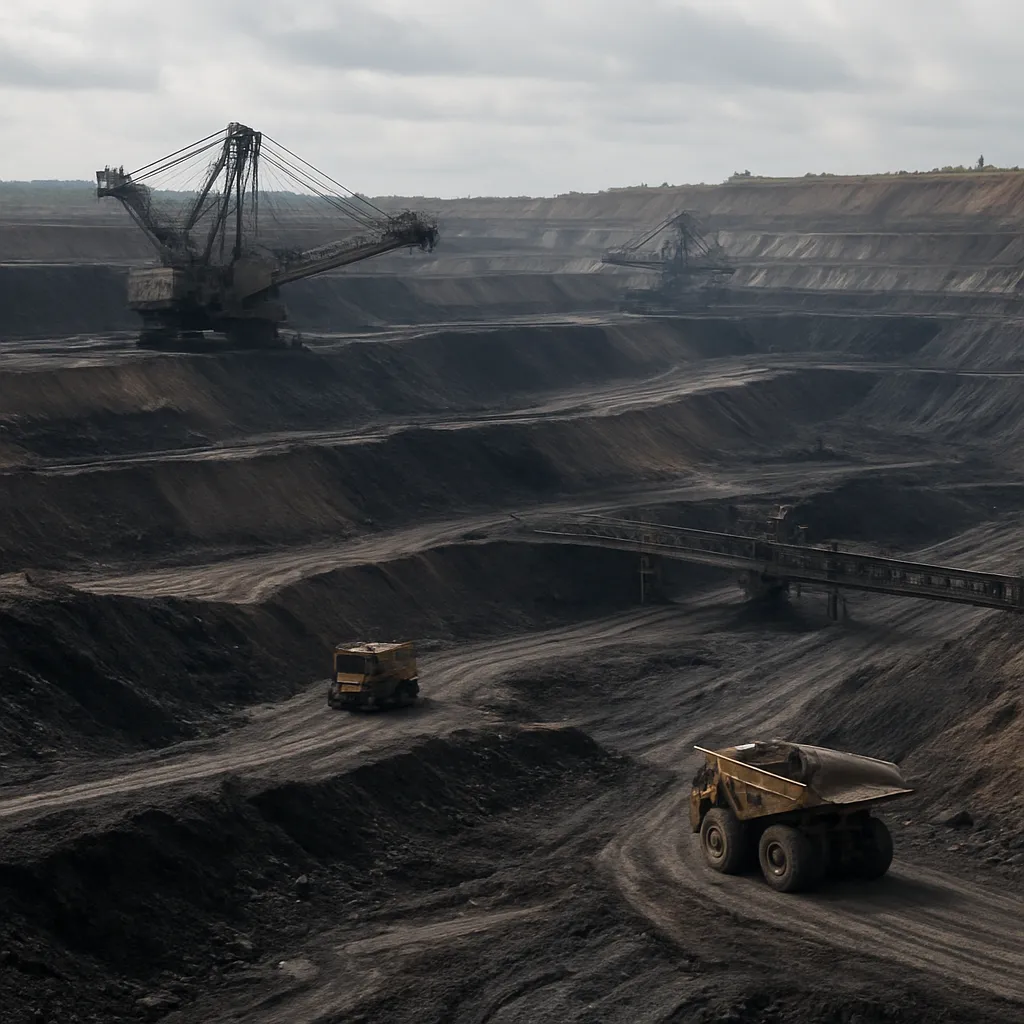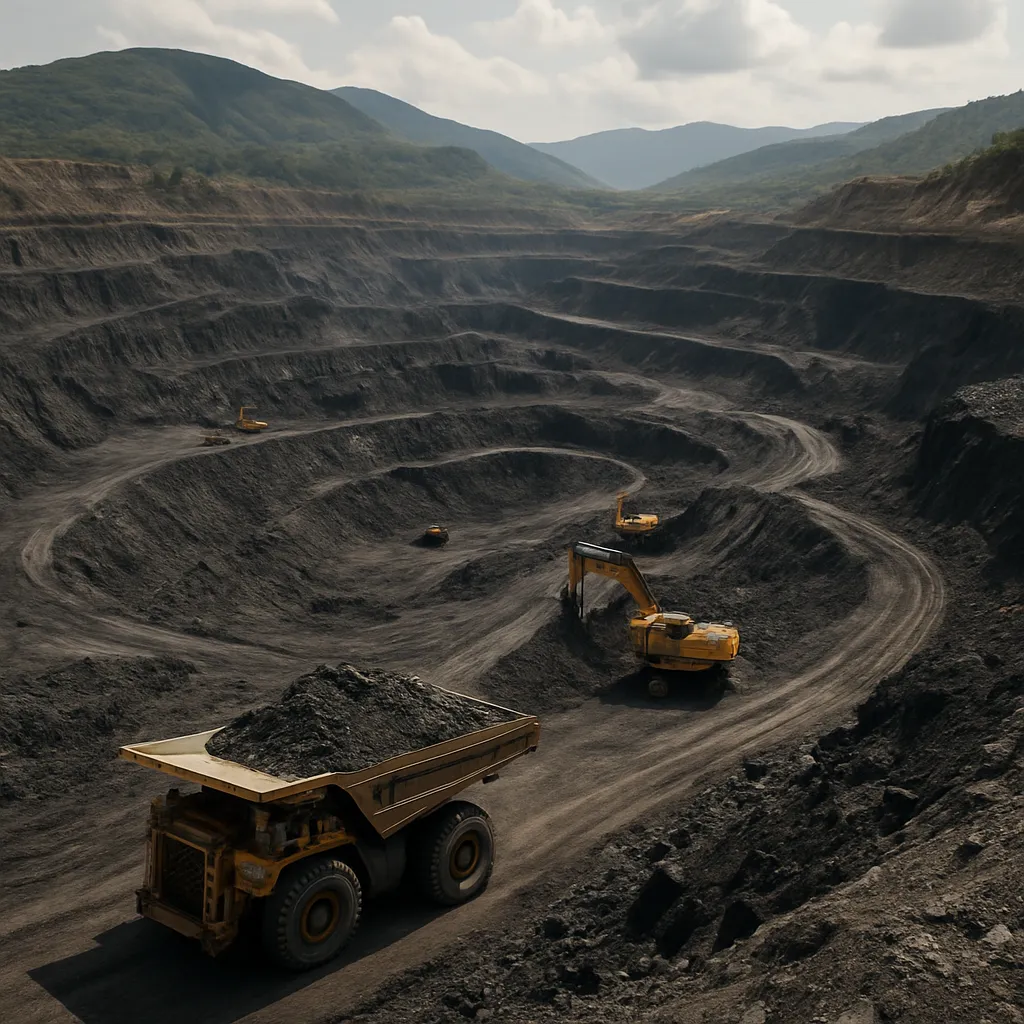
The San Juan Coal Mine in Colombia represents one of the many mining sites that contribute to Colombia’s role as a major global coal producer and exporter. This article examines the mine’s geological setting and likely coal characteristics, its economic and social importance, regional and national context, environmental and regulatory issues, and prospects for the future. Where precise public data about the San Juan site are limited, the discussion places the mine in the broader framework of Colombian coal mining to give a realistic picture of its potential significance and impacts.
Location, geological setting and operational context
The exact administrative location and ownership details of a mine named San Juan can vary—several localities in Colombia share the name San Juan—so a single definitive description of “the” San Juan Coal Mine must be framed cautiously. In general, Colombian coal mining is concentrated in a few principal basins: the Cerrejón basin in La Guajira, the Cesar-Ranchería basin in Cesar and La Guajira, the Middle Magdalena Valley and the eastern Andean foothills in departments such as Boyacá and Cundinamarca. A mine called San Juan, depending on its departmental location, would most often be associated with one of these sedimentary basins or with smaller coal-bearing formations in other regions.
Geologically, Colombian coal deposits are commonly found in Tertiary sedimentary sequences, with seams formed from ancient peat bogs that were buried and altered under pressure. The most economically significant coals in Colombia are typically medium- to high-volatile bituminous coals used largely for thermal power generation and for export. In some deposits, lower-rank coals (sub-bituminous) also occur, and rare higher-grade coals (semi-anthracite) appear in more metamorphosed settings.
Most medium-to-large Colombian mines operate as open-pit operations because the coal seams in major basins are relatively near-surface and laterally extensive, which favors surface mining methods for economic reasons. Underground mining does occur in settings where seams are deeper, thinner, or where surface constraints exist. The specific extraction method at the San Juan site would depend on seam depth, thickness, strip ratio and local environmental or land-use constraints.
Typical mine-hosting features
- Overburden and strip ratios that determine the feasibility of open-pit mining.
- Associated sedimentary layers such as sandstones, shales and occasional marine markers used for stratigraphic correlation.
- Access infrastructure—roads, sometimes short rail spurs or truck routes to ports—critical for export-oriented mines.
- Local water resources and hydrology that influence dewatering, drainage and environmental management.
Coal types, quality and uses
Colombian coal is primarily exported as steam coal (thermal coal) for power generation and industrial heat; several deposits also supply metallurgical coal (coking coal), though that is a smaller share of national output. The coal from a mine referred to as San Juan would most likely be classified within the thermal coal group and could display the following characteristics typical of Colombian thermals:
- Calorific value usually in the range of medium to high thermal coals (variable by seam).
- Moderate to low ash content relative to some other world sources, though ash can vary significantly by bench.
- Variable sulfur content—many Colombian coals have relatively low sulfur, which is attractive to some markets.
- Volatile matter and moisture content depending on rank; many export coals are beneficiated to meet quality contracts.
Coal from local or smaller mines may be used in regional industries, cement plants, brick kilns or domestic electricity generation, while export-oriented operations focus on meeting specifications demanded by distant utilities and industrial buyers. Quality enhancement through washing, screening and blending is common to achieve contract heat values and reduce contaminants.
Economic importance and contribution to the regional and national economy
Coal mining is one of the pillars of Colombia’s extractive economy. The country has been a significant global exporter of thermal coal for decades, with the sector contributing to foreign exchange earnings, government revenue (taxes, royalties), and local employment. A mine like San Juan would contribute to these streams at a local scale and tie into broader supply chains.
Direct and indirect economic roles
- Employment: Mines provide direct jobs in operations, maintenance, administration, and technical roles. Indirectly, they support contractors, transport, maintenance services and local commerce.
- Government revenue: Royalties, taxes and permit fees flow to municipal, departmental and national budgets, funding public services though distribution can be uneven.
- Local procurement: Sourcing goods and services locally can boost small and medium-sized enterprises.
- Export earnings: When tied to global markets, coal exports contribute to foreign currency inflows and balance-of-payments support.
However, the magnitude of these benefits varies. Large operations contribute significantly more to national export figures and government revenue than small or medium sites. If the San Juan mine is a smaller or mid-sized operation, its contribution will be proportionally more important at the municipal and departmental level than at the national scale.
Wider industrial linkages
Colombian coal links to international supply chains: major buyers include markets in Europe, Asia and the Americas. Shipping infrastructure—ports on the Caribbean and Pacific coasts—is crucial for these trade flows. Large mines often have dedicated logistics arrangements (conveyor-rail-port linkages). Smaller mines rely on trucking and tend to sell into domestic markets or to traders who aggregate volumes for export.
Statistical context and data considerations
Precise production, employment and reserve figures for individual mines named San Juan are not always publicly consolidated in one accessible dataset, particularly for smaller or privately-held operations. Publicly available national and regional data provide context that helps frame the likely scale and impact of a site called San Juan:
- National production context: Colombia historically ranks among the world’s top coal exporters. The national coal sector has been dominated by a few very large mines and companies, while a larger number of small and mid-sized operations supply domestic and regional markets.
- Reserve base: Colombia’s coal reserves are substantial and concentrated in key basins, but reserves and seam characteristics vary greatly by concession.
- Export patterns: Most exported coal is thermal steam coal; export logistics and port capacity constrain or enable production growth.
Because site-specific statistics may be proprietary or reported under different concession names, analysts often rely on company reports, government mining registries (e.g., Agencia Nacional de Minería), environmental impact statements and regional planning documents to estimate production and social-economic indicators. For readers seeking exact tonnages, employment numbers or royalty flows for a particular San Juan site, the recommended sources are official concession records, company disclosures, and departmental mining offices.
Social and community impacts
Mining operations affect local communities in multiple ways—socially, economically and culturally. Typical impacts associated with a coal mine such as San Juan include:
- Employment opportunities and skill development for local residents, balanced against the risk of boom-bust cycles.
- Pressure on local infrastructure (roads, water, housing) during construction and peak production.
- Potential displacement or changes in land use for agriculture, fisheries or cultural sites.
- Community health concerns related to dust, water contamination and noise if not properly managed.
Most modern Colombian mines operate under community consultation processes and social investment programs intended to mitigate negative effects and support local development. Social license to operate remains a critical factor: unresolved community grievances, insufficient benefit-sharing, or perceived environmental negligence can lead to protests, stoppages, and reputational damage.
Environmental management, impacts and regulation
Coal mining carries significant environmental risks: habitat loss, water contamination and alteration, dust and air quality issues, and greenhouse gas emissions from coal combustion downstream in end-use markets. Colombian regulatory frameworks require environmental impact assessments, permitting, and environmental management plans, including provisions for:
- Water management: Dewatering, sediment control, and protection of local supplies.
- Air quality control: Dust suppression, fugitive emission control, and monitoring programs.
- Waste rock and tailings handling: Secure containment and progressive reclamation to prevent acid drainage and sediment runoff.
- Progressive rehabilitation: Topsoil preservation, re-contouring and post-mining land use planning.
Environmental monitoring is typically required to demonstrate compliance. At many sites, especially in sensitive ecosystems, companies work with regulators and communities to establish biodiversity offsets or conservation agreements. The greenhouse gas footprint of coal remains a central public policy issue, and long-term planning increasingly questions the role of thermal coal in a decarbonizing global economy.
Infrastructure and logistics
One of the determinants of a mine’s competitiveness is its access to transport and port infrastructure. For export-oriented mines, efficient linkage to seaports—via rail, barge or road—is critical. Colombia’s main coal-exporting ports are on the Caribbean coast, but accessibility varies by mine. Mines closer to inland industrial centers may instead supply local power plants or industry by truck.
Local infrastructure investment—often jointly undertaken by companies and government—can improve roads, bridges and communications, benefitting broader development. Conversely, heavy transport can strain local roads and raise maintenance costs for municipalities.
Industry significance and strategic considerations
Even if the San Juan mine is not among the largest nationally, mines of its kind matter for several strategic reasons:
- Supply diversification: Smaller mines augment supply and can provide flexible sources for domestic markets when large export operations shift output.
- Regional development: Mining can be a central economic activity in rural or marginal regions where alternative employment is scarce.
- Energy security: Coal remains part of the Colombian and regional energy mix, contributing to baseload power generation in many countries.
However, global trends—economic decarbonization, rising carbon pricing in some markets, and competition from cheaper or cleaner energy sources—pose strategic questions for coal-dependent investments. Mines that can operate at low costs, meet strict quality and environmental specifications, or transition assets to post-mining uses will be better positioned in a shifting market.
Health, safety and workforce development
Mining safety and occupational health are central to responsible operations. Typical measures include mine safety systems, dust and noise controls, training programs and emergency preparedness. Coal mining carries specific occupational risks—respiratory issues from dust, injuries from heavy machinery and in underground settings, exposure to confined-space hazards. Effective workforce development combines technical training with health surveillance and community health initiatives.
Historical background and possible origin of the name
The name San Juan is common across Latin America and typically references Saint John (San Juan), a figure in the Catholic tradition. Mines, towns, rivers and other geographic features often derive such names from early colonial-era settlements or religious dedications. A San Juan Coal Mine may have been named after a nearby settlement, a watercourse, or a historical landmark bearing that name. Understanding the local history often requires consulting municipal archives, local historians, or long-standing community members.
Future outlook and challenges
The future of coal mining in Colombia and at specific sites like San Juan will depend on a mix of market dynamics, policy decisions, environmental performance and community relations. Key factors to watch include:
- International demand: Shifts in global demand, especially from Asia and Latin America, will influence mine viability.
- Price volatility: Coal prices and freight costs affect revenue and investment decisions.
- Regulatory environment: Stricter environmental or social regulations could raise costs or create barriers to expansion.
- Access to finance: Lenders and insurers increasingly incorporate environmental and social risk criteria, affecting capital availability.
- Rehabilitation planning: Successful long-term planning requires credible closure and post-mining land-use strategies.
Mines that proactively engage with communities, invest in modern environmental controls, and plan responsibly for closure and economic transition will have improved prospects for resilience in a changing global energy landscape.
Practical information and where to find more reliable data
For readers seeking detailed, up-to-date data on a specific San Juan Coal Mine (production tonnages, reserve estimates, employment numbers, concession maps and environmental permits), recommended sources include:
- Colombian Agencia Nacional de Minería (National Mining Agency) for concession and regulatory records.
- Ministry of Mines and Energy (Ministerio de Minas y Energía) publications and national statistics.
- Company annual reports and sustainability reports if the mine is operated by a public or multinational firm.
- Local departmental mining offices and municipal governments for community-level information.
- Academic studies, environmental impact assessments and civil society reports for independent analysis.
These sources will typically provide the most reliable and legally recognized figures and allow comparison across sites and basins.
Key takeaways
The San Juan Coal Mine in Colombia should be viewed within the broader context of a nationally important coal sector that contributes to exports, local employment and regional development. While specific public statistics for every site named San Juan may be limited, the typical characteristics of Colombian coal operations—predominantly thermal coal, often open-pit mining, important links to port logistics, and a mix of economic benefits and environmental challenges—apply. Stakeholders assessing the mine should seek official concession records and company disclosures for precise data, and consider environmental management, community engagement, and long-term planning as central determinants of sustainable outcomes.
Colombia’s coal sector remains a major element of the national economy, but it faces the global energy transition and evolving market, regulatory and social expectations. For the San Juan site, as with all mining operations, transparent information, responsible environmental and social management, and credible closure planning will shape its legacy and contribution to local and national development.