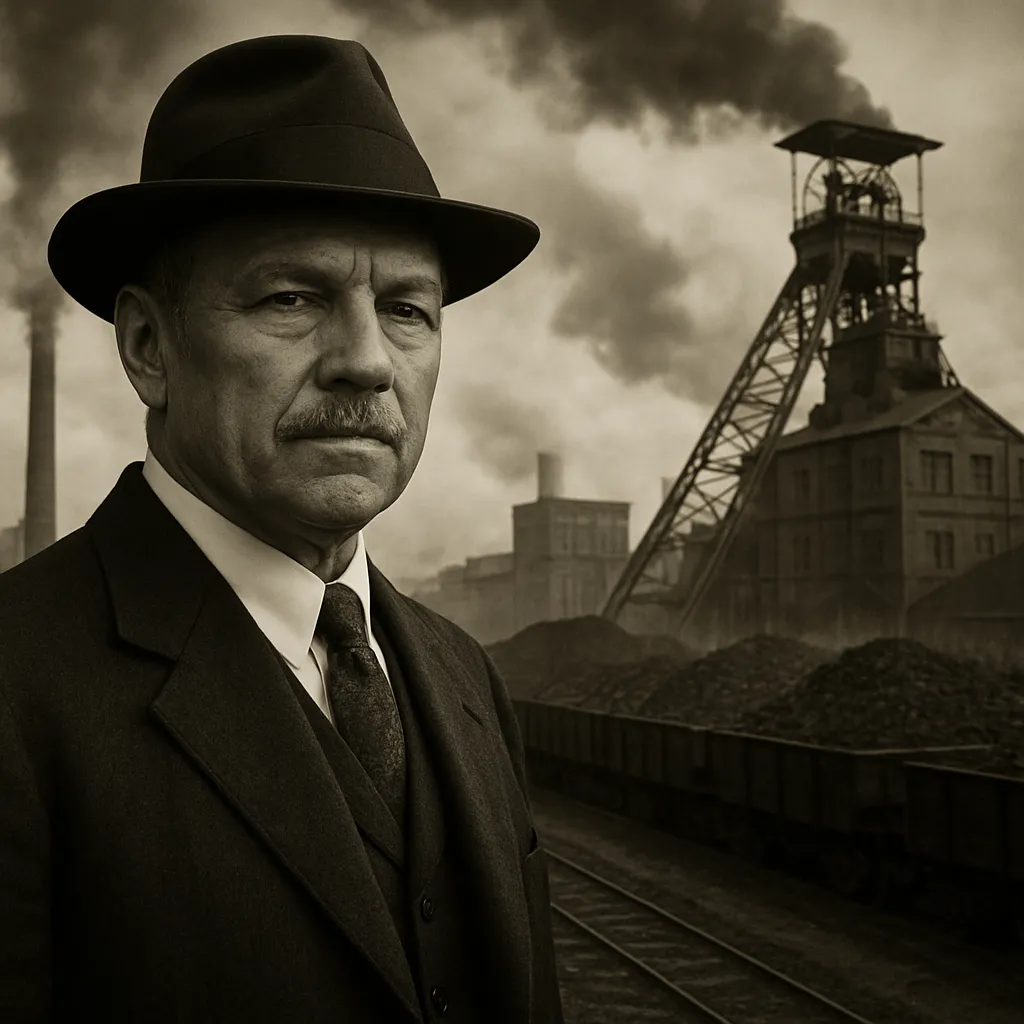
The story of coal is deeply entwined with the progress of industrialization, the rise of modern economies, and the evolution of workers’ rights. From the dimly lit tunnels where early miners toiled to the bustling trading floors where coal stocks are bought and sold, this fossil fuel has shaped societies in profound ways. By tracing the journey from subterranean pits to boardroom strategies, we uncover how the struggle for safer workplaces—and eventual labor laws—originated in the heart of coal mining communities.
Early Coal Mining and Harsh Conditions
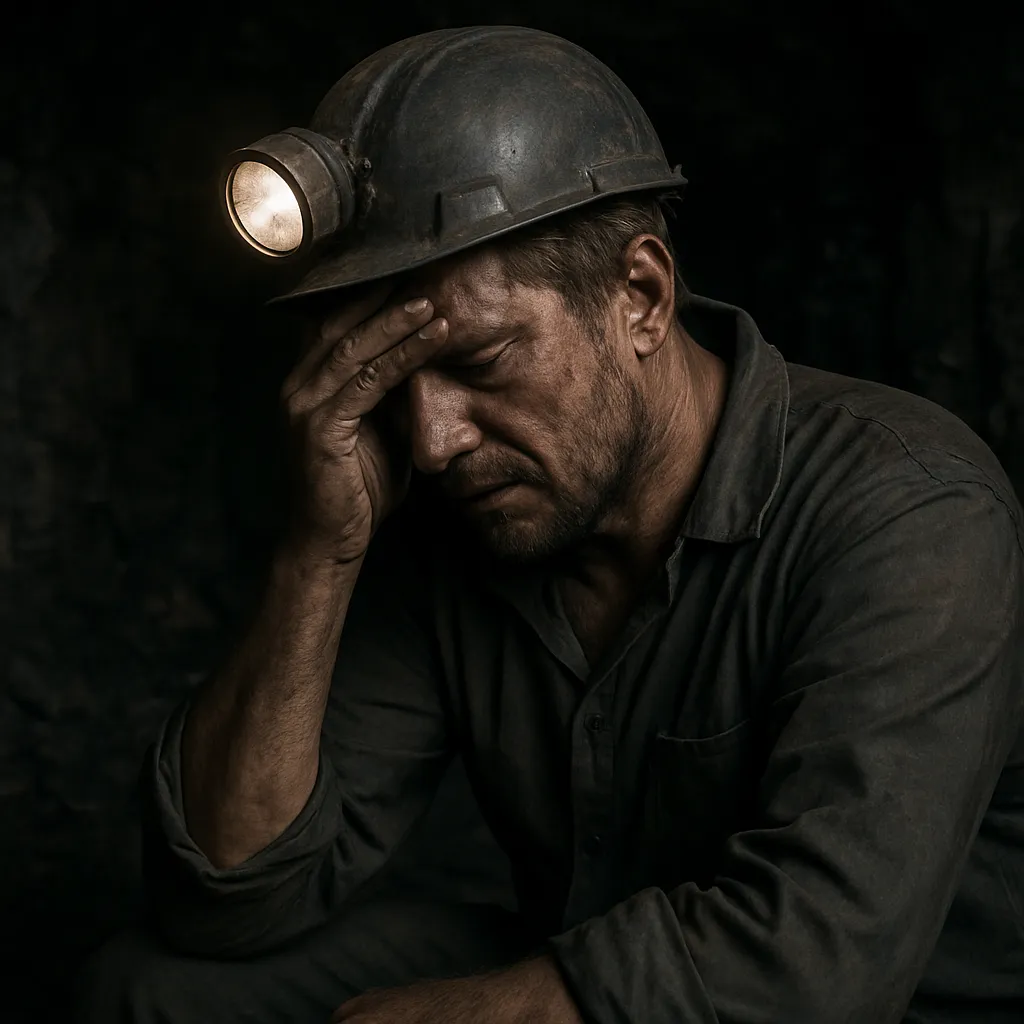
In the 18th and 19th centuries, coal became the driving force behind the Industrial Revolution. Factory boilers, steam engines, and railways all relied on this dense source of energy. However, the quest for cheap and abundant fuel came at a steep human cost. Small children and unskilled laborers were often pressed into service, descending daily into dark caverns where collapsing tunnels and explosive gases were constant threats.
Working Environment
- Confined spaces lacking proper ventilation.
- Frequent roof falls and water inundations.
- Exposure to dust leading to chronic respiratory diseases.
- No standardized protective gear or lighting systems.
These conditions forced mining communities to develop tight bonds; families often lived in company-owned towns where the industry dictated wages, housing, and basic supplies. The lack of external oversight meant that any attempt to resist unfair treatment risked eviction or job loss.
Emergence of Workers’ Rights and Legislation
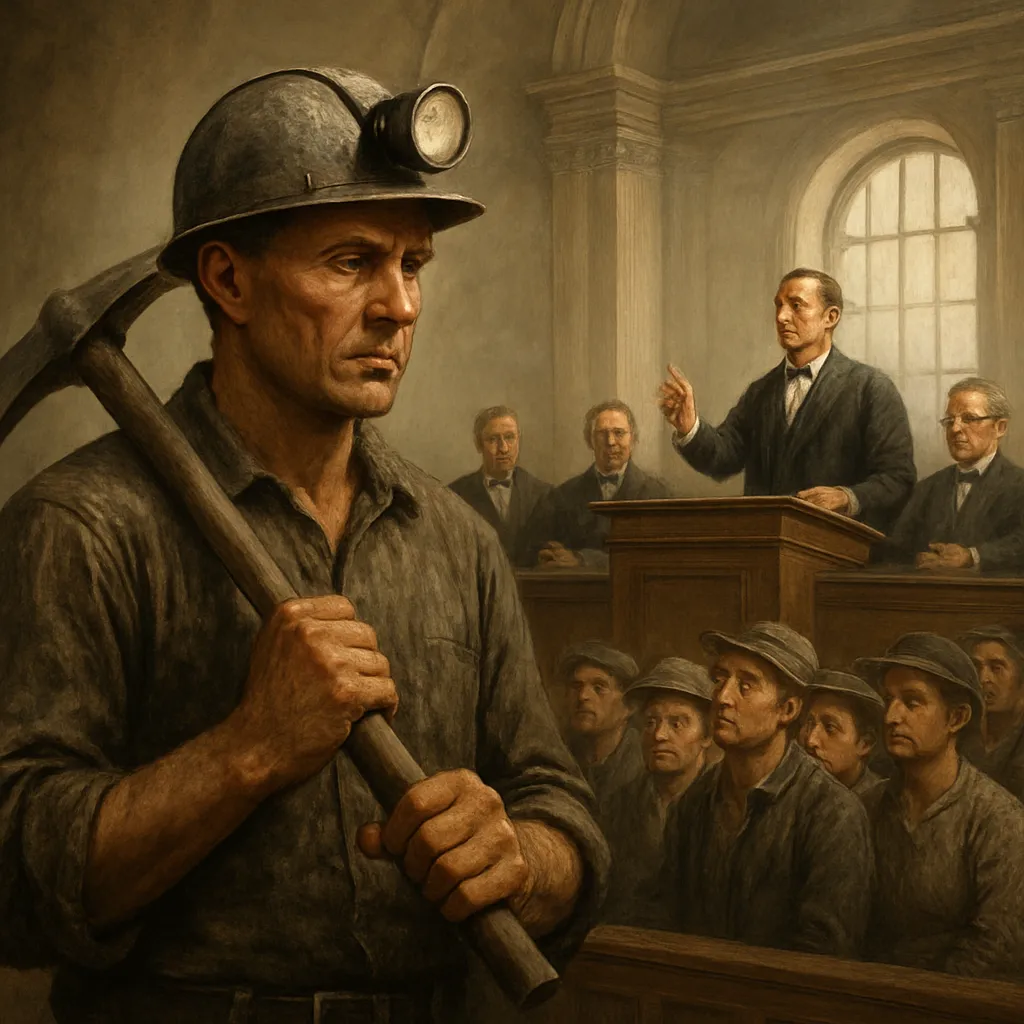
As miners organized informal networks to share grievances, their efforts gradually evolved into formal collective actions. Early instances of labor protest in coalfields marked the first stirrings of a movement that would culminate in comprehensive labor laws.
Key Milestones
- Shoreditch Petition (late 18th century): Miners demanded safer working hours.
- Yeah Miners’ Strike (1831): One of the first major stoppages that shut down adjacent industries.
- Mines Act of 1842: Prohibited women and children under ten from working underground.
- Coal Mines Regulation Act of 1872: Introduced government inspectors and standardized inspections.
These legislative steps, though modest by modern standards, were revolutionary at the time. They laid the groundwork for broader reforms, including limitations on work hours, the right to unionize, and compensation for work-related injuries. The very concept of state involvement in workplace safety owes much to these early coalfield struggles.
Impact on Other Industries
Once labor regulations in coal mining proved effective in reducing fatalities and bolstering productivity, lawmakers and reformers began advocating for similar measures across textile mills, railroads, and other sectors. The ripple effect of coalfield legislation transformed the economy by elevating the workforce’s expectations and establishing a precedent for government oversight in labor relations.
Coal Stocks and the Modern Energy Market
Today, coal no longer holds the undisputed dominance it once did, yet it remains a vital component of global energy portfolios. Many investors track coal stocks alongside renewable energy equities, evaluating how policy shifts, demand cycles, and technological advances influence their returns.
Factors Influencing Coal Stock Performance
- Regulatory changes targeting carbon emissions.
- Fluctuations in global demand, especially from emerging economies.
- Competition from natural gas and renewable energy sources.
- Economic incentives for clean coal technology and carbon capture.
Major publicly traded companies that manage large mining operations or own power plants can see dramatic swings in share price when new labor regulations are introduced. Stricter safety standards may increase operational costs, but they also reduce the likelihood of devastating accidents and associated legal liabilities. Consequently, an investor assessing a coal company must balance short-term profitability against long-term stability and compliance risks.
Investment Strategies
Portfolio managers often diversify by combining high-risk, high-reward speculative coal ventures with established firms that demonstrate strong compliance records and forward-looking sustainability plans. Some key considerations include:
- Track record of accident rates and labor disputes.
- Commitment to environmental remediation and land reclamation.
- Adoption of advanced mining technologies for enhanced safety.
- Engagement with local communities to maintain social licenses to operate.
By analyzing these factors, investors can make informed decisions about allocating capital to a sector that still accounts for a significant portion of electricity generation in many countries.
The Ongoing Legacy of Coal and Labor Laws
While coal’s centrality in the energy mix is waning in favor of greener alternatives, its historical impact on labor regulations endures. Many modern workplace protections—ranging from safety equipment requirements to whistleblower rights—can trace their origins back to miners’ struggles for humane treatment.
- Right to Organize: Trade union protections in numerous industries.
- Workplace Safety Agencies: Government bodies like the OSHA in the United States.
- Compensation Systems: Workers’ compensation programs for on-the-job injuries.
- Environmental Standards: Practices that limit coal dust and water pollution.
The transition toward clean energy does not erase coal’s legacy; rather, it underscores the importance of adapting regulations to new technologies. As the world confronts climate change, lessons learned in early coalfields—about balancing profit, worker welfare, and community interests—remain profoundly relevant. Investors, policymakers, and citizens alike continue to grapple with ensuring that energy production, whether from fossil fuels or renewables, upholds the dignity and safety of all workers.