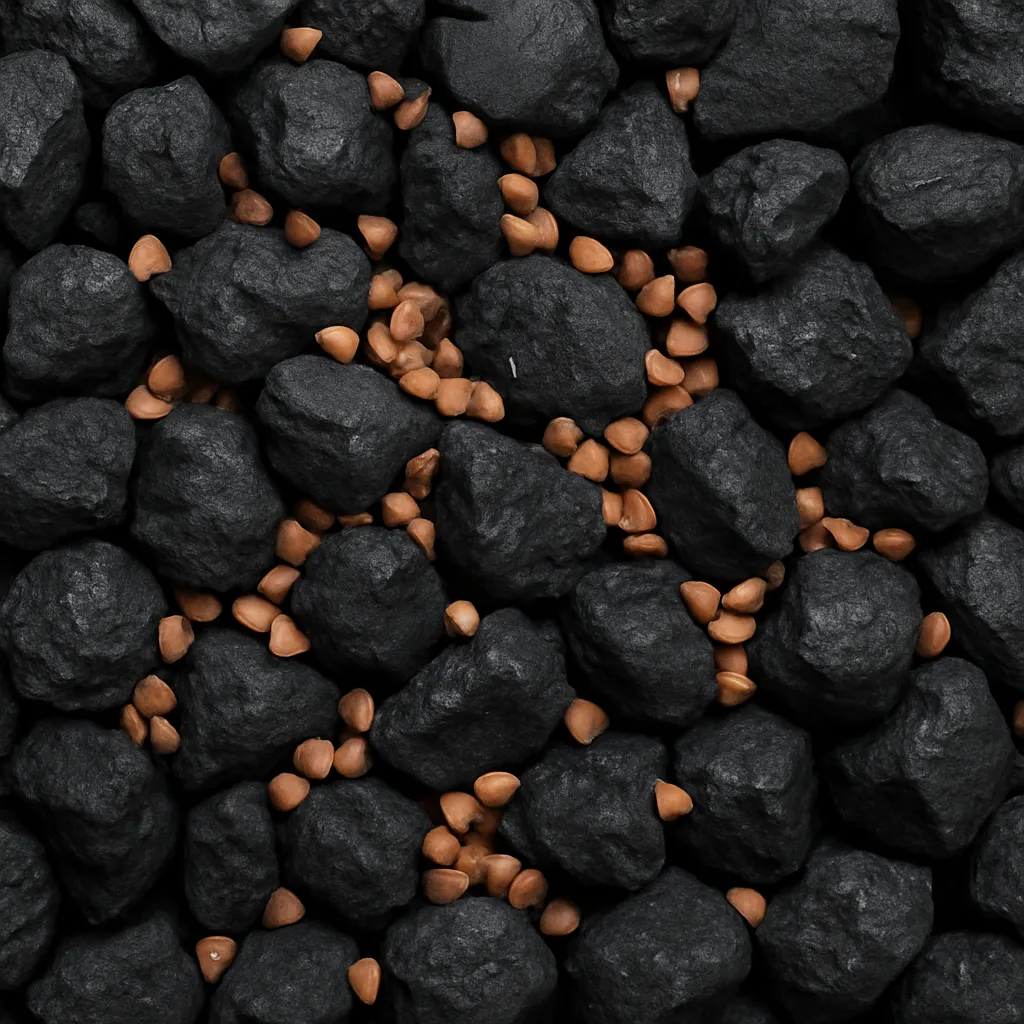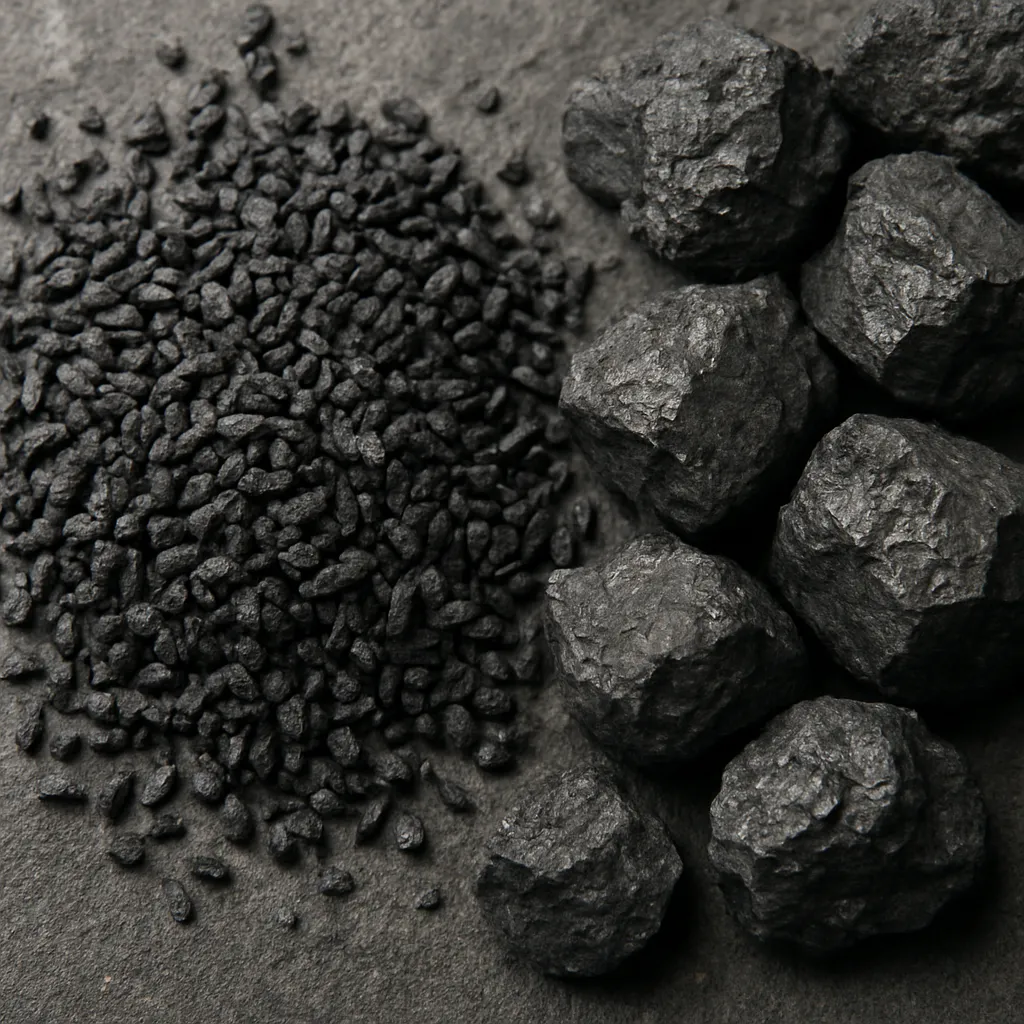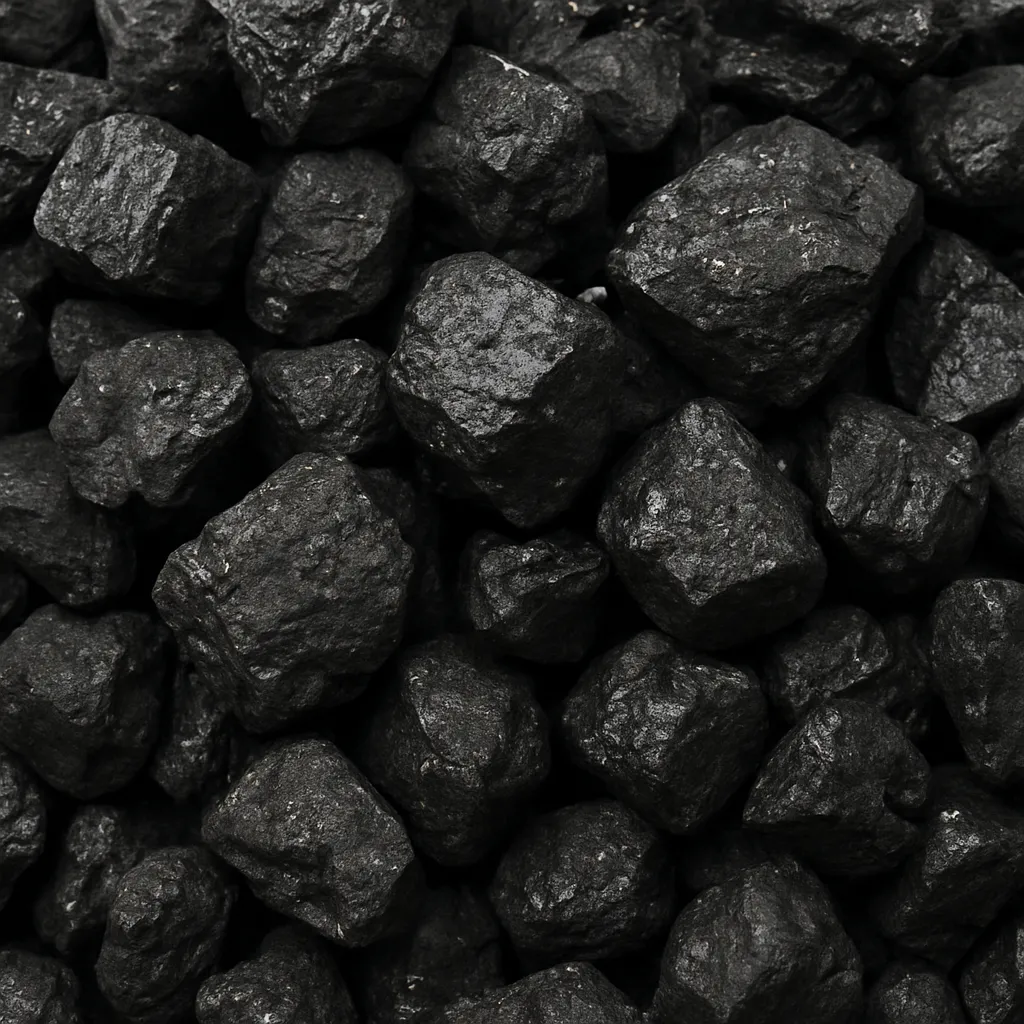
The following article examines fine steam coal — a category of thermal coal characterized by its small particle size and primary use in power generation. It covers geological occurrence, mining and processing methods, global production and trade patterns, economic and industrial roles, environmental and health implications, and likely future developments. The goal is to give a comprehensive, balanced overview useful for industry professionals, policymakers and informed readers.
Occurrence, geology and the nature of fine steam coal
Coal forms from the burial and alteration of plant material over geological time, producing seams that vary in thickness, rank and composition. Steam coal (also called thermal coal) is used principally for producing heat and electricity in boilers and power plants. The adjective “fine” in this context generally refers to coal that has been reduced to small particle sizes either during mining, processing or handling — fines can be produced intentionally (as pulverized fuel for boilers) or unintentionally (as waste by-products from crushing, screening and washing).
Geological settings that host commercially mineable coal seams include:
- Carboniferous basins (e.g., European and North American coalfields) where bituminous and anthracite coals are common;
- Permian and Mesozoic basins (e.g., Australia, South Africa, China) with both thermal and metallurgical coal deposits;
- Recent sedimentary basins (e.g., Indonesian and Colombian deposits) producing sub-bituminous and lignite-type coals suited to thermal use.
Fine steam coal often originates from seams with moderate to low rank (sub-bituminous to medium-rank bituminous), although “fining” can be applied to higher-rank types too. The useful properties of steam coal include calorific value, moisture content, ash, volatile matter and sulfur — these determine combustion behavior and emissions. Typical energy contents for steam coal vary widely, roughly in the range of 15–32 MJ/kg (approximately 3,600–7,600 kcal/kg), depending on rank and moisture.
Extraction, processing and handling of fine steam coal
Mining methods for steam coal include both surface (open-pit) and underground techniques. Large-scale open-pit operations dominate low-cost production in many regions (for example the Powder River Basin in the United States and many Australian operations), while deep underground methods such as longwall mining are common where seams are thick but buried deeply (e.g., parts of China, Poland, Russia).
- Surface mining typically produces large volumes of run-of-mine material that is crushed and screened, generating significant quantities of coal fines.
- Underground mining produces rock and coal fragments that often require on-site processing to segregate saleable thermal coal from waste rock.
Processing steps relevant to fine steam coal:
- Crushing and screening to classify particle sizes;
- Washing and dense-medium separation to remove ash-forming minerals and improve calorific value;
- Flotation and jigging for very fine fractions;
- Dewatering (centrifuges, filters) to prepare fine coal for transport or further use;
- Agglomeration technologies (briquetting, pelletizing) to convert fines into transportable, less-dusty products;
- Conversion to coal-water slurry fuel (CWS) or to feedstock for gasification and liquefaction in some industrial applications.
Handling fines poses operational and environmental challenges: slurries require settling ponds or thickening, solid fines present dust and spontaneous combustion risks, and tailings management demands engineering controls. Increasingly, operators invest in recovery technologies because recovering and upgrading fines can add substantial value and reduce waste.
Global production, major producing regions and trade
Worldwide coal production and consumption remain large despite the growth of renewables. Recent global annual coal production has been on the order of roughly 7–8 billion tonnes in the early 2020s, with a significant share used as steam coal for power plants. Coal remains a dominant fuel for many countries’ electricity systems.
Major producing countries and regions for thermal coal include:
- China — by far the largest producer and consumer of coal, with production often exceeding 3.5 billion tonnes per year. China supplies most of its domestic demand but also participates in international trade for specific grades.
- India — a major producer and consumer, producing close to 700–900 million tonnes annually; reliance on coal for electricity gives India a large domestic thermal coal market and growing seaborne imports.
- The United States — significant production (several hundred million tonnes annually) with major thermal coal basins such as the Powder River Basin and Appalachian fields. The U.S. is both a producer and exporter of thermal coal.
- Australia — among the largest exporters of thermal and metallurgical coal, with seaborne shipments to Asia (especially Japan, South Korea, China, India). Australia exports several hundred million tonnes of coal annually.
- Indonesia — a top thermal coal exporter, supplying large volumes to Asian power markets. Indonesian production and exports frequently exceed several hundred million tonnes per year.
- Other important producers and exporters include Russia, Colombia, South Africa and Poland.
Seaborne trade in thermal coal historically has been around 1.0–1.3 billion tonnes per year, though volumes fluctuate with price, demand, and policy. Key export hubs are Newcastle (Australia), Richards Bay (South Africa), Indonesian ports (e.g., Kalimantan and Sumatra terminals), and Russian Pacific and Baltic export terminals. Major importers are countries in Asia — China, India, Japan, South Korea, Taiwan, and Southeast Asian nations — where coal-fired power forms a large part of the generation mix.
Prices for thermal coal are volatile and driven by a combination of supply disruptions, demand from power sectors, fuel-switching economics (relative prices of gas and coal), and seasonal factors. Following the energy market disturbances of 2021–2022, thermal coal prices experienced sharp spikes, followed by partial normalization as markets adjusted and demand patterns evolved.
Economic and industrial significance
Steam coal plays a pivotal role in energy systems, especially where baseload electricity is required or where alternative fuels are limited. Key aspects of its economic significance include:
- Electricity generation: Coal-fired plants historically provide a large share of global electricity — generally around one third of global generation in recent years. In several emerging economies, coal remains the backbone of grid stability and industrial power supply.
- Employment and regional development: Coal mining and associated logistics create direct and indirect jobs and underpin local economies, particularly in mining regions. Tax revenues, royalties and export earnings are economically important to producing countries.
- Trade balances and foreign exchange: For major exporters, thermal coal shipments are a significant source of foreign exchange. Countries such as Australia and Indonesia derive important export revenues from coal sales.
- Industrial heat and process use: Beyond power generation, steam coal is used in industrial boilers, cement production, brickmaking and other industries that require consistent, high-temperature heat.
- Fuel security: For some countries, domestic coal provides energy independence and shielding from volatile global gas markets or geopolitical supply risks.
From a macroeconomic perspective, reliance on coal can be both a strength (cheap, reliable energy) and a vulnerability (exposure to carbon pricing and future demand declines). Investments in technologies that improve coal efficiency and reduce emissions (e.g., high-efficiency low-emissions [HELE] plants, carbon capture) are frequently framed as ways to extend the economic life of coal assets while meeting environmental commitments.
Environmental, health and social impacts
Combustion of steam coal generates greenhouse gases and a range of pollutants. Environmental and human health concerns include:
- Carbon dioxide (CO2): Coal combustion is carbon-intensive. Emissions per tonne of coal vary with rank; typical ranges are roughly 2.2–3.3 tonnes of CO2 per tonne of coal burned, depending on moisture and carbon content. Coal-fired generation therefore contributes substantially to national greenhouse gas inventories.
- Air pollutants: Particulate matter (PM2.5 and PM10), sulfur dioxide (SO2), nitrogen oxides (NOx) and trace metals (mercury, arsenic) are released during combustion unless controlled. These have direct public health impacts, including respiratory and cardiovascular disease.
- Local ecological impacts: Mining operations can cause land disturbance, habitat loss, groundwater changes and acid mine drainage if not managed. Fine coal tailings and slurry ponds pose long-term containment challenges.
- Waste and resource efficiency: Unrecovered coal fines represent lost energy resources and create disposal burdens; modern beneficiation and agglomeration can reduce waste volumes.
Mitigation options used across the industry include flue gas desulfurization, electrostatic precipitators and fabric filters for particulates, selective catalytic reduction for NOx, and increasingly, pilot and commercial carbon capture and storage (CCS) projects. Co-firing biomass, improving plant efficiency, and converting fines into value-added products are additional strategies to lower lifecycle impacts.
Markets for fine coal and technological innovations
Fine steam coal has specific market pathways distinct from coarse lump coal. Pulverized and micronized coal is the standard feedstock for many large pulverized-coal boilers. Very fine material can be processed into products and applications such as:
- Briquettes and pellets used for industrial heating and small-scale power or heat applications;
- Coal-water slurry fuels (CWS) for specialized burners and liquids-based handling systems;
- Feedstock for entrained-flow gasifiers and integrated gasification combined cycle (IGCC) plants;
- Activated carbon and other chemical derivatives via upgrading and gasification routes.
Technological developments improving the value of fine fractions include enhanced flotation reagents, column flotation and ultrafine separation, hydrocyclones and advanced dewatering. Automation and remote monitoring at mines and wash plants increase recovery rates and reduce operational costs. On the downstream side, new binder technologies and high-pressure briquetting enable fines to be converted to transportable, low-ash fuels suitable for co-firing and niche industrial uses.
Regulatory, policy and market trends affecting steam coal
Policy trends are central to the future of steam coal markets. Key drivers shaping demand and investment decisions are:
- Climate policy and carbon pricing: Policies that put a price on CO2 or mandate emissions reductions create incentives to retire inefficient coal plants or retrofit them with emissions controls and CCS.
- Renewables and storage: Rapid deployment of wind, solar and battery storage reduces the marginal role of coal in some grids, especially where flexibility is prioritized.
- Energy access and development priorities: In countries with growing electrification needs and limited alternatives, coal remains an attractive option for low-cost, dispatchable power generation.
- Air quality regulation: Stricter emissions limits for SO2, NOx and particulates drive investments in pollution control or motivate fuel switching.
- Trade policies and geopolitics: Sanctions, export controls and shipping costs can alter traditional trade flows and relative prices between regional benchmarks.
As a result, the steam coal market is becoming increasingly regionalized: supply constraints or policy choices in one region can rapidly change trade flows, but growth prospects are concentrated in particular geographies, notably in parts of Asia and in some emerging economies.
Outlook and interesting developments
Looking ahead, multiple scenarios are plausible for fine steam coal:
- In mature markets with ambitious decarbonization targets, demand for steam coal is projected to decline steadily, and asset retirement will accelerate unless offset by CCS deployment.
- In fast-growing, energy-hungry economies, demand may remain stable or grow for some decades, sustaining markets for thermal coal and stimulating innovations to reduce local environmental impacts.
- Technological innovation in coal utilization, such as efficient conversion of fines to high-value products or large-scale commercial CCS at coal plants, could prolong market viability under stringent climate constraints.
Interesting facts and practical notes:
- Many large coal operations now invest heavily in coal beneficiation to recover fines and increase saleable output, turning a historical waste stream into revenue.
- Seaborne thermal coal trade is dominated by a handful of exporters and importers; small changes in supply (e.g., export curbs, weather disruptions) can have outsized impacts on price and logistics.
- Fine coal briquettes are gaining traction in niche industrial markets and in regions where handling dust and combustion efficiency improvements are valued.
- In several countries, modernization of coal-fired fleets (higher efficiency boilers, improved emissions controls) has delivered substantial reductions in pollutant intensity even where total coal consumption has not yet fallen.
Summary
Fine steam coal is an important subset of the broader thermal coal market, distinguished by its particle size and the unique processing, handling and utilization challenges that accompany that fineness. It remains a cornerstone of electricity systems in many countries, providing reliable baseload power and supporting industrial processes. While global trends toward decarbonization and renewable energy growth constrain long-term demand in some regions, steam coal continues to play a central role in energy security and economic development in others. Policy, price dynamics, technological advances in beneficiation and emissions control, and changing trade patterns will determine how the role of fine steam coal evolves in coming decades.