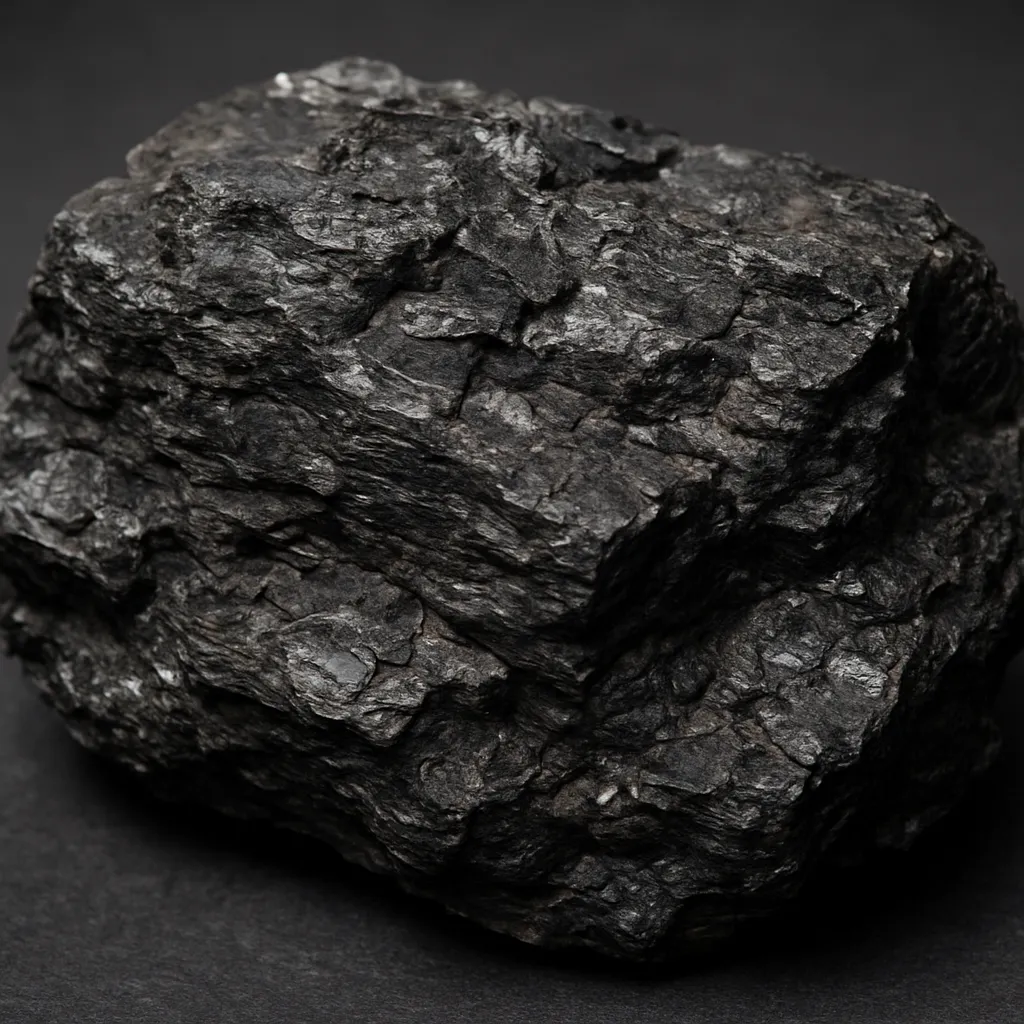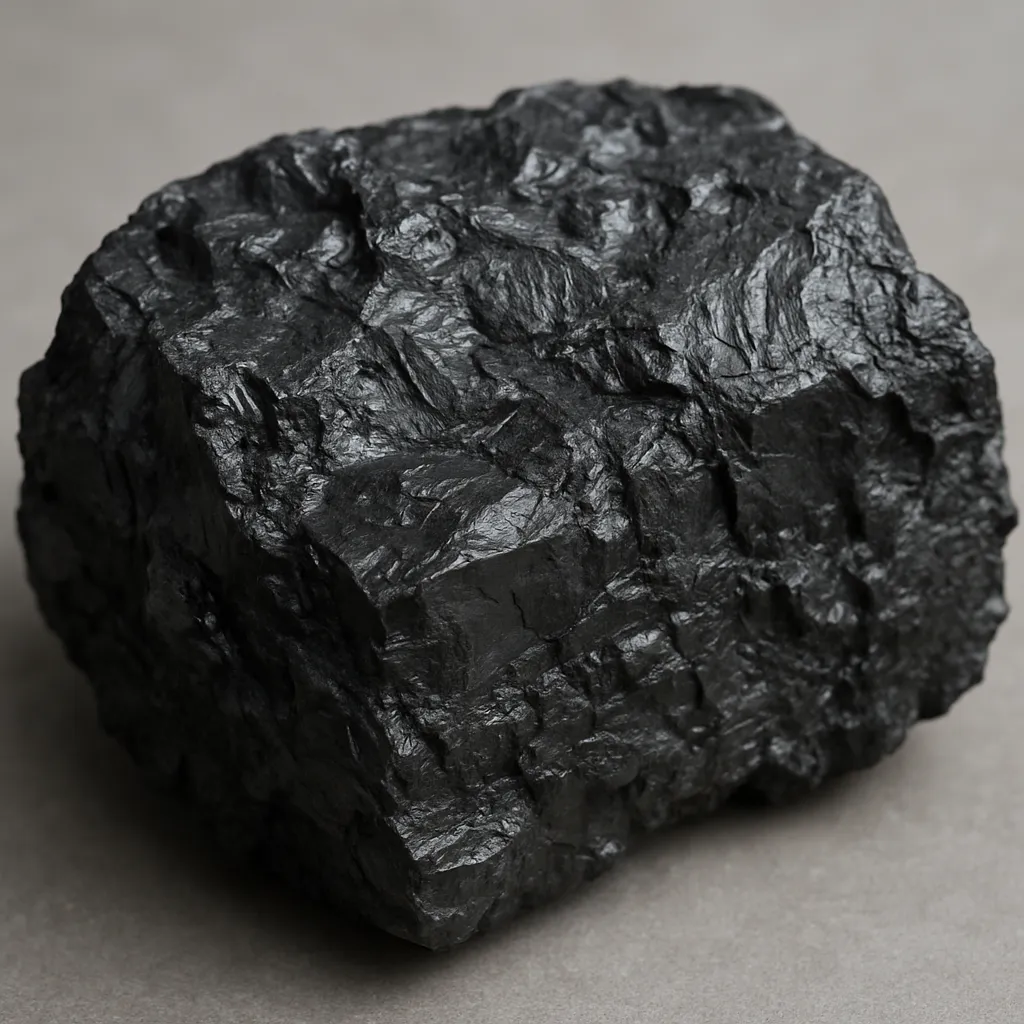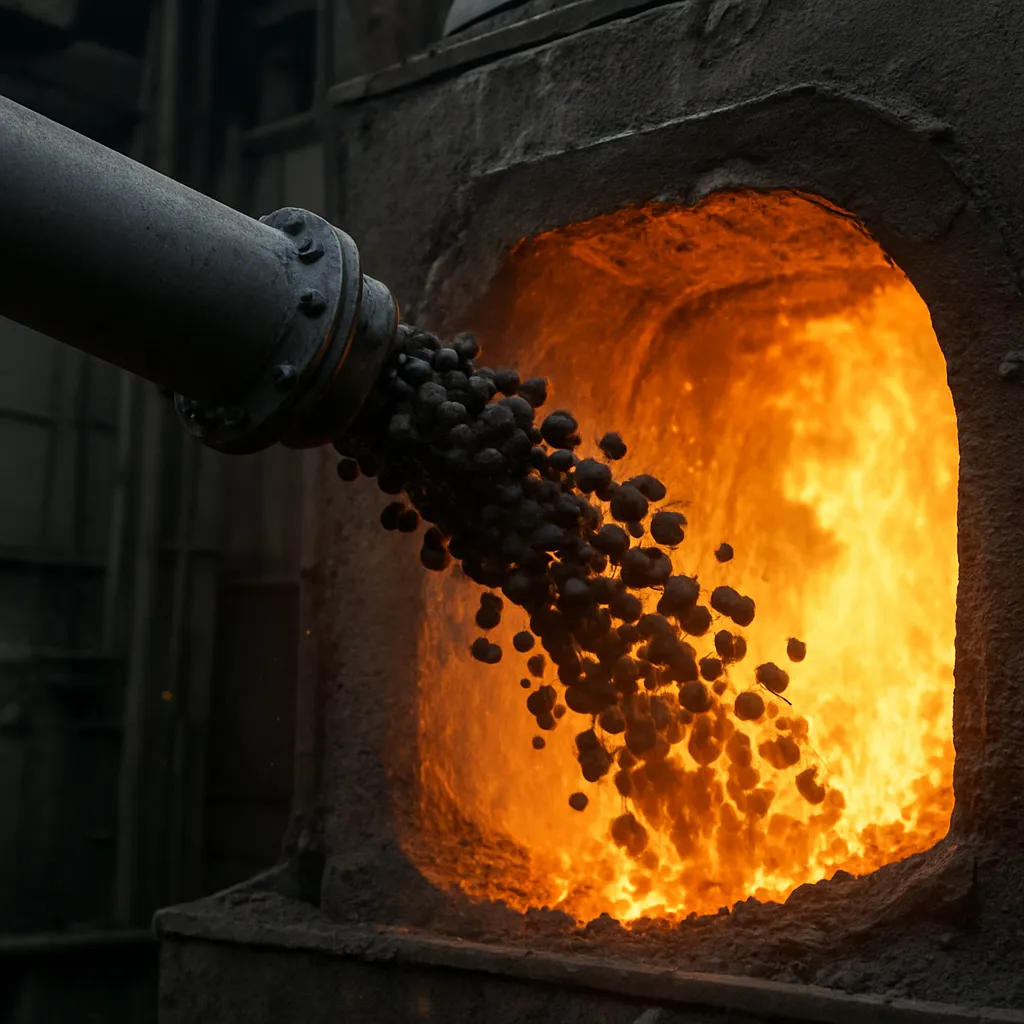
This article examines the role, characteristics, sources, economics and industrial importance of coal used for blast-furnace injection — commonly referred to as pulverized coal injection (PCI) coal. In modern ironmaking the practice of injecting finely ground coal directly into the blast furnace tuyeres has become a cornerstone of efforts to reduce the consumption of metallurgical coke and to lower operating costs. Below, you will find a detailed overview of the physical and chemical requirements of injection coal, where such coal is mined and traded, its economic and statistical context, its significance to steel production and evolving technological and environmental trends that shape its future.
Properties, selection criteria and technology of injection coal
Not all coals are equally suitable for use as blast-furnace injection feedstock. A set of technical, thermal and mechanical properties determines whether a coal can be efficiently ground, pneumatically transported, ignited and combusted within the furnace vicinity without harming furnace stability. The most important parameters considered by ironmakers and coal suppliers include calorific value, volatile matter, ash content and composition, sulfur and phosphorus levels, grindability and particle-size distribution after pulverization.
Key chemical and physical characteristics
- Calorific value: PCI coals typically have a coal heating value in the range of about 18–30 MJ/kg (gross), with many commercial PCI grades clustering between 22 and 28 MJ/kg. Higher calorific value increases energy input per unit mass and can improve thermal efficiency at the tuyere.
- Volatile matter: Moderate to high volatile matter supports reliable ignition and flame stability. Extremely low-volatile coals (pure anthracites) are more difficult to ignite and may reduce effectiveness in some blast-furnace designs.
- Ash content and composition: Low ash content (ideally below 10% on an as-received basis, though higher ash coals are used where economics demand) and benign ash chemistry (low levels of problematic elements such as alkalis or high levels of Si, Al that form undesirable slag phases) are preferred.
- Sulfur and phosphorus: Low sulfur and phosphorus are desirable to prevent degradation of hot metal quality and to reduce downstream gas cleaning costs.
- Grindability (HGI): A favorable Hardgrove Grindability Index (HGI) indicates that the coal can be pulverized efficiently. HGI values influence mill power consumption and fineness achievable.
- Particle size: After milling, the coal must achieve a fine, relatively uniform distribution to enable rapid combustion in the tuyere zone.
Mechanically, the coal must respond well to pulverizing equipment (ball mills, vertical roller mills, or air-swept mills) and to pneumatic conveying systems. Operational experience matters: certain coals can cause tuyere blockages, coke instability, excessive combustibles in gas or irregular hot-blast temperatures if not matched properly to furnace design.
Injection systems and operational parameters
Coal is injected as a finely ground powder through tuyere lance assemblies. The two main technological approaches are: direct pulverized coal injection (the majority) and paste/slurry injection (less common). Injection systems include coal milling, primary separation, pneumatic conveying, storage silos, and metering feeders. The performance of the injection system is measured by the injection rate (typically kilograms of coal per tonne of hot metal – kg/tHM), combustion efficiency in the tuyere zone, and the achievable level of coke replacement.
- Typical injection rates in many blast furnaces range between 80 and 200 kg/tHM, depending on furnace design, coal quality, and operational aims.
- Under optimized conditions, advanced installations report injection rates approaching or exceeding 200–250 kg/tHM, enabling substantial reduction of coke consumption.
- Combustion efficiency of injected coal is a critical variable; unburnt carbon adds to gas-phase combustibles and alters gas utilization and heat balance.
Where injection coal occurs and major mining regions
“Injection coal” is not a distinct geological coal rank, but a commercial classification that prioritizes suitability for pulverized injection rather than coking properties. Therefore, PCI coal is sourced from many conventional coal basins worldwide. Suppliers select seams and blends that meet injection specifications, often preferring cheaper non-coking bituminous and sub-bituminous coals that can be milled and burned effectively.
Major exporting and producing regions
- Australia: A major global supplier of thermal and semi-soft coals suitable for PCI, particularly from the Bowen Basin and Surat Basin. Australian coals are widely used by Asian steelmakers.
- Russia: Kuznetsk Basin (Kuzbass) and the Kansk-Achinsk areas provide coals that are used domestically and exported to Europe and Asia. Russian coals frequently serve the PCI market due to favorable calorific values.
- Colombia: Produces medium-volatile thermal coals with relatively low sulfur and ash, used increasingly for PCI in Asia and Europe.
- United States: Appalachian and Illinois Basin coals have been used for injection in domestic furnaces; however, US PCI usage is influenced by availability and price relative to other injectants.
- South Africa and Indonesia: Suppliers of sub-bituminous and low-rank coals used in some markets, though higher ash and trace elements require careful blending.
- China and India: Large domestic coal production supports local PCI markets, though the high ash content of some domestic coals presents operational challenges. Both countries also import PCI-suitable coal.
In practice, the selection of a coal for injection often involves blending multiple coals to achieve the target calorific value, ash chemistry and grindability. Logistics play a major role: proximity to ports, rail and inland shipping, storage and handling systems determine the feasibility and cost-effectiveness of specific coal sources.
Examples of supply chains and trade flows
Asia is the largest market for PCI coal due to the concentration of BF-BOF steelmaking capacity in China, Japan, South Korea and India. Australian and Russian exports therefore have strong linkages to these countries. European producers source PCI coal from Russia, Colombia and domestic mines where economic. Long-term contracts and spot cargoes both serve the market, and quality assurances (analysis certificates, sampling and testing) are essential for predictable furnace performance.
Economic, statistical and market context
From an economic perspective, the adoption of PCI is primarily driven by cost reduction: replacing metallurgical coke with cheaper injected coal reduces the need for cokemaking capacity and lowers operating costs. Additionally, PCI helps steelmakers hedge against coke price volatility and can improve furnace productivity when managed correctly.
Macro-statistics and scale
- Global crude steel production in recent years has been in the range of about 1.8–1.9 billion tonnes annually. The majority of this output — historically around 65–75% — is produced via the blast furnace-basic oxygen furnace (BF-BOF) route, which is the primary consumer of injection coal.
- Typical PCI usage per furnace varies widely. Modern optimizations can push injection rates above 200 kg/tHM in some facilities; typical fleet averages historically have been lower (often 100–150 kg/tHM), meaning national and global coal consumption for injection is substantial.
- Industry estimates (varying by source and year) place the global pulverized coal injection market at many tens of millions of tonnes annually. Exact global totals fluctuate with steel production levels, average injection rates and the penetration of alternative injectants such as natural gas.
Because PCI displaces coke, the economic effect also cascades into the cokemaking sector. Cokemaking is capital-intensive and environmentally challenging; reductions in coke demand can reduce capital and operational pressure on integrated steelworks and may shift investment towards pulverizing and injection systems instead.
Cost drivers and pricing
Key cost elements for PCI coal economics:
- Coal purchase price (FOB or CIF depending on trade terms)
- Freight, rail and inland logistics to the steel mill
- Milling and injection system capital and operating costs (mills, feeders, pneumatic conveying)
- Quality adjustments: coal beneficiation, blending and additives
- Impacts on coke consumption and cokemaking plant utilization
Steelmakers perform marginal cost analyses to decide the economically optimal injection rate: as injected coal increases, coke consumption decreases but combustion characteristics and furnace stability must remain acceptable. Above certain thresholds, further injection may compromise furnace permeability and reduce productivity, so economic optimization is complex and site-specific.
Industrial significance and operational impacts
Injection coal has reshaped ironmaking economics and operations over the last several decades. By allowing substantial replacement of coke with cheaper pulverized coal, steelmakers can reduce coke oven throughput, lower costs and respond flexibly to market conditions.
Benefits to steelmakers
- Reduction of metallurgical coke consumption — typically by 20–40% or more depending on injection rate and furnace design.
- Lower operating costs due to displacement of coke ovens and lower raw material expenses.
- Improved furnace thermal management when injection is well controlled, enabling higher productivity in some cases.
- Greater feedstock flexibility: ability to use various non-coking coals and blends rather than relying solely on expensive coking coal.
Operational challenges
Despite advantages, PCI introduces complexities:
- Combustion control: achieving consistent and complete combustion in the tuyere zone is technically demanding and depends on coal quality, mill performance and lance design.
- Blowpipe and tuyere wear: higher injection of pulverized solids can increase erosion and operational maintenance.
- Gas composition shifts: changes in CO and H2 concentration in the furnace gas profile affect reduction chemistry and energy balance.
- Hot metal quality: impurities present in injected coal (sulfur, phosphorus) can impact final product specifications if not managed.
Environmental aspects and future trends
The environmental implications of PCI coal use are nuanced. Injecting coal reduces the need for cokemaking — a process associated with high pollution intensity (volatile organic compounds, tars, benzenes and particulate emissions). At the same time, coal combustion produces CO2 and other gaseous pollutants; whether PCI reduces overall greenhouse gas emissions depends on lifecycle and process boundaries.
Decarbonization pressures and alternatives
- Hydrogen injection and direct hydrogen reduction (DRI) are emerging as long-term pathways to decarbonize ironmaking. Hydrogen can replace some proportion of the reducing agents and injected fuels, but large-scale transition requires widespread low-cost green hydrogen.
- Natural gas injection is widely practiced in many furnaces and tends to provide higher combustion efficiency and lower CO2 per unit energy (depending on methane leakage and upstream emissions) compared with coal in some contexts.
- Biomass and bio-coal: limited trials examine co-firing or co-injecting biomass-derived fuels with coal to reduce net CO2, though supply and milling issues remain.
- Carbon capture and storage (CCS): capturing CO2 from blast-furnace gases is technically possible but costly, and integration with coal injection affects gas composition and capture strategies.
In the medium term, a hybrid approach is likely: continued optimization of PCI alongside increased injection of gaseous fuels, incremental substitution with hydrogen where available, and a long-term shift toward DRI-EAF routes in regions pursuing aggressive decarbonization.
Statistics, industry data points and operational benchmarks
A few practical benchmarks that illustrate the role of injection coal in modern ironmaking:
- Average modern injection rates for many international blast furnaces commonly fall in the 100–200 kg/tHM range; specialized campaigns and advanced facilities may exceed 200 kg/tHM.
- Coke savings from PCI are significant — in many cases injections in the 150–200 kg/tHM range correspond to coke replacement rates on the order of 20–40% depending on furnace conditions.
- Global steel output and BF-BOF prevalence: with global crude steel production recently around 1.8–1.9 billion tonnes, and BF-BOF accounting for the majority, the aggregate demand for injection-compatible feedstocks is correspondingly large, measured in many millions of tonnes per year.
Note: the exact magnitude of global PCI coal consumption is not a single fixed number; it varies by year with steel output, fuel prices, and the rate of penetration of alternative injectants. Public industry reports, company disclosures and trade statistics provide the most reliable jurisdiction-specific figures when needed for detailed analysis.
Other interesting aspects and innovations
Several practical and technological developments around PCI coal are worth noting:
- Coal beneficiation and tailored blends: suppliers increasingly offer beneficiated, washed and blended PCI coals precisely matched to a furnace’s operational window, improving combustion and reducing ash-related problems.
- Advanced milling and monitoring: real-time monitoring of particle size distribution, mill performance and injection flow improves repeatability and reduces fouling risks.
- Computational modeling: furnace process simulation and tuyere jet modeling help predict combustion, gas flows and the impact of different coal qualities, enabling safer increases in injection rates.
- Use of coal fines and by-product streams: some operations utilize coal washery fines and other low-cost residues as part of PCI blends, offering waste valorization pathways while requiring careful quality control.
- Cross-industry value chains: shifts in coke demand have implications for coking coal markets, cokemaking capital investments, and secondary industries such as by-product recovery (tar, ammonia).
Practical guidance for steelmakers and coal buyers
For steel producers considering PCI optimization or procurement of injection coal, recommended practices include:
- Conduct thorough pilot tests and tuyere trials before large-scale changes in injection rate or new coal sources.
- Invest in reliable sampling, rapid analysis and quality assurance for incoming coal cargoes to avoid batch-to-batch surprises.
- Model the furnace thermochemistry and permeability impact of increasing injection — theoretical replacement of coke does not always translate linearly into operational savings.
- Consider logistics and storage: coal moisture, segregation and spontaneous combustion risks in stockyards influence effective delivered quality.
- Maintain flexibility to co-inject gaseous fuels or blends to manage furnace stability and emissions while optimizing costs.
Summary
Coal for blast-furnace injection is a strategically important commodity for traditional ironmaking. It offers clear economic benefits by reducing dependence on metallurgical coke, enabling cost savings and operational flexibility. The industry requires careful matching of coal properties to furnace requirements, robust logistics and operational discipline to realize benefits without compromising furnace performance. While global decarbonization trends will influence the long-term role of PCI — through hydrogen, gas injection and DRI adoption — in the near to medium term, injection coal remains a central component of the BF-BOF steelmaking pathway and a significant traded commodity in global coal markets. The interplay between coal quality, injection technology and environmental policy will continue to shape how steelmakers use and source this important feedstock.