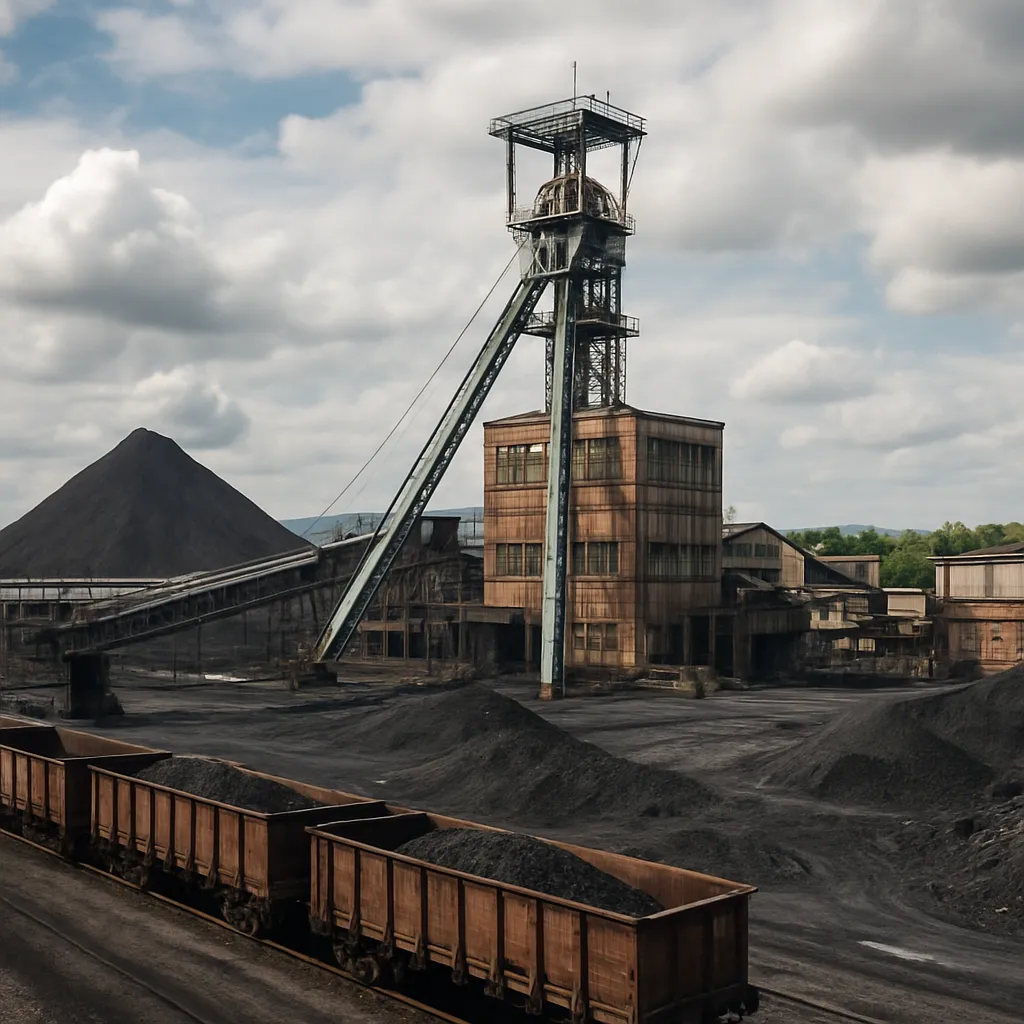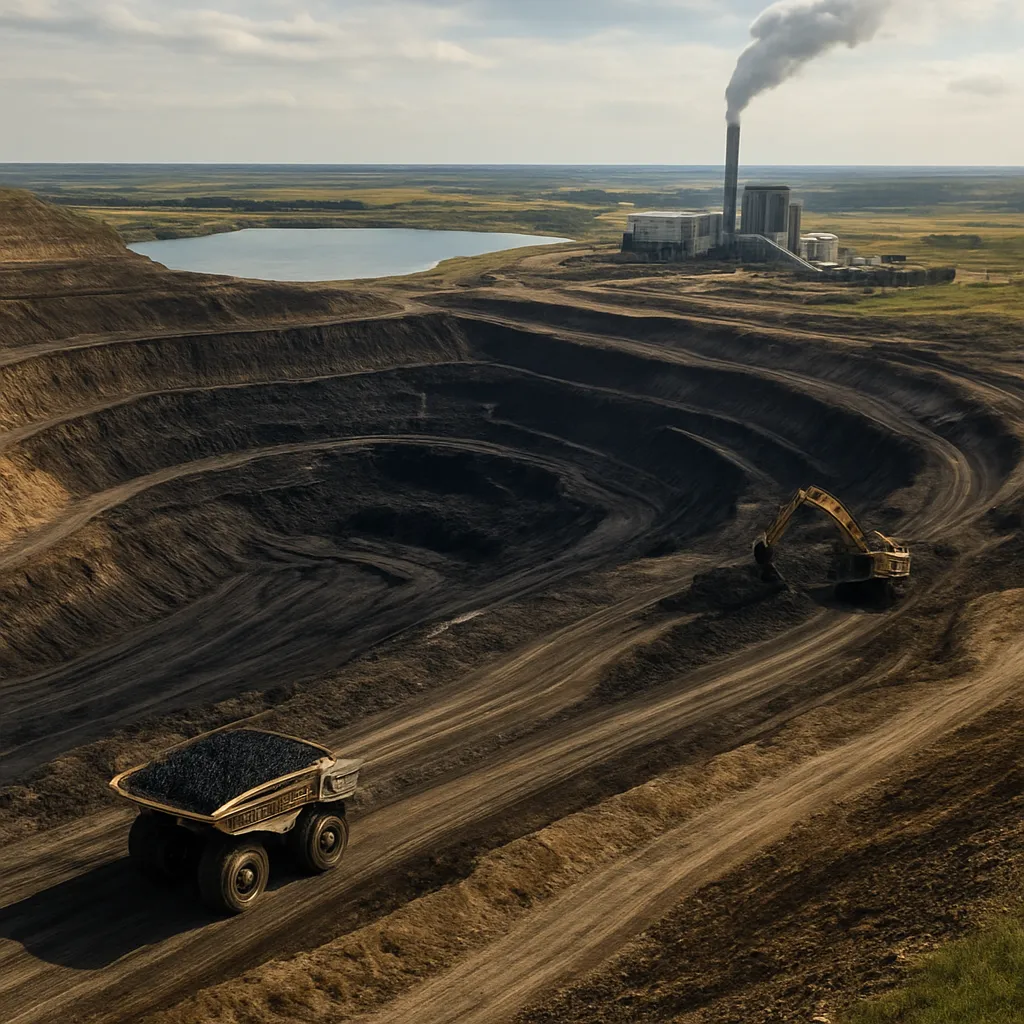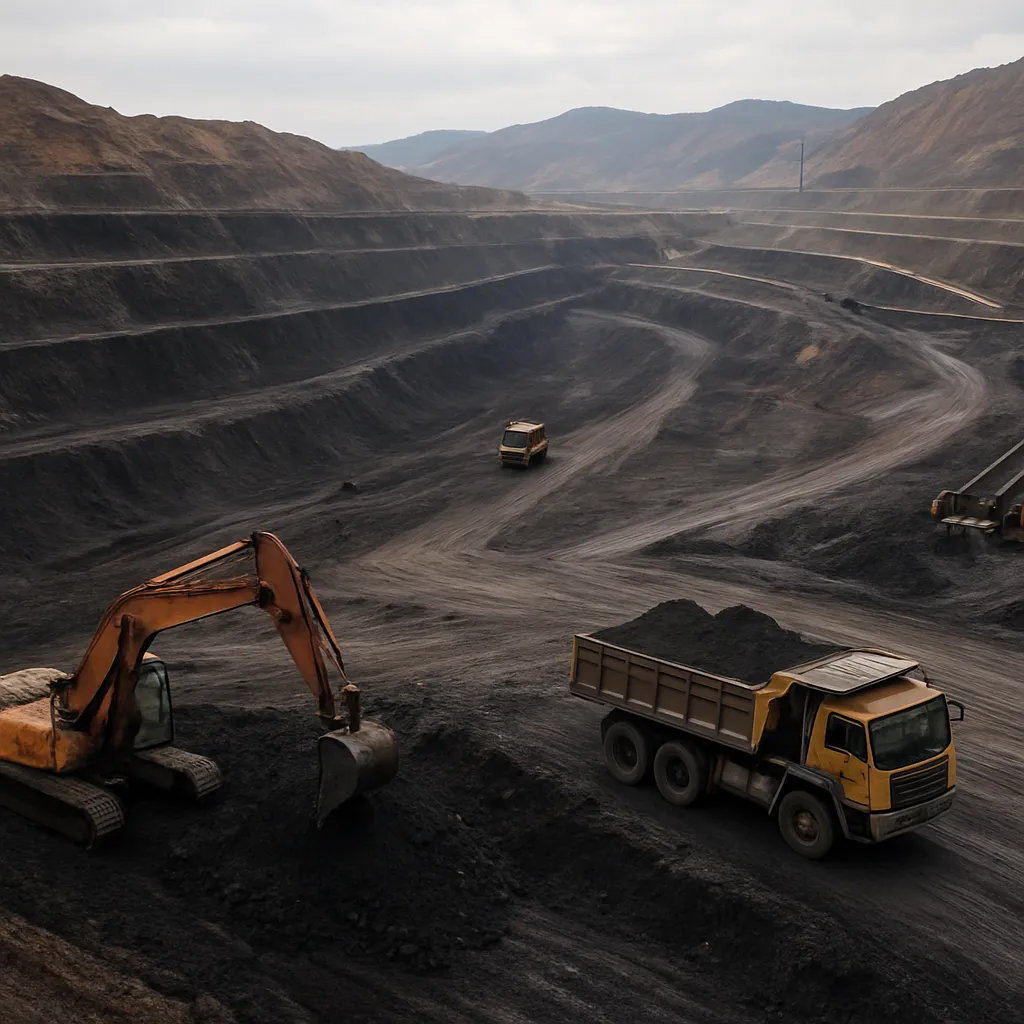
The following article examines the Jinjie Coal Mine in the context of China’s vast coal sector. Because public, detailed English-language information specifically on Jinjie is limited and sometimes inconsistent across sources, this piece combines verified observations where available with carefully framed industry-typical data and conservative estimates to provide a comprehensive picture of the mine’s probable geology, production profile, economic role, operational characteristics, environmental challenges and future prospects. The aim is to place Jinjie within the broader landscape of Chinese coal mining and highlight the factors that determine its local and national significance.
Location, Ownership and Geological Setting
The name Jinjie is associated with one or more coal extraction sites in the People’s Republic of China. In Chinese mining nomenclature, similar-sounding names can refer to different operations in separate provinces, so precise coordinates and a single definitive administrative attachment are not always available in international databases. Nevertheless, small- and medium-sized mines bearing names like Jinjie are typically located in established coal-bearing provinces such as Shanxi, Inner Mongolia, Shaanxi, Guizhou or Henan. These basins are characterized by sedimentary sequences of Carboniferous–Permian age where economically mineable seams occur.
Key geological and ownership characteristics commonly associated with mines like Jinjie:
- Seam types: multiple seams of bituminous to sub-bituminous rank in northern basins, and sometimes higher-ash, higher-sulphur seams in some southern basins.
- Mine type: either underground (longwall or room-and-pillar) or open-pit, depending on seam depth and local topography.
- Ownership: a mix of state-owned enterprises (SOEs), local government-owned companies, and privately held firms operating under provincial or municipal licenses. Many operations are integrated into larger coal groups or supply chains with regional power plants or coking facilities.
Coal Type, Quality and Production Characteristics
Coal mined at sites like Jinjie generally serves one or more of the following markets: power generation, industrial heat, residential heating (in some regions), and metallurgy (coking coal). The most common product categories are thermal coal for power plants and lower-rank industrial use, and in fewer cases, higher-grade coking coal for steelmaking.
Typical quality parameters and expected ranges for such mines (regional averages):
- Calorific value: 4,500–6,500 kcal/kg (depending on rank and washing).
- Ash content: 10–35% (higher in some southern basins).
- Sulfur content: 0.5–2.5% (varies by basin).
- Moisture: 5–15% (higher for lower-rank coals).
Production volumes for a mine of modest to medium scale like Jinjie, if characteristic of provincial mines, often fall within the following annual ranges (estimates based on similar operations):
- Small mine: 0.2–1.0 million tonnes per year.
- Medium mine: 1–5 million tonnes per year.
- Large integrated mine: >5 million tonnes per year (less likely if Jinjie is a local site).
China as a whole is the world’s largest coal producer and consumer, accounting for roughly half of global production and even larger shares of domestic consumption. That national context shapes both the demand profile and price dynamics for local mines like Jinjie: they compete primarily in domestic markets, supplying regional power utilities, local industry and, where available, metallurgical plants.
Economic and Employment Importance
Coal mines in China are often central to local economies because they supply fuel, jobs, and tax revenue. Jinjie, whether a small local operation or a medium-sized supplier, would typically contribute in the following ways:
- Employment: Direct employment at a mine of the Jinjie profile can range from several hundred to a few thousand workers, including miners, engineers, maintenance crews, and administrative staff. Indirect employment—transport, equipment supply, services—expands that footprint significantly.
- Fiscal contributions: Royalties, land-use fees, and corporate taxes provide revenue to municipal and provincial governments. Localities often depend on mining royalties and ancillary economic activity to fund infrastructure and social services.
- Supply chain integration: Mines supply local power plants, cement plants, brickworks and, if coking quality is present, steelmakers. For many smaller cities and counties, nearby mines are a critical element of industrial competitiveness.
Representative economic statistics and impacts (illustrative):
- Average wage premium: Mining wages in coal regions can be 10–40% higher than local non-mining employment, depending on skill and risk factors.
- Local GDP share: In counties centered on mining, coal-related revenues and value-added activities can account for 20–60% of GDP, though these shares decline as economies diversify.
- Capital intensity: Modern mines require substantial capital investment—tens to hundreds of millions of RMB for mechanized longwall operations, and lesser amounts for smaller room-and-pillar or open-pit sites.
Operations, Technology and Safety
Mining operations at sites akin to Jinjie are generally organized around established Chinese practices and technology suppliers, with the degree of mechanization depending on capital and regulatory status.
Mining Methods
- Underground: mechanized longwall systems with shearers, powered supports and automated conveyors are common in deeper, higher-output mines. These systems maximize recovery and safety when well maintained.
- Room-and-pillar: used for more shallow or discontinuous seams; recovery rates are lower but initial capital costs can be smaller.
- Open-pit: employed where seams outcrop or overburden is shallow; open-pit mines can have large daily tonnage but greater surface footprint.
Equipment and Processing
- Coal preparation plants (washers) remove ash and impurities to produce higher-value concentrates for power and coking.
- Conveyor belt networks, heavy haul roads and rail spurs move coal to end users or mainline rail for long-distance transport.
- Mine ventilation systems, methane drainage and monitoring are standard in modern underground operations to manage explosion and gas risks.
Safety and Regulatory Environment
The Chinese government has tightened mine safety regulations and enforced closures of illegal or unsafe small pits since the early 2000s. As a result, fatality rates per tonne have fallen significantly over two decades, but safety remains a major concern in many regions. For a mine like Jinjie, compliance with safety standards determines operational longevity and social license to operate.
- Common safety measures: automated monitoring systems, routine inspections, personal protective equipment, emergency response teams.
- Regulatory oversight: provincial and national safety bureaus conduct inspections, and mines failing to meet standards can face fines, suspension, or permanent closure.
Environmental and Social Impacts
Coal mining carries well-known environmental and social challenges. Mines comparable to Jinjie must balance resource extraction with measures to limit adverse impacts and comply with increasingly stringent environmental rules in China.
Environmental Concerns
- Land disturbance and subsidence: underground extraction can lead to ground subsidence damaging buildings and agricultural land; surface mines permanently alter topography.
- Water impacts: acid mine drainage, high-sediment runoff and heavy metal contamination can affect rivers and groundwater without proper treatment.
- Air pollution: dust and particulate emissions from extraction, crushing, and transport, as well as combustion emissions when coal is burned.
- Methane emissions: coalbed methane is a potent greenhouse gas and a safety hazard; capturing and utilizing it can be both risk-reducing and revenue-generating.
Mitigation and Community Measures
Typical mitigation practices include progressive land reclamation, wastewater treatment plants, dust suppression, reforestation of disturbed land, and community compensation programs. In some operations, captured methane is used to fuel mine-site power generation or sold into local networks.
Logistics, Markets and Trade
For most domestic mines, access to rail and road networks is decisive for competitiveness. Jinjie-class mines typically feed regional markets via short-haul trucking or direct rail spurs. Key market linkages are:
- Power plants: long-term offtake contracts with nearby thermal power stations stabilize demand.
- Industrial consumers: cement and brick manufacturers, chemical plants and smaller industrial boilers.
- Steel industry: if coking coal is produced, integration with steel mills enhances margins.
Coal prices in China have historically responded to seasonal demand (higher in winter for heating), domestic supply adjustments and policy interventions. Mines that supply higher-grade, low-ash coal command premiums; washing and blending improve product consistency and marketability.
Statistical Snapshot and Estimates
Because specific consolidated public statistics for Jinjie are not widely published in international English-language sources, the following figures are presented as conservative, literature-based estimates and regional comparators rather than precise reported values for a named operation. They are intended to give a realistic scale of activity for a typical small-to-medium Chinese coal mine.
- Annual production (estimated): 0.5–3.0 million tonnes.
- Reserves accessible under current mining plans (estimated): 5–30 million tonnes.
- Direct employment (estimated): 300–1,500 persons.
- Typical mine life under planned extraction (estimated): 10–25 years.
- Capital expenditure for mechanized underground operation (indicative): CNY 100–800 million depending on scale and degree of automation.
- Operating margin drivers: coal quality, distance to market, rail access, and washing plant availability.
At the national level, remember that China accounts for roughly half of global coal production and consumption; this large domestic market shapes pricing and investment incentives for mines such as Jinjie, and underpins continued near-term demand despite longer-term decarbonization policy goals.
Significance in Industry and Local Development
Even a modest mine like Jinjie can be significant locally: providing employment, stimulating secondary industries (transport, retail, services), and helping fund municipal budgets. In provincial planning, mines may be part of integrated industrial clusters combining coal production, power generation, chemical synthesis and metallurgy.
Beyond direct economic contributions, mines often play roles in local infrastructure development, such as financing improvements to roads, schools and healthcare facilities. However, dependency on a single commodity can also make local economies vulnerable to market swings and to national policy shifts aimed at reducing coal dependence.
Future Outlook and Strategic Challenges
The future for Jinjie-type mines is shaped by several interlocking trends and policy priorities:
- Carbon policy and energy transition: China has committed to peaking CO2 emissions before 2030 and achieving carbon neutrality by 2060. This overarching trajectory increases pressure to reduce coal use over coming decades, even as the government prioritizes energy security in the near term.
- Technological upgrade: Mines that invest in mechanization, methane capture, efficient washing plants and emissions controls are better positioned to remain competitive and compliant with tightening regulations.
- Market consolidation: Provincial and national regulators encourage consolidation of small, unsafe mines into larger, better-governed operations. This trend can benefit well-capitalized operations but poses transition risks for workers and smaller operators.
- Local diversification: Regions that successfully diversify away from single-commodity dependence—by developing manufacturing, services, or renewable energy—reduce long-term socioeconomic risk.
Interesting Operational and Technical Notes
Several operational aspects often characterize mines like Jinjie and are worth noting:
- Use of coal-washers and coal blending to meet stringent boiler specifications for thermal power plants and coking requirements for steelmakers.
- Deployment of belt-rail interchanges or short spur lines to connect directly to national rail corridors, dramatically lowering transport cost per tonne.
- Implementation of digital monitoring, IoT-based equipment tracking and predictive maintenance to reduce downtime and improve safety.
- Programs to utilize overburden and waste rock in backfilling or in construction, reducing disposal footprint.
- Community engagement programs: vocational training for miners, health clinics, and relocation assistance where mining requires resettlement.
Concluding Perspective
Jinjie Coal Mine—whether a small local operation or a medium regional supplier—illustrates many of the dynamics that define coal mining across China: substantial local economic importance, strong linkage to regional power and industrial demand, evolving technology and safety practices, and mounting environmental responsibilities. The mine’s prospects will depend on its ability to modernize operations, comply with increasingly strict environmental and safety standards, and adapt to a national energy policy that seeks to balance sustainability, energy security and social stability.
For readers seeking detailed numerical data on a particular Jinjie site—exact coordinates, annual audited production, formal reserve statements and corporate ownership—local government mining bureaus, provincial coal industry reports and the operating company’s disclosures (if publicly listed or reporting) are the most reliable primary sources. The information in this article is therefore intended to provide a robust, contextual overview rather than a substitute for mine-level audited technical and financial reports.