The story of coal is one of transformation, resilience, and technological ingenuity. Once the primary driver of the Industrial Revolution, this abundant fossil fuel has evolved through centuries of innovation. Despite mounting environmental concerns, coal remains a key player in power generation, steelmaking, and chemical production. In recent years, researchers and engineers have raced to develop clean combustion methods, advanced carbon management, and novel processes that can keep coal relevant in a decarbonizing world. This article delves into the cutting‐edge technologies, market forces, and regulatory landscapes shaping the modern coal industry.
Evolution of Coal Technology
History and Transformation
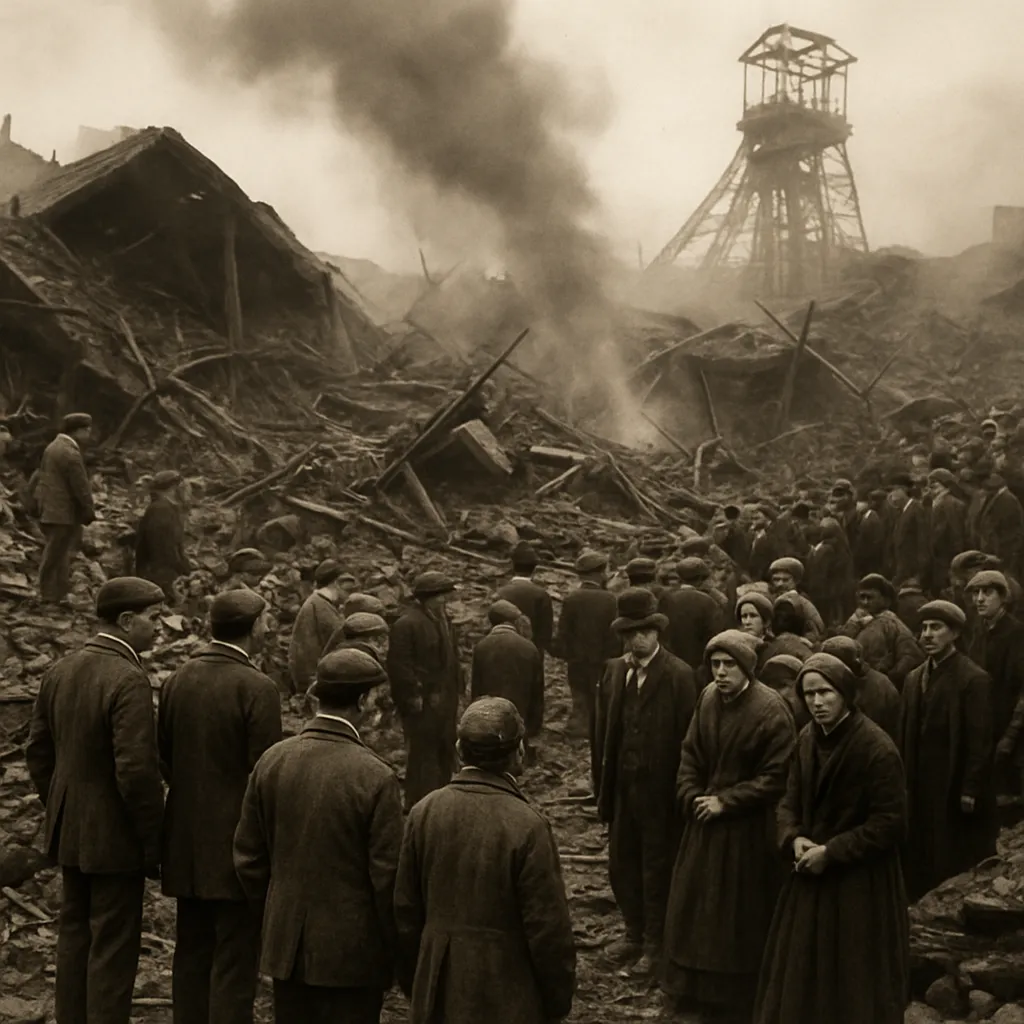
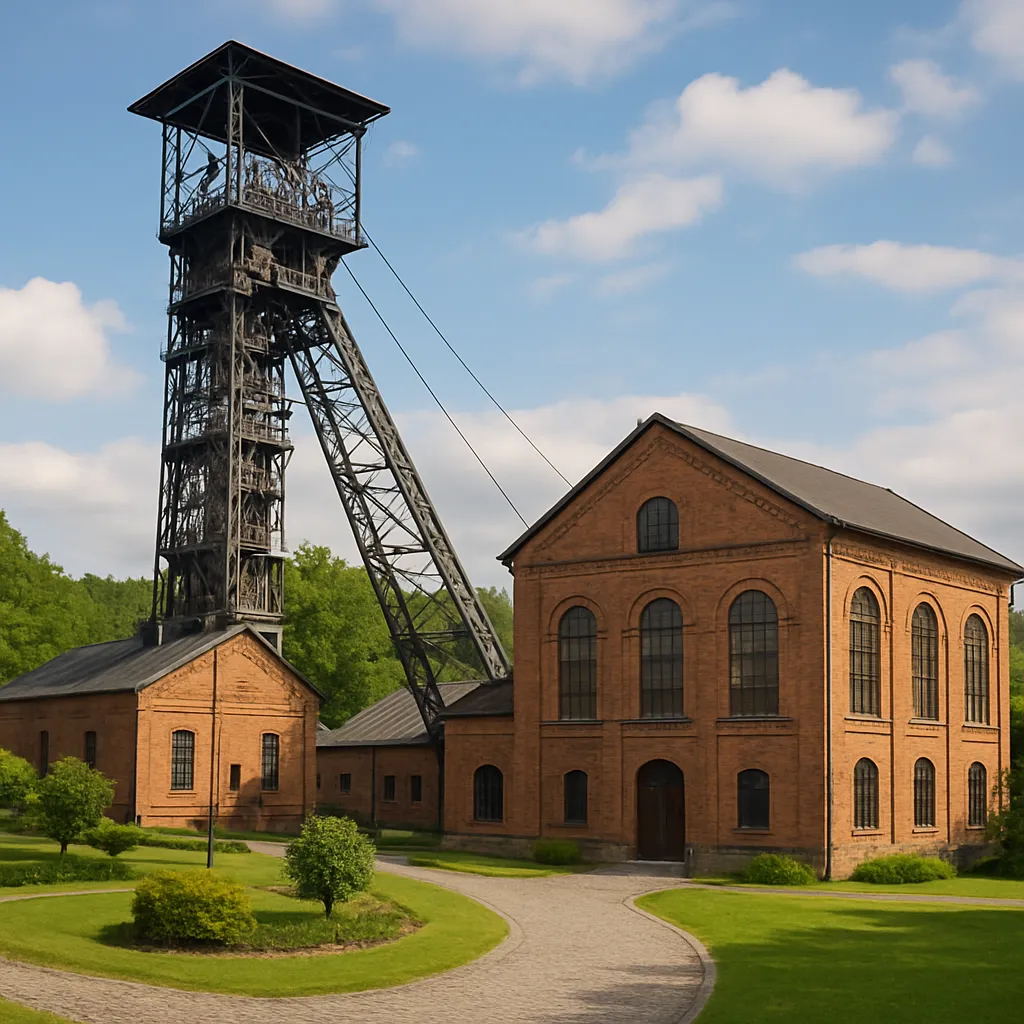
Coal’s journey from shallow pits to deep underground mines has been marked by continuous progress in machinery and safety protocols. Steam engines once pounded the iron rails of early railroads, fueled by black coal that powered factory belts and urban street lamps. Mechanization in the 20th century introduced conveyor belts, shuttle cars, and longwall miners, greatly improving extraction rates and reducing manual labor. Today, automated drilling rigs guided by AI algorithms can operate 24/7, pinpointing seams with unprecedented precision.
Next‐Generation Clean Techniques
Traditional coal combustion is notorious for pollutants such as sulfur dioxide, nitrogen oxides, and particulate matter. Enter advanced emission controls and emissions mitigation strategies. Flue‐gas desulfurization units—colloquially known as scrubbers—remove sulfur compounds, while selective catalytic reduction systems tackle NOx. Yet the most revolutionary leap involves carbon capture methods. Post‐combustion scrubbers, pre‐combustion gasifiers, and oxy‐fuel boilers are among the frontrunners:
- Post‐combustion systems strip CO₂ from flue gases using amine solvents or solid adsorbents.
- Pre‐combustion gasification converts coal into syngas (CO and H₂), allowing CO₂ to be separated before combustion.
- Oxy‐fuel combustion burns coal in pure oxygen, yielding a CO₂‐rich flue stream that’s easier to capture.
Emerging techniques such as chemical looping promise near‐zero CO₂ releases by cycling metal oxides that transfer oxygen to the fuel. With pilot plants underway, these methods may soon redefine what “clean coal” truly means.
Coal Stock Trading and Market Dynamics
Investors track coal companies on major exchanges, analyzing earnings, reserve volumes, and forward guidance. The stock market for coal has seen dramatic swings based on fuel competition, macroeconomic trends, and shifting energy policies. Key drivers include global demand for electricity, pricing of natural gas, and the pace of renewable deployment. In developing regions, rising consumption in thermal power plants underpins steady coal sales, whereas in mature markets, environmental constraints weigh heavily on share valuations.
- Supply/Demand Balance: Overcapacity can depress prices, while mine closures tighten supply.
- Commodity Prices: Coal competes with oil, gas, and biomass; fluctuations in these markets affect profitability.
- Geopolitical Risks: Trade tariffs, export bans, and diplomatic tensions influence shipping routes and import volumes.
- Financial Health: Debt levels, liquidity ratios, and capital expenditure plans are scrutinized by analysts.
Institutional investors often seek diversification through coal‐sector exchange‐traded funds and energy indices. Meanwhile, activist campaigns and ESG criteria have prompted some fund managers to divest from high‐carbon assets, adding downward pressure on sector valuations. Nonetheless, savvy traders identify pockets of opportunity in regions or niche technologies where coal remains indispensable.
Long‐term investment in coal infrastructure can hedge against volatility in gas prices and intermittent output from solar or wind farms. Governments in energy‐hungry economies still subsidize thermal coal to ensure baseload power at affordable rates, making related equities attractive for yield‐seeking portfolios.
Environmental and Regulatory Challenges
Public concern over climate change has led to stricter emissions targets and tighter pollution controls. Coal plants face mandatory performance standards under national and international frameworks—from the U.S. Clean Air Act to the EU’s Industrial Emissions Directive. The push for sustainability demands that new installations achieve superior efficiency and minimal environmental footprint, while legacy facilities undergo retrofits or risk early retirement.
- Air Quality Limits: Caps on SO₂, NOx, mercury, and particulate matter require costly after‐treatment systems.
- Carbon Pricing: Emissions trading schemes and carbon taxes internalize CO₂ costs, altering generation economics.
- Land Reclamation: Regulations mandate restoration of mining sites, adding to operational expenses.
- Water Use Restrictions: Thermal stations consume significant water; drought‐prone areas impose usage curbs.
Compliance requires meticulous monitoring, frequent reporting, and uncertainty over future policy adjustments. Many coal operators form partnerships with equipment suppliers and research institutions to share the burden of retrofits and ensure alignment with evolving regulation. Social license to operate also depends on transparent engagement with local communities, addressing health impacts and economic dependencies.
Future Outlook and Innovation in Coal
Hybrid Energy Systems
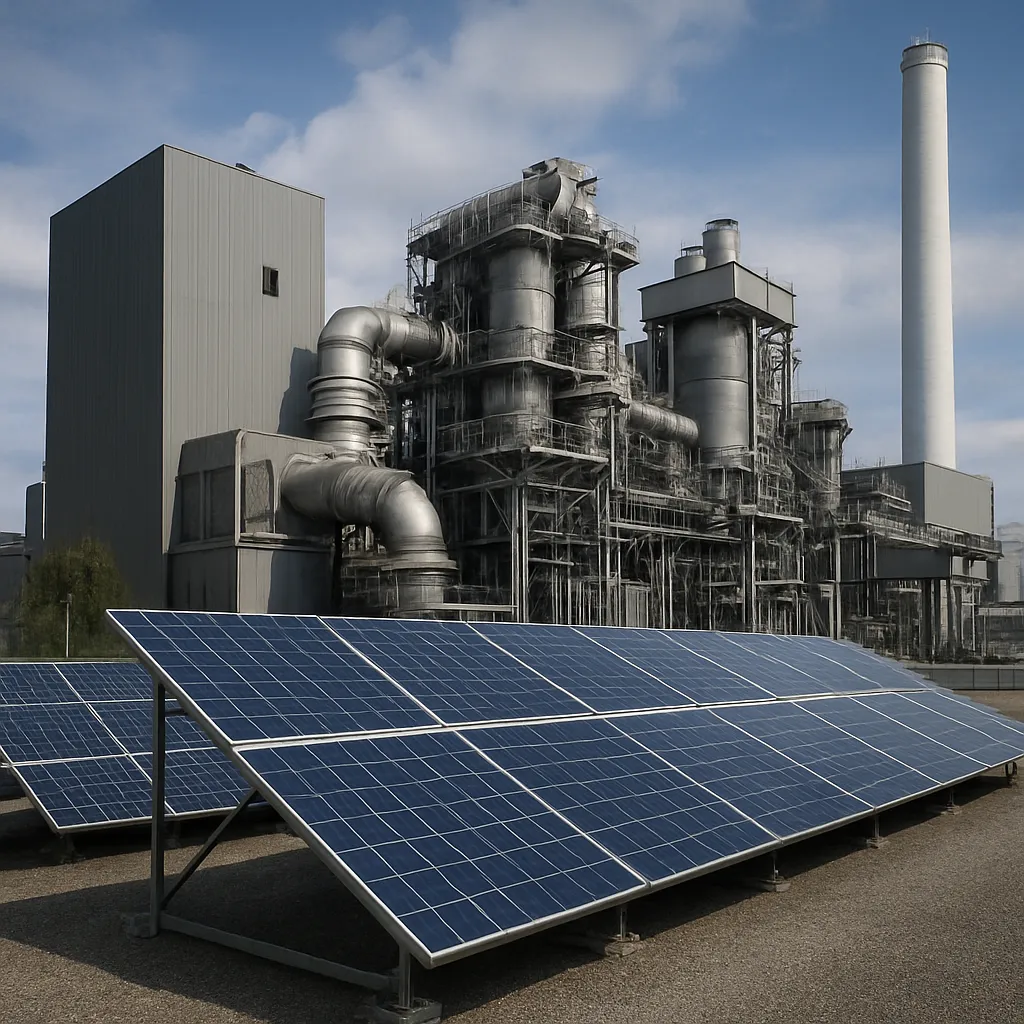
Rather than supplanting coal entirely, some utilities are exploring hybrid configurations. By coupling coal‐fired boilers with battery storage, waste‐heat recovery, or solar panels, power plants can balance load swings and reduce net emissions. Co‐firing biomass or municipal waste pellets with pulverized coal further cuts greenhouse gas intensity. These symbiotic designs leverage existing assets while integrating greener sources.
Pathways to a Greener Grid
Technologies under development promise to secure uninterrupted baseload power with minimal carbon output. Innovations such as coal‐to‐hydrogen conversion, direct air capture integration, and molten salt energy storage systems aim to blend renewable principles with fossil reliability. Governments keen on energy security fund demonstration projects that convert old coal sites into low‐carbon hubs, maintaining employment and grid resilience. As these pilot ventures scale up, the industry may witness a renaissance of coal in a sustainable guise—proving that even the oldest fuel can benefit from the latest breakthroughs.