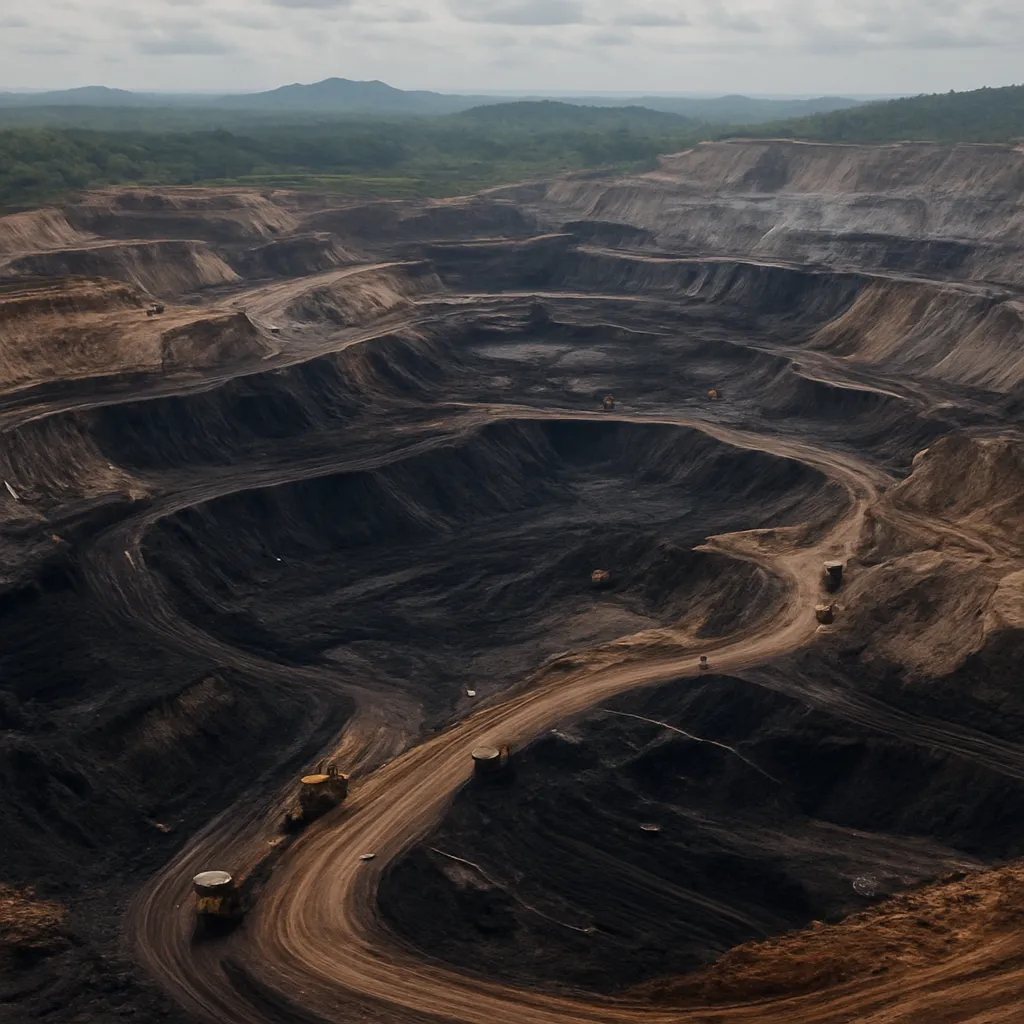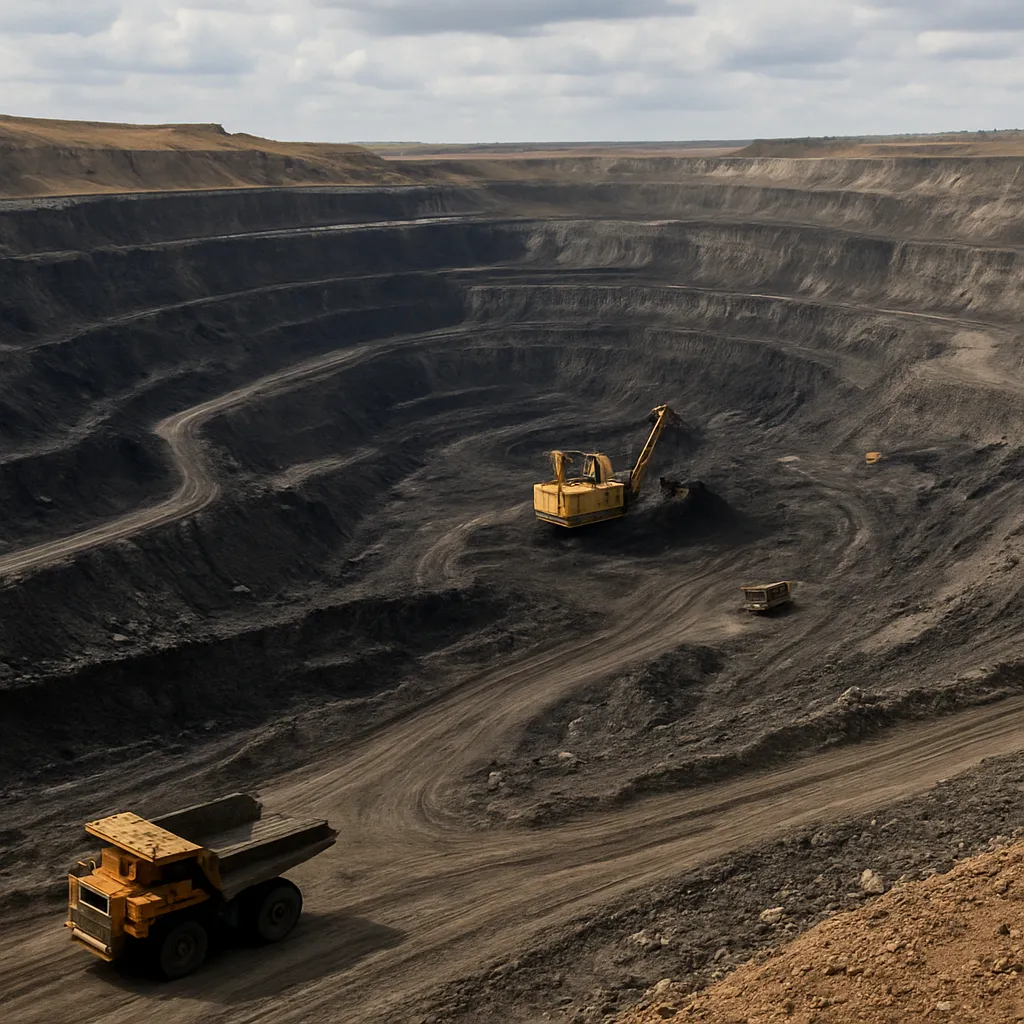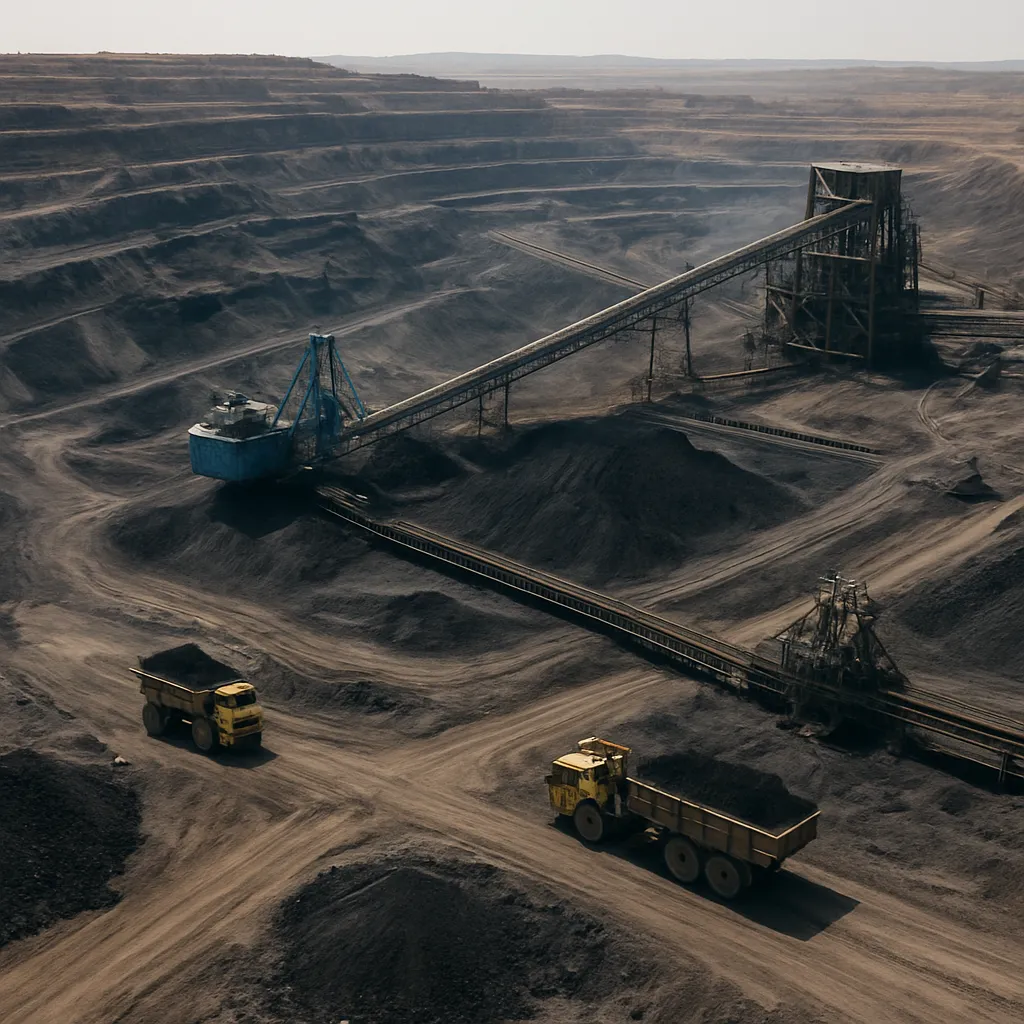
The Forzando Coal Mine, situated within South Africa’s prolific coal-bearing regions, represents an example of the country’s long-standing reliance on coal for energy, metallurgical processes and export revenues. This article explores the mine’s location and geology, the type and characteristics of the coal produced, operational and economic aspects, broader industrial significance, social and environmental dimensions, as well as contemporary challenges and future perspectives. Wherever possible, available statistical context for the South African coal sector is included to frame Forzando’s role within a national and regional setting.
Location and geological setting
Forzando Coal Mine is generally reported to lie in the coal-rich province of Mpumalanga, within South Africa’s Highveld coal basin — one of the principal coalfields in the country. The Highveld and adjacent Karoo and Waterberg basins contain the bulk of South Africa’s economically recoverable coal. The coal seams in this area formed during the Permian and Carboniferous periods and are typically interbedded with mudstones, siltstones and occasional sandstone layers. These sedimentary sequences host multiple economically important seams with variable thickness, depth and quality.
Geologically, the site is characterized by typical coalfield features: gently dipping seams, overburden composed of shales and sandstones, and seam systems that may be accessed by either underground or opencast mining depending on seam depth and local economic considerations. The predominance of relatively shallow to moderately deep seams makes the region attractive for both surface and underground operations. The regional geology also influences water ingress, geotechnical stability and mine design.
Coal type, quality and end-uses
Coal produced in the Mpumalanga Highveld is predominantly of the bituminous rank, with a spectrum that ranges from low- to medium-volatile bituminous coal. Forzando’s product is commonly described as a blend suitable primarily for thermal power generation, but some seams may yield coal that meets specifications for metallurgical use after beneficiation. Typical characteristics of Highveld coals include variable calorific values, moderate ash content and sulfur levels that require attention in environmental controls and processing.
Key coal quality parameters that determine market value and use include:
- Calorific value (energy content) — determining competitiveness for power plants;
- Ash content — affecting combustion efficiency and waste handling;
- Volatile matter and fixed carbon — influencing combustion and coking potential;
- Sulfur and trace element levels — relevant for emissions control and regulatory compliance.
In practical terms, coal from a mine like Forzando would primarily feed domestic power stations and industrial users, while higher-grade or beneficiated fractions could be directed to export markets. South African coal is also used in coal-to-liquids and petrochemical feedstock in specialized facilities.
Mining methods, operations and workforce
Operations at collieries in the Highveld region use a combination of open-pit and underground mining methods. The choice depends on seam depth, thickness and economic trade-offs between stripping ratios and underground extraction costs. Typical mechanized underground methods include bord-and-pillar and longwall systems where seam geometry and geotechnical conditions permit. Surface mines employ conventional drill-and-blast or continuous mining equipment, followed by large earthmoving fleets to handle overburden and ROM (run-of-mine) coal.
A mine of Forzando’s profile would be staffed by a diverse workforce: miners, engineers, geologists, environmental specialists, maintenance crews, logistics and administrative personnel. Employment levels vary widely by mine scale; many Highveld collieries support several hundred to a few thousand direct jobs, with additional indirect employment in services, transport and local supply chains. Labour relations, skills development and mine safety are perennial operational priorities in South African coal operations.
Economic and statistical context
While detailed, mine-specific production figures for Forzando are not universally published in public domain summaries, understanding its significance requires situating the mine within the broader South African coal economy. South Africa has historically been one of the world’s largest coal producers. In recent years, national coal production has typically ranged in the vicinity of 200–260 million tonnes per annum, with export volumes often around 60–80 million tonnes per annum, though yearly totals fluctuate with global demand, domestic power-generation needs and local disruptions.
At the mine level, annual output for collieries in the Highveld varies:
- Small collieries may produce under 0.5 million tonnes annually;
- Medium-sized operations typically range from 0.5 to 3 million tonnes per year;
- Large complexes or multi-section mines can exceed 3 million tonnes annually.
Forzando would likely fall into the small-to-medium production category, contributing both to local supply chains and to exportable tonnage when integrated with beneficiation and blending facilities.
Economically, coal mining contributes directly to South Africa’s GDP, supports energy security (coal fuels a significant share of electricity generation), and underpins local economies through wages, royalties and procurement. Royalties and taxes from coal operations fund government services, while export receipts play a role in balance-of-payments dynamics. In mining regions, collieries stimulate secondary industries: railway logistics, port handling, equipment supply, and engineering services.
Infrastructure, logistics and markets
The commercial viability of a mine like Forzando is intimately linked to transport infrastructure. Coal is moved by rail and road to domestic power stations or export terminals. South Africa’s major export route for coal is via the Richards Bay Coal Terminal (RBCT) on the east coast; inland collieries rely on a network of heavy-haul rail corridors that connect Mpumalanga to RBCT and to industrial hubs. Adequate rail capacity, reliable rolling stock and port slot availability are critical constraints that influence mine production and profitability.
Domestic markets include Eskom (the national power utility), industrial users (cement, chemical and metallurgical plants), and smaller local consumers. International markets for South African coal historically include Europe and Asia, with demand patterns influenced by price competitiveness, shipping costs and regulatory regimes in importing countries. Blending strategies and coal washing (beneficiation) can tailor shipments to meet specific calorific and ash specifications demanded by foreign buyers.
Ownership, history and local importance
Many collieries in Mpumalanga have long histories dating to the early 20th century. Ownership structures in the South African coal sector are diverse: multinational mining corporations, large domestic mining groups, mid-tier players and local junior companies. Partnerships, concessions and community-share arrangements are also common as a means of promoting local participation and socio-economic development.
Historically, mines such as Forzando have been central to town development, providing housing, schools and social amenities in mining towns and contributing to local economic resilience. Over time, the character of these communities can change as mines expand, mechanize and alter their workforce composition. Legacy issues — including mine closure liabilities, tailings storage, and community health impacts — often remain central to the intergenerational relationship between collieries and their host communities.
Environmental and social considerations
Coal mining in South Africa brings significant environmental and social responsibilities. Key environmental challenges include:
- Air quality: dust and combustion-related emissions from coal handling and use;
- Water management: acid mine drainage, groundwater drawdown and surface water contamination;
- Land disturbance: large footprint from open pits, waste rock dumps and infrastructure;
- Tailings and waste coal management: long-term stability and contamination risks.
Mines must operate within environmental permitting frameworks and implement rehabilitation plans to mitigate long-term impacts. Progressive rehabilitation and closure funding are increasingly scrutinized by regulators, financiers and communities.
Socially, mines like Forzando play a central role in job creation and local procurement. However, they also must manage impacts on community health, local infrastructure strain, and the socio-economic effects of cyclical commodity markets. Stakeholder engagement, skills training, and investment in community development projects are common corporate responses to these challenges. Occupational health and safety is a critical domain, given the risks associated with underground work, heavy machinery and dust exposure.
Regulatory environment and fiscal regime
South African coal operations are subject to a comprehensive regulatory and fiscal framework:
- Licensing and mineral rights are governed by national mining and minerals legislation;
- Environmental assessments, permits and water-use licenses are required for operations;
- Royalties and corporate taxation contribute to national revenues;
- Labour laws and industry-specific safety standards regulate workforce relations and workplace conditions.
Compliance with these frameworks shapes project economics. In addition, international lenders and buyers increasingly expect adherence to environmental, social and governance (ESG) standards, influencing access to capital and market acceptance.
Economic multipliers and regional development
Beyond direct revenues, coal mining generates economic multipliers: demand for equipment, maintenance services, housing construction, food and retail, and transport services fuels secondary employment. Local government budgets benefit from property rates, business taxes and levies. However, the distribution of benefits depends on procurement policies, local content rules and the capacity of local businesses to supply mine requirements.
Investment in training and skills transfer can have long-term benefits for regional labor markets, enabling former mine employees to transition to alternative employment sectors when mines close or reduce operations. Strategic planning at municipal and provincial levels is important to manage the life-cycle of mining towns and to design diversification pathways for post-mining economies.
Challenges: market, environmental and social
Mines like Forzando face multiple intersecting challenges:
- Market volatility: fluctuating coal prices and demand, especially as global energy systems evolve;
- Regulatory pressure: tighter emissions standards and stronger environmental oversight;
- Infrastructure constraints: rail and port bottlenecks that limit export growth;
- Community expectations: demands for jobs, local benefits and environmental protection;
- Transition risk: policy shifts toward decarbonization and renewable energy challenge long-term coal demand.
Addressing these risks requires operational flexibility, community engagement, investment in efficiency and emissions controls, and scenario planning for lower-carbon futures.
Opportunities and innovation
Despite challenges, there are opportunities for mines to enhance value and reduce impacts:
- Beneficiation and washing to produce higher-grade, lower-ash coal streams that command better prices and meet emissions criteria;
- Dust and emissions controls to improve air quality and comply with environmental standards;
- Water treatment and reuse technologies to mitigate acid mine drainage and reduce fresh-water demand;
- Mine rehabilitation and land-use planning that create post-mining economic assets, such as industrial sites, agriculture or recreational areas;
- Community partnerships for shared infrastructure and skills development that create broader economic resilience;
- Carbon management approaches, including methane mitigation and potential participation in carbon markets for reduced greenhouse gas emissions.
Innovation in these areas can improve social license to operate and align mining practices with evolving investor expectations.
Future outlook and strategic considerations
The long-term outlook for any single coal mine, including Forzando, is influenced by a confluence of local and global factors. On one hand, South Africa’s domestic electricity system has historically relied heavily on coal-fired generation, which suggests continued near-term demand. On the other hand, global decarbonization trends, competition from other coal-exporting regions, and domestic policy reforms all exert pressure on future coal demand.
Strategic considerations for Forzando-type operations include:
- diversifying product streams through beneficiation;
- investing in efficiency and environmental mitigation to remain competitive;
- strengthening community and stakeholder partnerships to manage social impacts;
- developing decommissioning and rehabilitation plans early to minimize closure liabilities;
- exploring niche markets that may persist for specific coal qualities (e.g., metallurgical coal for steelmaking).
Long-term resilience will depend on the mine’s ability to adapt to changing market signals and regulatory frameworks while maintaining safe and efficient operations.
Conclusion
Forzando Coal Mine exemplifies the characteristics of many collieries in South Africa’s Highveld: geologically favorable coal seams, a role in domestic energy and export markets, and complex environmental and social responsibilities. Although mine-level production figures may vary over time and by source, the broader context is clear: coal remains a major economic driver in South Africa even as global energy transitions accelerate. The future trajectory for Forzando and similar mines will be determined by market dynamics, regulatory responses, technological innovation and the effectiveness of community engagement and environmental management.
Key themes to watch for Forzando include efficiency improvements, beneficiation and product quality enhancement, strengthened environmental mitigation and rehabilitation practices, and proactive planning for a low-carbon transition that safeguards local livelihoods while meeting broader sustainability goals. The mine’s continued contribution to regional development will depend on striking an informed balance between economic imperatives and environmental and social stewardship.