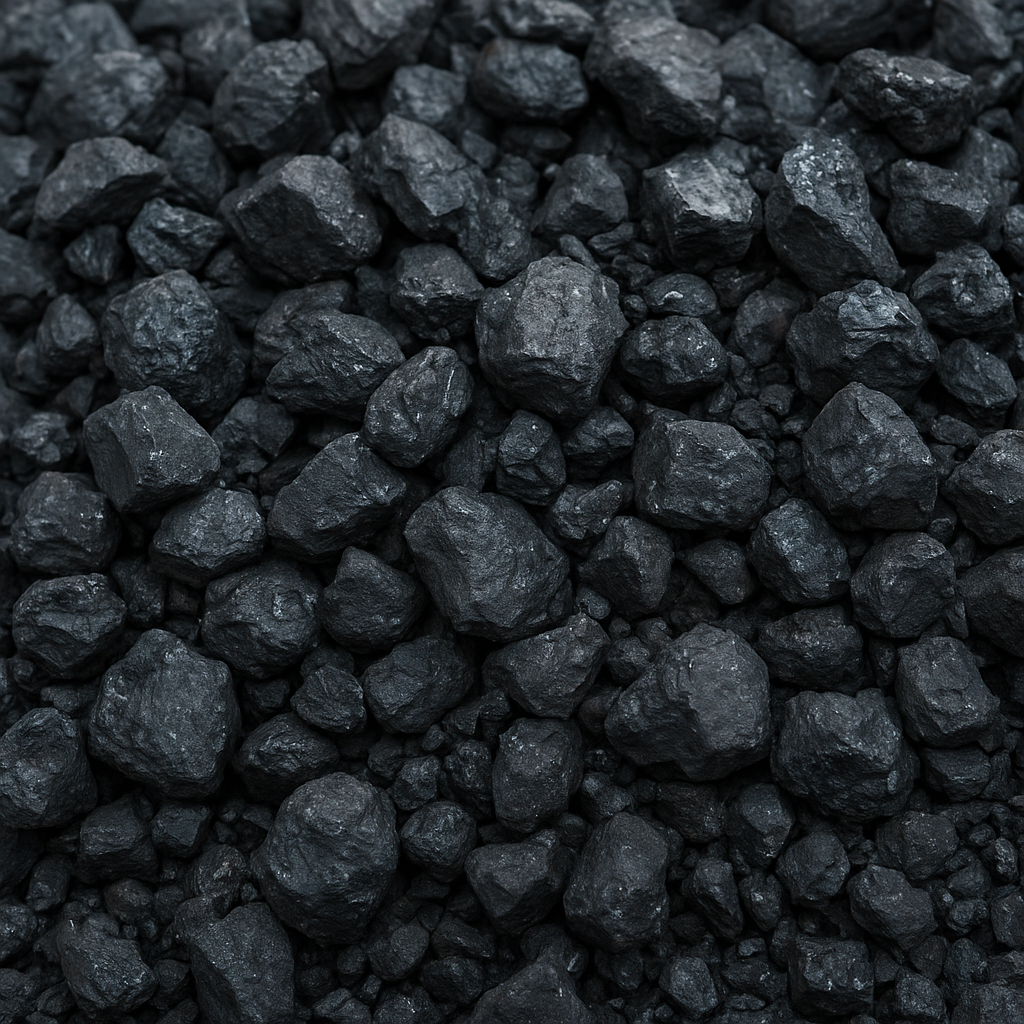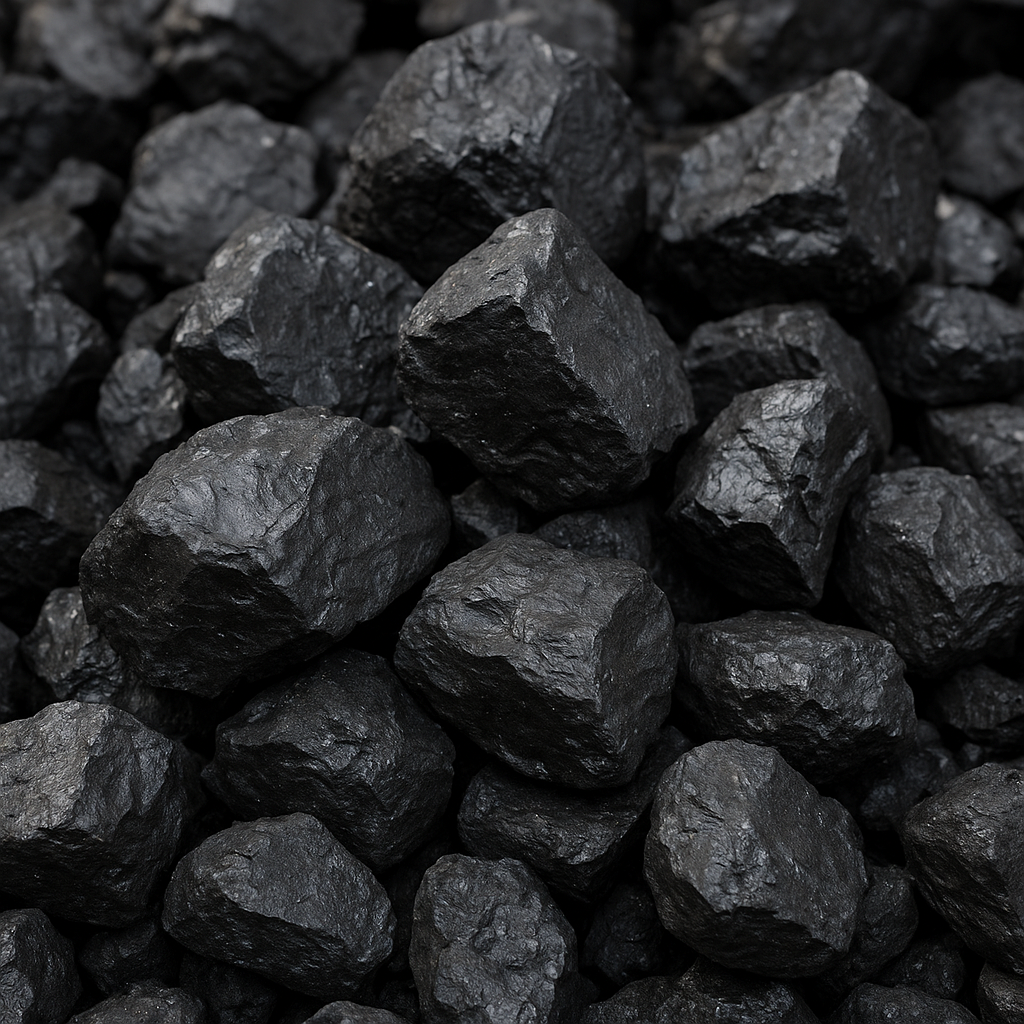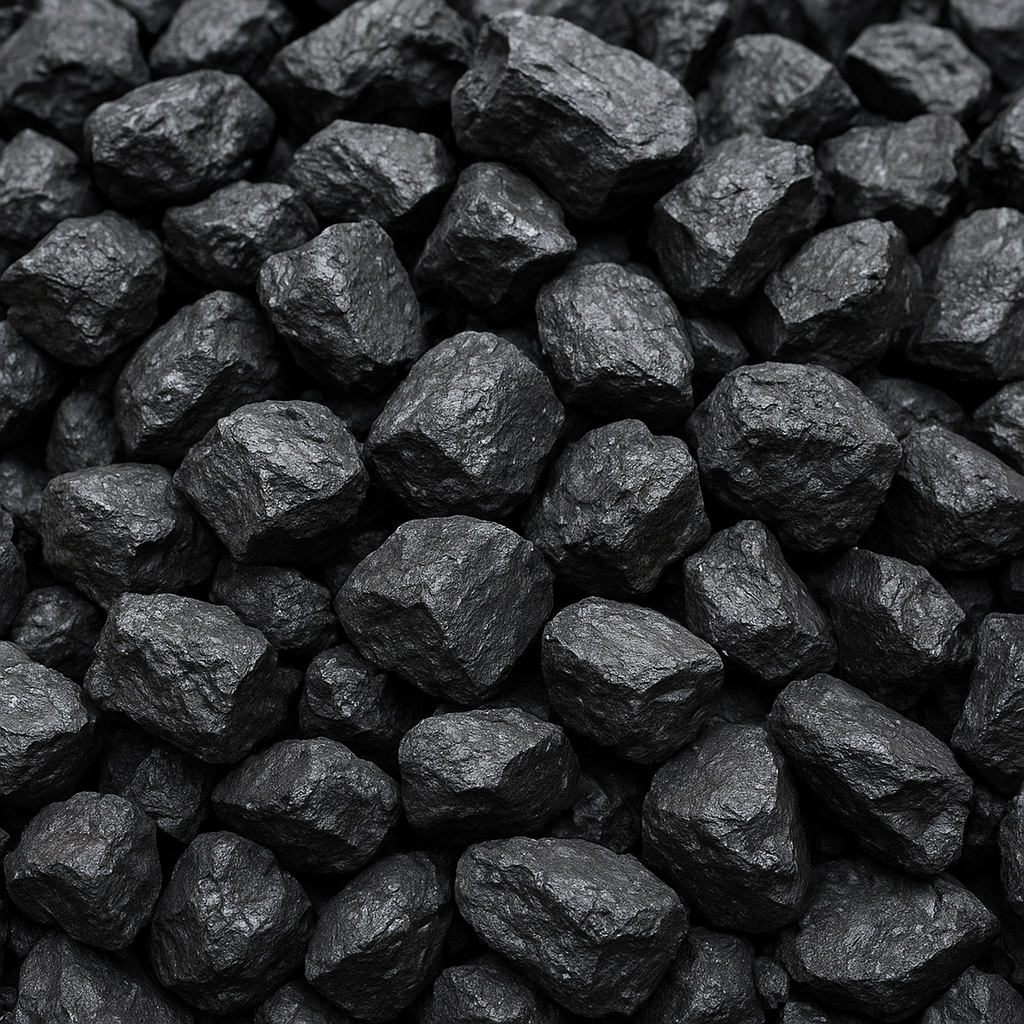
Washed thermal coal occupies a distinct place within the global coal sector as a commercially prepared product designed to meet the quality demands of modern power plants and industrial users. Through physical beneficiation processes, raw run-of-mine coal is cleaned to remove undesirable impurities, improving its combustion characteristics and market value. This article examines what washed thermal coal is, where it is produced and traded, the technologies and logistics behind washing, economic and statistical perspectives, environmental and social implications, and future trends shaping the market. Throughout the text several key concepts and players are highlighted to give a comprehensive picture of the role washed coal plays in today’s energy and commodity landscape.
Definition, Purpose and Characteristics of Washed Thermal Coal
Washed coal refers to coal that has undergone beneficiation processes to reduce impurities such as rock, mineral matter, ash, and sometimes part of the sulfur-bearing compounds. The main objective is to enhance the fuel’s **calorific value**, reduce the **ash** content and improve handling and combustion properties. In trade and technical specifications washed thermal coal is commonly distinguished from raw or raw-seam coal by parameters such as total moisture, fixed carbon, volatile matter, ash percentage, sulfur content, and net calorific value expressed in kilocalories per kilogram (kcal/kg) or megajoules per kilogram (MJ/kg).
Washed thermal coal typically fetches a premium over unwashed raw coal of the same seam because of its higher heating value and lower penalties for ash disposal at power plants. Typical export-grade washed thermal coals are often in the 5,000–6,500 kcal/kg (≈20–27 MJ/kg) range, though specific grades vary by market and customer requirements. Washing also reduces variability in product quality, which is important for boiler stability and emissions control in large-scale coal-fired generation.
Where Washed Thermal Coal Is Found and Mined
Coal is distributed across many continents, and washed thermal coal is produced where beneficiation infrastructure is available and where market incentives support investment in washing facilities. Major producing regions include Asia, Oceania, North America, South America, and Southern Africa. The principal countries associated with large-scale production and export of washed thermal coal are **Indonesia**, **Australia**, **Russia**, **Colombia**, **South Africa**, and the United States. China and India are the largest consumers of thermal coal and are also major producers; both countries operate numerous wash plants to improve the quality of coal supplied to domestic power stations and industrial end-users.
Global coal production in recent years has been on the order of roughly 7.5–8.5 billion tonnes annually (all coal types combined). Of this total, thermal (steam) coal typically represents the majority — commonly estimated at roughly two-thirds to three-quarters of production, though proportions change with shifts in metallurgical coal demand and national energy mixes. A substantial share of coal destined for international trade is beneficiated: estimates suggest that anywhere from about 40% to 60% of internationally traded thermal coal is delivered as washed product, although the exact share varies by origin and buyer specifications.
Mining and Washing Technologies
Coal washing is a suite of physical separation techniques that exploit differences in particle density, shape, surface properties, and hydrophobicity. The most common processes are gravity separation (jigs, spirals, dense medium cyclones), heavy-media separation, and flotation for fine fractions. Modern preparation plants will often include several stages:
- Primary crushing and screening to the desired particle size distribution.
- Gravity and dense-medium separation to remove coarse rock and high-ash fractions.
- Cyclones and spirals for medium-sized particles.
- Flotation cells for fine coal to enhance recovery of combustible material.
- Dewatering and drying steps to lower moisture content for transport and combustion efficiency.
Washing efficiency and the proportion of rejects depend heavily on the raw coal’s geology and seam characteristics. Low-ash, medium-rank coals may require minimal preparation, while high-ash petrographic compositions can generate larger reject streams. Advanced plants also incorporate fine coal recovery circuits to maximize yield and reduce losses.
In recent years, there has been growing interest in dry beneficiation technologies and improved dewatering solutions for low-rank coals and regions where water scarcity or environmental constraints limit conventional wet washing. These include air-based separation methods and cyclone-drier systems. Such innovations are especially relevant in water-stressed mining regions and for meeting increasingly strict environmental regulations.
Economic Importance, Trade and Market Dynamics
Washed thermal coal is a traded commodity with a supply chain from mine mouth to end-user that includes washing, rail or truck haulage, port handling, and ocean freight. Buyers pay premiums for specified quality—lower **ash** and **sulfur** levels reduce handling and emission control costs at power plants and often reduce the risk of operational issues such as slagging and fouling in boilers.
Key export hubs and benchmarks shape pricing and contracts. For the Atlantic market, API2 (the ARA—Amsterdam, Rotterdam, Antwerp—benchmark) is commonly referenced; in the Pacific market, the Newcastle benchmark and Richards Bay (API4) are influential. Major exporters such as **Indonesia** and **Australia** have different typical product mixes: Indonesia supplies large volumes of lower-calorie thermal coal, often washed to meet export specifications, while Australia produces a mix of high-quality thermal and metallurgical coals, much of it beneficiated prior to shipment.
Trade flows are influenced by energy policy, environmental regulations, and short-term shocks. For example, power generation demand in Asia (primarily China and India) has historically driven large import volumes of washed thermal coal, while European imports have varied with renewable deployment, gas prices, and carbon market dynamics. Recent years have shown how geopolitical events and supply chain disruptions can quickly alter pricing and freight patterns, with washed coal markets reacting to both supply constraints and spikes in demand for higher-quality feedstock to replace other energy sources.
On the national level, washed coal production supports local economies through jobs in mining, plant operation, transport, and port logistics. Export revenues are a major contributor to foreign exchange earnings in countries like **Indonesia**, **Australia**, and **Colombia**. Domestic washing infrastructure also enables countries to improve the efficiency of their own power fleets and to meet stricter environmental performance targets.
Statistical Snapshot and Notable Figures
While exact annual figures shift year to year, several useful statistical observations contextualize washed thermal coal’s role:
- Global coal production has averaged in the range of approximately 7.5–8.5 billion tonnes in recent years, with **thermal** coal forming the majority share.
- Top producing and exporting countries for thermal coal include **Indonesia** (hundreds of millions of tonnes per year of mainly thermal coal exports), **Australia** (over 200 million tonnes of coal exports including both thermal and metallurgical grades), **Russia**, **Colombia**, and **South Africa**. Exact export volumes can vary with market conditions and policy changes.
- The share of washed material is particularly high among export-oriented coal operations, often falling in the 40–60% range of traded volumes, reflecting buyers’ quality requirements.
- Calorific values for washed export thermal coal commonly range between 5,000 and 6,500 kcal/kg (≈20–27 MJ/kg), though premium grades can exceed this range.
These figures reflect broad trends rather than precise, up-to-the-month statistics. Prices for washed coal are exposed to volatility based on energy demand cycles, policy shifts (for example, coal phase-out commitments), and short-run supply disruptions. The structural role of coal in national energy mixes—especially in countries with extensive coal-fired capacity—means washed thermal coal remains a key traded commodity despite longer-term decarbonization pressures.
Industrial Uses and Importance in Power Generation
The primary use of washed thermal coal is in steam-raising applications—power generation and large-scale industrial steam plants. Because washed coal burns more predictably and produces less ash and slag, it is preferred by operators seeking to lower maintenance costs, stick to tighter emissions limits, and improve thermal efficiency. Utilities and independent power plants often contract for specific washed grades to optimize boiler performance and to comply with environmental permits.
Beyond electricity generation, washed thermal coal is used in district heating, sugar mills, cement kilns, and other industrial processes requiring steam or heat. While metallurgical (coking) coal remains essential for steelmaking, washed thermal coal’s role is in widespread distributed energy provision and industrial heat, sectors where absolute combustion quality and minimal impurities have direct operational and economic benefits.
Environmental, Health and Social Considerations
Coal washing delivers environmental benefits at the point of combustion—lower ash and sulfur content reduce particulate emissions and SOx formation, easing the load on flue gas cleaning systems. However, the washing process itself generates environmental challenges that must be managed:
- Tailings and slurry: Wet washing produces a waste stream of fine mineral matter and water (slurry) that requires secure storage in tailings ponds or thickening and disposal systems. Poorly managed impoundments can lead to catastrophic failures and long-term contamination.
- Water use: Coal preparation plants can be water-intensive, posing issues in water-scarce regions and creating competition with local communities and agriculture.
- Acid mine drainage: Exposed pyritic materials concentrated in rejects can lead to acid drainage and heavy metal mobilization if not properly contained.
- Air quality and dust: Crushing, handling and transport of both washed coal and its rejects create fugitive dust emissions that affect nearby communities.
Social impacts include both positive effects, such as employment and local procurement, and negative effects like displacement, pressure on local infrastructure, and health risks associated with mining. Mitigation measures—reliable tailings management, progressive rehabilitation, water recycling, dust suppression and community engagement—are integral to responsible washed coal operations.
Regulatory and Policy Context
National and international policies shape the demand for washed thermal coal. Emissions regulations for sulfur, particulates and mercury incentivize lower-ash, lower-sulfur products, driving investment in preparation plants. Conversely, climate policies, coal phase-out timetables, and carbon pricing can reduce long-term demand for coal of any preparation level. Exporting countries also face pressure from customers and financiers to demonstrate sustainable mining practices, including safe tailings management and reduced water footprints.
Financial institutions and insurers increasingly scrutinize coal projects, especially those that lack robust environmental and social safeguards. This trend affects both greenfield projects and expansions of coal washing infrastructure. In response, operators have invested in improved beneficiation technologies, water recycling systems, and integrated coal quality management to meet buyer specifications while reducing environmental risk.
Innovations and Future Trends
Several trends are influencing how washed thermal coal will be produced and used in the coming decades:
- Technological improvement: Advances in dry beneficiation, sensor-based sorting, and fine coal recovery are increasing the efficiency and environmental performance of washing facilities.
- Quality-driven trade: As plants and regulators demand better fuel quality, more coal destined for international trade may undergo washing or blending to achieve target specifications.
- Water stewardship: Water-efficient and closed-loop systems are becoming standard best practice to reduce freshwater withdrawals and minimize slurry disposal needs.
- Market segmentation: Premium washed grades (low ash, low sulfur) will remain relatively resilient in markets that require dependable fuel quality, even as overall thermal coal demand faces long-term downward pressure in some regions.
- Decarbonization interplay: Coal-fired generators may be retrofitted with emissions controls, co-fired with biomass, or coupled with carbon capture systems; in such scenarios, consistent fuel quality from washed coal can facilitate operational stability and retrofit compatibility.
Concluding Observations
Washed thermal coal is a refined commodity that balances operational needs of large-scale combustion with the economic imperative of maximizing calorific value and minimizing handling and emissions costs. It plays an important role in global energy supply chains, particularly for export markets and in countries with substantial coal-fired generating capacity. While market dynamics and policy pressures related to climate and environmental performance are reshaping demand, washed coal’s improved quality characteristics ensure it remains relevant where coal-fired generation and industrial steam are still part of the energy mix.
Key considerations for stakeholders include careful management of washing residues and water use, investment in modern beneficiation technologies, and alignment with evolving emissions and sustainability standards. Major producing countries such as Indonesia and Australia will continue to shape global supply patterns, and buyers will rely on well-managed washed coal supplies to meet both operational and regulatory requirements. The balance between short- and medium-term market needs and longer-term decarbonization goals will determine the scale and nature of washed thermal coal production in the years ahead.