The following article provides a comprehensive overview of the Puerto Libertador coal mining area in Colombia. It covers the mine’s location and geology, the types of coal extracted, mining methods and infrastructure, economic and social impacts, environmental and regulatory concerns, statistical estimates and trends, historical context, and future prospects. The aim is to present a detailed, balanced portrait of the site and its role in Colombia’s mining sector.
Location and geological setting
Puerto Libertador is a municipality located in the southern part of the department of Córdoba, in the northwest of Colombia. Geographically the area lies within the San Jorge River basin, a landscape of lowlands, seasonal wetlands and floodplain forests that transitions into more undulating terrain toward the interior. The region is important geologically because it is part of the sedimentary basins that contain multiple coal-bearing formations.
The coal occurrences around Puerto Libertador are associated with Tertiary and Cretaceous sedimentary sequences typical of Colombia’s northern basins. Coal seams in the area are generally part of shallow, laterally extensive deposits laid down in deltaic and fluvial-deltaic environments. These geological conditions have created seams that are often suitable for surface mining methods and for extraction of coal that is primarily used in power generation.
Because of its position in Córdoba, Puerto Libertador sits between the major Caribbean export corridor and interior consumption centers. This makes the area strategically relevant for supplying thermal coal to domestic power plants and, in certain cases, to export markets via ports on the Caribbean coast.
Mining operations, methods and infrastructure
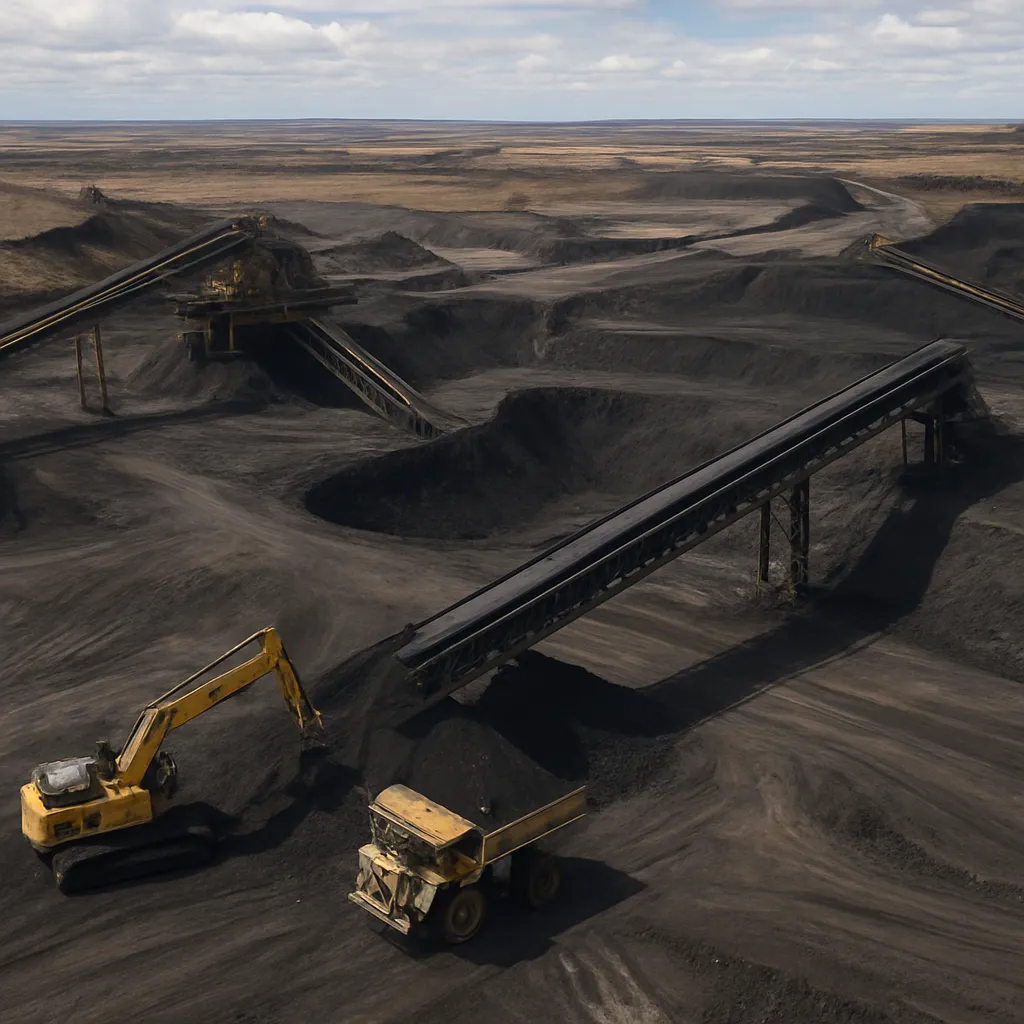
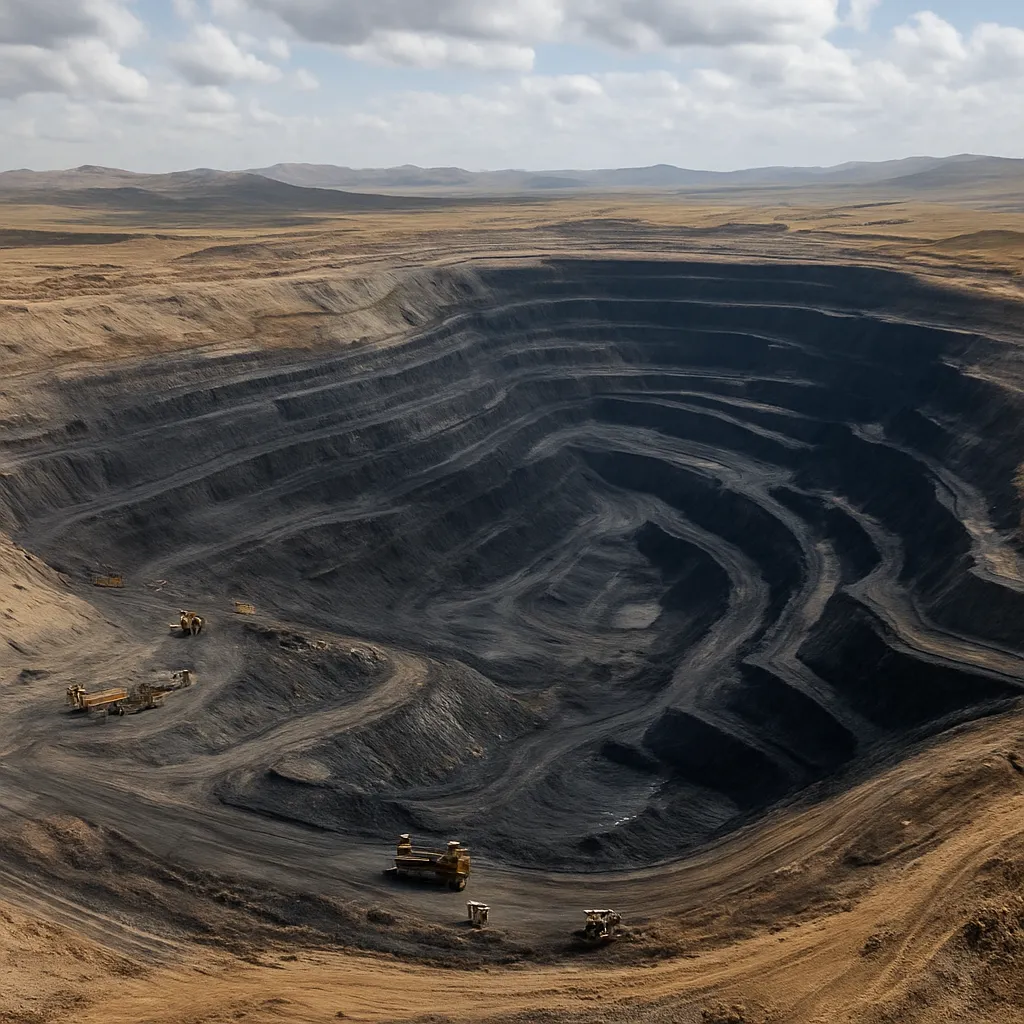
Mining activity in and around Puerto Libertador typically follows the pattern of medium-scale surface operations. The most common method is open-pit or surface mining, which is economically efficient for relatively shallow, continuous seams. Typical operational phases include overburden removal by large earthmoving equipment, drilling and blasting where necessary, loading by excavators or shovels, and transport by trucks to primary crushers and stockpiles or to washing plants.
Processing facilities in the region often include coal preparation plants that wash and size the mined coal to meet quality specifications for power generation or industrial users. Washing removes impurities (clay and rock) to improve calorific value and reduce ash content, increasing the coal’s marketability both domestically and abroad.
Logistics and infrastructure play a major role in the viability of Puerto Libertador mining operations. Coal is typically transported by road to nearby rail links or directly to ports on the Caribbean coast—primarily Cartagena, Barranquilla or Santa Marta—depending on buyers and contractual arrangements. Where rail is available and maintained, it greatly improves economies of scale for export shipments. In the absence of extensive rail connectivity, trucking remains the dominant mode of transport, raising operational costs and requiring significant investment in road maintenance.
Type and quality of coal
The coal mined in the Puerto Libertador area is predominantly used for thermal power generation. Coal rank in this region ranges from sub-bituminous to bituminous, with characteristics that generally favor combustion efficiency and lower sulfur emissions compared to some global counterparts. Colombia’s coals are often noted for relatively low sulfur and moderate ash, which makes them attractive to international buyers seeking compliance with air quality regulations.
Typical quality parameters for thermally oriented coals from northern Colombia (and broadly applicable to the Puerto Libertador context) include calorific values in the band of roughly 5,000–7,000 kcal/kg on an as-received basis, volatile matter and fixed carbon contents appropriate for combustion in modern steam-generating boilers, and sulfur contents that are often lower than many coals sourced from other major producing countries. Washing and beneficiation further enhance these properties for export-grade material.
Coal from the area is primarily marketed as thermal coal. While Colombia does produce metallurgical (coking) coal in limited quantities, the deposits in Puerto Libertador have not been characterized as a major source of metallurgical-grade product; their main economic value rests in supplying power plants and industrial boilers.
Economic significance and employment
Mining around Puerto Libertador contributes to the local and regional economy in several ways. Direct employment in mine operations includes jobs in earthmoving, drilling, processing, maintenance, logistics, and administrative roles. In addition to direct mine employment, the sector supports a wide range of indirect jobs in transport, equipment services, safety and environmental monitoring, and local commerce.
While exact employment figures vary with the scale of active operations, a typical medium-sized coal project in the region can provide between a few hundred to over a thousand direct jobs, with several times that number in indirect employment when supply chains and service providers are included. Thus, coal mining is a significant employer in parts of Córdoba where agricultural or formal industry options are limited.
On an economic scale, coal production feeds into export revenues and domestic energy security. Colombia has been one of the largest coal exporters in Latin America; although major export volumes are dominated by larger operations (such as Cerrejón and other large concessions), smaller sites and regional mines contribute to provincial income, municipal budgets via royalties, and local development programs financed by those revenues.
Statistical overview and production figures
Precise production and reserve statistics specific to Puerto Libertador are not always published in detail, as many operations are part of broader concession areas and aggregated reporting. However, some approximate and contextual figures help frame the site’s importance:
- Colombia’s national coal production has varied over the last decade, typically in the tens of millions of tonnes per year. Large export-oriented mines account for the majority of these volumes, while medium and small mines—such as those around Puerto Libertador—contribute meaningful but smaller shares.
- Regional resource estimates for coal-bearing basins in Córdoba and the wider San Jorge zone are commonly cited in the range of several hundred million tonnes of indicated and inferred resources when aggregated across multiple concessions. Individual mineable reserves for single operations are often measured in the low tens to low hundreds of millions of tonnes depending on seam thickness, continuity and economic cut-off.
- Employment at a medium-size operation in the region typically ranges from several hundred to over a thousand direct employees at full production; indirect employment and service-sector jobs multiply this figure.
- Royalty and tax contributions from coal operations provide important revenue streams to municipal and departmental governments, supporting public services, infrastructure projects and community programs.
Because many figures fluctuate year to year—driven by commodity prices, operational changes, and environmental permitting—analysis of Puerto Libertador’s contribution is best understood in relative rather than absolute numbers: it remains a regionally important coal-producing area, contributing to Colombia’s position as a significant coal supplier.
Social and community impacts
Coal mining in Puerto Libertador affects communities in both positive and challenging ways. On the positive side, mining creates employment, stimulates local businesses, and can finance community development projects through corporate social responsibility programs and government transfers. Investment in roads, schools, clinics and local services sometimes follows mining development, improving access to healthcare, education and markets for surrounding rural populations.
However, social tensions can arise. Changes in land use, displacement of livelihoods (notably agriculture and artisanal fishing), community expectations for rapid development, and environmental impacts on water and soil quality are common sources of friction. Additionally, the influx of a labor force and temporary workers can strain local services, and wage disparities may create social inequalities that require careful management by companies and local authorities alike.
Engagement with indigenous and Afro-Colombian communities is an important consideration in Córdoba, where land rights, cultural heritage and legal protections are often factors in permitting and project development. Effective community consultation, benefit-sharing mechanisms, and transparent grievance processes are critical to maintaining social license to operate.
Environmental considerations and mitigation
Environmental issues are central to discussions about coal mining in Puerto Libertador. Key concerns include land disturbance and deforestation from open-pit operations, alteration of hydrology and surface water quality from overburden and runoff, dust and air emissions, and impacts on biodiversity in floodplain and riparian zones.
Mitigation measures typically employed include phased reclamation of disturbed areas, topsoil preservation for later restoration, sediment control structures and water treatment facilities for mine effluents, dust suppression systems on haul roads, and progressive rehabilitation plans that incorporate native species. Companies increasingly publish environmental management plans that outline such measures, monitoring protocols and performance indicators.
Water use and quality are particularly sensitive issues in the San Jorge basin. Mining operations must manage stormwater and process water to prevent sedimentation and contamination of downstream ecosystems. The cumulative impact of multiple mines in a basin can be larger than the sum of individual projects, making watershed-level planning and coordination with regional environmental authorities essential.
Regulatory compliance is enforced through Colombian environmental licensing procedures, which require environmental impact studies, public consultations and ongoing monitoring. International finance and corporate buyers also exert influence through sustainability criteria and buyer-driven due diligence for exported coal, increasing pressure on operations to meet recognized environmental and social standards.
Regulatory framework and governance
Coal mining in Colombia is governed by a mix of national laws, departmental and municipal regulations, and contractual obligations tied to exploration and exploitation concessions. Key elements include environmental licensing (including an environmental impact assessment), royalty regimes and taxation, land tenure processes, and labor and safety legislation.
Colombia’s royalty system directs a portion of resource revenues to departments and municipalities, creating an incentive for local governments to support mining but also requiring careful oversight to ensure funds are used effectively for long-term development rather than short-term consumption.
Transparency in concession allocation, monitoring of production volumes, and enforcement of environmental and labor standards remain ongoing governance challenges. Civil society organizations and community groups play an active role in monitoring and advocacy, while international partners and buyers increasingly factor governance performance into procurement decisions.
Historical context and security considerations
The broader Córdoba region, including Puerto Libertador, has a complex history involving armed conflict, paramilitary presence and efforts at criminal control of resource-rich territories. Over the past decades, these dynamics have sometimes disrupted mining, affected community safety, and complicated land tenure arrangements.
Security improvements and peace-building measures have reduced large-scale conflict in many areas, but illicit activities and criminal groups can still be a concern, particularly in zones with weak state presence. Mining companies and local authorities have invested in compliance systems, community engagement and local development programs to reduce vulnerability to such risks and to support stable operation environments.
Future prospects, challenges and opportunities
The future of coal mining in Puerto Libertador will be shaped by a confluence of market, environmental, social and political factors. On the market side, global demand for thermal coal is influenced by energy transition policies, price cycles, and competition from alternative fuels and renewables. Near-term demand projections still show dependence on coal in many emerging markets, but long-term trends point to a structural decline in coal use in advanced economies.
For Puerto Libertador, opportunities include continued supply to domestic power generation, niche export markets that value low-sulfur thermal coal, and potential diversification into value-added services like coal washing and logistics. Investment in infrastructure—especially improved transport links—could enhance competitiveness by cutting logistics costs and opening access to larger ports.
Key challenges include:
- Environmental constraints and stricter permitting linked to watershed protection and biodiversity conservation.
- Social license risks tied to community expectations, land rights and benefit-sharing.
- Market uncertainty driven by long-term decarbonization goals and potential declines in thermal coal demand.
- Infrastructure deficits that raise production and transport costs relative to larger, better-connected operations.
Opportunities for mitigating risk and increasing resilience include diversifying local economies, investing royalty revenues into education and alternative industries, implementing best-practice environmental management, and strengthening transparent governance to attract responsible investment.
Interesting facts and broader significance
Puerto Libertador exemplifies how mid-sized coal districts contribute to national energy systems and local economies even when they do not command the headline-grabbing production volumes of the largest mines. The area highlights several broader themes in modern mining:
- The importance of basin-scale management: cumulative environmental and social impacts require coordination among multiple operators and government agencies.
- The balance between short-term economic gains and long-term sustainability: effective use of royalties and social investment can determine whether mining leaves a durable positive legacy.
- The role of coal in energy transitions: regions dependent on coal must plan for eventual shifts in global energy demand while maximizing near-term benefits.
- Community engagement and transparency: building trust with local populations is essential for stable operations and equitable outcomes.
In sum, the Puerto Libertador coal mining area in Córdoba is an important regional contributor to Colombia’s coal sector. It produces primarily thermal coal through surface mining methods, supplying domestic power needs and contributing to exportable volumes. The operation’s economic benefits—jobs, royalties and infrastructure—are significant at a local level, while environmental, social and governance challenges demand ongoing attention. The trajectory of the site will depend on market evolution, improved infrastructure, effective environmental management and the region’s ability to convert resource wealth into sustainable development gains.
Key terms highlighted
For quick reference, here are some of the most important concepts discussed above: Puerto Libertador, Córdoba, coal, thermal, open-pit, reserves, employment, exports, ecosystem, sustainability.