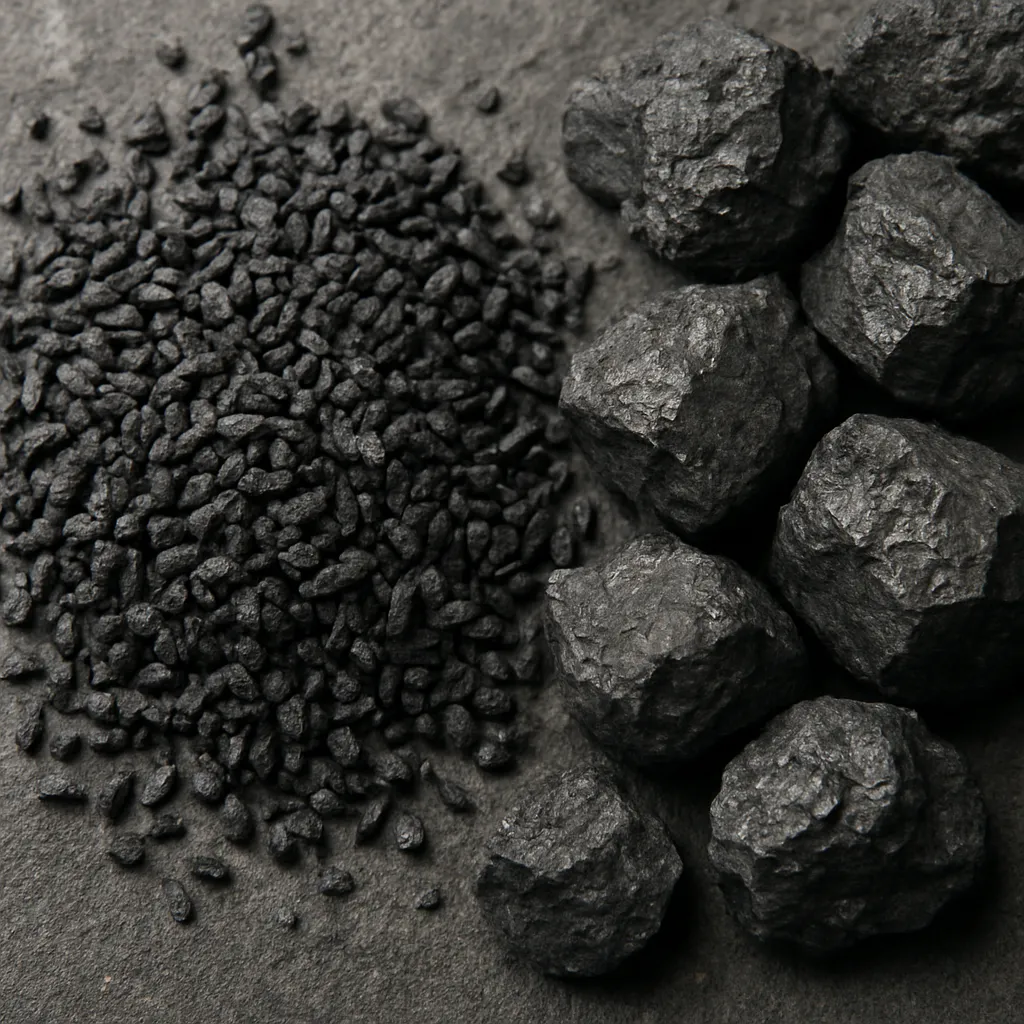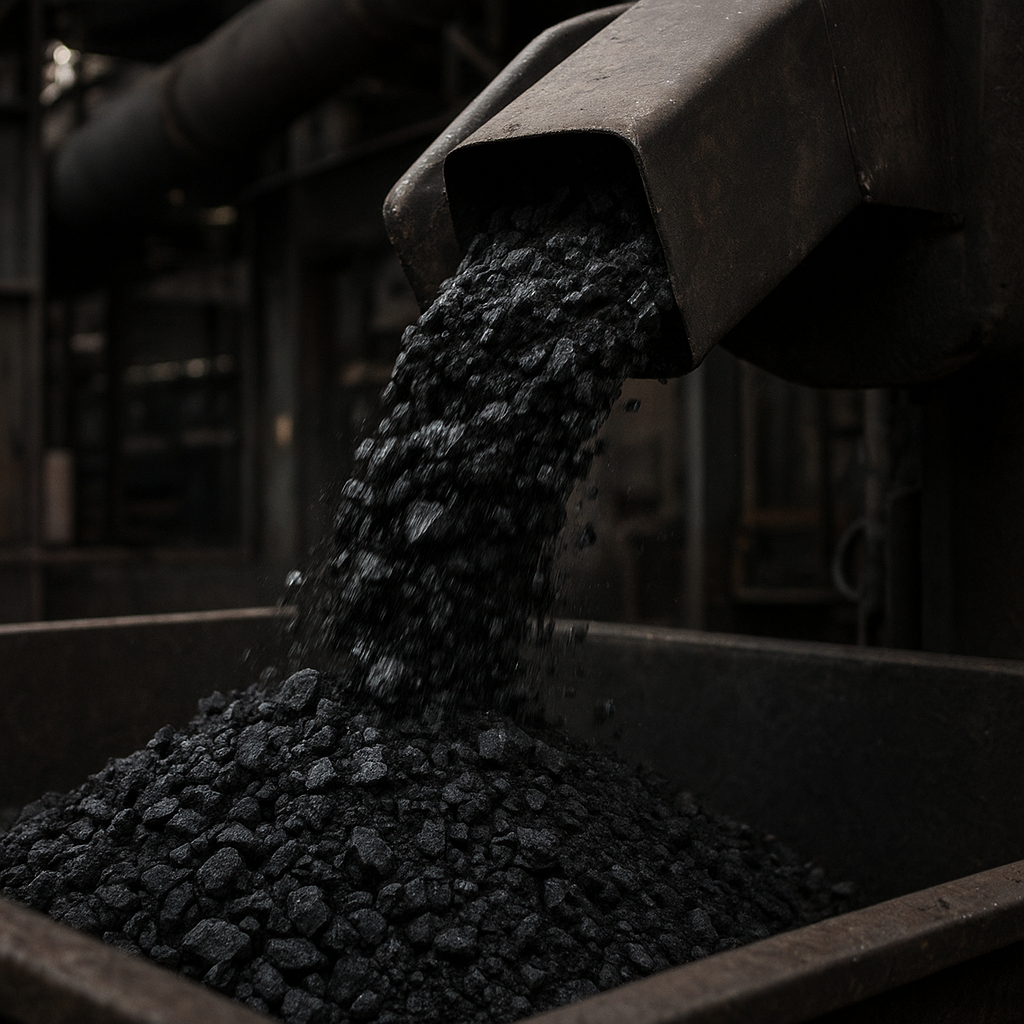
The following article examines pulverized coal injected into blast furnaces — commonly known as PCI (Pulverized Coal Injection) coal — covering its geological occurrence, mining regions, technical characteristics, economic and statistical context, industrial significance, and current trends. The goal is to provide a comprehensive, practical overview for readers in energy, metallurgy, and commodity markets.
What is PCI coal and why it matters
Pulverized Coal Injection refers to the technology and practice of injecting finely milled coal directly into a blast furnace through the tuyeres to partially replace metallurgical coke as the reducing agent and energy source for iron production. PCI coal is not a single coal type but rather a category of coals whose physical and chemical properties make them suitable for stable grinding, transport and rapid combustion in the highly dynamic environment near the tuyeres.
Key attributes sought in a PCI coal include relatively high calorific value, low moisture, acceptable grindability (Hardgrove Grindability Index), low ash and low sulfur contents, and combustion characteristics that produce a stable, high-temperature flame. Coals that are too reactive, too high in ash, or subject to excessive spontaneous coking or swelling can damage furnace performance.
Geological occurrence and types of coal used for PCI
Coals used for injection span a range of ranks from high-volatile bituminous to low-volatile bituminous and semianthracite depending on regional geology and supply chains. Important geological and quality parameters include:
- Gross Calorific Value (GCV): typically in the range of roughly 24–32 MJ/kg (on a dry basis) for many commercially used PCI coals.
- Volatile matter: moderate to high volatiles are favorable for rapid ignition; however, excessive volatiles can change flame shape and reduce overall stability.
- Ash content: generally preferred below 10–15% to minimize burden contamination and slag chemistry disturbances.
- Sulfur: kept low (often <1%) to avoid adverse effects on steel quality and emissions.
- Grindability: an HGI often above 40–45 is desirable to allow efficient pulverization and consistent particle size distribution.
These properties depend on the coal’s depositional environment, rank and geological history. Coals suitable for PCI commonly originate from ancient peat deposits that underwent similar coalification to those used in power generation and in some metallurgical mixes, but they are selected for combustion behavior rather than coke-forming (caking) tendency.
Main mining regions and supply chains
PCI coals are sourced from many of the world’s major coal-producing basins because the market is driven by steel demand and regional availability. Key producing regions and characteristics:
- Australia (Queensland, New South Wales): large exporters of both metallurgical and non-coking coals. Australian coals are often prized for predictability, quality, and low sulfur, and many Australian thermal and semi-hard coals are adapted for PCI use.
- Indonesia: large volumes of sub-bituminous and low-rank coals. Some Indonesian coals are used for PCI when blended and upgraded (drying, beneficiation) to meet injection specifications.
- Russia (Kuzbass, Kansk-Achinsk): significant supplies of bituminous and lower-volatile coals; Russian coals are important to European and Asian steel plants.
- United States (Illinois Basin, Appalachian basins): produces coals with a range of ranks; certain non-coking bituminous coals are utilized for injection, particularly within domestic steelworks.
- South Africa and Colombia: exporters with specific coals that can be adapted to PCI needs.
- India: large domestic coal mining industry; many indigenous coals have higher ash but are being blended, beneficiated or partially replaced by imports to meet PCI specifications.
Transport logistics and seaborne trade shape PCI coal flows: proximity to large steelmaking regions (China, Europe, Japan, South Korea, India) determines whether domestic coals or seaborne supplies are used. Blending is widely practiced to achieve required specifications.
Technical aspects: combustion, injection systems and furnace interaction
A practical PCI system comprises coal handling (receiving, drying, crushing), milling to pulverize the coal to target particle size, pneumatic transport, storage and metering systems, and the injection lances and tuyeres. Important technical points include:
- Pulverized particle size and distribution: affects ignition delay and combustion completeness in the tuyere zone.
- Combustion residence time: the short residence near the tuyere necessitates coals that ignite quickly and release heat efficiently.
- Coal moisture and drying: moisture reduces effective calorific value and increases energy required for drying; many plants dry coal to optimize injection performance.
- Interaction with coke: PCI supplements rather than wholly replaces coke; coke still provides structural support of the burden and contributes reducing gases formed during its consumption.
- Process control and stability: rapid changes in injection rate or coal quality can influence furnace thermal balance, burden softening behavior, and permeability.
Advanced process models, lance designs and real-time monitoring are used in modern plants to maximize combustion efficiency and minimize negative impacts such as tuyere fouling or changes in sinter performance.
Economic importance and market dynamics
PCI technology has strong economic drivers: reducing coke consumption lowers operating costs, reduces dependence on high-quality coking coal, and can increase the flexibility of blast furnace operations. Key economic considerations include:
- Coke production is capital and energy intensive. PCI allows steelmakers to substitute a portion of expensive coke with cheaper non-coking coals, improving margins.
- Quality premiums and penalties: PCI feeds must meet specifications. Low-ash, low-sulfur, predictable coals command premiums relative to low-grade thermal coal.
- Logistics and blending costs: beneficiation, drying and transport add to delivered cost; sometimes it is cheaper to buy higher-quality seaborne coal than to upgrade local lower-grade coal.
- Market linkages: PCI coal prices are influenced by both thermal coal indices (e.g., Newcastle) and coking coal markets; disruptions in metallurgical coal supply (e.g., weather events, geopolitical constraints) can increase PCI demand and shift price relationships.
Typical injection rates historically ranged from tens to several hundreds of kilograms per tonne of hot metal. Many mature blast furnace operations routinely operate at around 100–200 kg/tHM; advanced installations can reach higher figures depending on furnace design. Each increase in injection rate typically reduces coke rate by a related amount, delivering direct fuel cost savings. Exact economic benefits depend on relative coal and coke prices and plant-specific operational factors.
Statistical context and scale
While precise global statistics specifically isolating PCI coal quantities are not always reported publicly, some context helps illustrate scale and importance:
- Global crude steel production has been on the order of roughly 1.7–1.9 billion tonnes annually in recent years, with the majority produced via the blast furnace/basic oxygen furnace (BF-BOF) route. Each tonne of hot metal or crude steel processed in a BF historically implied a need for coke and auxiliary fuels.
- Many blast furnaces now use PCI to supply a significant fraction — commonly 10–30% by energy input — of the tuyere fuel. At higher injection rates the share can be greater, displacing a substantial portion of coke consumption.
- Given the large global BF throughput, aggregate PCI coal usage reaches tens of millions of tonnes per year at least; in regions with heavy BF concentration (e.g., China) the number is especially large. National and corporate users often report injection tonnes internally, but consolidated global public statistics are fragmented.
Trends since the 2000s show a clear expansion of PCI adoption as older furnaces retrofit injection systems and new installations are designed with high injection capacities. This trend is driven by cost pressures, coke oven capacity constraints, and efforts to improve energy efficiency.
Environmental and regulatory considerations
Injecting pulverized coal affects environmental performance in several ways:
- By reducing coke use, PCI can decrease emissions associated specifically with coke oven batteries (which are significant sources of volatile organic compounds, tars and certain particulates). However, total CO2 emissions depend on the entire process balance: combustion of injected coal in the tuyere zone still produces CO2.
- The net greenhouse gas effect varies with the substitution ratio and the efficiency of coke production avoided. In some cases, replacing coke with PCI reduces overall greenhouse gas intensity per tonne of steel because coke-making is energy-intensive and emits process-specific gases.
- Air quality: PCI systems must control dust, off-gases and particulate emissions during handling, grinding and injection operations. Modern facilities employ baghouses, cyclones and waste gas handling to comply with regulations.
- Co-injection trends: biological materials (biomass fines, charcoal) and low-carbon reductants are increasingly trialed together with coal to reduce CO2 footprint; however, availability and consistent quality of biomass limit scale.
Industrial benefits and operational challenges
Benefits:
- Cost savings through reduced coke consumption and increased fuel flexibility.
- Ability to use a broader range of coal qualities (with blending and treatment).
- Enhanced operational flexibility: rapid modulation of PCI rates supports furnace control strategies.
- Potential to reduce capital exposure to coke oven expansions — a strategic advantage when metallurgical coke supplies are constrained.
Challenges:
- Requirement for precise coal quality control and preprocessing (drying, beneficiation) to avoid operational instability.
- Engineering additions and maintenance for mills, pneumatic systems, and lances — capital and operating expenses that must be justified by fuel and coke savings.
- Potential impacts on furnace permeability, burden softening profiles and slag chemistry, demanding careful integration with coke, sinter and pellet quality programs.
- Environmental controls for dust and off-gases add complexity to plant operations.
Recent developments and future directions
Industry trends and innovations around PCI reflect broader pressures on steelmakers:
- Higher injection rates: ongoing R&D and furnace design improvements have pushed feasible injection rates higher while maintaining furnace stability. The upper practical limits depend on furnace size, lance design, and burden characteristics.
- Blending and beneficiation: increased use of coal washing, drying and blending enables lower-grade coals to meet PCI specs, supporting local supply utilization.
- Co-injection of alternative reductants: biomass, metallurgical waste gases, and hydrogen-enriched streams are being piloted to reduce carbon intensity.
- Digital process control: modern sensor arrays and predictive models allow finer control over pulverized coal delivery and combustion, improving thermal efficiency and reducing unplanned disturbances.
- Market volatility response: as coking coal prices and availability fluctuate, PCI offers a route for steelmakers to hedge and diversify fuel procurement strategies.
Case studies and practical examples
Examples across world regions illustrate how PCI is used:
- Large Asian BF complexes (China, Japan, South Korea) have heavily invested in PCI, often operating at moderate-to-high injection rates to displace costly coke and secure competitive steel making costs.
- European plants have used PCI in combination with improved coke oven efficiency and increased scrap or DRI (direct reduced iron) use to meet emissions and cost goals.
- In India, the push to use domestic coal has led to investments in beneficiation and blending facilities to adapt Indian coals for PCI, though logistics and quality variation remain constraints.
Conclusions
PCI coal and its associated injection technology represent a strategic lever for modern steelmaking. By allowing part-replacement of coke, PCI delivers cost savings, increases fuel flexibility, and provides operational levers to improve furnace efficiency. At the same time, it adds technical complexity and requires controlled coal quality, investment in milling and handling equipment, and careful process integration.
The future of PCI will be shaped by market prices for coal and coke, the availability of low-carbon alternatives, regulatory pressures to reduce greenhouse gas emissions, and continued innovations in furnace operation and materials handling. As steelmakers seek both economic and environmental improvements, pulverized coal injection will remain an important tool — often paired with other measures such as greater recycling of scrap, DRI/hydrogen routes, and co-injection of low-carbon reductants.