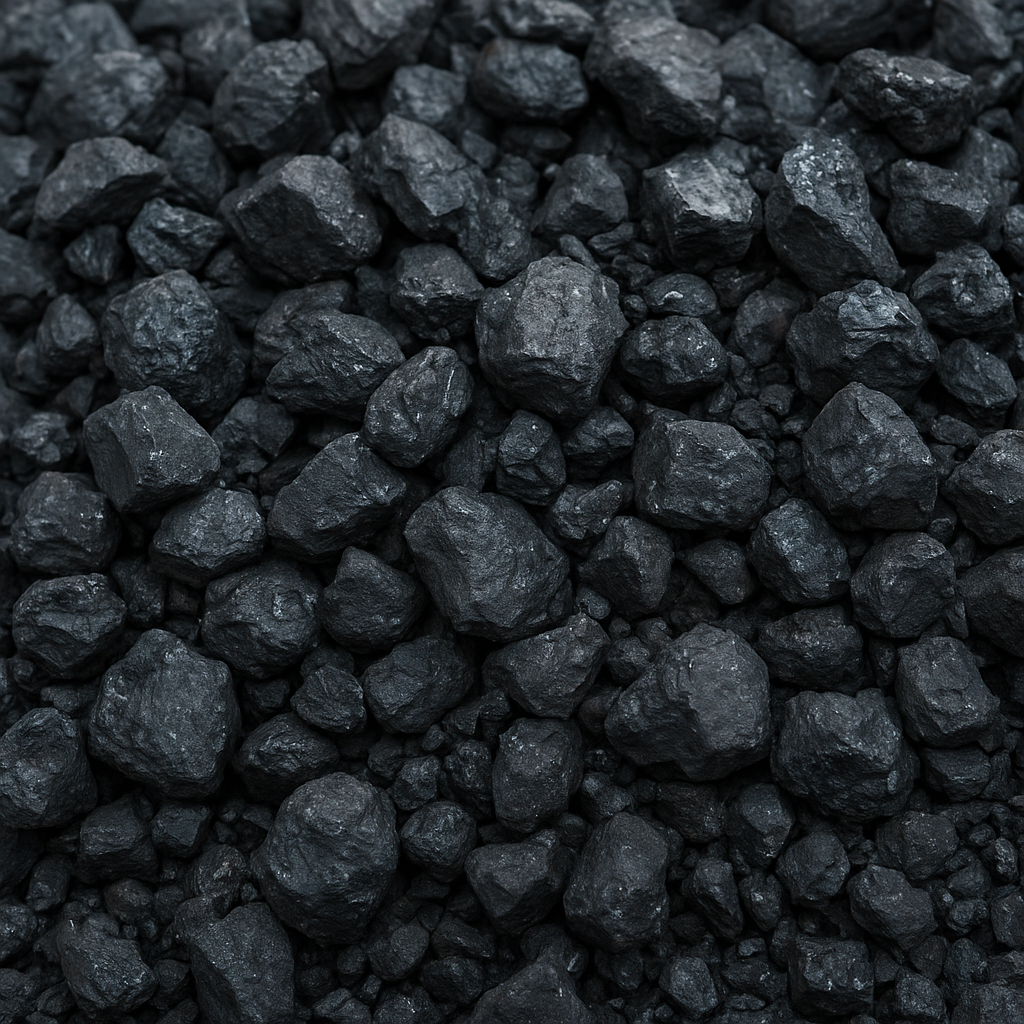
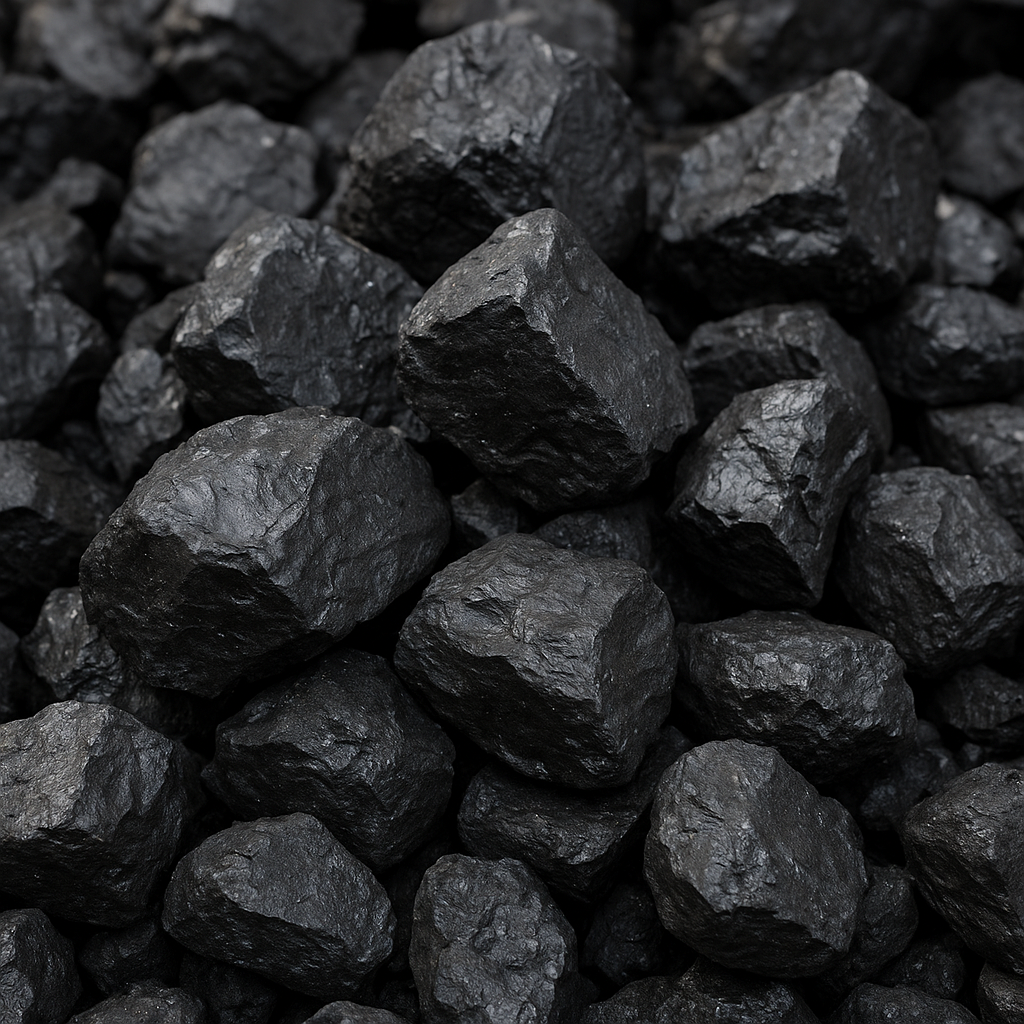
Washed coal is coal that has been processed to remove impurities such as rock, ash, sulfur, and other unwanted materials. Through mechanical and physical beneficiation methods, washed coal delivers higher calorific value, improved combustion properties, and lower pollutant emissions compared with raw run-of-mine coal. This article describes where washed coal occurs and is produced, the technical and economic rationale for washing, statistical and market information, environmental and industrial significance, and interesting technological and policy trends shaping the future of washed coal.
Occurrence and Geological Context
Coal forms in sedimentary basins where organic-rich material accumulated in ancient peat swamps and subsequently was buried, compacted and altered by heat and pressure over geological time. The raw appearance and impurity content of coal are controlled by depositional environment, mineral influx, and rank (lignite, sub-bituminous, bituminous, anthracite). Most coals contain variable amounts of inorganic matter (clays, silt, carbonate nodules, shale bands) and mineral sulfur. These impurities are the main targets of washing operations.
Washed coal can come from any coal-producing basin where the raw coal contains separable mineral matter. Major geological provinces that supply coal suitable for washing include the Permian basins of Australia, the Carboniferous basins of Europe and the United Kingdom, the North American basins such as the Appalachian and Illinois basins, the Powder River Basin in the United States (though PRB coal is naturally low in ash and often requires minimal washing), the large coalfields of China (Shanxi, Shaanxi, Inner Mongolia), India (Jharia, Raniganj), Russia (Kuznetsk Basin), and South Africa (Waterberg, Highveld).
Where Washed Coal Is Produced and Mined
Major Producing Countries and Regions
- China — China is the largest producer of both raw and washed coal in the world. Due to strict air quality regulations and the high domestic demand for both thermal and metallurgical coal, China operates thousands of coal preparation plants. Key producing provinces include Shanxi, Inner Mongolia, Shaanxi and Xinjiang.
- India — India has expanded coal beneficiation capacity to improve calorific value and reduce ash for domestic power plants and exports. Major hubs include Jharkhand, West Bengal, and Odisha.
- Australia — Australia is one of the world’s largest exporters of coal, especially high-quality metallurgical coal from the Bowen and Surat basins. Much of the coal exported is beneficiated and often blended to achieve required specifications.
- United States — Washing is common in many U.S. coal operations, particularly where coal contains significant mineral matter. Appalachia historically had many preparation plants; western Powder River Basin coal is typically low-ash and washed less intensively.
- Russia and Kazakhstan — Large basins such as Kuzbass and Karaganda produce coal that is washed for domestic industry and export to Asia and Europe.
- South Africa — Washed coal is essential for export and for local industries that require lower ash and sulfur content.
Types of Mines and Plants
Washed coal originates from both underground and surface mines. Processing occurs in dedicated coal preparation plants (CPPs) or wash plants located near mines or at port facilities. Common plant locations include:
- Mine-mouth wash plants adjacent to the extraction site for bulk cleaning before transport
- Centralized port or coastal preparation and blending terminals for export quality control
- Modular or mobile plants for smaller operations or remote sites
Technical Overview of Washing and Beneficiation
Coal washing uses a combination of gravity separation, density-based techniques, and surface chemistry to separate organic coal particles from mineral impurities. Common processes include:
- Dense Medium Separation (DMS) — uses a slurry of fine magnetite or ferrosilicon to create a density medium; coal floats and impurities sink
- Jigging — pulsating water motion separates particles by density
- Froth flotation — used especially for fine coal; hydrophobic coal particles attach to air bubbles and are recovered
- Spiral concentrators, cyclones and centrifuges — for size-specific cleaning and dewatering
Typical performance of a wash plant depends on feed coal characteristics. Many wash plants can reduce ash content substantially: for example, raw feed ash of 20–35% can be lowered to single-digit or low-teen ash values for thermal coal; metallurgical coal can be upgraded to low-ash grades suitable for coke making. Washing also reduces sulfur in part, especially pyritic sulfur physically associated with mineral particles.
Economic and Market Aspects
Value Addition and Pricing
Washing is an economic value-add step. Clean coal commands a price premium compared to unwashed coal because of higher calorific value, improved combustion efficiency, lower emissions, and compliance with buyer specifications. For export markets, blending and washing are essential to meet contract calorific values (kcal/kg or MJ/kg), total moisture, and ash requirements.
Key financial considerations for washing are:
- Capital expenditure (CAPEX) for wash plant construction — ranging widely by capacity and technology
- Operating costs (OPEX) — energy, water, reagents, maintenance, and tailings management
- Yield loss — washing removes ash and rock, reducing the mass of saleable coal; value-added must offset yield loss
- Logistics and transport savings — lower ash reduces transport of inert mass and the cost per unit of energy shipped
Market Statistics and Trends
Global coal production has varied with economic cycles and policy shifts. While total thermal coal demand peaked in many regions in the 2010s, demand for higher-quality coal used in steelmaking has remained robust. A few representative statistics and trends (based on available industry data and observed patterns through the early 2020s):
- China operates the largest coal washing capacity globally; in the late 2010s and early 2020s the national coal washing rate (share of output beneficiated) increased substantially as environmental rules tightened. Estimates suggested national washing rates rising toward or above 50–60% for certain ranks of coal in recent years.
- Australia exports more than 150–200 million tonnes of thermal and metallurgical coal annually (figures vary year-to-year). A large portion of metallurgical coal exported is beneficiated or blended to meet steelmaking needs.
- In India, coal beneficiation capacity has been ramping up to reduce the average ash content of coal delivered to power plants; national programs encouraged washing capacity additions throughout the 2010s and into the 2020s.
- Global metallurgical (coking) coal prices and demand are a key driver for washed coal economics; production disruptions, shipping constraints or steel demand changes rapidly affect washed coal flows and prices.
Because coal markets are regionally segmented and specifications vary by buyer, the price differential between raw and washed coal depends on ash reduction achieved, calorific uplift, and logistics. In many cases, buyers will pay a significant premium for coal that reduces boiler corrosion, slagging, and environmental control costs.
Industrial Significance and Uses
Washed coal plays several crucial roles across industries:
- Power generation: Washed thermal coal improves boiler efficiency, reduces fouling and slagging, and lowers particulate emissions. Plants with strict emissions limits benefit from lower ash and sulfur feedstock.
- Metallurgical processes: High-purity, low-ash metallurgical coal is essential for producing coke for blast furnaces. Washing ensures coke quality and furnace performance.
- Chemical feedstock and gasification: Cleaner coal is preferred for gasification and coal-to-chemical processes, where ash and impurities complicate downstream catalysts and reactors.
- Transport and storage: Lower-ash coal brings lower transport costs per unit of energy; it also produces less dust and reduces handling losses.
Environmental and Social Considerations
Coal washing reduces airborne emissions at the point of combustion by lowering ash and sulfur content, which can lead to reduced SOx and particulate matter when coal is burned. This can be a major public health benefit in densely populated regions. However, coal washing also introduces environmental challenges:
- Tailings and slurry: Wash plants produce a fine-grained waste slurry (tailings) containing mineral matter and process water. Managing tailings ponds, preventing seepage and dam failures, and ensuring long-term stability are major environmental and safety priorities.
- Water use: Beneficiation can require large volumes of water, creating stress in arid regions or where water competition is high. Many plants recycle process water to minimize withdrawals, and dry separation technologies are gaining interest.
- Acid mine drainage: If sulfide minerals are exposed in tailings, oxidation can produce acid drainage requiring treatment.
- Energy and emissions of the washing process: Washing consumes energy and chemicals, so lifecycle assessments are needed to judge net environmental benefit. In many cases the emissions avoided at combustion outweigh the footprint of washing, but outcomes depend on plant efficiency and management.
Technology Advances and Innovations
Modern coal preparation continues to evolve with a focus on higher recovery of fine coal, lower water usage, and safer tailings management. Notable technological areas include:
- Fine-coal technologies — centrifuges, column flotation, and enhanced reagents improve recovery of particles below 0.5 mm.
- Dry beneficiation — air-dense medium, triboelectric separation and other dry methods reduce water consumption and tailings.
- Tailings dewatering and paste backfill — converting slurry into thickened paste or filter cake for safer storage or use in mine backfilling.
- Automation and digitalization — process sensors, model-based control and plant optimization reduce energy use and increase yield.
Research also explores chemical and biological methods to remove refractory impurities and to treat wash plant effluents more effectively.
Regulatory and Policy Drivers
Policy measures frequently encourage or require coal quality improvements to reduce ambient air pollution and improve public health. Examples of drivers include:
- Emission standards for SOx, NOx and particulate matter that motivate utilities to require lower-sulfur, lower-ash coal
- Import quality specifications in international markets that necessitate washed and blended coals
- National energy and environmental policies that incentivize beneficiation as a transitional measure while broader decarbonization occurs
In regions where air quality policy is strict, such as parts of East Asia and Europe, coal washing became a widespread mitigation strategy alongside flue-gas desulfurization and particulate controls.
Economic Challenges and Future Outlook
Washed coal sits at the intersection of market demand for higher-quality solid fuels and the global energy transition. Some of the economic and strategic factors shaping its future are:
- Long-term decline in thermal coal demand in some markets due to renewables and decarbonization policies, which could reduce incentives for investing in new wash plants.
- Sustained demand for metallurgical coal and reduced-emission feedstocks for heavy industry may preserve or increase beneficiation for specific grades.
- Pressure on capital and operational budgets as investors and lenders apply stricter environmental, social and governance (ESG) criteria; robust tailings management and lower water footprints are increasingly required.
- Regional differences — some countries will continue to rely on washed coal to meet emission limits or industrial needs while others phase out coal entirely.
Case Studies and Notable Examples
China
China’s push to improve urban air quality prompted large-scale investments in coal washing, especially for coals feeding power plants and industrial boilers. Many provincial governments and utilities supported centralized wash plants and blending hubs to lower average ash and sulfur in delivered coal.
Australia
Australian metallurgical coal export operations typically combine selective mining, processing and careful blending to meet strict buyer specifications. The result is a high-value product that supports an export-oriented mining sector.
India
India’s rapid expansion in beneficiation capacity has addressed some of the chronic high-ash issues that plagued domestic power generation. Policies and subsidies have supported wash plant construction to protect plant availability and reduce coal transport of inert material.
Interesting Facts and Lesser-Known Aspects
- Washed coal can reduce coal ash handling and disposal costs at power plants, which in some cases offsets part of the cost of washing.
- Blending is as important as washing in many markets: combining several washed and raw coals achieves target calorific values and ash specifications with more flexibility than a single product.
- Ultra-fine coal (minus 0.5 mm) historically was difficult and uneconomic to recover; modern flotation and fine-fraction technologies have reclaimed significant amounts of previously lost fuel.
- In some countries, “beneficiation certificates” or quality guarantees are required for coal consignments, driving growth in port-based processing and laboratory testing facilities.
- Washed coal is often quoted in contracts by its net calorific value (MJ/kg or kcal/kg) as well as by ash percentage, moisture, sulfur and volatile matter — these parameters directly affect boiler and steel plant performance.
Practical Considerations for Operators and Buyers
For producers considering beneficiation, key decisions include technology selection, water management strategy, integration with mine planning to minimize dilution, and tailings disposal design to meet regulatory and community expectations. Buyers need to evaluate how washed coal will interact with their combustion or metallurgical systems, including slagging behavior, clinker formation, and emissions control efficiency.
Ultimately, washed coal remains an important component of the global coal system where higher quality fuel is required. While long-term trajectories for coal demand vary by region and sector, beneficiation continues to offer tangible technical, environmental and economic benefits in many contexts.
Key terms summarized: washed coal, beneficiation, ash content, calorific value, sulfur, dense medium separation, flotation, tailings, metallurgical coal, environmental.